

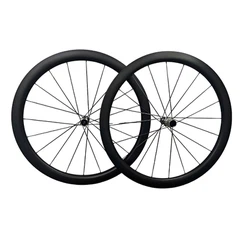
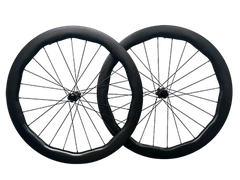
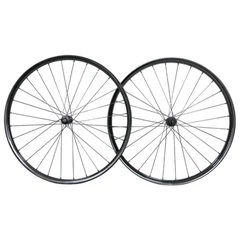
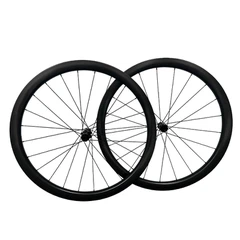
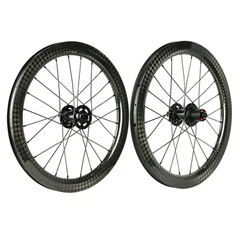
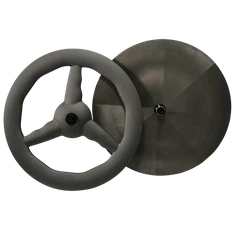
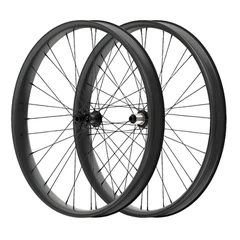
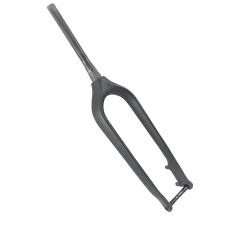
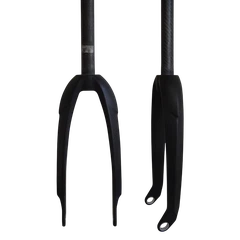
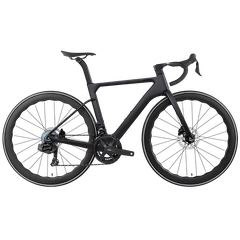
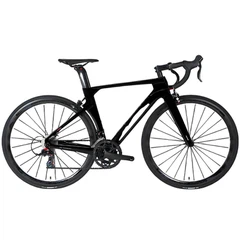
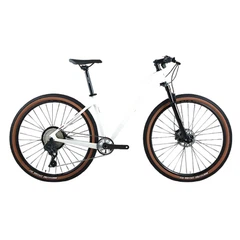
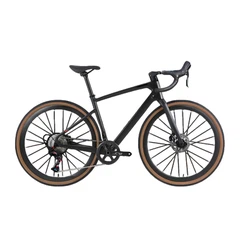
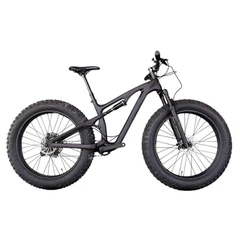
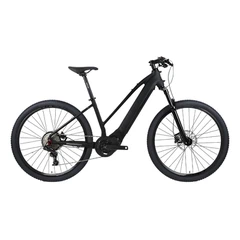
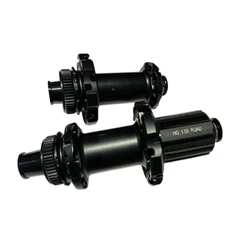



Upgrading to carbon fiber wheels is one of the most effective ways to improve your bike's performance. However, before installing, it's crucial to perform a thorough compatibility check to prevent installation issues or potential safety risks caused by mismatched specifications. Here are four essential checks to perform before upgrading to carbon fiber wheels.

1. Frame and Fork Compatibility
Matching Chainstay Sizes
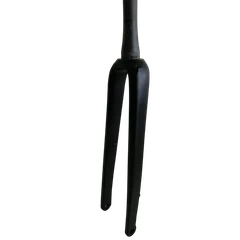
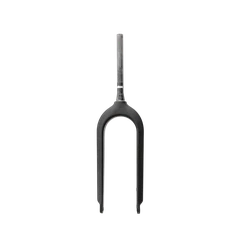
Before installing a carbon wheel, ensure that the frame and fork spacing (chainstay width) exactly matches the hub size. A common standard for road bikes is 100mm front/130mm rear, while mountain bikes typically use 110mm front/142mm rear or Boost spacing (110mm front/148mm rear). If the measurements don't match, you'll need to use adapters or replace the hub. For example, when upgrading from a 135mm chainstay to a 142mm thru-axle system, ensure your frame supports the new dimensions and install the appropriate adapter accordingly.
To check: Use a caliper or tape measure to measure the inside of the chainstays-for a fork, measure the distance between the two fork legs; for a rear fork, measure the distance between the inside edges of the chainstays.
Frame Clearance and Tire Compatibility
When upgrading to wider tires or deeper-section carbon rims, ensure that your frame and fork have sufficient clearance to accommodate the new wheel size. For example, when upgrading the wheel diameter of a folding bike from 406mm to 451mm, ensure the frame has enough clearance for the wider tire. Similarly, some gravel bike frames can accommodate tires up to 700×52mm, while most road bike frames are limited to 28C tires. Ignoring clearance can cause tire-frame friction, decreased performance, and even safety hazards.
Tip: Before finalizing a wheel upgrade, consult the bike manufacturer's frame specifications or consult a professional mechanic to check compatibility for the best fit and safety.
2. Brake System Compatibility
Rim Brake Vs. Disc Brake Choice
Disc Brakes:
These wheels are designed for bikes with disc brake mounts on their frames and forks. Braking power comes from the discs mounted on the hub, not the rim surface. Common disc brake standards include 6-bolt and center lock. Disc brakes provide powerful, stable braking in all weather conditions, making them ideal for gravel, mountain, or endurance road cycling.
Rim Brakes:
The brake pads on these wheels press directly against the braking surface of the rim. Make sure your frame and fork are equipped with rim brake mounts and compatible calipers. Always use carbon fiber-specific brake pads, as standard pads may overheat or damage the rim.
Brake System Alignment
After installation, rotate the wheel to check for even clearance between the brake pads and the rim or rotor. If the runout on a rim brake wheel exceeds 5mm, use a rim stand to adjust the spoke tension. For disc brake systems, ensure the rotor is free of deformation, as this may cause disc wear.
3. Hub and Mounting System Compatibility
Choosing Between Thru-Axles and Quick-Release
Modern carbon wheels use different axle system designs to match various bicycle frame standards. Thru-axles (e.g., 12x100mm front, 12x142mm rear) offer greater stiffness and better alignment, making them the preferred choice for disc brake road and gravel bikes.
Quick-release (QR) systems (e.g., 9x100mm front, 10x130mm rear) are lighter and more common on traditional rim brake bikes.
Freewheel Body and Cassette Compatibility
The freewheel body must match the cassette brand and speed. For example, a Shimano 11-speed cassette requires an HG freewheel body, while a SRAM 12-speed cassette requires an XDR freewheel body. Some carbon wheels, such as the Bontrager Aeolus Elite 35 TLR, are multi-speed compatible (Shimano 10/11/12 speed), but please note that a separate XDR freehub body may be required for a 12-speed groupset.
When installing the cassette, align it with the wider spline gap on the freehub body and tighten it securely to the manufacturer's recommended torque using the cassette locking tool.

4. Tire and Rim Matching
Tire Width and Rim Internal Width
Choosing the right tire width is crucial to the performance and safety of carbon wheels. The tire width should match the rim's internal width to ensure a secure fit and responsive handling. For example, a 21mm internal width road carbon rim is suitable for 25–32mm tires, while a 24–26mm internal width gravel carbon rim is better suited for 35–50mm tires.
Tires that are too narrow or too wide can result in reduced riding stability, difficult fitment, or increased rolling resistance. It's recommended to refer to the manufacturer's recommended range for optimal performance and comfort.
Tubeless Conversion
Most modern carbon wheels are tubeless-ready (TLR), allowing the tire to be used tubeless, reducing rolling resistance and improving puncture resistance. The conversion steps are as follows:
*Apply tubeless rim tape to ensure a tight seal.
*Install the vacuum valve and tighten.
*Install the tubeless tire and fill it with an appropriate amount of sealing fluid.
*Use a pump or air pump to quickly inflate the tire until the tire bead is fully aligned with the rim.
5. Installation and Safety Check
Spoke Tension and Rim Runout: New carbon wheels require uniform spoke tension. Recommended rim tension is 90-110 kgf for road wheels and 70-90 kgf for mountain bikes. This can be measured with a tension meter or by pinching the spokes to determine tension (there should not be noticeable differences in tension between adjacent spokes). Rim runout (lateral motion) should be kept within 2 mm; otherwise, it may cause brake pad rubbing or unstable riding.
Installation and Tightening
Quick Release Installation: Ensure the quick-release lever is threaded through the hub and tightened. When closed, the lever should be parallel to the frame/fork to avoid snagging on obstacles.
Thru-axle Installation: Use an Allen wrench to tighten to the specified torque (usually 12-15 N·m). Avoid over-tightening or under-loosening, which could damage the threads.
Final Safety Test
After installation, shake the wheel vigorously to check for looseness or rim tension. Rotate the wheel to check for smooth operation and braking effectiveness. For disc brakes, test braking force by squeezing the brakes several times.
Before upgrading or installing a carbon wheelset, be sure to thoroughly check compatibility with your frame, fork, brake system, hub, freehub, cassette, tires, and rim width to ensure the right balance of safety and performance. Mismatched specifications can lead to unstable handling, increased wear, and even structural damage. From wheelbase and brake type, freehub and cassette speed rating, to tire width and rim internal width, every step is crucial.
Before upgrading or installing a carbon wheelset, be sure to thoroughly check compatibility with your frame, fork, brake system, hub, freehub, cassette, tires, and rim width to ensure the right balance of safety and performance. Mismatched specifications can lead to unstable handling, increased wear, and even structural damage. From wheelbase and brake type, freehub and cassette speed rating, to tire width and rim internal width, every step is crucial.


