

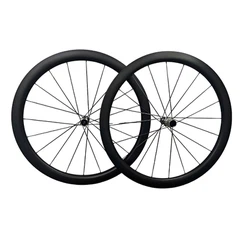
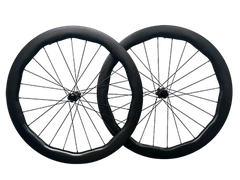
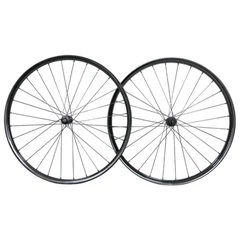
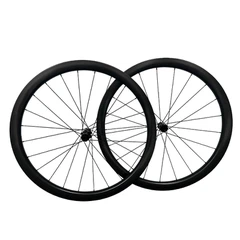
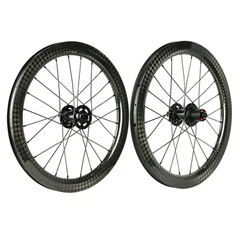
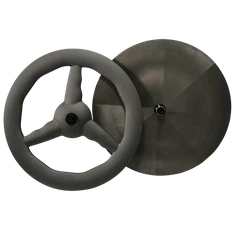
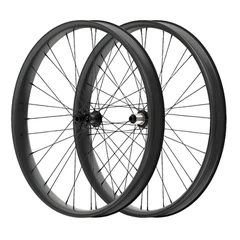
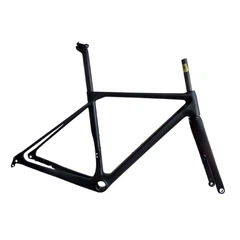
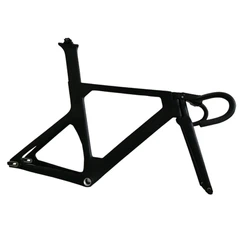
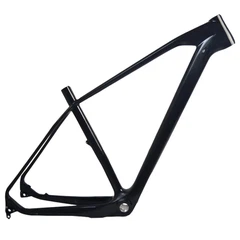
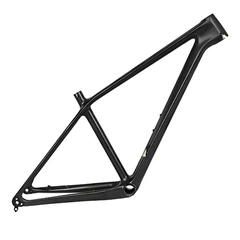
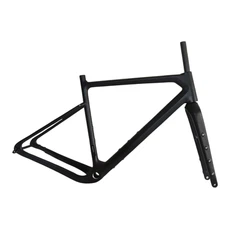
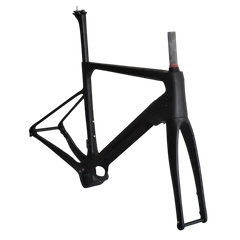
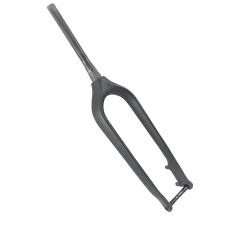
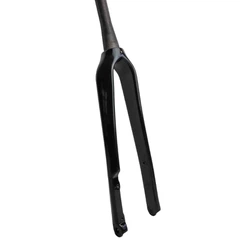
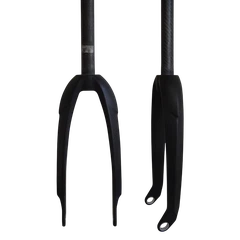
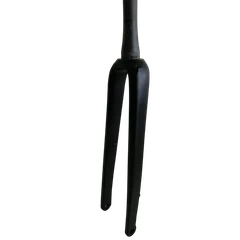
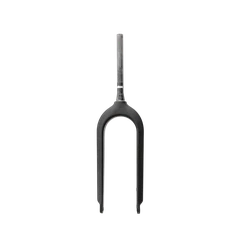
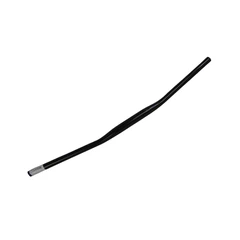
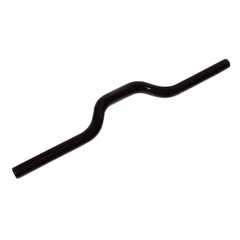
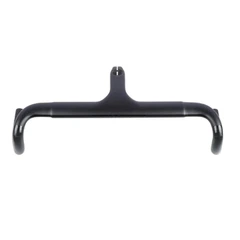
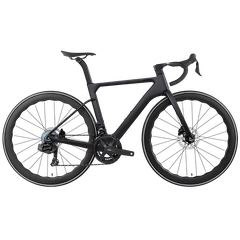
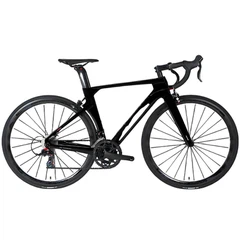
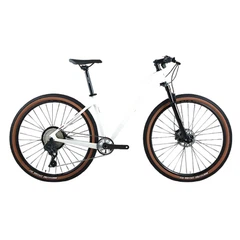
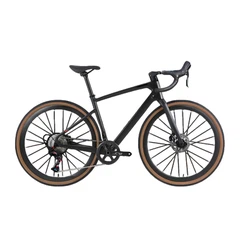
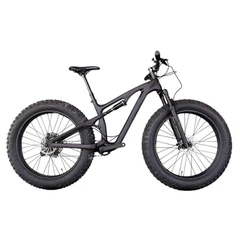
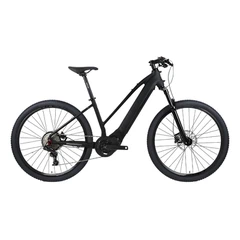
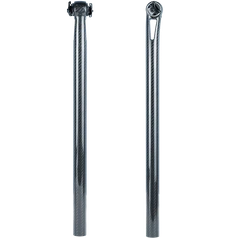
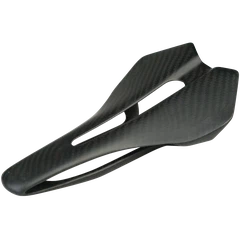

-Suitable for road bikes, mountain bikes, gravel bikes, and MTB bikes.
-ODM and OEM options are welcome.

Carbon World-Carbon Fiber Forks Manufacturer in China
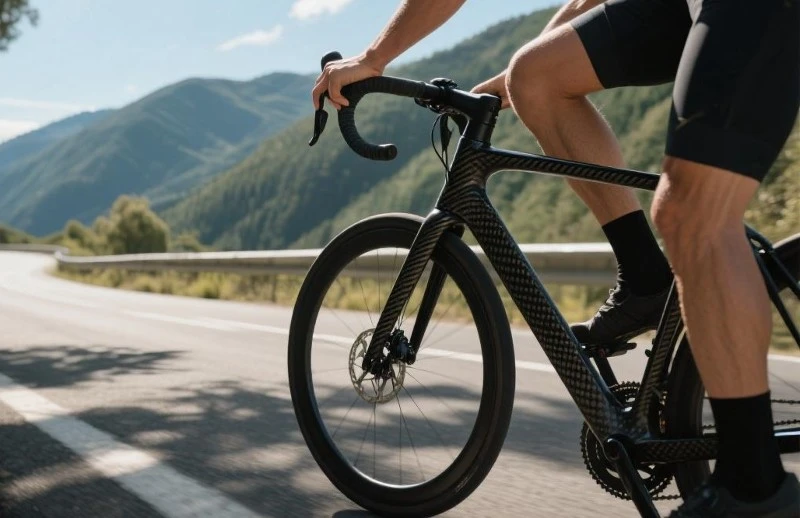
The carbon fiber fork is a type of bicycle fork made from carbon fiber composite materials. It boasts lightweight, high rigidity, and excellent shock absorption. It's widely used on high-performance bicycles, including road bikes, mountain bikes, and gravel bikes.
At Carbon World, we can customize carbon fiber bicycle forks of various sizes, shapes, and types to meet your needs, and we can also customize them with various logos, patterns, and designs.
Types of Carbon Fibre Bike Fork

Carbon Fiber Fork Road Bike
Send Inquiry Now

Carbon Fork MTB
Send Inquiry Now

Carbon Forks Gravel Bike
Send Inquiry Now

BMX Carbon Fork
Send Inquiry Now

Fat Bike Carbon Fork
Send Inquiry Now
Features of Carbon Fibre Bike Fork
Carbon Composite Construction
The carbon fiber lay-up can be adjusted around the steerer, crown, fork legs, brake mounts, and dropouts according to the load requirements and intended bike type.
Balanced Weight and Stiffness
Fork weight and stiffness depend on the geometry, axle standard, brake configuration, tire clearance, mounting points, and intended use.
Vibration Damping
The carbon lay-up can help reduce high-frequency vibration from rough surfaces. Actual ride feel also depends on tire pressure, tire volume, wheel construction, and frame geometry.
Multiple Interface Options
Available configurations include straight or tapered steerers, quick-release or thru-axle dropouts, flat-mount or post-mount brakes, and different cable-routing layouts.
Custom Surface Finishes
Finish options include UD or woven carbon patterns, matte or gloss clear coats, painted finishes, decals, and custom graphics.

Applications for Carbon Forks
|
|
|
| Application | Main Fork Requirements |
| Road Bikes | Low weight, accurate geometry, suitable tire clearance, and rim- or disc-brake compatibility |
| Gravel Bikes | Wider tire clearance, sufficient mud clearance, and optional fender or cargo mounts |
| Rigid Mountain Bikes | Correct axle-to-crown length, suitable fork offset, thru-axle compatibility, and sufficient tire clearance |
| BMX Bikes | Strong dropouts, correct steerer dimensions, suitable axle size, and compatibility with the intended BMX discipline |
| Fat Bikes | Wide hub spacing, large tire clearance, and suitable brake-mount positioning |
| E-Bike Projects | Structure and interfaces designed for higher system loads, with project-specific testing |
Carbon Forks vs Other Materials
|
Aspect |
Carbon Forks |
Aluminum Forks |
Steel Forks |
|
Weight |
Very light, improves handling and acceleration |
Heavier, but lighter than steel |
Heaviest |
|
Vibration Damping |
Excellent, offers a smooth and comfortable ride |
Transmits more vibrations, may cause fatigue |
Good, better than aluminum, some natural flex |
|
Strength & Durability |
High stiffness but vulnerable to impact |
Corrosion-resistant and durable, with limited heavy load capacity |
Extremely tough and durable, resistant to cracking |
|
Performance |
Ideal for high-performance racing and endurance |
Good for recreational riders, balanced performance |
Suitable for touring, durability prioritized |
|
Cost |
Most expensive, complex manufacturing |
Moderate price, good value |
Most affordable, entry-level friendly |
How To Choose The Right Carbon Fiber Fork For You
Step 1: Start with your bike type
Road: Your top priority is precise handling and a clean routing setup.
Gravel: Focus on tire clearance, mounting points, and durability in real riding conditions.
MTB: Axle stiffness, larger tire clearance, and impact resistance matter most.
Step 2: Confirm the 5 “hard specs” (these determine compatibility)
Axle standard: Quick release (QR) / 12×100 / 15×110 Boost
Steerer: 1-1/8" straight, or 1-1/8"–1.5" tapered
Brake mount: Flat mount (road/gravel) or post mount (MTB, depending on the model)
Tire clearance: Match your target tire size, and leave extra room if you expect mud or debris
Fork offset/rake: Choose an offset that matches your frame geometry—this affects handling more than most riders expect
Step 3: Check assembly details and real limits
Crown race/headset fit: Make sure the fork crown standard matches your headset system
Expander plug: For carbon steerers, always use the correct expander plug (do not use a star nut)
Torque control: Follow the torque specs for your stem and brake hardware, and use a calibrated torque wrench
Load limits (if adding accessories): If you plan to mount a rack, fenders, or 3-pack mounts, confirm the expected load and riding conditions before finalizing the fork specification

Why Choose Our Carbon Forks
Carbon World has been deeply involved in the carbon fiber bicycle industry for over 20 years, developing over 1,200 product solutions. We have mastered key processes, including high-precision winding and hot pressing, which have enabled us to achieve a mass production yield exceeding 96% for Toray T700/T800/T1000-grade carbon fiber products.
We have a mature manufacturing process for carbon fiber bike forks. Front fork structures typically utilize one-piece molding to ensure structural strength and overall stability. During the carbon fiber layup phase, multiple layers of carbon fiber prepreg are precisely laid onto both PU shell A and PU shell B. The layup material is cut into multiple carbon fiber sheets based on the structural shape and strength requirements of each product to ensure precise and even placement.
After the airbag is embedded, secondary molding is performed. The mold is then placed in a molding oven for hot pressing to ensure the resin is fully cured and to maximize the carbon fiber's performance. After molding, the front fork is removed and undergoes multiple processes, including surface polishing, painting, and baking, to enhance the product's appearance, texture, and durability, ultimately completing the production of a high-quality carbon fork.

Test of Carbon Fork
Dimensional & critical interface checks: We measure key interfaces such as steerer diameter, crown race seat, dropout/axle spacing, and brake mount positioning to ensure compatibility and reduce assembly issues.
Alignment verification: We check fork leg symmetry and straightness to help prevent tracking issues and rotor rub after installation.
Steerer and crown integrity checks (project-based): When specified, we verify structural integrity around the steerer/crown area, which is the most sensitive zone for clamping and load transfer.
Load and fatigue validation (as required): For OEM programs, we can run or support validation tests aligned with your specifications, focusing on bending loads and braking-related loads seen in real riding.
Pre-shipment build-readiness checks: We confirm surface and paint quality, and track weight by configuration to keep batches consistent and support your incoming QC.
FAQ
Q: What carbon fork specifications are available?
A: Available options vary by model and may include different wheel sizes, axle-to-crown lengths, offsets, steerer dimensions, axle standards, brake mounts, tire clearances, and cable-routing layouts.
Q: What specifications can existing molds support?
A: Existing molds cover selected road, gravel, MTB, BMX, and fat bike forks. We can provide model-specific drawings and specifications, including A2C length, offset, axle spacing, steerer size, brake mount, and tire clearance.
Q: Which fork features can be customized?
A: Custom options may include carbon lay-up, geometry, axle and dropout design, brake mount position, cable routing, accessory mounts, target weight, surface finish, graphics, logo, labeling, and packaging. New geometry usually requires new tooling.
Q: How do I confirm compatibility with the frame, wheels, and brakes?
A: Please provide the frame drawing, wheel size, hub spacing, axle type, headset and crown-race dimensions, brake type, rotor size, tire width, required A2C length, and fork offset. These details should be reviewed together before sampling.
Q: Can you provide test standards, parameters, and reports?
A: Yes. Testing can follow applicable ISO requirements, customer standards, or project-specific conditions. Test parameters and reports can be provided according to the agreed project scope, product category, and confidentiality requirements.
Q: What is the sampling, MOQ, and mass-production process?
A: The usual process includes requirement review, drawing confirmation, mold selection or development, quotation, sample production, dimensional inspection, testing, sample approval, and mass production. MOQ and lead time depend on whether an existing mold is used and the level of customization required.
Leading carbon forks manufacturer and supplier in China, specializing in high-quality carbon fiber products with OEM/ODM services. Our factory offers carbon bike rims, fairings, and custom carbon fiber solutions for sports, automotive, and industrial use. Contact us for a quote.
