

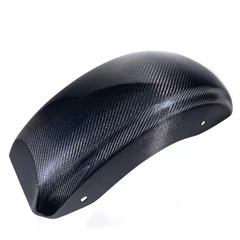
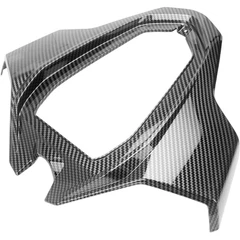
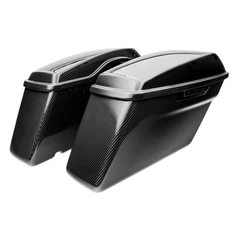
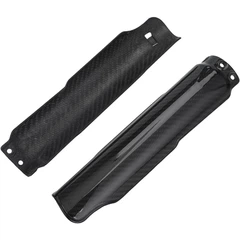
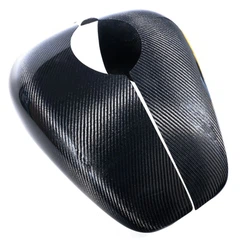
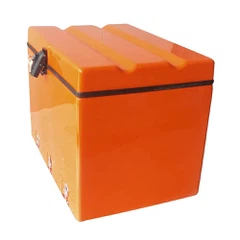

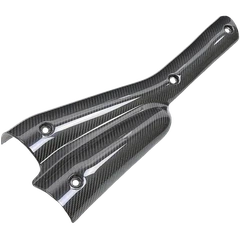
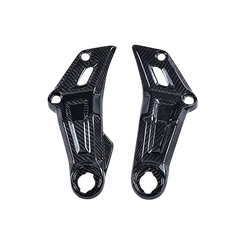


- • Carbon Fiber Fuel Tank for Harley, CBR and other motorcycles
- • Designed for durability, unique style and perfect fit. Premium finish for long-lasting use. Lightweight and designed for racers, modders and everyday riders

What Are Carbon Fiber Fuel Tanks?
Carbon fiber fuel tanks are a lightweight upgrade to traditional steel or aluminum fuel tanks. They are made of carbon fiber and resin interwoven to achieve an excellent strength-to-weight ratio.
Carbon World's carbon fiber fuel tanks are made through an autoclave curing process to ensure durability, while also having good heat resistance, corrosion resistance, and chemical resistance, making them suitable for use in a variety of harsh environments. We can customize according to customer needs. Contact us for the latest technical support.
Type of Carbon Fiber Gas Tank Showcase

Carbon Fiber Fuel Tanks
•Model: DZM031
•Material: Carbon fiber
•Finish: Customizable
•Fit for: 2008-2023 (2023 CVO Excluded) Touring
•Bonds to your original tank.
•Fits center tank
Send Inquiry Now

Carbon Fiber Fuel Tank
•Model: DZM032
•Material: Carbon fiber
•Finish: Customizable
•Fit for: Harley-Davidson Touring Models (08-23)
Send Inquiry Now
Carbon vs Aluminum vs OEM Fuel Tank
|
Feature or Material |
Carbon Fiber Fuel Tank |
Aluminum Fuel Tank |
OEM Steel or Plastic Fuel Tank |
|
Weight |
Lightest up to 60% percent lighter |
Moderate weight |
Heaviest especially steel |
|
Strength and Impact Resistance |
High strength with excellent impact resistance |
Good strength, but can dent or deform |
Steel is strong, but heavy plastic can crack |
|
Heat Resistance |
Maintains shape and strength under high temperatures |
Performs well but expands when hot |
Plastic may have limited heat resistance |
|
Corrosion and Chemical Resistance |
Resistant to rust, fuel, and chemical damage |
Resistant to rust may oxidize over time |
Steel rusts, plastic may degrade |
|
Aesthetics |
Premium appearance with visible carbon weave |
Raw metal look |
Basic painted metal or plain plastic |
|
Best Use Cases |
Racing custom builds performance upgrades |
Lightweight custom applications |
Daily use or factory stock motorcycles |
Benefits of Carbon Fiber Fuel Tank
Carbon fiber fuel tanks have many advantages over traditional steel or aluminum fuel tanks, so they are popular among riders and modification enthusiasts who focus on performance and appearance.
Lightweight Design: Lightweight carbon fiber material reduces the weight of the fuel tank by about 60%, effectively reducing the weight of the entire vehicle, improving handling flexibility, acceleration performance, and fuel economy.
Durability: Thanks to the woven structure of carbon fiber and advanced curing technology, it is light, strong, and durable, and has good impact resistance.
Not easy to Corrode: Carbon fiber fuel tanks have excellent corrosion resistance and can resist corrosion from a variety of fuels and chemicals.
High Temperature Resistance: Carbon fiber materials are still stable in high-temperature environments, are not easily deformed or damaged, and are suitable for high-intensity use.
Modern Design: Carbon fiber has a unique pattern, and you can choose UD or matte customized finishes according to your needs. It is extremely performant and beautiful.


Maintain Tips of Carbon Fiber Gas Tank
Clean the fuel tank regularly with a soft microfiber cloth and mild soap, and avoid using harsh chemicals to avoid damaging the resin surface. The surface of the fuel tank tends to darken when the vehicle is exposed to the sun for a long time. It is recommended to park in the shade or use a car cover as much as possible. Check the fuel tank frequently for chips or cracks, especially after driving on bumpy roads, to find and deal with problems in time. Regular waxing or applying a ceramic protective layer can not only effectively protect the fuel tank, but also keep it shiny as new.
Manufacturing & Materials of Carbon Fiber Gas Tank
Material system: We typically use 3K twill fabric for cosmetic surfaces and add unidirectional (UD) reinforcements in areas that require stiffness and dimensional stability. The laminate is paired with a chemically resistant resin system, carefully selected to ensure long-term stability, consistent curing behavior, and a reliable surface finish.
Layup engineering: Ply orientation is engineered to withstand real-world loads from vibration, installation stresses, and edge contact. High-stress zones (mounting areas, edges, and local interfaces) receive localized reinforcement, while non-critical areas are optimized to avoid unnecessary weight.
Forming & curing process: Parts are produced using vacuum bag forming and controlled curing to improve consolidation, reduce void content, and achieve repeatable thickness. For higher cosmetic and structural requirements, we also offer autoclave curing to further enhance laminate quality and surface clarity.
Trimming, bonding & assembly control: Where applicable, edges are CNC-trimmed, then finished to minimize fiber breakout.
Surface finishing: Gloss or matte clear coat options are available, including UV-resistant coatings for outdoor exposure. The clear coat also improves cleanability and helps preserve the carbon weave appearance over time.
Quality inspection: Every batch undergoes dimensional checks and surface inspection. Project validation may include fitment verification and process records to support traceability.

FAQ
Q: What Is The Best Material For A Fuel Tank?
A: Carbon fiber offers the best strength-to-weight ratio and corrosion resistance. Aluminum is lightweight and durable, but it can oxidize. Steel tanks are durable but heavier and prone to rust.
Q: Are Carbon Fiber Gas Tanks Safe For Daily Riding?
A: Yes, carbon fiber tanks are suitable for everyday use. They are carefully designed to meet strict safety standards and have excellent impact resistance and chemical stability.
Q: How Do I Clean And Maintain The Finish?
A: Use a soft microfiber cloth and mild soap. Avoid using harsh chemicals. Regular waxing or ceramic coating can protect and enhance the surface shine.
Q: Is this a cover glued to the original fuel tank, or a replacement for the entire tank?
A: Most of our motorcycle "carbon fiber fuel tanks" are carbon fiber tank covers/patches glued to the original (OEM) fuel tank. This is the best option if you want the carbon fiber look, surface protection, and weight reduction, but don't want to modify the original fuel system.
For specific models and projects, we can also discuss complete carbon fiber fuel tank replacement solutions, but feasibility depends on the model, internal structure, and validation requirements (leak testing, fuel compatibility, and installation design).
Q: Can I reuse the original fuel pump/tank cap/fuel line?
A: Generally, yes. You can reuse the original fuel pump, tank cap, fuel line, and mounting points because the original fuel tank remains in place, with the carbon fiber section covering it.
However, compatibility may vary depending on the model year and fuel tank style. If you can provide photos of your model/year and the filler neck and mounting points, we can confirm compatibility before production.
Q: What torque specifications should be used for the mounting hardware?
A: Please use the OEM torque specifications provided by the motorcycle manufacturer for the original fasteners and mounting points. Carbon fiber caps themselves don't "solve" the problem of over-tightening; excessive torque can still lead to stress, cracking, or indentations over time.
Q: Which finish is better for everyday street riding (gloss or matte)?
A: For everyday street riding, gloss is generally more durable because it's easier to clean and less prone to showing "friction marks" from clothing, tank stickers, and everyday wipes. Matte finishes look more sophisticated, but can result in unevenness when the surface is scratched, polished, worn, or repaired.
Other Best-selling Carbon Fiber Motorcycle Parts


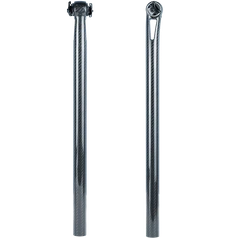
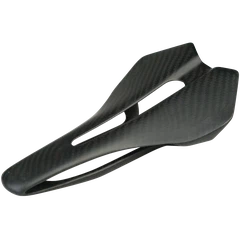
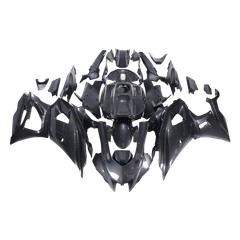
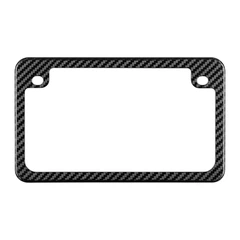
Leading carbon fiber fuel tanks manufacturer and supplier in China, specializing in high-quality carbon fiber products with OEM/ODM services. Our factory offers carbon bike rims, fairings, and custom carbon fiber solutions for sports, automotive, and industrial use. Contact us for a quote.
