

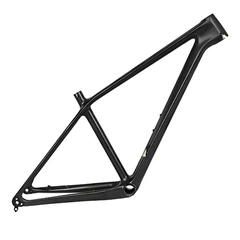
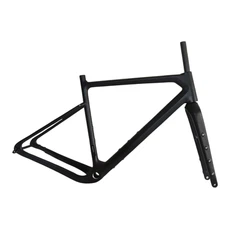
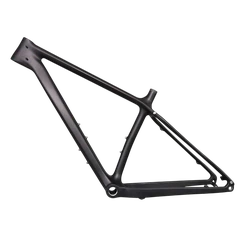
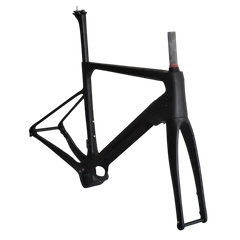
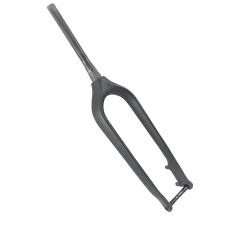
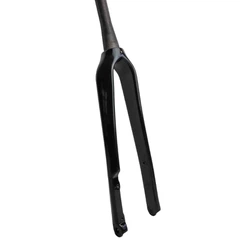
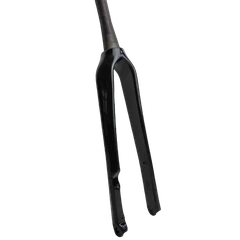
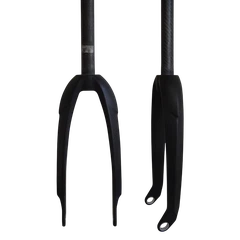
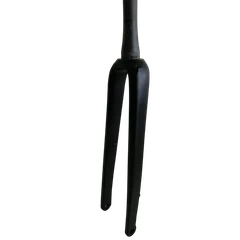
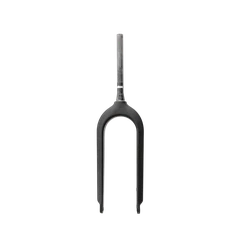
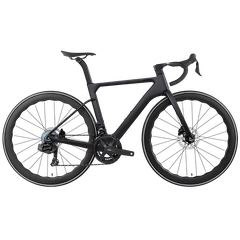
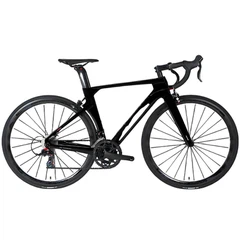
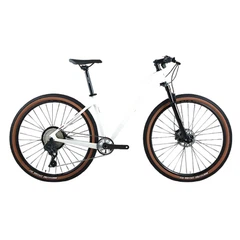
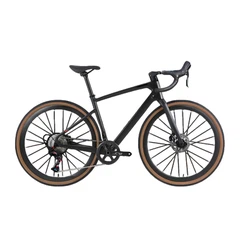
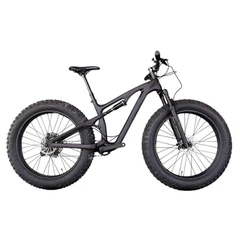


What Is a Carbon Road Fork?
Carbon road fork is a lightweight, high-performance front suspension component made entirely from carbon fiber. It is crucial to the bike's handling, comfort, and overall riding experience. Unlike traditional metal forks, carbon fiber road forks are extremely light and easier to control. They can not only maintain higher speeds on flat ground, but also be more flexible on climbs. The design of the carbon road fork also takes full account of aerodynamic characteristics, which can cut the air more effectively and increase the speed of riding.
Key Specs

Carbon Road Forks
•Model: MYB06CS01-1-700C
•Material: T800 Toray carbon fiber, all passed EN/SGS quality test
•Feature: Lightweight
•Use for: 700c road, 650B mtb, cyclocross
•Headset Size: 1-1\8''-1-1\2''Tapered Integrated
•Brake: Disc-brake
•Offset: 45mm
•Weight: 430g+/-15g
•Available: 12mm flat-mount / 15mm post mount
Send Inquiry Now
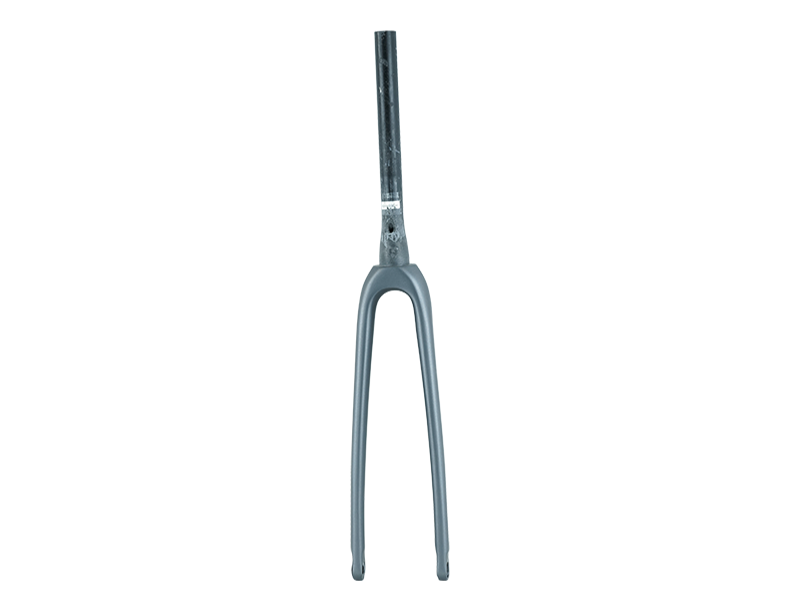
Carbon Road Forks
•Model: MYB06R10FK-700C
•Weight: 480 ± 20g
•Cable Routing: Fully Hidden
•Standard Tube Wheels: Supports 700C x 45C tires
•Thru-Axle: 12 x 100mm
•Disc Brake Post Hole Spacing: 70mm
•Brake Rotor: Direct Mount Disc (140mm)
•Compatible Headset: 39.8mm (1-1/2")
•Fork Diameter: 28.6mm
•Applicable to: Road and gravel bikes
Send Inquiry Now

Carbon Road Fork
• Model: MYB06R16FK-700C
• Weight: 427 ± 20g
• Cable Routing: Fully Hidden
• Stem Tube Wheels: Supports 700C*18-32C tires
• Thru-Axle: 12*100mm
• Disc Brake Post Hole Spacing: 70mm
• Brake Rotor: Direct Mount Disc (140/160mm)
• Compatible Headset: 39.8mm (1-1/2")
• Fork Diameter: 28.6mm
• Suitable for: Road Bikes
Send Inquiry Now

Carbon Road Forks
•Model: MYB06R19FK-700C
•Weight: 395 ± 20g
•Clamping: Quick Release 9*100mm
•Cable Routing: External
•Maximum Tire Width: Supports 700C*28C tires
•Brake Type: Coilover
•Offset: 43mm
•Compatible Headset: 39.8mm (1-1/2")
•Fork Diameter: 28.6mm
•Applicable to: Road bikes
Send Inquiry Now

Carbon Road Fork
• Model: MYB06R21FK-700C
• Weight: 416 ± 20g
• Cage: Thru-Axle
• Cable Routing: Fully Hidden
• Maximum Tire Width: Supports 700C*18-30C tires
• Disc Brake Post Distance: 70mm
• Brake Rotor: Direct-mount Disc (140/160mm)
• Compatible Headset: 39.8mm (1-1/2")
• Fork Diameter: 28.6mm
• Applicable to: Road Bikes
Send Inquiry Now

Carbon Fiber Road Fork
•Model: MYB06R22FK-700C
•Weight: 428 ± 20g
•Bottom: Thru-axle
•Cable Routing: Fully Hidden
•Supported Tire Width: 700C*18~32C
•Thru-axle: 12*100mm
•Disc Brake Post Hole Spacing: 70mm
•Brake Rotor: Direct Mount Disc (140/160mm)
•Compatible Headset: 39.8mm (1-1/2")
•Fork Diameter: 28.6mm
•Applicable to: Road Bikes
Send Inquiry Now
Key Features of Carbon Fiber Road Bike Forks:
Lightweight Carbon Fiber Structure: Made from high-quality Toray T700/T800 carbon fiber, this fork boasts superior quality and strength, effectively reducing weight for a faster, more responsive, and more agile ride.
Shock Absorption Design: The carbon fiber material naturally absorbs road vibrations, resulting in a smoother and more comfortable ride, especially reducing fatigue on uneven surfaces.
Brake Compatibility: The fork is versatile and fully compatible with rim brakes and disc brakes, allowing you to customize your bike's braking system to your personal preferences and riding style.
Multiple Sizes Available: To meet the needs of different riders, the fork is available in various sizes and types to ensure a perfect fit for your bicycle and riding style.


Advantages of Carbon Road Fork
Ultra-Lightweight Design
Compared to traditional steel or aluminum forks, carbon road forks are significantly lighter, often weighing less than 400g. This dramatically reduces the overall weight of the bike, making climbing, acceleration, and long-distance riding more efficient and less tiring.
Superior Vibration Dampening for a Smoother Ride
Carbon fiber has natural vibration-absorbing properties. It effectively filters out road buzz and micro-impacts accumulated over long distances, helping to reduce rider fatigue and making your ride more comfortable and enjoyable.
Aerodynamic Profile
Thanks to the flexible molding properties of carbon fiber, the fork can be shaped into streamlined designs that optimize aerodynamics and reduce drag, helping you ride faster with less resistance.
Certified Strength and Reliability
High-quality carbon forks are tested to meet international standards, ensuring they remain strong, durable, and safe to use even under high stress or in challenging road conditions.
How Are Carbon Better Than Steel Or Aluminum Forks?
|
Feature |
Carbon Fork |
Steel Fork |
Aluminum Fork |
|
Weight |
Extremely light (≈ 350–400g) |
Very heavy (≈ 1,000–1,200g) |
Medium weight (≈ 700–900g) |
|
Vibration Dampening |
Excellent - absorbs road buzz |
Poor - transmits vibrations |
Fair - better than steel |
|
Stiffness & Control |
Tunable - precise & responsive |
Soft - may flex |
Stiff but harsh |
|
Durability |
Strong & certified (EN/SGS) |
Extremely durable |
Fair - may fatigue |
|
Corrosion Resistance |
100% corrosion-resistant |
Prone to rust |
May corrode inside |
|
Aesthetics |
Sleek, modern look |
Classic but bulky |
Simple, not premium |
|
Ride Comfort |
Smooth and fatigue-reducing |
Harsh ride |
Acceptable comfort |
|
Price |
Higher investment |
Very affordable |
Budget to mid-range |
Carbon Fiber Road Bike Forks Production Process
Layer Design: Based on the different stress locations, software is used to design the cutting shape, laying angle, and sequence of the carbon fiber fabric.
Cutting and Laying: The pre-impregnated carbon fiber fabric is cut according to the design and manually laid layer by layer by technicians in a mold.
Inner Liner Insertion: An expandable silicone inner liner is inserted into the layup.
Molding and Curing: After the mold is closed, high-pressure gas is injected into the inner liner, causing it to expand and press the carbon fiber fabric tightly against the inner wall of the mold. Simultaneously, the mold is heated to cure the resin, resulting in a single, integrated molding.
Post-Processing: After demolding, burrs are removed, and drilling (disc brake mounts), milling of the steerer tube, and painting are performed.
Assembly and Quality Inspection: Metal embedded parts (such as threaded sleeves) are installed, and strict strength and precision tests are conducted.

Why Carbon Fiber Road Forks Make Bikes More Comfortable?
Carbon World carbon fiber road forks are a key component of carbon fiber road bikes. They ensure customers are more comfortable riding
Natural Vibration Dampening: Unlike stiff aluminum or heavy steel, carbon fiber naturally absorbs road vibrations and surface buzz.
Less Arm & Shoulder Fatigue: By reducing the amount of shock transferred to your hands and upper body, carbon forks help you ride longer with less fatigue.
Targeted Flex in Key Zones: Modern carbon forks are engineered with specific compliance areas, offering the perfect balance between comfort and control.
Smoother Ride on Rough Roads: A carbon fork minimizes harsh impacts on uneven pavement, gravel, or older roads, giving you a more stable ride.
Ideal for Endurance, Commuting & Touring: If you're planning longer rides or daily commutes, the added comfort of a carbon fork is a game-changer.
Ideal Use Cases of Carbon Fiber Road Bike Fork(Available for OEM/wholesale orders)
Carbon road forks are an essential upgrade for cyclists seeking lightweight performance, precise handling, and long-distance comfort. Whether you're building a competitive race bike, designing a premium endurance frame, or customizing a fast commuter, a carbon fork delivers the performance edge riders demand.
For brands, retailers, and OEM buyers, Carbon World offers flexible wholesale and private-label solutions. Our forks are EN/SGS certified and available in various specs, finishes, and rake options to suit your frame design.
Available for OEM/wholesale orders, our carbon road forks can also be customized to match different branding and performance requirements. Bulk inquiries and OEM customization are welcome.

Test of Carbon Fiber Road Fork
To ensure the safety, stability, and performance of our carbon fiber road forks, every CarbonWorld road fork undergoes rigorous testing before leaving the factory:
Strength Testing: Verifies the fork's ability to withstand high loads during sprints, descents, and intense riding, preventing deformation or failure.
Fatigue Testing: Verifies the fork's long-term durability and fatigue resistance through millions of pedaling and road vibration cycles.
Impact Testing: Simulates potholes, curbs, and unexpected collisions to confirm the fork's ability to effectively absorb shock without breaking.
Flex Testing: Measures the balance of stiffness and flexibility, ensuring precise handling, stable riding, and comfortable handling.
FAQ
Q: What are the main advantages of carbon fiber forks compared to aluminum alloy forks?
A: Carbon fiber forks are significantly lighter than aluminum alloy forks, improving the overall weight and handling of the bicycle. Additionally, carbon fiber forks offer better shock absorption, resulting in a smoother ride; aluminum alloy forks, on the other hand, can be stiffer, offering slightly less comfort on rough terrain.
Q: Are carbon fiber road bike forks compatible with disc brakes?
A: Yes, many carbon fiber road bike forks are designed to be compatible with disc brakes, improving braking performance, especially on wet surfaces or downhill sections. Always check the product specifications to ensure compatibility.
Q: How do I determine if a carbon fiber fork is suitable for my bicycle?
A: Ensure your bicycle frame and fork are compatible by checking the steering tube diameter, axle type, and brake mounting system. Most carbon fiber road bike forks are compatible with standard road bike frames, but it's best to double-check the specific dimensions.
Q: What is the weight difference between carbon fiber road bike forks and aluminum alloy forks?
A: Carbon fiber forks are typically 30-40% lighter than aluminum alloy forks, which significantly impacts overall bike weight and handling, especially for competitive riders or those seeking a lightweight configuration.
Q: Can I install a carbon fiber fork myself?
A: Yes, installing a carbon fiber fork isn't difficult if you follow the correct steps. However, to ensure a safe and correct installation, we recommend having it done by a professional technician.
Q: Are Carbon Forks Safe For Heavy Riders?
A: Yes. High-quality carbon forks, especially those EN or SGS certified, are engineered to handle a wide range of rider weights safely. Proper installation and torque settings are key to long-term durability.
Q: What Is the Inclination Angle Of A Carbon Fiber Road Bike Fork?
A: Most carbon road forks have an inclination angle between 40mm and 50mm, optimized for handling balance. The right angle improves steering response and stability.


Leading carbon road fork manufacturer and supplier in China, specializing in high-quality carbon fiber products with OEM/ODM services. Our factory offers carbon bike rims, fairings, and custom carbon fiber solutions for sports, automotive, and industrial use. Contact us for a quote.
