

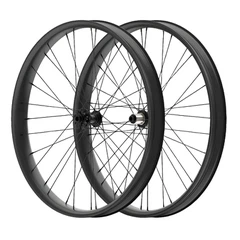
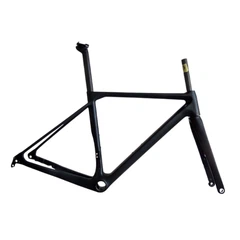
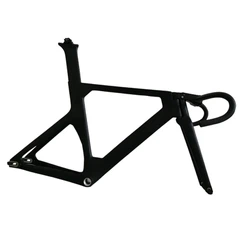
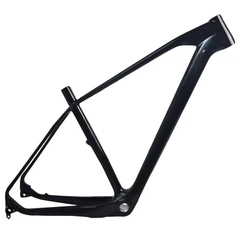
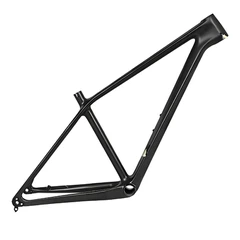
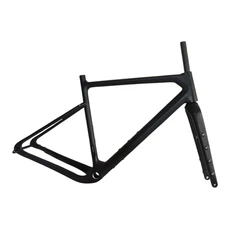
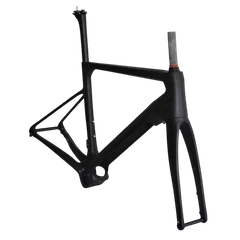
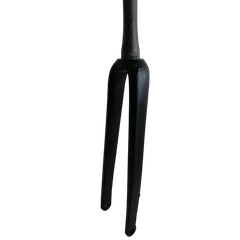
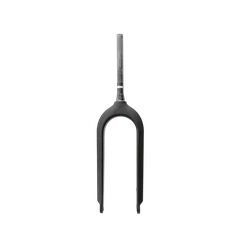
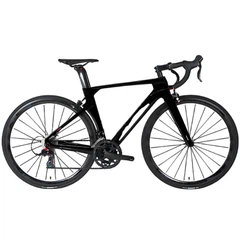
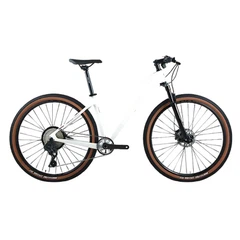
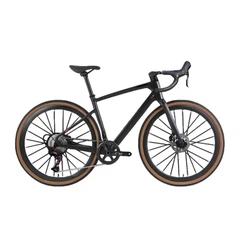
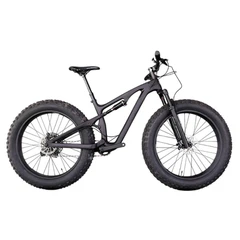
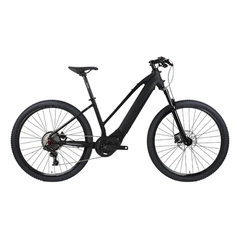



What Is a Carbon Fork Fat Bike?
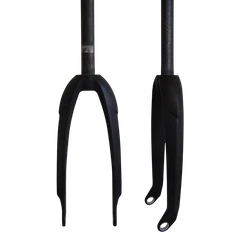
A carbon fork fat bike is a high-performance a specialized front fork designed for fat tire bicycles, constructed using high-modulus carbon fiber for superior strength, reduced weight, and enhanced vibration absorption. Engineered to accommodate oversized tires and wide hub spacing (including 135mm and 150mm thru-axle), ensures maximum stability while maintaining responsiveness during technical rides.
Explore Our Carbon Fork Fat Bikes

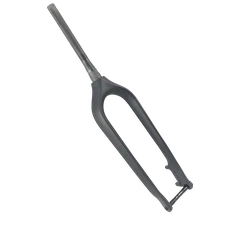
Carbon Fat Bike Fork 150mm
•Model: MYB06NXTFK01
•Materials: Carbon fiber
•Tyre clearance: Max 26" x 4.8" / Max 27.5" x 4.0"
•Spacing: 15x150mm
•Wheel Size: 26"
•Weight: 720g
•Finish: UD Matte / UD Glossy
Send Inquiry Now

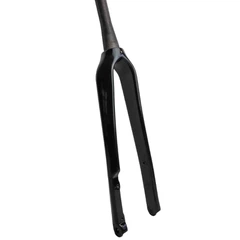
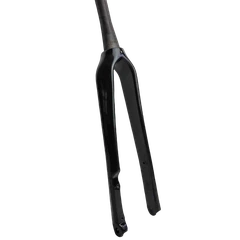
Carbon Fiber Fat Bike Fork
•Model: MYB06FF
•Materials: Carbon fiber
•Finish: UD MATT
•Weight: 658g
•Hub Spacing: 150mm
•Top and Down:1-1/8"-1-1/2"
Send Inquiry Now

Why Choose Our Carbon Fork for Fat Bike Builds?
Advanced Carbon Engineering
Carbon World each fat bike carbon fork is manufactured using precision-laid high-modulus carbon fiber, offering exceptional stiffness without compromising compliance. This results in better vibration absorption on uneven terrain-ideal for snow, sand, or rocky trails.
Lightweight, Rigid, and Versatile
Compared to aluminum or steel forks, a carbon fiber fat bike fork reduces front-end weight significantly, improving agility without sacrificing strength. Rigid by design, our forks deliver superior tracking, especially under load or during high-speed descents.
Engineered for Real-World Conditions
Arctic-Ready: Won't become brittle in sub-zero temperatures (tested to -40°F/C)
Sand & Mud Proof: Sealed bearing pivots prevent granular infiltration
Rock Strike Protection: 3K carbon weave with added downtube armor
Carbon vs Alloy Fat Bike Fork: Which One Is Better?
|
Feature |
Carbon Fat Bike Fork |
Alloy Fat Bike Fork |
|
Weight |
~620–680g (ultra-light construction) |
~1000–1200g (significantly heavier) |
|
Vibration Damping |
Excellent-absorbs trail chatter naturally |
Poor transfers more road/trail shock |
|
Rigidity |
Tuned stiffness with flex zones |
Generally stiff but harsher ride feel |
|
Durability |
Long-lasting with fatigue resistance |
Good, but prone to corrosion or denting |
|
Aesthetics |
Sleek, modern, customizable finishes |
Basic finishes, limited styling |
|
Customization |
Full OEM branding & geometry customization |
Limited flexibility |
|
Cost |
Higher upfront cost, long-term value |
Lower cost, but with performance trade-offs |
Applications of Carbon Fork Fat Bikes Builds
Snow and Winter Riding
Thanks to their reduced weight and excellent vibration damping, fat bike carbon forks are ideal for snow-packed trails where responsiveness and control are critical. The rigid structure avoids cold-weather mechanical issues often found in suspension forks.
Sand and Desert Terrain
In sandy environments like beaches or deserts, a carbon fiber fat bike fork improves flotation control and traction by supporting wider tires while minimizing front-end weight. This ensures smoother tracking and less rider fatigue over loose surfaces.
Bikepacking and Long-Distance Touring
For adventure cyclists and touring brands, our carbon forks for fat bike frames offer integrated strength and rack-mounting support (optional) while keeping total bike weight in check key factor for endurance-focused builds.


How to Install a Carbon Fork Fat Bike
Inspect the Frame and Fork
Ensure the head tube is clean and compatible with a tapered steerer. Inspect the fork for shipping damage and confirm axle & brake compatibility.
Install the Crown Race
Use a proper tool to press the crown race onto the fork crown securely. Avoid hammering-this could damage carbon layers.
Insert the Fork into the Head Tube
Apply carbon paste to the steerer where it contacts the headset. Insert the carbon fat bike fork through the lower headset bearing.
Set the Compression Plug
Do not use a star nut with carbon steerers. Insert a quality compression plug and lightly preload it to stabilize the system.
Stack Spacers and Attach the Stem
Adjust your desired stack height with spacers. Slide the stem onto the steerer. If necessary, mark and cut the steerer using a carbon-specific saw guide and blade.
Torque to Specification
Tighten the compression bolt first (to preload the headset). Then tighten stem bolts evenly, using a torque wrench to avoid crushing the steerer tube (typically 5–6Nm).
Mount the Front Wheel
Insert the thru-axle and torque it securely. Ensure brake rotor alignment and caliper clearance.
Frequently Asked Questions About Carbon Fork Fat Bike
Q1: Can I request custom axle spacing for my fat bike frame geometry?
A: Yes. We offer axle spacing customization such as 135mm, 142mm, and 150mm thru-axle standards. You can also request non-standard spacing to match proprietary frame designs.
Q2: Is there a difference between your forks for rigid fat bikes and those for suspension-corrected frames?
A: Yes. We offer both standard rigid geometry forks and suspension-corrected forks with longer axle-to-crown lengths. The latter allows riders to switch between rigid and suspension without affecting ride height or geometry.
Q3: What countries do you currently ship carbon fat bike forks to?
A: We ship globally. Major markets include the USA, Germany, Canada, Australia, the UK, and Japan. We can provide HS codes, certificates of origin, and commercial invoices for international compliance.
Q4: What if I need a new mold for a unique fork shape or design?
A: We offer mold development services for B2B clients launching custom product lines. Once the design is confirmed, mold production typically takes 4–5 weeks, after which bulk manufacturing can begin.
Q5: What's the maximum tire width your carbon fat bike forks can accommodate?
A: Our standard models support up to 26×5.0" or 27.5×4.5" tires. If you require wider clearance for specialty tires, we can adjust the fork leg spacing and arch design on a custom basis.
Q6: What's your approach to UV protection and long-term finish durability?
A: All our carbon fat bike forks are UV-treated with a clear coat to prevent fading, yellowing, or resin breakdown. We also offer optional ceramic topcoats for extreme climates.
Q7: What is a Carbon Fat Bike Fork 135mm, and is it compatible with most fat bike frames?
A: Yes. A Carbon Fat Bike Fork 135mm refers to a rigid carbon fork designed to fit front hubs with a 135mm spacing, common on many fat bike setups, especially those using quick-release or non-boost thru-axles.
Why Choose Carbon World
Leading carbon fat bike fork manufacturer and supplier in China, specializing in high-quality carbon fiber products with OEM/ODM services. Our factory offers carbon bike rims, fairings, and custom carbon fiber solutions for sports, automotive, and industrial use. Contact us for a quote.
