

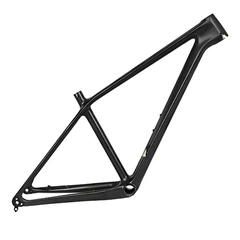
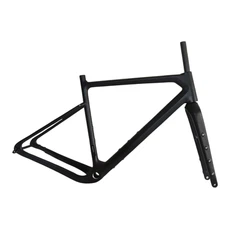
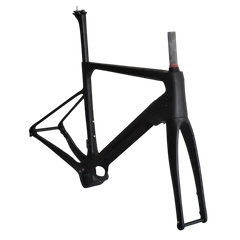
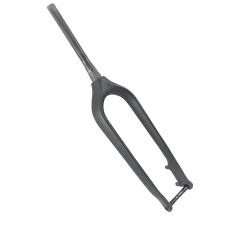
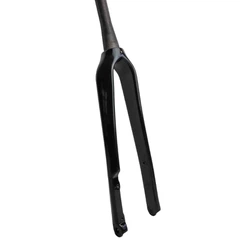
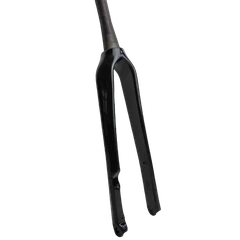
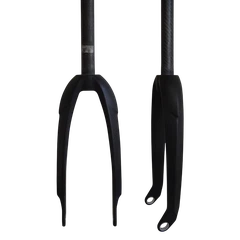
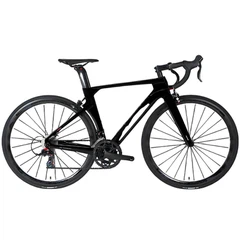
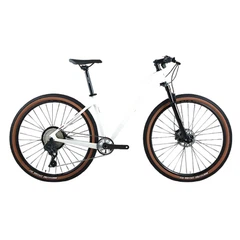
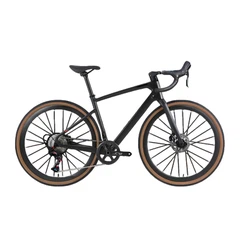
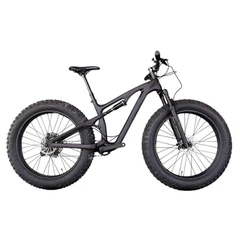
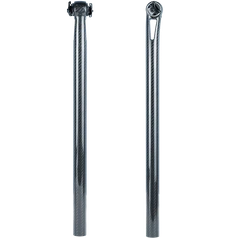
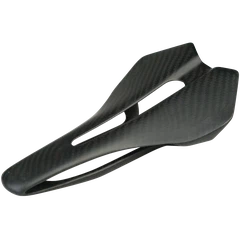
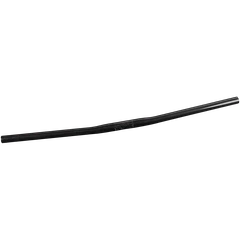

-Engineered with high-modulus carbon fiber for exceptional stiffness-to-weight ratio, our handlebars deliver precise handling and all-day comfort.

Carbon Handlebars Manufacturer in China
Carbon fiber bicycle handlebars are made from carbon fiber composite materials, offering advantages such as lightweight, high strength, and customization flexibility. The moldability of carbon fiber allows handlebars to be designed with ergonomic or aerodynamic shapes, improving handling performance and overall riding efficiency. While ensuring top-level performance, carbon handlebars can also feature unique woven textures and visual designs, making your bike truly stand out. Our carbon handlebars have undergone rigorous testing and are trusted by bike shops and partners worldwide.
At Carbon World, we offer custom carbon fiber handlebars tailored to your specific requirements. Whether it’s color, height, width, or reach, we can design handlebars tailored to the intended application and the unique needs of each customer.
Different Types of Carbon Fiber Bicycle Handlebars
Different Types of Carbon Fiber Bicycle Handlebars

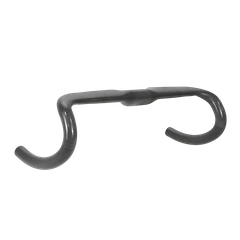
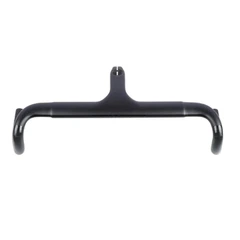
Carbon Handlebars Road
Send Inquiry Now

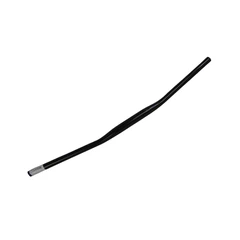
Carbon Fiber MTB Handlebars
Send Inquiry Now

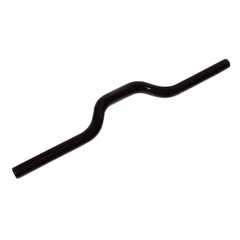
Carbon Fiber BMX Handlebars
Send Inquiry Now

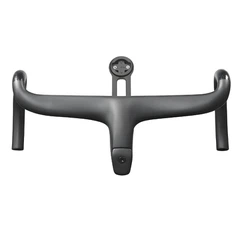
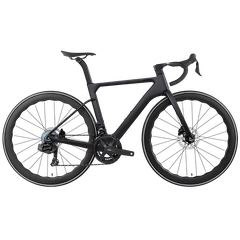
Carbon Gravel Handlebars
Send Inquiry Now
Who Are These Carbon Handlebar For?
How Our Carbon Handlebars Are Built
1. Material Selection
We use high-performance carbon fiber materials such as Toray T700, T800, and T1000—widely trusted in the aerospace and high-end sports industries. These fibers offer an outstanding strength-to-weight ratio, fatigue resistance, and vibration damping, making them ideal for demanding riding conditions.
2. Precision Cutting & Fiber Orientation
Prepreg carbon sheets are accurately cut using CAD patterns. Fiber orientation is tailored to specific application needs: longitudinal layers enhance stiffness, while angled layers improve compliance and comfort—striking a balance between control and ride quality.
3. Manual Layup Process
Skilled technicians hand-lay each carbon fiber layer into steel molds. Layup configurations are customized based on the handlebar model to optimize stiffness or flexibility in critical areas, ensuring each product delivers its intended ride characteristics.
4. High-Temperature Compression Molding
The layup is cured under controlled high temperature and pressure. This process ensures thorough resin flow, eliminates air pockets, and results in a dense, void-free internal structure that enhances strength and durability.
5. Precision Finishing & Surface Treatment
After curing, each handlebar undergoes CNC machining for accurate drilling and trimming. A UV-protective coating (matte or glossy) is then applied. Custom colors, textures, and branding options are available for OEM and private label clients.
6. Rigorous Quality Testing
Every handlebar is subjected to fatigue and destructive testing to meet EN, ISO, or specific customer standards. This ensures consistent quality, long-term safety, and performance in real-world conditions.

Performance Tests of Carbon Fiber Handlebars
Carbon fiber handlebars must undergo rigorous performance and safety testing. Two of the most critical assessments are impact testing and fatigue testing.

1. Impact Test
This test simulates sudden impacts that may occur during cycling, such as crashes, collisions, or unexpected falls. During this test, a weight of a specified mass is dropped vertically from a specified height onto the handlebar to observe whether cracks, delamination, or permanent deformation occur. Only handlebars that effectively absorb and dissipate impact energy without sustaining structural damage pass this test.
2. Fatigue Test
Compared to instantaneous impacts, handlebars are more often subjected to continuous, repetitive loads during everyday riding. Fatigue testing applies millions of cyclic loads to handlebars under simulated cycling conditions to verify their structural stability over long-term use. High-quality carbon fiber handlebars effectively resist material fatigue and microcrack propagation, ensuring consistent performance and safety over extended riding.
Application Scenarios of Carbon Handlebars
Road Bikes: The lightweight nature of carbon fiber handlebars—approximately 30% to 40% lighter than aluminum—enhances climbing and sprinting performance. Their increased stiffness (about 15% to 20% more) ensures more efficient power transfer, minimizing energy loss and maximizing speed and responsiveness.
Mountain Bikes: Carbon handlebars offer excellent impact resistance and structural strength, ideal for handling rough terrains and technical trails. High-end models further optimize fiber layering to balance weight and torsional stiffness, improving bike control and rider stability during aggressive descents and turns.
Performance-Oriented Bikes: The moldability of carbon fiber allows for aerodynamic handlebar shapes that reduce drag and improve riding efficiency. Custom designs can support wrist ergonomics, with adjusted backsweep and rise angles to reduce fatigue on long-distance rides—perfect for competitive cyclists and endurance riders.
Customization & Personal Fit: Carbon fiber’s tunability means you can tailor the stiffness, flexibility, and vibration damping by modifying the fiber layout and resin matrix. Whether you're a racer or a leisure rider, you can create a handlebar that matches your riding style, comfort preferences, and bike geometry.

How Wide Should Your Carbon Fiber Handlebars Be?
For Road Bikes: A general rule of thumb is to match the bar width to your shoulder joint width ±2 cm. Most riders feel comfortable with 40–44 cm widths. Narrower bars improve aerodynamics and are easier to maneuver through traffic, while wider bars can open the chest for better breathing during sprints or climbs.
For Mountain & Gravel Bikes: Wider bars (typically 700–800 mm) offer more leverage and stability over rough terrain. However, the ideal width depends on your riding style, bike geometry (head tube angle, stem length), and physical size. A shorter rider using 800 mm bars may struggle with posture and control, whereas a taller rider may benefit from the extra width.
Customization Tip: One major advantage of carbon fiber flat bars is that they can often be trimmed to fit. Always check manufacturer guidelines before cutting.

Carbon Fiber Handlebars vs Aluminium Handlebars and Steel Handlebars
|
Feature |
Carbon Fiber Handlebars |
Aluminum Handlebars |
Steel Handlebars |
|
Weight |
Extremely light |
Moderate to light |
Very heavy |
|
Stiffness |
High, excellent power transfer |
Moderate |
Low, more flexible |
|
Vibration Damping |
Excellent for comfort |
Poor, transmits road buzz |
Good shock absorption |
|
Strength |
High, suitable for off-road |
Moderate, prone to fatigue |
Very high |
|
Corrosion Resistance |
Excellent |
Excellent |
Poor, prone to rust |
|
Shape Customization |
Great for aero/ergonomic shapes |
Limited |
Very limited |
|
Price |
High |
Moderate |
Low |
OEM / Private Label Service
Carbon World offers comprehensive OEM and private label services. With over two decades of experience in carbon fiber manufacturing, we are your trusted partner for high-quality OEM solutions. Enhance your brand image with innovative, durable, and stylish handlebars. From material selection, fiber layup pattern, and surface texture to color, logos, and packaging, every detail can be customized to your specifications. Our carbon fiber products undergo rigorous testing and quality control processes to ensure consistent performance and safety. All products comply with international standards such as EN and ISO.

FAQ
Q: Are carbon fiber handlebars safe?
A: Yes, they are. Our carbon fiber handlebars undergo rigorous testing, such as impact and fatigue testing, to ensure they meet international safety standards. As long as they are properly installed and inspected regularly, they can be used with confidence.
Q: Can I install them myself?
A: If you have some knowledge of bicycles and have the tools ready, you can install them yourself. However, it is recommended to consult a professional to avoid problems caused by improper installation and ensure safety and performance.
Q: Are carbon fiber handlebars truly effective?
A: Excellent. Compared to aluminum alloy, carbon fiber handlebars are lighter, making the overall bike 30% to 40% lighter, making them easier to ride. They also absorb road vibrations for a more comfortable ride, while providing increased rigidity and more efficient pedaling. Furthermore, custom shapes and colors are available, ensuring a balance of performance and personalization.
Q: Do you offer OEM or private label services?
A: Of course. We can customize everything from materials, design, and packaging to create your own unique brand. Contact us for a mutually beneficial partnership.
Leading carbon handlebars manufacturer and supplier in China, specializing in high-quality carbon fiber products with OEM/ODM services. Our factory offers carbon bike rims, fairings, and custom carbon fiber solutions for sports, automotive, and industrial use. Contact us for a quote.
