

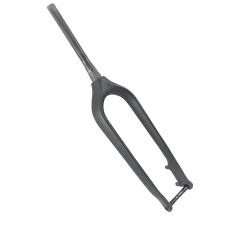
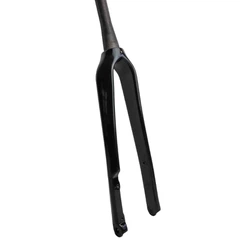
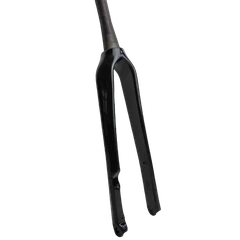
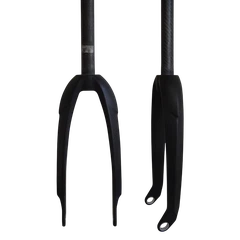


•Precision composite structure engineered for controlled load behavior
•Calibrated stiffness configurations to support different activity demands
•Drawing-based specification customization for OEM and private-label projects
•Stable and repeatable batch production for global distributors and clinical suppliers

What Is a Carbon Fiber Prosthetic Foot?
A carbon fiber prosthetic foot is a structural lower-limb component designed for controlled load transfer and forward rollover. It uses layered carbon composites that flex under weight and provide energy response through blade deflection.
Performance depends on fiber orientation, stiffness grading, thickness control, and overall geometry, which determine how the foot behaves under repeated loading.
Types of Carbon Fiber Prosthetic Feet

Carbon Fiber Prosthetic Foot
•Material: Carbon fiber
•Load weight: 100-125kg
•NO range: 21-27cm
Send Inquiry Now

Carbon Fiber Prosthetic Feet
•Material: Carbon fiber
•Height: 8cm
•Weight: 240g
•Load weight: 100-125kg
•NO range: 21-27cm
Send Inquiry Now

Carbon Prosthetic Foot
•Material: Carbon fiber
•Height: 8cm
•Weight: 240g
•Load weight: 100-125kg
•NO range: 22-27cm
Send Inquiry Now

Carbon Prosthetic Feet
•Material: Carbon fiber
•Height: 19.5cm
•Weight: 360g
•Load weight: 100-125kg
•NO range: 21-27cm
Send Inquiry Now
Structural Design of a High-Quality Carbon Fiber Foot
Carbon Blade Architecture
A high-quality carbon fiber foot is built around a layered blade structure. The carbon plates are shaped to allow controlled flex under load while maintaining overall stability.
Fiber Layup Orientation
The direction of the carbon fibers affects stiffness and deflection. Longitudinal layers support forward load, while angled layers help manage torsional stress.
Heel and Toe Response Design
Heel thickness and toe spring are carefully tuned.
This controls shock absorption at heel strike and a smooth transition at push-off.
Load Distribution and Thickness Control
Gradual thickness variation across the carbon prosthetic foot helps distribute stress evenly. This reduces fatigue concentration and supports long-term structural durability under repeated loading cycles.


Key Benefits of Carbon Fiber Prosthetic Feet
Lightweight Structural Design: Carbon fiber offers a high strength-to-weight ratio. This allows a carbon fiber prosthetic foot to maintain structural integrity while keeping overall component mass low. Reduced weight supports better system balance and lowers stress on adapters, pylons, and connectors within the assembly.
Controlled Energy Return: The layered blade structure flexes under load and releases stored energy during rollover. This response is driven by fiber orientation and stiffness grading rather than mechanical joints or springs. The result is a predictable deflection profile across repeated loading cycles.
High Fatigue Resistance: Carbon fiber prosthetic feet are engineered to withstand continuous cyclic loading. Proper layup design distributes stress along the blade, reducing concentration points that may lead to early fatigue.
Long-Term Structural Consistency: Carbon composites maintain stable stiffness characteristics under normal operating conditions, supporting consistent mechanical behavior over extended clinical use.
Carbon Fiber Prosthetic Foot vs Aluminum Prosthetic Foot
| Feature | Carbon Fiber Prosthetic Foot | Aluminum Prosthetic Foot |
| Weight | Lightweight with a high strength-to-weight ratio | Heavier for a similar load capacity |
| Energy Response | Blade-based flex stores and releases energy | Limited natural energy return |
| Fatigue Resistance | High durability under repeated cycles | May deform or fatigue over time |
| Structural Behavior | Controlled deflection through fiber layup | Relies on mechanical rigidity |
| Long-Term Stability | Maintains stiffness consistency | May lose alignment after impact |
How to Choose the Right Carbon Prosthetic Foot for Your Patients or Market
Match Activity Classification
Begin with mobility level.
Lower activity categories require controlled rollover and higher stability.
Higher activity categories demand stronger energy return and fatigue resistance under repeated dynamic loading.
Confirm Weight Range and Load Rating
Each carbon prosthetic foot is designed for a specific weight class.
Check the maximum user weight and safety margin. Incorrect load matching can change deflection behavior and shorten service life.
Review Build Height and Alignment Space
Foot height affects overall prosthetic assembly length.
Ensure sufficient clearance for pylons, adapters, and cosmetic covers. Limited build space may restrict component selection.
Assess Stiffness Grading Options
Different stiffness grades allow better load distribution.
Consistent stiffness calibration improves repeatable performance across product batches.
Check Interface Compatibility
Verify pyramid adapters, bolt patterns, and connection standards.
Mechanical compatibility reduces fitting adjustments and inventory complications.
Consider Market Segment Positioning
For rehabilitation centers, focus on durability and predictable structure.
For high-activity users, prioritize dynamic carbon fiber foot designs with proven fatigue stability.

Who We Supply To
Medical Device Distributors
We supply carbon fiber prosthetic feet for medical device distributors who need stable product categories, consistent quality, and reliable batch supply. Our structured model options help distributors reduce inventory complexity and support different market needs.
OEM / Private-Label Brands
We support OEM and private-label prosthetic foot projects based on customer drawings, stiffness targets, interface requirements, and brand positioning. From sample validation to batch production, we help brands develop reliable carbon fiber prosthetic product lines.
Prosthetic Component Suppliers
For suppliers of prosthetic and orthotic components, we provide carbon fiber prosthetic feet with customizable specifications, stable load categories, and repeatable production quality. Products can be adjusted according to size range, stiffness grade, adapter interface, and packaging requirements.

Carbon Fiber Prosthetic Feet Manufacturing and Quality Standards
Controlled Carbon Layup Process
Carbon fiber prosthetic feet are built using layered composite sheets.
Fiber orientation, layer count, and thickness must follow predefined structural calculations. Even small deviations can change stiffness and load distribution.
Mold Precision and Curing Stability
High-quality molds ensure accurate geometry and repeatable shape.
Curing temperature and pressure must remain stable throughout the cycle to prevent voids or internal stress variations.
Mechanical Testing and Fatigue Verification
Each carbon prosthetic foot design should undergo load simulation and fatigue cycle testing.
Testing typically includes:
Static load validation
Cyclic fatigue resistance
Deflection consistency checks
Traceability and Documentation
Batch control and material traceability support long-term quality monitoring.
Clear documentation helps ensure every carbon fiber foot meets defined structural and safety requirements before release.
Custom Carbon Fiber Prosthetic Foot Development for OEM Partners
For OEM partners, developing a carbon fiber prosthetic foot requires structured collaboration and controlled engineering steps. The goal is to align structural performance with your brand positioning and target market.
Development usually begins with technical requirement confirmation. This includes activity level range, weight categories, build height limits, and connection interface standards.
Next comes structural design and sample validation. Carbon fiber layup schedules, stiffness grading, and blade geometry are adjusted based on load simulation results.
Prototype samples are tested for deflection consistency and fatigue performance.
OEM customization options may include:
Stiffness category differentiation
Surface finish or branding integration
Adapter interface modification
Clear documentation and repeatable production processes ensure that each carbon prosthetic foot matches approved specifications across batch production.


Why Choose Carbon Fiber Prosthetic Foot from Carbon World
Stable Production Capacity
Carbon World supports scalable production planning.
Small validation batches and larger follow-up orders can be arranged within controlled lead times. This helps distributors and OEM brands manage inventory risk more efficiently.
Clear Communication Process
Technical drawings, stiffness grading, and approval samples are documented before mass production.
This reduces misunderstandings and minimizes revision cycles.
Flexible Order Structure
We support:
Multi-stiffness category production
Batch differentiation for regional markets
Private labeling without disrupting core specifications
Long-Term Supply Reliability
Material sourcing and process control are standardized to reduce performance variation across batches.
For B2B partners, consistency is often more important than rapid expansion.
Carbon World focuses on practical collaboration, predictable delivery, and structured production support for carbon prosthetic foot projects.
FAQ
Q: How long does a carbon fiber prosthetic foot typically last?
A: Service life depends on activity level, load category, and environmental conditions. Properly matched carbon fiber prosthetic feet are designed to withstand repeated loading cycles within their specified weight and usage range.
Q: Can stiffness be customized for different markets?
A: Yes. A carbon prosthetic foot can be developed in multiple stiffness categories based on weight classes and activity levels. This helps distributors offer structured product tiers without changing core geometry.
Q: Is sample testing available before large orders?
A: Sample units can be evaluated for mechanical fit and stiffness confirmation before mass production. This helps reduce adjustment cycles during full-scale supply.
Q: Is there a minimum order quantity (MOQ)?
A: MOQ varies by model and customization scope. Standard configurations typically allow lower minimum quantities compared to fully customized carbon prosthetic foot designs.
Q: How is product consistency maintained across batches?
A: Consistency is controlled through predefined layup schedules, mold control, and standardized curing parameters. Batch records and traceability systems help monitor variation between production cycles.
Q: How is noise or vibration controlled in carbon fiber prosthetic feet?
A: Vibration characteristics depend on layup balance and heel design. Some models incorporate structural damping through layered orientation rather than external cushioning materials.


Leading carbon fiber prosthetic foot manufacturer and supplier in China, specializing in high-quality carbon fiber products with OEM/ODM services. Our factory offers carbon bike rims, fairings, and custom carbon fiber solutions for sports, automotive, and industrial use. Contact us for a quote.
