

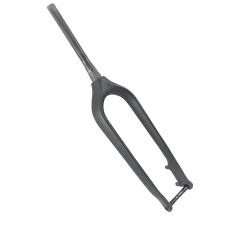
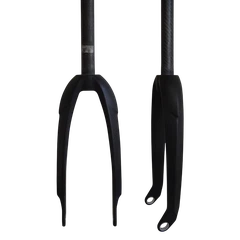


Carbon Fiber Prosthesis
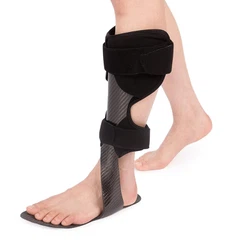
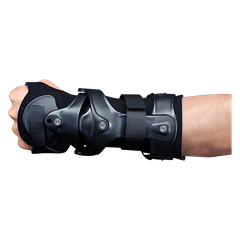
Carbon fiber prosthetic are high-performance prostheses made from advanced carbon composite materials used to replace missing legs, feet, arms, or hands. They are designed for durability, lightweight strength, and natural mobility. Unlike traditional heavy metal or plastic prostheses, carbon fiber prostheses utilize aerospace-grade composites with an excellent strength-to-weight ratio and dynamic flexibility, making them ideal for athletes, sportspeople, and individuals undergoing medical rehabilitation.
Carbon fiber prosthetic limbs are designed with unidirectional carbon fiber layup to provide precise stiffness and shock absorption where it's needed most. Whether it's a carbon fiber leg, a carbon fiber prosthetic foot, or a carbon fiber prosthetic arm, these devices enable users to walk, run, lift, and function more naturally with reduced fatigue.
Carbon Fiber Prosthetic Parts in Different Parts
Carbon Fiber Prosthetic Leg

Carbon Fiber Prosthetic Leg
•Model: DZME01388054194078
•Material: Carbon fiber
•Type: Prosthetic Leg
•Color: Multicolor
•Body Area: Leg
Send Inquiry Now

Carbon Fiber Leg Prosthetic
•Model: DZME01ST&G-391A
•Material: Carbon fiber
•Type: Knee
•Body Area: Knee
Send Inquiry Now

Carbon Fiber Prosthetic Leg
•Model: DZME01KNEES-CAT
•Material: Carbon fiber
•Type: Legs
•Body Area: Knee, Leg
•Feet Size: 22
Send Inquiry Now
Carbon Fiber Prosthetic Foot

Carbon Fiber Prosthetic Foot
•Model: DZME01ASC1-TI
•Material: Carbon fiber+Ti
•Color: Black
•Load Weight: Custom-made
•Size: 22-27cm
•Weight: 450-800g
Send Inquiry Now
All carbon fiber prostheses are 100% customizable. If your preferred specification is not listed, please feel free to contact Carbon World with your special requirements.
Why Choose Our Carbon Fiber Prosthetic Solutions
When choosing reliable, high-performance carbon fiber prostheses, the right carbon fiber prosthesis manufacturer is not just about materials; it's about engineering trust, reliability, and performance built into every step. Carbon World carbon fiber prosthetic solutions are trusted by clinics, OEM brands, and prosthetic distributors around the world for their superior quality, innovative design, and proven performance in real-world applications.
We specialize in manufacturing carbon fiber prosthetic legs, feet, arms, and hands using aerospace-grade carbon composites and precision molding techniques. Each prosthetic component is engineered for strength, flexibility, and dynamic response-enabling natural gait patterns and reduced user fatigue. Whether you're sourcing for active users, athletes, or medical institutions, our carbon fiber prosthetic devices are optimized to meet a wide range of needs and weight classifications.

Key Advantages of Carbon Fiber Prosthetic Devices
Lightweight Yet Extremely Strong
50% Lighter Than Metal, Reduces fatigue for longer daily use
Impact-Resistant, Withstands heavy loads & sudden movements
Long-Lasting Durability
Fatigue-Resistant, No metal fatigue or plastic degradation
Weatherproof, Resists water, sweat & temperature extremes
Low Maintenance, No rusting or structural weakening over time
Customizable for Optimal Fit & Function
Patient-Specific Shaping Adapts to unique residual limb contours
Aesthetic Finishes, Natural-looking cosmetic options available
Clinically Proven Benefits
Faster Adaptation, Patients report shorter adjustment periods
Improved Comfort, reduced skin irritation & pressure points
Higher Patient Satisfaction, Documented in clinical studies
How Do Carbon Fiber Prosthetic Devices Compare to Other Prosthetic Materials?
|
Feature / Material |
Carbon Fiber |
Titanium |
Aluminum |
Thermoplastics |
|
Weight |
Ultra-lightweight |
Heavy |
Moderate |
Lightweight |
|
Strength-to-Weight Ratio |
Best-in-class |
Excellent |
Moderate |
Low |
|
Energy Return / Flexibility |
High energy return, ideal for foot/leg use |
Minimal flex |
Limited dynamic movement |
Poor dynamic response |
|
Fatigue & Corrosion Resistance |
Extremely durable & corrosion-resistant |
Strong but prone to fatigue |
Fatigue over time, corrosion risk |
Prone to warping & wear |
|
Customization Possibility |
Stiffness & thickness are adjustable by layer design |
Limited structural customization |
Basic machining only |
Low structural control |
|
Customization Possibility |
5–8 years or more |
3–5 years |
1–3 years |
<2 years |
|
Ideal For |
High-performance, active users, premium OEM brands |
Durable use, heavy-duty prosthetics |
Cost-effective basic models |
Temporary/low-cost prosthetics |
Why Carbon Fiber Is Used in Modern Prosthetics
Carbon fiber has become a key material in modern prosthetic design because it combines strength, light weight, and durability in a way few materials can match.
One of its main advantages is the high strength-to-weight ratio. Prosthetic components must support body weight and repeated movement every day. At the same time, they need to stay as light as possible to reduce user fatigue. Carbon fiber allows engineers to achieve both.
Another important factor is energy return. In components such as prosthetic feet, carbon fiber can store and release energy during walking. This helps create a smoother, more natural gait and may improve overall comfort for the user.
Carbon fiber also performs well under repeated stress. With proper layup design and reinforcement in high-load areas, it offers strong fatigue resistance over long-term use.
Finally, carbon fiber can be precisely shaped and layered. This flexibility allows manufacturers to fine-tune stiffness, strength, and performance for different prosthetic applications.


Carbon Fiber Prosthesis Manufacturing Technology
Material Selection: Unidirectional Carbon Fiber (UD) Prepreg
Carbon World prosthetic components are built using high-modulus UD carbon fiber prepregs, offering an exceptional stiffness-to-weight ratio. This material allows fine control of flex zones, structural integrity, and vibration dampening across different prosthetic types-legs, feet, arms, and hands.
Precision Layup and Molding Process
Each carbon fiber prosthetic device is layered with multiple directional weaves to match the biomechanical demands of the intended limb. The fibers are carefully aligned in CNC-cut molds, ensuring uniformity in stiffness, energy return, and fatigue resistance.
CNC Machining and Interface Optimization
Critical contact points-such as pyramid adapters, mounting threads, and quick-release connections- are CNC-machined for exact tolerances. This guarantees compatibility with mainstream modular prosthetic systems and long-term alignment stability under continuous use.
Post-Curing and Finish Treatments
After forming, each carbon fiber prosthesis is post-cured in temperature-controlled ovens to ensure full resin crosslinking, enhancing strength and fatigue life. Surface finishing includes optional clear-coat, matte texture, or gloss carbon wrap, allowing aesthetic customization without compromising performance.
In-House Testing and Quality Control
All devices undergo static and dynamic load testing per ISO 10328 and ISO 13485 protocols. We simulate real-world gait cycles, pressure points, and impact forces to validate fatigue resistance and long-term reliability.
How to Maintain and Care for Carbon Fiber Prosthetic Limbs?
1. Daily Cleaning and Inspection
2. Protect the Connector and Interface Area
3. Storage and Environmental Considerations
4. Periodic Professional Check-Ups
5. Usage Tips to Extend Lifespan
Use designated protective sleeves or guards during sports or rugged activities.
For carbon fiber prosthetic feet, avoid walking barefoot outdoors or on uneven terrain unless properly shod.
By following these simple but effective care practices, users and caregivers can significantly extend the functional life of any carbon fiber prosthetic device, protecting both mobility and investment.

FAQ
Q: Are carbon fiber prosthetic components strong enough for daily use?
A: Yes. When properly engineered and tested, carbon fiber components are designed to handle repeated loading during walking and other daily activities. Reinforced stress areas and controlled layup design help ensure long-term structural reliability.
Q: Why is weight so important in prosthetic design?
A: Every extra gram affects comfort and energy use. Lighter components can reduce fatigue over long periods of movement. This is especially important for lower-limb prosthetics, where reduced weight can improve overall mobility.
Q: How durable is carbon fiber compared to metal?
A: Carbon fiber offers strong fatigue resistance when designed correctly. Unlike some metals, it does not corrode. However, long-term durability depends on design quality, material grade, and proper manufacturing control.
Q: Can carbon fiber prosthetic parts be customized?
A: Yes. Carbon fiber can be molded and layered to meet different stiffness, strength, and shape requirements. This makes it suitable for OEM production and specialized prosthetic component development.
Q: What should OEM buyers look for in a supplier?
A: Buyers should review manufacturing experience, testing capability, material traceability, and quality control procedures. Clear communication during prototype development is also essential for achieving performance targets.
Q: Are carbon fiber prosthetic components biocompatible?
A: Carbon fiber itself is usually used as a structural material rather than a direct skin-contact material. In most prosthetic designs, outer layers or liners provide skin protection. Proper sealing and surface finishing help ensure safe and stable use within medical assemblies.
Q: What should be checked during quality control?
A: Key factors include fiber orientation, resin consistency, dimensional tolerance, and surface integrity. Proper inspection ensures performance stability and structural safety over time.


Leading carbon fiber prosthesis manufacturer and supplier in China, specializing in high-quality carbon fiber products with OEM/ODM services. Our factory offers carbon bike rims, fairings, and custom carbon fiber solutions for sports, automotive, and industrial use. Contact us for a quote.
