

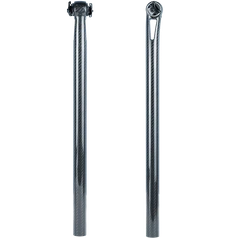
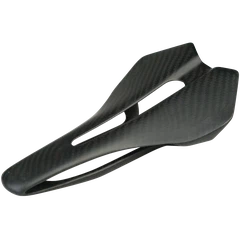
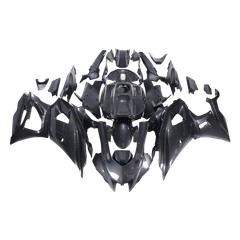
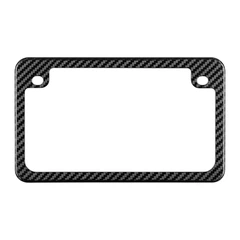
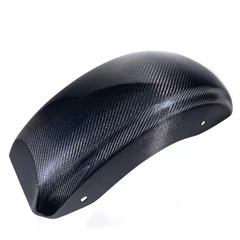
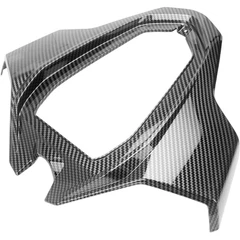
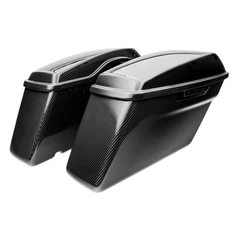
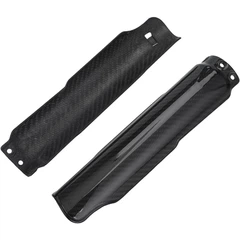
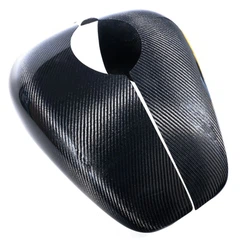
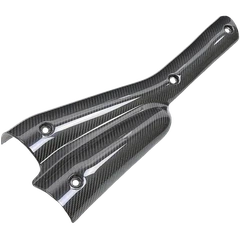
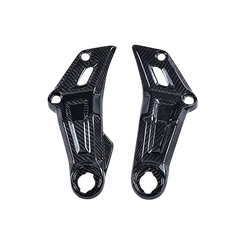
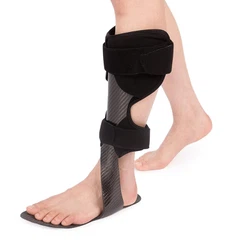
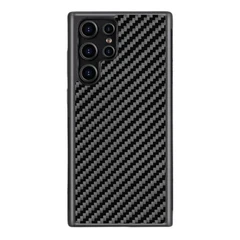
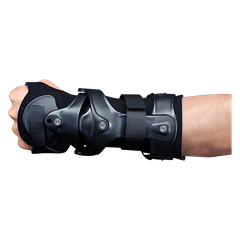

-OEM/ODM support for material selection, layup design, interface details, and surface treatment
-Project-based production, inspection records, packaging, and delivery support

Carbon Fiber Solutions for Wind Energy Projects
We support full blade manufacturing for onshore and offshore wind projects, based on customer drawings, structural requirements, validation standards, and delivery plans.
Carbon Fiber Spar Cap
Spar caps are used in the main load-bearing area of the blade, helping improve stiffness-to-weight performance while supporting longer blade designs.
Shear Web
Shear webs transfer loads inside the blade and improve structural stiffness. We can produce shear web structures or reinforcements according to project drawings.
Root Reinforcement
Root reinforcement parts strengthen the blade root area, where high loads are transferred to the hub connection.
Leading-Edge / Trailing-Edge Structures
These carbon composite parts support blade shape, edge stability, bonding performance, and optional surface protection requirements.
Segmented Blade Joint Interfaces
For projects with transport or installation limits, we can provide segmented blade joint interfaces and bonded assembly parts.
OEM/ODM Customization
Custom options include material selection, layup design, component structure, interface details, surface treatment, packaging, and labeling.
Features of Carbon Fiber Wind Turbine Blades
Lightweighting: Carbon fiber possesses a density approximately one-quarter that of steel and about 70% that of glass fiber, allowing for a significant reduction in blade weight. For instance, for blades of identical dimensions, substituting carbon fiber for glass fiber can result in a weight reduction of 20%–30%.
High Strength and Stiffness: Carbon fiber exhibits a tensile strength more than four times that of aluminum alloys and six to eight times that of iron; furthermore, its elastic modulus is three to eight times higher than that of glass fiber, enabling effective control over deformation in large blades and mitigating the risk of tower strikes or sweeps.
Excellent Fatigue Performance: Capable of withstanding cyclic loads for over 25 years, thereby extending the operational lifespan of the blades and reducing maintenance costs.
Strong Corrosion Resistance: Well-suited for harsh environments—such as offshore locations, high-altitude plateaus, and regions with high humidity—thereby enhancing the overall durability of the blade.
High Design Versatility: Mechanical properties can be optimized to meet specific aerodynamic and structural requirements, facilitating the realization of complex designs involving variable cross-sections and variable stiffness.
Conductivity Aids Lightning Protection: As carbon fiber is inherently electrically conductive, its integration—combined with sound design principles—can significantly enhance the blade's resistance to lightning strikes.

Why Choose Carbon Fiber Material for Wind Turbine Blades
Types of Carbon Fiber Used
Not all carbon fibers are the same. Different grades offer varying levels of strength and stiffness. Popular choices for wind turbine blades include Toray's T700, T800, T1000, and T1200 fibers.
Strength-to-Weight Advantage
One of the biggest reasons to choose carbon fiber for wind turbine blades is its exceptional strength-to-weight ratio. Carbon fiber is significantly stronger than steel of the same weight, yet significantly lighter than fiberglass. This means blades can be made longer without becoming excessively heavy, allowing turbines to capture more wind energy and generate more electricity.
Durability in Harsh Conditions
Wind turbines face constant stress from fluctuating wind speeds, humidity, and temperature. Carbon fiber composites are better able to handle these challenges than many other materials. They are resistant to fatigue (the gradual weakening of materials under repeated stress) and are less susceptible to cracking or deformation over time.
Efficiency and Energy Output
Lighter blades are easier to rotate, especially in low wind speeds. This helps improve the turbine's overall efficiency and power output. The reduced weight also reduces loads on the tower and gearbox, extending the life of the entire system and reducing maintenance costs.
Future-Proof Technology
As wind farms grow toward larger and offshore turbines, materials that combine strength and lightweighting are crucial. Carbon fiber makes it possible to create blades that meet these new demands without sacrificing performance. For companies looking to maximize energy production while controlling long-term costs, carbon fiber is a material that can achieve both goals simultaneously.

Carbon Fiber vs Fiberglass Wind Turbine Blades
| Feature | Carbon Fiber | Fiberglass |
| Weight | Lighter | Heavier |
| Stiffness | Very high stiffness | Moderate stiffness |
| Strength-to-Weight Ratio | Excellent | Good |
| Fatigue Resistance | Superior long-term fatigue performance | Lower fatigue resistance |
| Corrosion Resistance | Excellent | Excellent |
| Surface Appearance | Premium woven texture | More industrial appearance |
| Cost | Higher | Lower |
| Structural Performance | Suitable for high-load and lightweight applications | Suitable for cost-sensitive applications |
| Common Applications | Wind turbine blades, aerospace, medical devices, sports equipment | Boat hulls, industrial panels, basic composite structures |
Carbon World's Advanced Wind Turbine Blades Carbon Fiber Technology
Precision Manufacturing Process
Carbon World uses advanced manufacturing methods to create strong and reliable carbon fiber wind turbine blades. Our process begins with carefully laid-up high-quality carbon fiber material. We control the orientation of each layer of carbon fiber to ensure the blades are both strong and lightweight.
Innovative Composite Technology
We use precision molding techniques to combine carbon fiber with specialized resins, creating a strong composite material that resists cracking and wear. Our technology reduces defects and improves the overall durability of the blade.
Quality Control and Testing
Each blade undergoes rigorous quality inspections during the production process. We test the blades for strength, flexibility, and fatigue resistance to ensure each blade meets high standards. This helps ensure the blades perform well in harsh weather and last for years.
Customized Solutions for Different Projects
Carbon World provides customized blades to meet the specific needs of each wind farm. Whether the wind turbine is onshore or offshore, we tailor the design and materials to the environmental conditions and performance targets.
Focusing on Efficiency and Sustainability
Our technology not only produces strong blades but also reduces waste and energy consumption during the production process. By improving manufacturing efficiency, Carbon World supports the development of greener wind energy projects around the world.

Application of Carbon Fiber Wind Turbine Blades
In offshore wind power applications, carbon fiber blades can significantly reduce overall weight while maintaining structural stability under strong wind loads. The reduced weight also lowers stress on the hub, nacelle, and tower structure, making them suitable for large offshore wind turbines.
In large onshore wind projects, carbon fiber supports ultra-long blade designs that improve wind energy capture efficiency. Its high stiffness also helps effectively control blade deflection during operation.
Under high-fatigue operating conditions with complex wind environments and frequent cyclic loading, carbon fiber blades provide excellent fatigue resistance, helping extend turbine service life and reduce maintenance frequency.

Cost and Performance Benefits of Carbon Fiber Wind Turbine Blades
Novel Low-Cost Carbon Fiber for Large-Scale Wind Turbine Manufacturing
Recent advances have made low-cost carbon fiber more accessible for wind turbine blades. New production methods reduce raw material costs without sacrificing quality. This makes it possible to produce large blades that are both strong and affordable.
Increased Compressive Strength and Long-Term Cost Savings
Carbon fiber blades have higher compressive strength than fiberglass, meaning they resist bending and breaking under pressure. This improves blade reliability and reduces damage caused by strong winds or storms. Over a 20-year lifespan, blades made with high-strength carbon fiber show up to 25% fewer repairs and lower maintenance costs.
|
Feature |
Carbon Fiber Blades |
Fiberglass Blades |
|
Weight |
30% lighter |
Heavier |
|
Annual Energy Output |
+5% |
Baseline |
|
Maintenance Costs |
20-30% lower |
Higher |
|
Lifespan |
25+ years |
20 years |
Real-World Example
A wind farm in Northern Europe upgraded its turbines with new carbon fiber blades using low-cost fibers. In the first three years, the farm saw a 6% increase in energy production and a 22% drop in blade maintenance expenses. This example highlights how new carbon fiber materials can boost both performance and cost savings for wind power projects.
FAQ
Q: What carbon fiber solutions do you provide for the wind power industry?
A: We provide complete wind turbine blades and carbon composite structural components, including spar caps, shear webs, root reinforcements, blade skins, leading-edge/trailing-edge structures, and segmented blade joint interfaces.
Q: Do you manufacture complete wind turbine blades?
A: Yes. We can support full wind turbine blade manufacturing for onshore and offshore wind power projects, based on customer drawings, structural requirements, validation standards, and delivery plans.
Q: Can you supply carbon fiber blade components separately?
A: Yes. In addition to complete blades, we can supply key carbon composite components as standalone parts, such as spar caps, shear webs, root reinforcement parts, and blade edge structures.
Q: What information is needed for a wind power project quotation?
A: For an accurate quotation, please provide blade or component drawings, material requirements, layup details if available, key interface dimensions, target quantity, project standards, delivery schedule, and packaging requirements.
Q: Do you support OEM/ODM customization?
A: Yes. We support OEM/ODM manufacturing for wind power projects. Custom options can include material selection, layup design, component structure, blade interface details, surface treatment, packaging, labeling, and project documentation.
Q: Can you support both onshore and offshore wind projects?
A: Yes. We can provide carbon fiber solutions for both onshore and offshore wind projects. The final material choice, structure, protection method, and delivery plan can be adjusted according to the project environment and engineering requirements.
Q: Can you provide segmented blade solutions?
A: Yes. For projects with transport limits or special site installation requirements, we can support segmented blade solutions, including segmented blade joint interfaces and bonded assembly parts.
Q: What quality control documents can you provide?
A: Depending on project requirements, we can provide material batch traceability, inspection records, dimensional reports for critical interfaces, in-process quality control records, final inspection summaries, and packing information.
Q: What is the difference between carbon fiber and fiberglass in wind blade applications?
A: Fiberglass is widely used because of its cost efficiency and mature processing. Carbon fiber is often selected for areas where lower weight, higher stiffness, and better load-bearing performance are required, such as spar caps and other critical structures.
Q: Can you provide packaging support for large blade components?
A: Yes. We can design packaging, protection points, labeling, and shipment support according to component size, transport method, and site receiving requirements to help reduce handling damage during delivery.
Leading wind turbine carbon fiber blades manufacturer and supplier in China, specializing in high-quality carbon fiber products with OEM/ODM services. Our factory offers carbon bike rims, fairings, and custom carbon fiber solutions for sports, automotive, and industrial use. Contact us for a quote.
