


What Is a Carbon Fiber Brace?
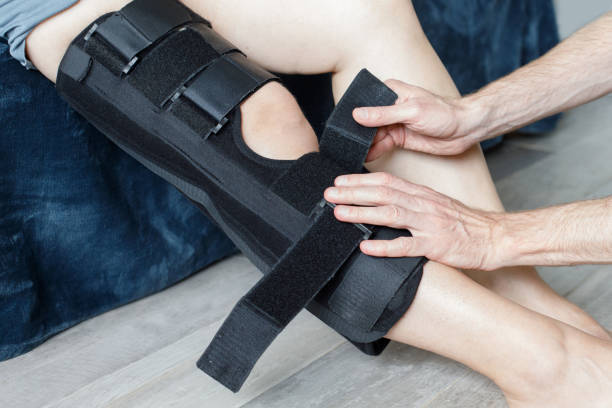
A carbon fiber brace is a revolutionary orthopedic device engineered from aerospace-grade carbon fiber composites. a lightweight, high-strength orthotic support device designed to assist individuals with mobility limitations, especially those suffering from conditions like foot drop, leg instability, or post-surgical weakness.
Types of Carbon Fiber Braces for Different Medical Needs
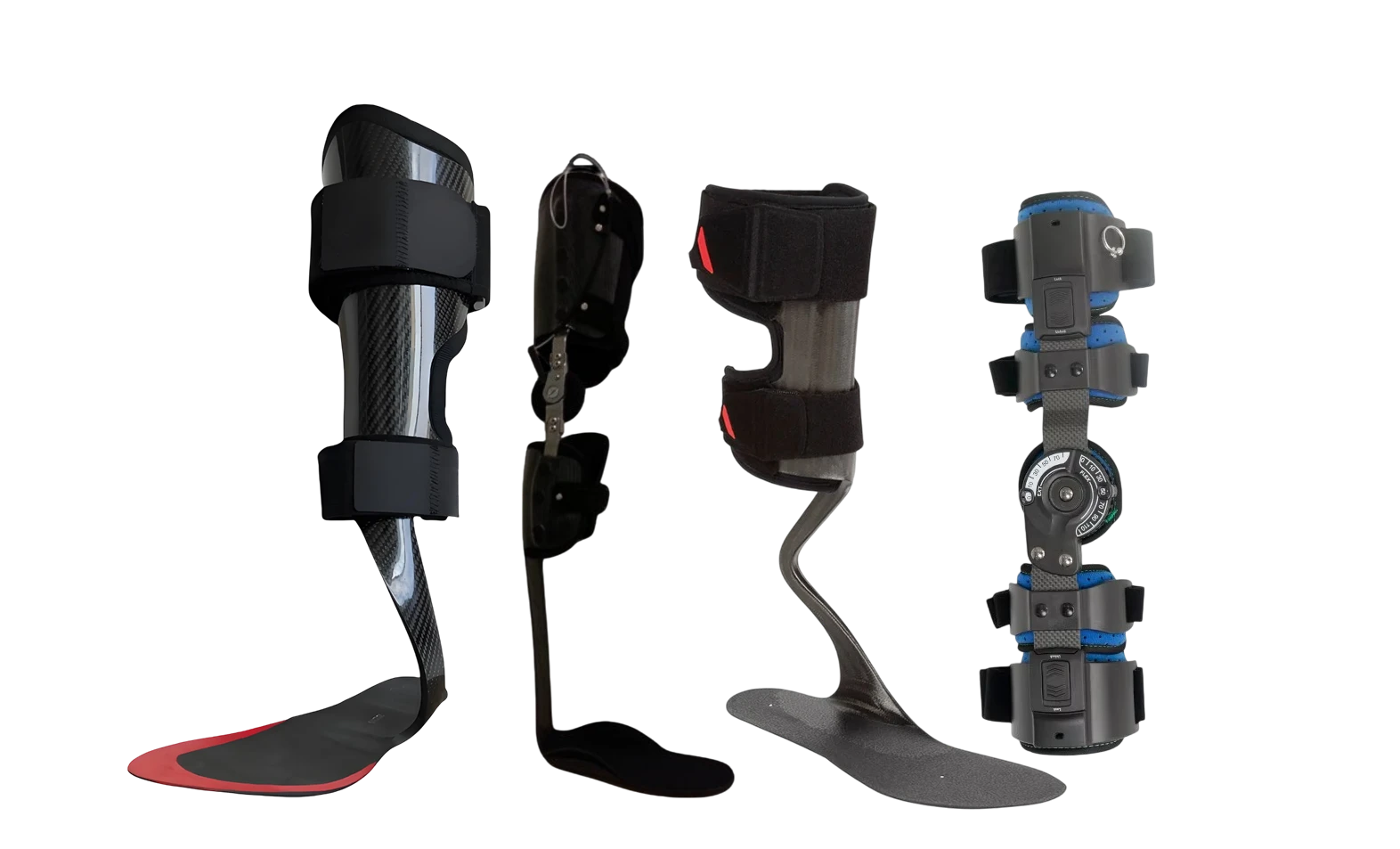
Carbon Fiber Foot Drop Brace

Carbon Fiber Foot Drop Braces
•Model: DZME02FTB28U24-36-39-L
•Material: Carbon fiber
•Sizes: EU sizes 36-39, 39-42, 42-45, and 45-48
Send Inquiry Now
Carbon Fiber Leg Brace
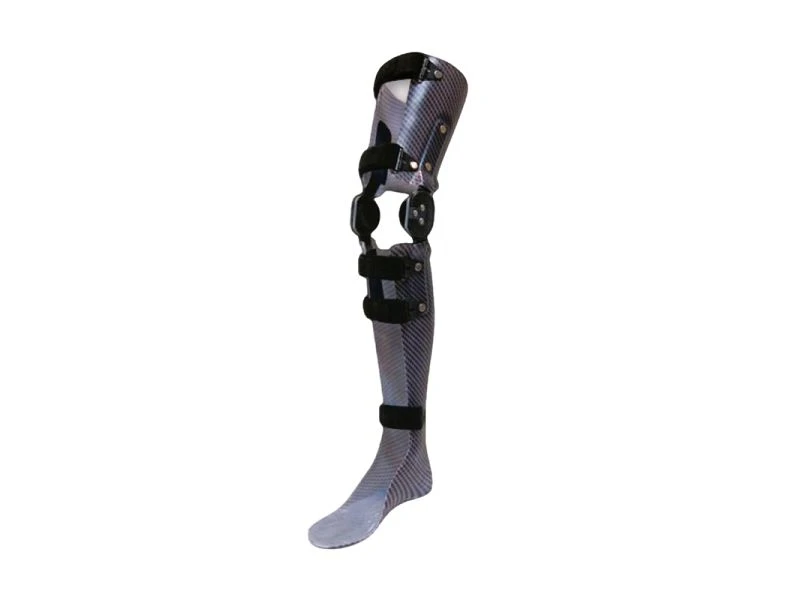
Carbon Fiber Leg Brace
•Model: DZME02KA3-6
•Material: Carbon fiber
Send Inquiry Now

Carbon Leg Brace
•Model: DZME02KA3-6/A
•Material: Carbon fiber
Send Inquiry Now
Carbon Fiber Ankle Brace

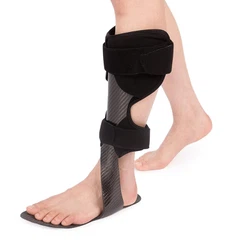
Carbon Fiber Ankle Foot Orthotic AFO Brace
•Model: DZME02F3
•Material: Carbon fiber
•Sizes: XS, S, M, L, XL
Send Inquiry Now

Carbon Fiber Ankle Brace
•Model: DZME02B09MGCQ6CW
•Material: Carbon fiber
•Size: S - Right (Men 4.5-7 / Women 6-8.5)
Send Inquiry Now
Carbon Fiber Wrist Brace

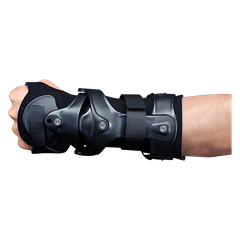
Carbon Fiber Wrist Brace
•Model: DZME02TJ-EM010
•Material: Carbon fiber, aluminum alloy, nylon cloth, binding, and so on
•Size: Universal size, adjustable length
Send Inquiry Now

M Carbon Fiber Wrist Brace
•Model: DZME02DJOGLOBAL
•Material: Carbon fiber
•Sizes: XS, S, M, L, XL
Send Inquiry Now
All carbon fiber braces are 100% customizable. If your preferred specification is not listed, please feel free to contact Carbon World with your special requirements.
Why Carbon Fiber Is Used in Medical Braces
Carbon fiber is widely used in medical braces because it offers strong support without adding unnecessary weight. A brace must stabilize part of the body while still allowing natural movement. Heavy materials can cause fatigue over time. Carbon fiber helps reduce that burden.
Another reason is stiffness control. By adjusting the fiber direction and layer thickness, manufacturers can fine-tune how much support a brace provides. This makes it suitable for different orthotic designs, from ankle support to spinal reinforcement.
Carbon fiber also performs well under repeated daily use. It resists long-term fatigue and does not corrode like metal.
In addition, it allows a thin profile. This helps create braces that feel less bulky under clothing while still delivering structural strength.


Materials and Technology Behind Our Carbon Fiber Braces
Aerospace-Grade Carbon Fiber as the Structural Core
Carbon World uses only high-tensile, aerospace-grade carbon fiber fabric as the core structural material. This ensures that each brace maintains exceptional load-bearing strength with minimal weight. Whether it's a carbon fiber AFO foot drop brace or a carbon fiber ankle brace, the rigidity of the carbon layers provides stability where it matters most-around the ankle, calf, or knee joints.
Unidirectional and Multidirectional Layup Configurations
Our carbon fiber layup process is tailored to each brace design. We strategically layer unidirectional (UD) carbon fibers for directional stiffness and combine them with multidirectional weaves in areas that require torsional flexibility.
Thermoplastic Composite Integration for Targeted Flex Zones
In many of our advanced models, we incorporate thermoplastic composites along with carbon fiber to create flexible hinge zones. These zones improve walking mechanics and reduce stress on pressure points, especially in carbon fiber AFO braces designed for drop foot correction. This combination of rigid and adaptive zones is ideal for long-term use across varying gait patterns.
Vacuum Compression Molding and CNC Precision Cutting
All of our carbon fiber orthotic braces are formed using vacuum compression molding, which eliminates voids and resin inconsistencies. This process ensures strength consistency across every unit. Once cured, the braces are finished with CNC-cut contours, allowing for millimeter-precise shaping to match anatomical curves.
Surface Finishing for Comfort and Aesthetic Durability
After structural processing, each brace undergoes surface smoothing and optional skin-safe coating. These finishes not only improve wearing comfort but also enhance resistance to sweat, abrasion, and environmental exposure, making our carbon fiber leg braces suitable for daily and clinical use.
Carbon Fiber Braces vs. Traditional Materials
|
Feature |
Carbon Fiber Brace |
Plastic Brace (e.g. PP, PE) |
Metal Brace (e.g., Aluminum, Steel |
|
Weight |
Extremely lightweight (60–70% lighter than metal) |
Moderate (light, but often bulky) |
Heavy can cause user fatigue |
|
Strength-to-Weight Ratio |
High tensile strength, ultra-durable |
Lower strength, may deform or crack |
Strong but heavy; susceptible to bending |
|
Comfort and Fit |
Anatomically contoured, low-profile design |
Often bulky, pa oor fit under clothing |
Rigid, uncomfortable for long wear |
|
Flexibility / Rebound |
Dynamic flex zones for energy return |
Too soft, lacks controlled rebound |
Overly rigid, no energy return |
|
Appearance |
Sleek, modern carbon weave aesthetic |
Dull plastic may discolor over time |
Industrial look, visually unappealing |
|
Durability Over Time |
Long-term use without deformation |
Wears down quickly with use |
Reasonable, but prone to rust or wear |
|
Clinical Effectiveness |
Supports better gait correction and comfort |
Suitable for basic support only |
Rigid support but not adaptive |
|
Cost-Effectiveness (Long-Term) |
Higher upfront, but better ROI over time |
Lower upfront, but short lifespan |
Higher maintenance/replacement costs |
|
Suitability for OEM/Branding |
Customizable shape, logo, packaging |
Somewhat customizable |
Limited in branding flexibility |
OEM & Custom Brace Manufacturing
Medical brace projects often require more than a standard part. Different brands and orthotic designs call for specific shapes, stiffness levels, and surface finishes. That is why OEM and custom manufacturing support is important.
We work with brace designers and medical device companies during the early development stage. This may include mold creation, prototype samples, and stiffness adjustments based on load requirements. Small changes in fiber orientation or thickness can make a clear difference in performance.
Custom options can include:
Tailored dimensions and geometry
Surface finish adjustments
Logo or branding integration
Clear communication is part of the process. From prototype to mass production, each step is reviewed to help ensure consistent quality and stable performance across production runs.

How to Maintain and Clean Your Carbon Fiber Orthotic Braces
Daily Cleaning and Hygiene Tips
To maintain hygiene, especially when braces are worn for long hours:
Use a soft, damp cloth with mild soap to wipe the brace's surface after daily use.
Avoid harsh cleaners, bleach, or alcohol-based solutions-they can damage the resin or topcoat.
For areas with Velcro straps or padding, remove detachable liners (if applicable) and hand-wash them with mild detergent. Allow to air dry fully before reattaching.
Always ensure the brace is completely dry before wearing it again to prevent skin irritation or bacterial buildup.
Regular Inspection for Wear and Safety
Although carbon fiber braces are highly durable, it's important to inspect them regularly:
Check for delamination, cracking, or surface splitting, especially around high-stress zones (like the ankle joint or calf cuff).
Ensure all straps, buckles, or closure systems remain functional and secure.
For braces with hinges or flex zones, verify that no excessive loosening or stiffness has developed.
Any signs of damage should be addressed promptly to prevent further structural failure or injury to users.
Storage and Handling Recommendations
When not in use, store the carbon fiber orthotic brace in a cool, dry environment away from direct sunlight or extreme heat. Prolonged UV exposure can degrade surface coatings and weaken adhesives.
Avoid placing heavy objects on the brace during storage to prevent deformation, especially for models with flexible zones or custom shaping.
FAQ
Q: Are carbon fiber braces lighter than traditional braces?
A: In most cases, yes. Carbon fiber offers high stiffness with less weight compared to many metal-based designs. This can help reduce fatigue during long periods of wear.
Q: Can carbon fiber braces be customized for different designs?
A: Yes. Thickness, shape, and stiffness can be adjusted during manufacturing. This allows brace manufacturers to develop products suited for different support levels and user needs.
Q: Is carbon fiber safe for medical brace structures?
A: Carbon fiber is commonly used as a structural component in orthotic and prosthetic devices. In most designs, additional lining materials are used to provide skin contact comfort and protection.
Q: How is stiffness controlled in a carbon fiber brace?
A: Stiffness is adjusted through fiber direction, layer count, and overall thickness. By changing how the fibers are laid, engineers can increase rigidity in one area while allowing slight flexibility in another.
Q: Can carbon fiber braces be made thinner without losing strength?
A: In many cases, yes. Carbon fiber has a high strength-to-weight ratio, which allows for slimmer designs compared to some traditional materials. Final thickness depends on load requirements and intended use.
Q: What quality checks are performed during production?
A: Typical checks include dimensional inspection, surface review, and curing control. Fiber placement and resin consistency are also monitored to help maintain structural stability.
Q: Can custom surface finishes be applied?
A: Yes. Surface texture, edge finishing, and coating options can be adjusted based on product design and branding needs.


Leading carbon fiber brace manufacturer and supplier in China, specializing in high-quality carbon fiber products with OEM/ODM services. Our factory offers carbon bike rims, fairings, and custom carbon fiber solutions for sports, automotive, and industrial use. Contact us for a quote.
