

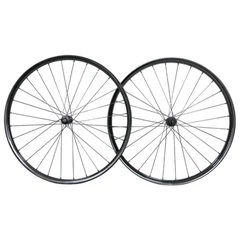
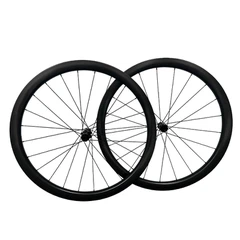
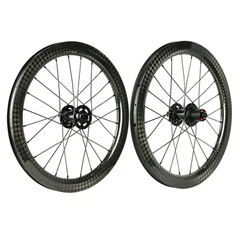
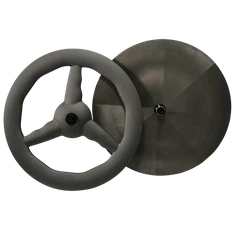
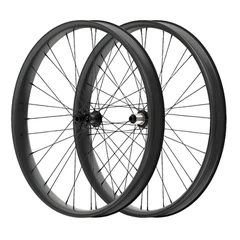
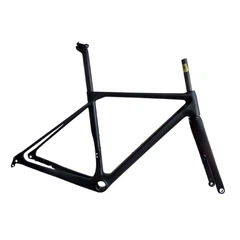
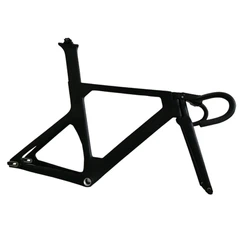
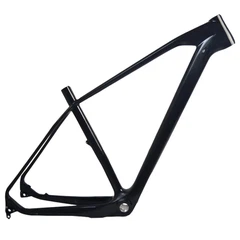
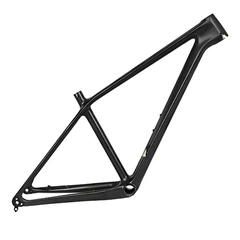
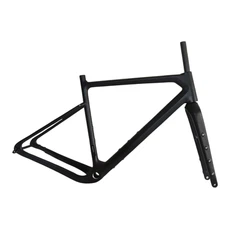
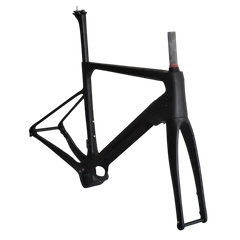
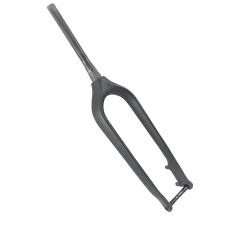
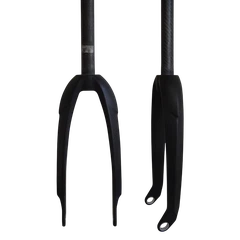
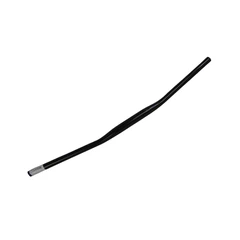
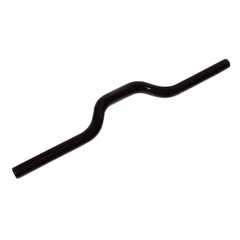
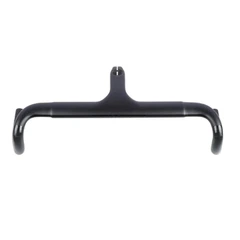
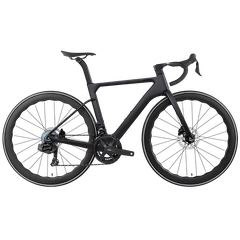
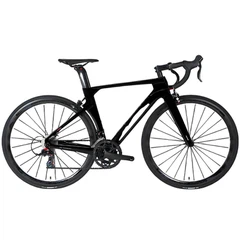
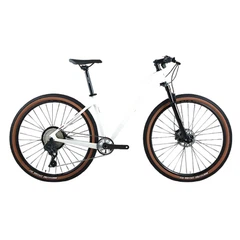
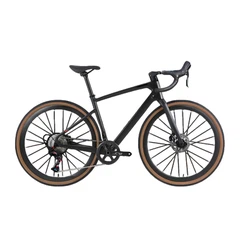
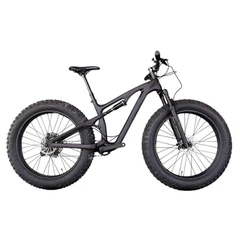
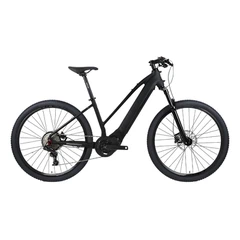
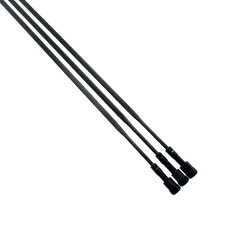
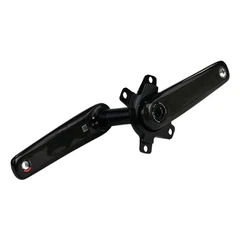
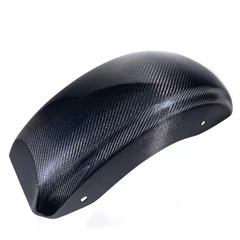
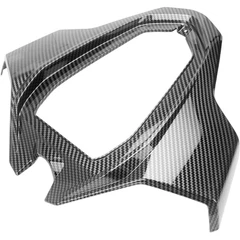
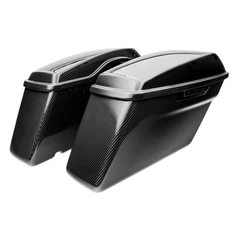
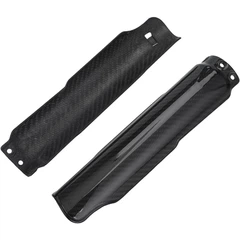
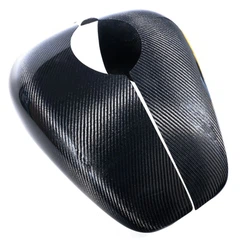
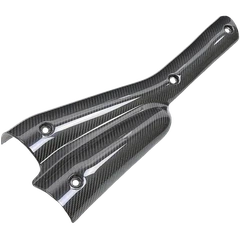
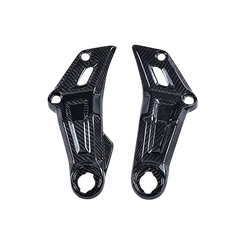
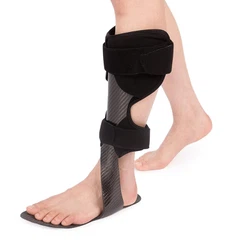
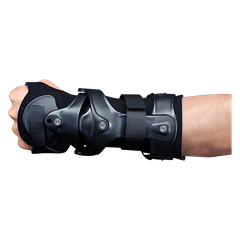

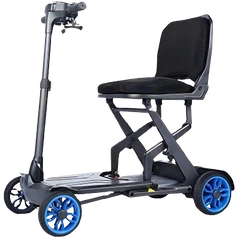

-Optimized layup and precision manufacturing for consistent performance.
-Custom carbon fiber solutions that integrate seamlessly into your Rollator.

What We Manufacture
Carbon World produces structural carbon fiber components for rollators and other mobility aid systems, where weight, strength, and consistency are critical. Compared with aluminum or steel, carbon fiber enables a lighter structure without compromising rigidity, directly improving handling and user comfort. Each component is developed with real load conditions in mind, with a focus on stability, fatigue resistance, and long-term reliability.
Typical components include:
Carbon fiber rollator frames: Core load-bearing structures designed for high stiffness and minimal deformation in daily use
Structural tubes and crossbars: Precision-formed tubular components that achieve an optimal balance between weight and strength within the frame
Reinforced joints and connectors: Components located in high-stress areas, featuring integrated reinforcement for long-term durability
Seat support structures: Stable sub-frames that effectively support user weight without adding unnecessary mass
Custom composite assemblies: Tailor-made components based on your design, geometry, and performance requirements

Switching from traditional aluminum or steel to carbon fiber changes how a carbon fiber rollator performs in everyday use. The difference goes beyond weight-it affects how the structure responds under load, how smoothly it moves, and how well it maintains its performance over time.
Key benefits:
Up to 40–60% weight reduction: Easier to lift, carry, and transport, especially for elderly users or caregivers
High stiffness with minimal deformation: Maintains structural stability, improving control and user confidence
Fatigue resistance: Withstands repeated loading cycles without early material fatigue
Corrosion resistance: Maintains reliable performance in various environments without rust or material degradation
Portability: A lighter overall design makes folding, storage, and travel more convenient
OEM & Custom Capabilities
Tube Diameter, Wall Thickness, and Geometry
The starting point of any structural component lies in its geometry. Tube diameter and wall thickness directly determine stiffness, strength, and overall weight. Increasing the tube diameter helps improve bending stiffness, while adjusting wall thickness controls load-bearing capacity and resistance to localized stress. Rather than applying a uniform size standard across all parts, each section is evaluated independently based on its specific function within the structure.
Layup Design (UD, 3K, and Hybrid Structures)
Carbon fiber allows precise control over strength direction through layup design. The orientation of the fibers directly influences how the structure responds to bending, torsion, and impact loads.
UD (Unidirectional) layup provides high strength along a specific axis, making it suitable for primary load-bearing components
3K woven structures offer more balanced mechanical properties and improved surface stability, commonly used in areas subject to multi-directional stress
Hybrid layups combine different fiber types and orientations to handle more complex load transfer paths
Surface Finish (Matte, Glossy, Textured)
Matte finishes create a refined, low-reflection appearance and help conceal minor surface imperfections
Glossy finishes highlight the distinctive carbon fiber pattern and are often used in premium product lines
Textured finishes improve grip or reduce visible wear in high-contact areas
Logo and Branding Integration
Applying branding to carbon fiber components involves more than simply adding a logo. It must be integrated into the manufacturing process without affecting structural strength or surface quality.
Available methods include:
Embedding the logo within the carbon fiber laminate
Applying surface decals with protective coatings
Using laser marking for precise and durable branding


Manufacturing & Quality Control of Carbon Fiber Rollator Parts
In medical mobility applications, consistency and reliability are essential, as structural performance must remain stable over time. Our manufacturing approach focuses on strict process control, repeatability, and clear validation at every stage.
Production Capabilities:
Autoclave and vacuum molding processes:
A controlled curing environment ensures uniform resin distribution and tight fiber consolidation, improving overall structural integrity
Precision mandrel tube forming:
Tubular components are formed with strict control of inner diameter accuracy, ensuring alignment, strength, and compatibility with assembly requirements
Fiber orientation control:
Layup is executed according to predefined load paths, allowing each component to effectively withstand bending, torsion, and localized stress
CNC post-processing:
Precision machining refines critical interfaces, ensuring dimensional accuracy and seamless integration with metal parts and assemblies
Quality Control:
Load-bearing testing:
Components are tested under defined loads to verify structural capacity and safety margins
Fatigue testing:
Repeated load cycles are applied to evaluate long-term durability and resistance to material fatigue
Dimensional inspection:
Key dimensions are carefully checked to ensure consistency and assembly precision
Batch consistency control:
Production parameters are monitored in real time to minimize variation between batches and maintain stable product quality over time.
Inquiry & Requirement Discussion
You provide drawings, specifications, or product concepts. We evaluate load requirements, structural dimensions, and application scenarios.
Technical Evaluation
Our engineering team reviews structural feasibility, material selection, and layup strategy to ensure the design is manufacturable.
Quotation & Proposal Confirmation
We provide a quotation based on structural complexity, materials, and order volume, along with necessary optimization suggestions.
Sample Development
Prototypes are produced to validate structural strength, assembly fit, and overall performance.
Testing & Validation
Samples undergo load-bearing, fatigue, and dimensional testing to ensure they meet design requirements.
Mass Production
Once approved, the project moves into mass production, ensuring consistency and stability across batches.
Quality Inspection & Packaging
Each batch is inspected before shipment and securely packaged to prevent damage during transportation.
Delivery & Ongoing Support
Products are delivered according to the agreed schedule, with continued technical support and future optimization available.


Application Scenarios Carbon Fiber Rollator
Carbon fiber structural components are widely used across various mobility products, where weight, stability, and long-term reliability directly impact user experience. In premium rollators, carbon fiber reduces weight while increasing stiffness, resulting in smoother handling and a more refined user experience. For lightweight walkers, it helps minimize overall weight without compromising durability, making daily use easier and more convenient for elderly users. In foldable mobility devices, carbon fiber supports compact designs by ensuring strength at joints and connection points, maintaining structural stability while improving portability. This also helps ensure that the equipment remains durable and comfortable for users over long-term use.
Why Choose Carbon World's Carbon Fiber Rollator Components?
We approach every project from an engineering perspective rather than simply supplying parts. Our focus is on how the structure performs in real-world use, how well it integrates with your carbon fiber rollator, and how reliably it can be produced at scale.
With extensive experience in carbon fiber structural design, we optimize load paths, layup strategies, and geometry to meet practical performance requirements. Our manufacturing processes are designed for stability and repeatability, ensuring consistent quality across batches while supporting your long-term supply and export needs. Whether you are working from detailed engineering drawings or early-stage concepts, we can help translate your design into a practical, manufacturable solution.
At the same time, our responsive technical communication ensures that design details, material selection, and production requirements are handled promptly and effectively, keeping your project aligned and progressing steadily.
FAQ
Q: What parts of a rollator can be made from carbon fiber?
A: Most load-bearing and structural components can be made from carbon fiber, including frames, tubes, crossbars, and seat supports. Some connection points may still use metal inserts for durability and assembly.
Q: How much weight can a carbon fiber rollator frame support?
A: Load capacity depends on the design and layup structure. With proper engineering, carbon fiber frames can meet or exceed standard load requirements for medical mobility devices.
Q: Is carbon fiber safe for medical mobility applications?
A: Yes. Carbon fiber is widely used in medical and rehabilitation products due to its strength, stability, and fatigue resistance. Proper design and testing are essential to ensure safety.
Q: Can you customize parts based on our design drawings?
A: Yes. We regularly work with OEM clients and can manufacture based on your drawings or assist in optimizing the structure for production.
Q: What is your typical lead time for production?
A: Lead time depends on complexity and order quantity. Samples usually take a few weeks, while mass production timelines are confirmed after project evaluation.
Q: Do you provide testing or quality verification?
A: Yes. We conduct load testing, fatigue testing, and dimensional inspections to ensure each batch meets required standards.
Q: Can carbon fiber replace aluminum in rollator structures?
A: In many cases, yes. Carbon fiber offers a better strength-to-weight ratio and improved fatigue resistance, making it suitable for lightweight, premium designs.
Leading custom carbon fiber rollator components manufacturer and supplier in China, specializing in high-quality carbon fiber products with OEM/ODM services. Our factory offers carbon bike rims, fairings, and custom carbon fiber solutions for sports, automotive, and industrial use. Contact us for a quote.
