



What Is a Carbon Fork MTB?
A carbon MTB fork is a high-performance mountain bike component crafted from advanced carbon fiber composite materials. Known for its superior strength-to-weight ratio, enhances handling precision, reduces overall bike weight, and delivers responsive feedback on challenging off-road terrain.
There are two primary types: carbon rigid mountain bike forks for riders who prioritize control and minimal weight, and suspension-corrected carbon MTB forks that preserve geometry in suspension-free setups. These forks are often tailored for carbon fork MTB 29, offering compatibility with modern wheel sizes and thru-axle systems.
Key Carbon MTB Fork Models Available

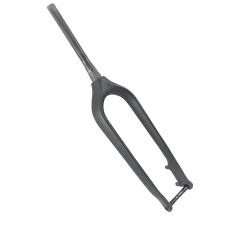
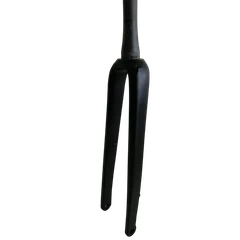
Carbon Fork For MTB
•Model: MYB06CS01-1-MTB
•Type: Carbon front fork
•Material: T800 Toray carbon fiber, all passed EN/SGS quality test
•Feature: lightweight
•Use for:700c road, 650B mtb, cyclocross
•Headset Size: 1-1\8''-1-1\2''Tapered •Integrated Brake: Disc-brake
•Offset: 45mm
•Weight: 430g+/-15g
•Available: 12mm flat-mount / 15mm
Send Inquiry Now

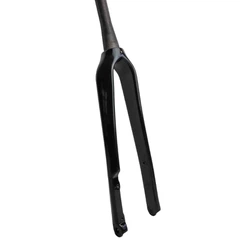
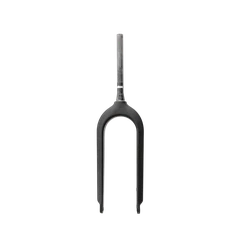
Carbon MTB Rigid Fork
•Model: MYB06-27.5-MTB
• Size: 27.5"
• Weight: 660 ± 20g
• Axle: Thru-Axle
• Cable Routing: Semi-hidden
• Crown: 60mm
• Thru-Axle: 15 x 110mm
• Disc Brake Post Hole Spacing: 74.2mm
• Brake Rotor: Direct Mount Disc Brake (160mm)
• Compatible Headset: 39.8mm (1-1/2")
• Fork Diameter: 28.6mm
• Suitable for: Mountain Bikes
Send Inquiry Now

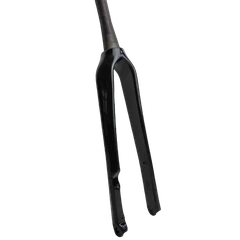
Carbon Fiber MTB Fork
•Model: MYB06-29-MTB
• Size: 29"
• Weight: 660 ± 20g
• Axle: Thru-Axle
• Cable Routing: Semi-hidden
• Crown: 60mm
• Thru-Axle: 15 x 110mm
• Disc Brake Post Hole Spacing: 74.2mm
• Brake Rotor: Direct Mount Disc Brake (160mm)
• Compatible Headset: 39.8mm (1-1/2")
• Fork Diameter: 28.6mm
• Suitable for: Mountain Bikes
Send Inquiry Now
If the model you want does not appear in the list, you can contact us.
Carbon Fork For MTB Features
A carbon fork for MTB is made for riders who want a lighter front end and clean, direct handling. Compared with an alloy fork, a carbon MTB fork helps cut weight from the front of the bike, so climbing and accelerating feel smoother and less tiring, while still staying stiff enough to hold a line in rock gardens and corners. At the same time, the carbon layup can be tuned to stay firm side to side but not so harsh that every small bump reaches your hands, giving a bit of comfort in the vertical direction without losing control.
Typical features of a quality carbon MTB fork include:
Lower weight with strong, impact-resistant construction.
Precise steering on both smooth and rough trails.
Simple, low-maintenance design with no moving parts.
Clean look that works well on modern hardtail frames.
Durable carbon layup designed for hard off-road use.


OEM & ODM Branding for Carbon Mountain Bike Forks
Carbon World specializes in OEM and custom branding solutions for businesses seeking to launch or expand their line of carbon mountain bike forks. Whether you're a startup MTB brand, a high-volume bicycle manufacturer, or a niche bikepacking framebuilder, we offer the flexibility and precision to bring your vision to life.
Our OEM services cover the entire process-from product engineering to brand presentation:
Custom Logo & Graphics: UV-stable decals, water-transfer logos, or matte/gloss paint finishes tailored to your branding.
Mold Customization: We offer shared or exclusive tooling options to modify fork shapes, steerer lengths, rake, and crown clearance for your specific frame geometry.
Packaging Solutions: Neutral export cartons or fully branded packaging with QR code tracking, manuals, and OEM labeling.
Compliance Documentation: All forks are shipped with batch QA reports, torque recommendations, and test certificates to support international regulatory needs.
Carbon Fork For Mountain Bike vs. Alloy MTB Fork: Which One to Choose?
|
Feature / Attribute |
Carbon MTB Fork |
Alloy MTB Fork |
|
Weight |
Ultra-lightweight (typically 500g–850g) |
Heavier (usually 1.2–1.6kg) |
|
Ride Comfort |
Excellent vibration damping for a smoother ride |
Transmits more trail vibration |
|
Stiffness & Control |
High lateral stiffness, improved steering precision |
Moderate stiffness, less precise handling |
|
Impact Resistance |
High fatigue resistance with proper layup |
Durable under most conditions |
|
Custom Design Flexibility |
Moldable shapes, aerodynamic profiles, and sleek appearance |
Limited design freedom due to extrusion/forming limits |
|
Finish & Branding Options |
Matte/glossy paint, full OEM logo customization |
Basic finish, limited branding methods |
|
Cost |
Higher initial cost due to material & processing |
More affordable, budget-friendly |
|
Use Case |
High-performance XC, trail, OEM builds, bikepacking |
Entry-level builds, budget OEM production |
Carbon Fiber Mountain Bike Fork Technical Diagram


The technical diagram shows the full layout of our carbon fiber mountain bike fork from the side and from the top.
You can clearly see the side and top views of the carbon MTB fork, including axle-to-crown length, steerer tube length, fork offset, and dropout spacing.
These details make it easy to check if the carbon fork for MTB fits your frame, wheel, and brake system before you build a sample or place an order.
If you would like to learn more about the technical drawings of carbon fiber mountain bike forks, you can click the button below to contact us.
Carbon Fork vs. Aluminum MTB Fork: Weight Comparison
A carbon fork MTB is much lighter than a normal aluminum mountain bike fork, and the photo makes this easy to see.
On the left, the carbon fork weighs about 598 g. On the right, the aluminum fork is around 864 g. That’s more than 260 g of weight saved right at the front of the bike.
It doesn’t sound huge on paper, but you feel it on the trail. Less weight here makes the bike easier to lift over obstacles, quicker to accelerate, and more comfortable on long climbs. Because you are lifting less weight with every pedal stroke.


How to Choose a Carbon Fork For a Mountain Bike?
Check Frame and Steerer Compatibility
Before anything else, make sure the carbon fork for the mountain bike actually fits your frame.
Match the steerer tube type (straight or tapered), the head tube size, and the axle style. If your frame is built for a thru-axle and you buy a QR carbon MTB fork, it will not work.
Look at the Details in the Fork
The smooth crown and tapered carbon steerer give strength around the headset. Clean disc-brake mounts and solid dropouts help keep the rotor and wheel stable under hard braking. A straight, even finish on the fork legs is a good sign of careful layup and molding.
Match the Fork to Your Riding Style
Think about how you ride most of the time.
For XC and marathon use, a light carbon MTB fork with a shorter axle-to-crown length keeps the bike quick and efficient. For rougher trails, choose a stronger carbon mountain bike fork with a slightly longer length and more tire space to keep the bike stable.
Carbon Fork MTB Packaging
Our carbon fork MTB is packed to stay safe on the way to you.
Each fork is first wrapped in thick foam, as you see on the left, and fixed with tape so the legs and steerer cannot move or scratch. Then it goes into an individual carton, shown on the right, with enough space around the fork for extra padding if needed.
For bulk orders, these boxes are loaded into a larger master carton or pallet.
This way, the carbon fork arrives clean, straight, and ready for painting or final assembly.

FAQ
Q: Can your carbon forks be used on e-MTBs or pedal-assist bikes?
A: Yes, but with limitations. We offer reinforced carbon fiber mountain Bike forks specifically engineered to handle the increased torque and weight of e-MTBs. Please indicate your motor specs and total system weight when inquiring.
Q: Are the forks tested to any safety standards?
A: Yes, our carbon fork for the mountain bike range is tested for fatigue and impact according to common bicycle safety standards.
Q: Can you add my own logo or custom paint?
A: Carbon World supports OEM and private label. You can choose matte or glossy finish, send us your logo file, and we’ll confirm the decal or paint layout for your carbon MTB fork before production.
Q: How much does the carbon fork weigh?
A: Weight depends on the model, but a rigid carbon fork is much lighter than most suspension forks.
Q: What wheel size is this carbon MTB fork designed for?
A: Each model is built around a specific wheel size, such as 27.5" or 29". Using the wrong size can affect handling and tire clearance, so always match the wheel size printed in the fork specs with the wheel size of your mountain bike.
Q: How should I look after a carbon MTB fork?
A: Keep it clean, avoid deep scratches, and check the crown, legs and dropouts for damage after hard rides or crashes. If you see cracks or soft spots, stop using it and have it checked.
Other Best-Selling Carbon Forks

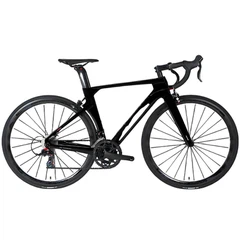
Carbon Road Forks

Carbon BMX Forks

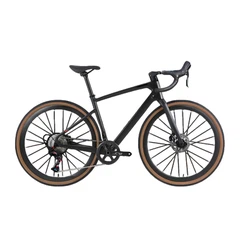
Carbon Gravel Fork

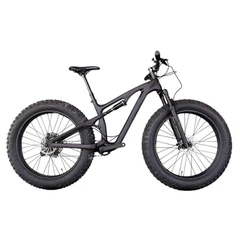
Carbon Fat Fork
Leading carbon mtb fork manufacturer and supplier in China, specializing in high-quality carbon fiber products with OEM/ODM services. Our factory offers carbon bike rims, fairings, and custom carbon fiber solutions for sports, automotive, and industrial use. Contact us for a quote.
