

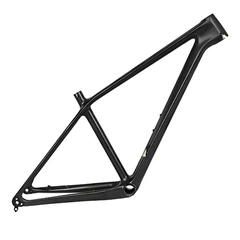
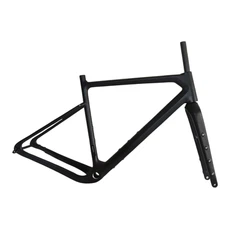
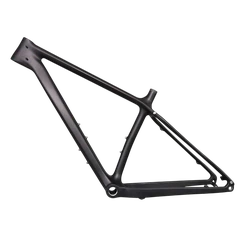
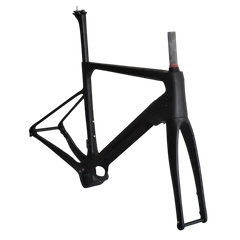
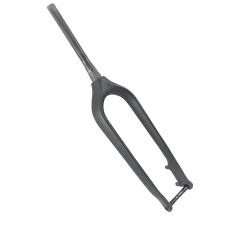
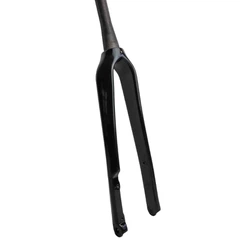
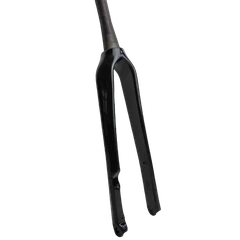
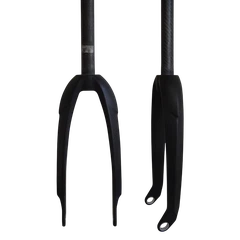
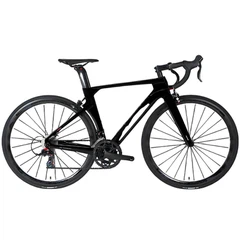
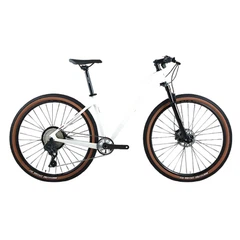
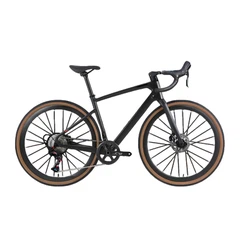
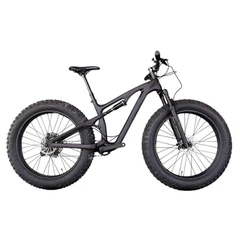
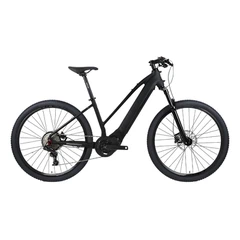


Carbon Fiber MTB Frame Manufacturer
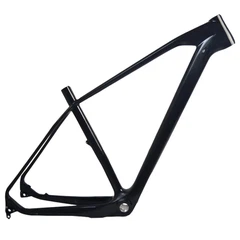
Carbon MTB frame is a high-performance bicycle frame primarily made from carbon fiber composite materials, renowned for its excellent strength-to-weight ratio. This type of frame combines lightweight construction, outstanding impact absorption, and rigidity to deliver an enhanced riding experience.
Carbon World's carbon fiber mountain bike frame is handmade. We import carbon fiber from Toray in Japan and weave it into prepreg, keeping strict control over the entire process. We can customize the carbon frame according to the customer's drawings.
Type of Carbon Bike Frame MTB

Carbon MTB Frame
•Model: MYB03FM-M931-MTB
•Type: 29er full suspension AM frame, carbon fiber MTB frame
•Material: 100% Carbon Fiber Toray T700 & T800
•Weave: UD matte/glossy/painting
•Available Size: S.M.L.XL
•Headset: 1-1/8'' to 1-1/2''
•Tire: 29"x2.4"
•Bottom Bracket: BB92
•Seatpost: 31.6mm
•Rear Shock: 210x55mm
•Dropout: 148x12
•Travel: F:160mm R 150mm
•Cable routing: Full internal.
Send Inquiry Now

Carbon Bike Frame MTB
•Model: MYB03FM-M991-MTB
•Type: Carbon MTB frame 29er
•Material: 100% Carbon Fiber Toray T700 & T800
•Weave: UD Matte/Glossy/painting
•Available Size:15,17,19,21
•Headset: 1-1/8''(top)/1-1/2''(down)
•Brake: Disc brake, QR, and thru axle compatible
•Bottom Bracket: BSA
•Seatpost: 31.6mm
•Frame Weight: 1050g±40g
Send Inquiry Now

Carbon MTB Bike Frame
• Model: MYB03FM-M04-MTB
• Frame Sizes: S/M/L/XL
• Material: Carbon Fiber
• Weight: 2230g (Unpainted, ±20g maximum)
• Head Tube Dimensions: 1-1/8, 1-1/2"
• Head Tube Inner Diameter: ø42*3mm, ø52.1*7.5mm
• Brake: 160mm Disc
• Bottom Bracket: PF30-73 Press-Fit
• Seat Post Dimensions: ø31.6"
• Rear Fork Travel: 115mm
• Rear Fork Internal Width: 148*12mm Thru-Axle
• Maximum Tire: 29*2.35"
• Cable Routing: Semi-Concealed Internal Routing
• Package Includes: Frame, Headset, Thru-Axle
Send Inquiry Now

Carbon MTB Frame
• Model: MYB03-M08-MTB
• Frame Sizes: 15"/17"/19"
• Material: Carbon Fiber
• Weight: 1300g (17" unpainted, maximum variation ±20g)
• Head Tube Size: 1-1/8, 1-1/2"
• Head Tube ID: ø52.1*7.5mm
• Brake: 160mm Post-Mounted Disc Brake
• Bottom Bracket: T47*73"
• Seat Post: ø31.6"
• Rear Wheel: 148*12mm Thru-Axle, S-Link UDH Hanger
• Maximum Tire: 29"*2.35"
• Build Quality: XC, EPS
• Cable Routing: Fully Concealed Internal Routing
• Product Includes: Frame, Headset, Thru-Axle
Send Inquiry Now

Carbon Bike Frame MTB
• Model: MYB03-M09-MTB
• Frame Sizes: S/M/L
• Material: Carbon Fiber
• Weight: 1160g (M, unpainted, maximum variation ±20g)
• Head Tube Size: 1-1/8, 1-1/2"
• Head Tube ID: ø52.1 x 7.5mm
• Brake: 160mm Disc
• Bottom Bracket: Press-Fit 92 x 41"
• Seat Post: ø31.6"
• Rear Wheel: 148 x 12mm Thru-Axle, S-Link UDH Hanger
• Maximum Tire: 29" x 2.35"
• Build Quality: XC, EPS
• Cable Routing: Fully Concealed Internal Routing
• Includes: Frame, Headset, and Thru-Axle
Send Inquiry Now

Carbon MTB Bike Frame
• Model: MYB03-M10-MTB
• Frame Sizes: S/M/L
• Material: Carbon Fiber
• Weight: 1240g (Size M, unpainted, maximum variation ±20g)
• Head Tube Size: 1-1/8, 1-1/2"
• Head Tube ID: ø52.1 x 7.5mm
• Brake: 160mm Post-Mounted Disc Brake
• Bottom Bracket: T47 x 73"
• Seat Post: ø31.6"
• Rear Wheel: 148 x 12mm Thru-Axle, S-Link UDH Hanger
• Bottom Bracket Drop: 63mm
• Maximum Tire: 29" x 2.35"
• Fork Travel: 100mm
• Build Quality: XC-Grade, EPS
• Cable Routing: Fully Concealed Internal Routing
• Product Includes: Frame, Headset, Thru-Axle
Send Inquiry Now

Carbon MTB Bike Frame Feature
1. Lightweight Construction for Enhanced Efficiency
Engineered with a high strength-to-weight ratio, the Carbon bike frame MTB is exceptionally lightweight while maintaining outstanding rigidity. This results in faster acceleration response and improved climbing performance-ideal for riders seeking efficiency on technical trails and steep inclines.
2. Improved Vibration Damping for Long-Distance Comfort
Carbon fiber's natural damping properties help absorb trail chatter and high-frequency vibrations, offering a smoother ride. Riders benefit from reduced fatigue and greater comfort over long distances and rough terrain.
3. Aerodynamic Tube Profiles
High-end models feature streamlined tubing shaped according to aerodynamic principles. These profiles reduce wind resistance and lower the drag coefficient.
Carbon Fiber Materials & Layup Technology
Carbon Fiber Materials Selection
Carbon MTB frames are commonly built using high-strength carbon fibers such as Toray T700 and T800. These fibers are chosen for their balance of low weight and structural stability.
Rather than using one fiber type throughout the frame, different grades are applied in specific areas where they make the most sense.
This allows the frame to stay light while remaining strong in key load zones.
Layup Patterns Used in MTB Frames
Layup technology refers to how carbon layers are arranged inside the frame structure.
Rather than using a uniform layup, multiple-layer patterns are applied across the frame.
Common layup practices include:
Thicker layup around the head tube and bottom bracket.
Additional layers at suspension and pivot areas.
Reduced material in low-stress sections to save weight.
Each area of the frame is built with a specific layup target, based on its function.
Balanced Strength Without Excess Material
A controlled layup allows strength to be added only where it is needed.
This avoids unnecessary weight while maintaining the frame's stability under real riding conditions.

Carbon Frame Mountain Bike Design Details

Lightweight, high-strength, and excellent rigidity; improves handling, impact resistance, and offers good compatibility, assisting in riding on complex road conditions.

Featuring a one-piece design, it offers a secure connection, is lightweight yet rigid, and is compatible with adjustable seatposts.

The hidden disc brake mounts reduce the risk of collisions, improve maneuverability, lower wind resistance, and enhance the overall aesthetics.

The five-way structure offers excellent compatibility, is easy to maintain, and has a low cost, making it suitable for most standard bottom brackets.
Carbon Fiber MTB Frame Manufacturing Process
Tooling and Mold Preparation
Frame production starts with dedicated molds designed for each size and model.
Molds are cleaned, inspected, and prepared before any carbon material is placed.
This helps ensure consistent tube shape and alignment.
Carbon Layup and Forming
Pre-cut carbon sheets are placed into the mold following a defined layup plan.
Each section of the frame is handled separately to keep thickness and weight under control.
Key focus areas include:
Head tube and bottom bracket zones.
Suspension and pivot interfaces.
Stress points along the main triangle.
Once the layup is complete, the frame is formed under controlled heat and pressure.
Finishing and Inspection
After molding, excess material is trimmed, and surfaces are refined.
Every carbon MTB frame then goes through alignment checks and visual inspection before moving to the next stage.
Hardtail vs Full Suspension Carbon MTB Frames
Full Suspension Carbon MTB Frames
Full suspension carbon fiber MTB bike frames are engineered for comfort and control on rough, technical terrain. Commonly used in AM (All-Mountain), XC (Cross-Country), DH (Downhill), and Enduro disciplines, these frames incorporate both front and rear suspension to absorb impact, reduce rider fatigue, and maintain traction on descents and uneven surfaces. The improved shock absorption and frame rigidity allow for smoother climbs and more efficient handling in aggressive conditions.
Hardtail Carbon MTB Frames
Hardtail frames eliminate rear suspension, resulting in a lighter frame with enhanced pedaling efficiency and lower maintenance requirements. These frames are preferred for cross-country racing and smoother trail conditions. Their rigid rear triangle allows for direct power transfer, faster acceleration, and simpler setup compared to full suspension models. Hardtails are also more budget-friendly, making them a practical choice for beginners or riders who prioritize speed on moderate terrain.

|
Feature |
Hardtail Frame |
Full Suspension Frame |
|
Rear Suspension Travel |
None |
Typically 100–170mm (depending on category: XC, AM, Enduro, DH) |
|
Compatible Fork Travel |
80–120mm (XC)Up to 130mm (check manufacturer specifications) |
120–180mm (matched to frame category and design) |
|
Frame Weight |
Lighter (no rear suspension system) |
Heavier (includes shock and linkage system) |
|
Pedaling Efficiency |
Very high, direct power transfer |
Lower (can be improved with lockout systems) |
|
Comfort / Shock Absorption |
Moderate, relies on the front fork and tire volume |
Excellent, both front and rear suspension absorb impacts |
|
Maintenance Requirement |
Low, simple structure |
Higher, due to suspension and linkage servicing |
|
Ideal Terrain |
Smooth trails, forest roads, gravel tracks |
Technical terrain, steep descents, rocks, aggressive trail riding |
|
Best For Riding Styles |
XC, long-distance, light trail riding |
AM, Enduro, DH, and advanced trail applications |
|
Price |
Generally lower |
Generally higher (due to suspension components) |
|
Recommended Riders |
Beginners, budget-conscious riders, efficiency-focused users |
Advanced riders, trail enthusiasts, those prioritizing comfort & control |
Carbon MTB Frame vs Aluminum Frame |
||
|---|---|---|
| Comparison Item | Carbon MTB Frame | Aluminum MTB Frame |
| Frame Weight | Generally lighter, easier to control on climbs and long rides | Heavier overall, especially on full suspension frames |
| Ride Feel | More controlled and stable on rough trails | Feels stiffer, with more vibration on uneven surfaces |
| Frame Design | Allows more flexibility in tube shapes and geometry tuning | Limited by metal forming and welding requirements |
| Fatigue Resistance | Handles repeated riding stress well over time | More likely to show fatigue after long-term heavy use |
| Vibration Control | Reduces trail vibration naturally | Transfers more trail feedback to the rider |
| Impact Damage | Resistant to small impacts, requires inspection after crashes | Dents more easily, but the damage is often visible |
| Maintenance | No corrosion, normal inspection recommended | May corrode over time depending on conditions |
| Cost Level | Higher initial cost due to materials and production | More affordable and widely available |

Geometry and Fit Explained's Impact on Carbon MTB Frame
Carbon frame mountain bike geometry plays a vital role in determining how a mountain bike handles and what terrain it is best suited to. In addition to suspension travel, geometry determines the rider's riding position, the stability, and the responsiveness of the bike. As you move from cross-country (XC) to trail, enduro, and downhill, frame geometry becomes longer, and head tube angles slacken, supporting more aggressive riding styles and better high-speed handling.
If you're unsure of the technical details, it's a good idea to check the supplier's recommended intended use
How to Choose the Right Frame
Choosing the right carbon mountain bike frame requires careful consideration of riding style, terrain, and fit. Start by determining whether your primary use is XC, trail, enduro, or DH, as each requires specific frame characteristics.
Evaluate frame size based on your height and inseam to ensure optimal comfort and handling. Focus on key frame features such as stiffness, weight, and compatibility with modern components (e.g., dropper posts, axle standards).
Finally, consider durability and warranty coverage to ensure long-term performance. Choosing a frame that matches your needs ensures a better riding experience and increased efficiency.


OEM & Custom Carbon MTB Frame Solutions
OEM Support for MTB Brands
For OEM orders, carbon MTB frames can be produced based on approved designs or existing models.
Each project follows a defined process, from initial discussion to sample approval.
Typical OEM support includes:
Frame size and geometry options
Model-specific mold usage
Consistent production for repeat orders
Custom Frame Options
Custom carbon MTB frame solutions allow brands to adjust key details without overcomplicating the project.
Changes are usually focused on practical needs rather than experimental designs.
Common customization areas include:
Frame geometry and sizing
Cable routing and mounting points
Surface finish and logo placement
Production and Delivery Control
Once specifications are confirmed, production is scheduled to match order volume and timeline.
Frames are inspected before shipment to help ensure consistent quality across batches.
Why Choose Carbon World?
CarbonWorld utilizes high-modulus carbon fiber from internationally renowned brands like Toray to ensure lightweight frames with exceptional strength and rigidity. Each frame undergoes CFD aerodynamic simulation and FEM finite element analysis, combined with a multi-layered construction process to ensure maximum rigidity and comfort while maintaining lightweight. All frames pass UCI impact testing, ISO4210 international safety standards, fatigue endurance testing, and drop testing before leaving the factory, ensuring safety and reliability for both competition and everyday riding. OEM and OEM are welcome
Why Do Customers Choose Carbon World?
FAQs
Q: Are MTB carbon frames durable enough for aggressive riding?
A: Yes, modern carbon frame MTBs are built to handle high-impact trail and enduro riding...
Q: Can I use a dropper post with these frames?
A: Most carbon MTB frames now come with internal routing and are dropper post compatible...
Q: What's the weight advantage of carbon vs. alloy frames?
A: On average, carbon frames save 300–500g over similarly sized aluminum frames.
Q: Are there specific frame sizes for women's mountain bikes?
A: Yes, there are frame sizes and designs specifically tailored for women's mountain bikes. Women's mountain bike frames often feature modified geometry to better fit the body proportions of female riders.


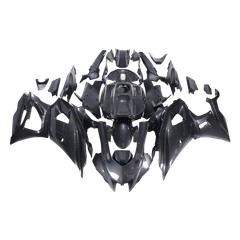
Leading carbon mtb frame manufacturer and supplier in China, specializing in high-quality carbon fiber products with OEM/ODM services. Our factory offers carbon bike rims, fairings, and custom carbon fiber solutions for sports, automotive, and industrial use. Contact us for a quote.
