

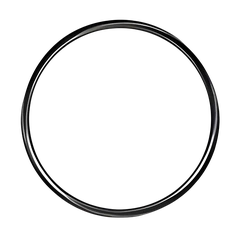
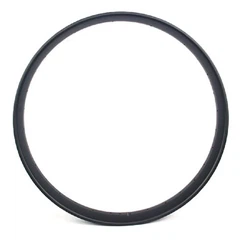
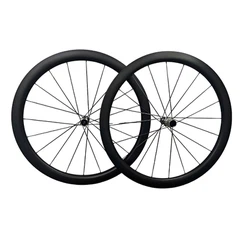
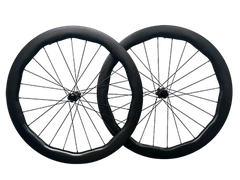



What Are Carbon Fiber Bike Rims?
Carbon fiber bike rims are made from high-strength carbon fiber composite materials. They offer exceptional stiffness and durability while being lighter. They enhance bicycle performance by reducing rotational weight, improving acceleration, handling, and riding comfort. They are typically designed to support tubeless tires.
Our carbon fiber rims can be designed and manufactured to your specifications in a variety of materials, styles, and patterns. They are suitable for a variety of carbon fiber bikes, including carbon road bikes, MTB bikes, gravel bikes, and more. Whether you're a bike shop owner, bicycle dealer, brand owner, or cycling enthusiast, Carbon World can customize a superior carbon bicycle rim for you.
Type of Carbon Fiber Bike Rims

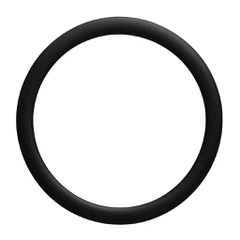
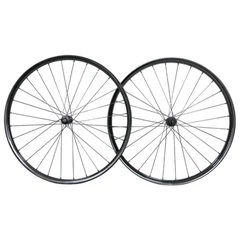
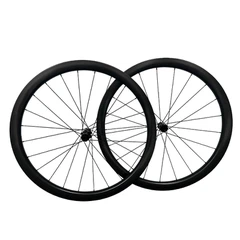
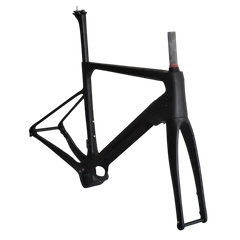
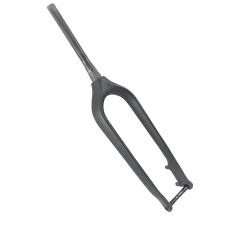
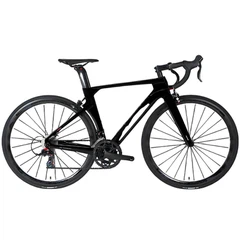
Carbon Rims For Road Bike
Send Inquiry Now

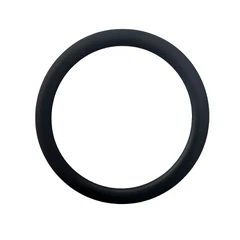
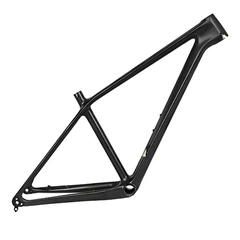
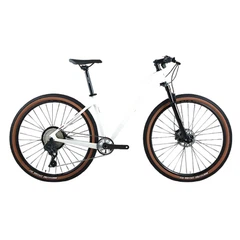
Carbon Fiber Mountain Bike Rims
Send Inquiry Now

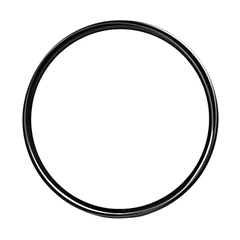
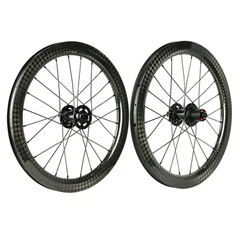
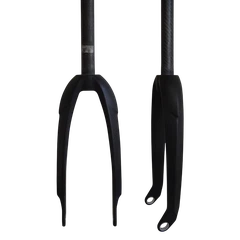
Carbon Rims BMX
Send Inquiry Now

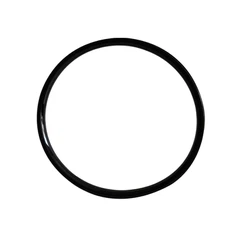
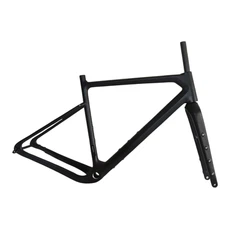
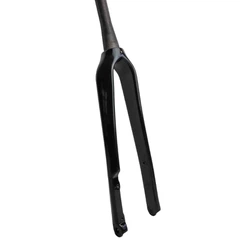
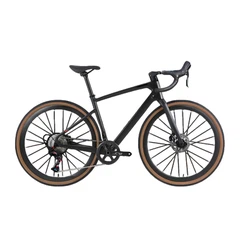
Carbon Rims Gravel
Send Inquiry Now

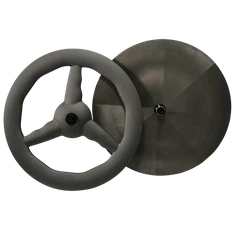
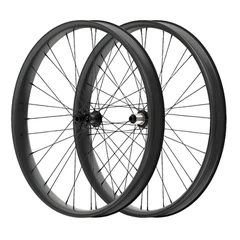
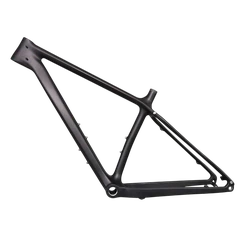
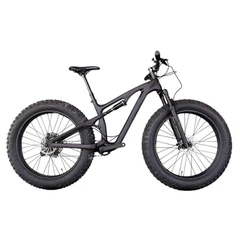
Carbon Fiber Fat Bike Rims
Send Inquiry Now
To learn more about the product, please contact us for technical support!
-
![700C Carbon Road Rims]() 700C Carbon Road RimsThe 700C Carbon Road Rim is a lightweight, aerodynamic carbon bicycle rim designed for road bikes equipped with 700C wheels. It's a favorite among cyclists seeking performance, speed, and efficiency,
700C Carbon Road RimsThe 700C Carbon Road Rim is a lightweight, aerodynamic carbon bicycle rim designed for road bikes equipped with 700C wheels. It's a favorite among cyclists seeking performance, speed, and efficiency,

Key Features & Benefits
Ultra-light and Strong: Carbon fiber rims significantly reduce rotational weight, effectively improving climbing efficiency and maneuverability. Their robust structure ensures stable power transfer and precise handling, even under severe impacts and high loads.
Tubeless Ready: All carbon rims are tubeless-ready, allowing you to use lower tire pressures for improved grip and comfort, while reducing the risk of flats and bites, making them suitable for a variety of challenging road conditions.
Customizable: A Variety of configurations are available, including different rim widths, depths, spoke hole positions, surface finishes, and logo decals, to meet diverse riding styles and personalized aesthetics.
Precision Manufacturing: Crafted using high-precision molds and aircraft-grade carbon fiber, each rim undergoes rigorous quality control, including impact, fatigue, and pressure tests, to ensure durability and consistent quality.


Application of Carbon Fiber Bike Rims
XC Cross-Country Cycling: Ultra-lightweight carbon rims significantly reduce rotational weight, enabling quicker acceleration and easier climbing, while also improving mileage over long distances.
Trail & All-Mountain Cycling: For rugged terrain and high-speed descents, our carbon MTB rims strike a balance between stiffness and impact resistance, ensuring precise control on technical sections while providing ample strength to withstand impacts.
Gravel Cycling: The wide rim design with tubeless compatibility enhances stability on gravel and mixed terrain, providing improved grip and cushioning for a more comfortable and controlled ride.
Road Cycling: The lightweight and low-drag design makes carbon road rims more responsive in sprints and climbs, while the deep-section rims optimize aerodynamics for racing and time trial performance.
Carbon Fiber Bicycle Rims Vs Aluminum Bicycle Rims
|
Feature |
Carbon Fiber Bicycle Rims |
Aluminum Bicycle Rims |
|
Weight |
Extremely lightweight, especially tubular versions—great for climbing and racing. |
Generally heavier but structurally solid. |
|
Stiffness & Power Transfer |
High lateral stiffness; efficient energy transfer |
More flex; may reduce responsiveness |
|
Impact Resistance |
Very strong; resistant to cracking under normal use |
Can dent or deform under heavy impact |
|
Ride Comfort |
Excellent vibration dampening; smoother ride |
Less shock absorption; rougher ride on harsh terrain |
|
Brake Heat Resistance |
Excellent (especially disc-specific designs) |
Can heat up quickly on long descents (rim brake models) |
|
Customization |
More shape, depth, and finish options |
Limited customization options |
|
Aesthetics |
Visually striking, it gives the bike a pro-level look. |
Standard appearance, less stylish than carbon. |
|
Price |
Expensive, but more affordable options are emerging. |
More affordable; good for entry-level riders |
|
Use Case |
Racing, high-performance trail & road |
Budget builds, casual rides, beginners |
How to Choose the Right Carbon Fiber Bike Rims
1. Usage Type
Different riding scenarios require different strengths, weights, and compatibility for carbon fiber bike rims. Determine your intended use before choosing a product.
2. Rim Depth/Profile
High-profile rims offer greater aerodynamic advantages and are suitable for speed-conscious riders. Low-profile rims are lighter, more maneuverable, and better suited for everyday use or climbing.
3. Wheel Size
Please confirm that the size of your carbon fiber bicycle rims matches your frame and fork. Common options include 700C carbon fiber rims, 650B gravel rims, and 26/27.5/29-inch carbon mountain bike rims.
4. Internal Width
A wider rim provides a larger tire contact patch, resulting in better grip and riding stability.
5. Brake Compatibility
If your bike has disc brakes, choose a rim with disc brake ports. If your bike has rim brakes, use a dedicated rim with a braking track. Rim brakes and disc brakes cannot be mixed.
6. Tire Type
We offer a variety of rim models that support tubeless, clincher, and tubular tires. Choosing the right tire type is crucial based on your riding style and maintenance preferences.
7. Spoke Count & Lacing
Rims with 24, 28, or 32 holes can accommodate varying strength requirements. Multi-hole designs provide greater rigidity and stability. Asymmetrical hole placement helps balance tension and improve longevity.
8. Aesthetics
We offer a variety of surface textures (UD, 3K, 12K), glossy or matte finishes, decals, and custom paint options to ensure your rims blend seamlessly with your bike.

Tubeless, Clincher, and Tubular Carbon Rim Options
| Rim Option | Key Design Focus | What Buyers Should Confirm | Best Match |
|---|---|---|---|
| Tubeless Carbon Rims | Rim bed shape, bead seat accuracy, valve hole position, and airtight sealing area. | Tire model, rim tape width, valve length, tire pressure range, and whether the wheel will be used for road, gravel, MTB, or fat bike riding. | Riders and brands that need lower-pressure setup, wider tire compatibility, and mixed-terrain use. |
| Clincher Carbon Rims | Bead hook design, tire seating stability, brake compatibility, and easy tire replacement. | Tire size, tube type, brake system, rim width, and whether tubeless-ready compatibility is also required. | Standard road wheels, training wheels, daily riding, and general OEM wheelset projects. |
| Tubular Carbon Rims | Smooth bonding surface, rim roundness, weight control, and stable tire contact area. | Tire type, glue or tape method, racing use, service requirements, and replacement convenience. | Racing-focused builds, cyclocross wheels, track wheels, and special competition projects. |
Test of Carbon Fiber Bike Rims
After production, every carbon fiber rim at CarbonWorld undergoes a rigorous and systematic testing process. This testing includes UCI full-wheel testing to ensure the product meets international competition standards; road testing to verify stability and handling performance in real-world riding conditions; and spoke hole tension testing to verify the rim's structural strength and durability under high tension. CarbonWorld ensures that every carbon fiber rim meets or exceeds international standards for strength, stability, and longevity, providing cyclists with a safe and reliable competition-grade experience.
Disc Brake or Rim Brake
|
Aspect |
|
|
|
Disc Brake |
Rim Brake |
|
|
Working Principle |
Braking force is applied by calipers pressing on a rotor attached to the hub, using hydraulic or mechanical actuation. |
Braking force is generated by pads pressing against the rim; it has a simple mechanical structure. |
|
Braking Performance |
Powerful and consistent braking even in wet and muddy conditions. |
Performs well on dry roads, but degrades in wet/muddy conditions. |
|
Heat Dissipation |
Excellent heat dissipation; less risk of overheating. |
Prolonged braking may overheat rims, especially carbon rims. |
|
Maintenance |
Complex system requiring professional maintenance and periodic replacement of brake fluid and rotors. |
Simple maintenance: mainly pad replacement and cable adjustment. |
|
Cost |
Higher initial and replacement costs. |
Lower cost; budget-friendly choice. |
|
Best Use Cases |
Ideal for mountain biking, touring, and challenging terrain. |
Good for urban commuting and casual riding, where lightweight and simplicity matter. |


Test Report of Carbon Fiber Rim

UCI Impact Test

Walk Fatigue Test

Rim Spoke Test

Rim Positive Rigidity Test
Why Choose Carbon World Carbon Fiber Bike Rims
At Carbon World, we pour our meticulous craftsmanship and passion into crafting carbon fiber bicycle rims designed to deliver ultimate comfort, performance, and reliability. Each rim is crafted from high-quality Toray T700, T800, or T1000 carbon fiber, achieving the perfect balance between lightweight and structural strength. Our skilled craftsmen hand-build each rim, constantly experimenting with new designs and processes, pushing the boundaries to make the rims lighter, stronger, and more responsive with each iteration.
We offer comprehensive customization options, including rim depth, internal width, spoke hole count, surface finish, and brake compatibility, ensuring you get a product that perfectly suits your riding style and technical requirements. Each rim undergoes extensive testing, including fatigue test data, impact resistance reports, and more, to ensure compliance with international standards.
Our quality rivals that of top brands, but our prices are always competitive, offering exceptional value without compromise. Choosing Carbon World means you're not just buying a rim; you're investing in a superior riding experience. Discover the difference in innovation and craftsmanship, with rider satisfaction always top of mind.
FAQ
Q: How do I choose between shallow and deep carbon bike rims?
A: Shallow rims are usually better for climbing, rough roads, and lighter wheel builds. Deep rims are more suitable for speed-focused road riding, but they may feel more affected by crosswinds.
Q: What is the difference between carbon rims for road and gravel bikes?
A: Road rims usually focus on weight, depth, and speed. Gravel rims need more tire volume, stronger impact resistance, and better support for lower tire pressure on mixed terrain.
Q: Why is spoke hole reinforcement important on carbon rims?
A: Spoke holes carry repeated tension from wheel-building and riding loads. Better reinforcement around this area helps reduce the risk of cracking, especially on high-tension wheel builds.
Q: Why does carbon rim layup matter?
A: Layup affects rim strength, stiffness, weight, and impact behavior. Different rim types, such as road, MTB, gravel, and fat bike rims, should not use the same layup design.
Q: What makes a carbon rim suitable for OEM wheelset production?
A: For OEM projects, the rim should have stable dimensions, consistent drilling, reliable spoke hole strength, repeatable finish quality, and clear compatibility with the selected hub, spoke, tire, and brake system.
Q: What causes carbon rims to fail during use?
A: Common causes include heavy impact, incorrect tire pressure, poor spoke tension, incompatible tire setup, overload, or damage that was not checked after a crash. Regular inspection helps reduce these risks.
Q: Why do some carbon rims use an asymmetric design?
A: Asymmetric rims help balance spoke tension between the drive side and the non-drive side. This can improve wheel stability, especially on disc brake wheels and wide MTB or gravel wheel builds.
Leading carbon fiber bike rims manufacturer and supplier in China, specializing in high-quality carbon fiber products with OEM/ODM services. Our factory offers carbon bike rims, fairings, and custom carbon fiber solutions for sports, automotive, and industrial use. Contact us for a quote.
