

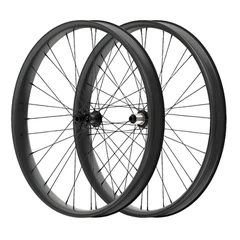
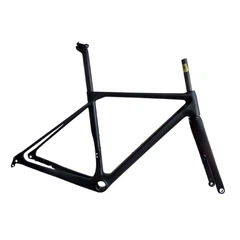
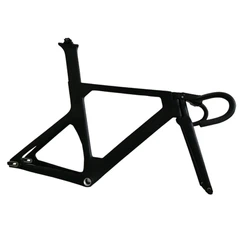
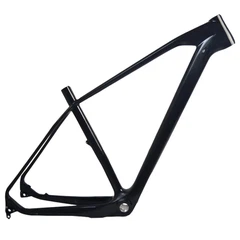
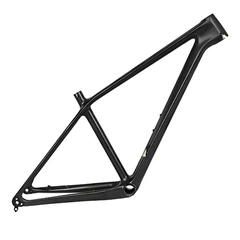
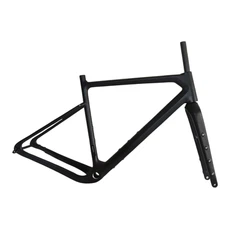
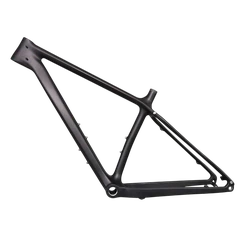
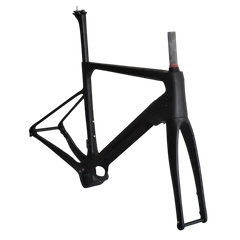
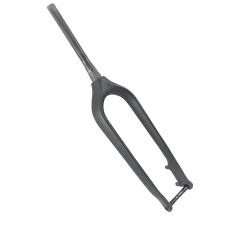
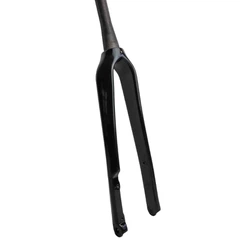
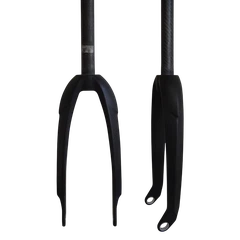



What Is a Carbon Fiber Bike?
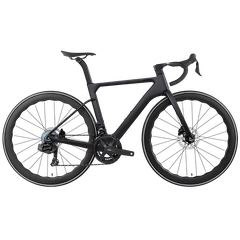
A carbon bicycle is a bicycle made primarily of carbon fiber, a material renowned for its lightness and strength. Imagine a bicycle that weighs less than a laptop yet can withstand the stress of a rough road or a steep climb. This is the advantage of carbon fiber. Unlike metal frames like aluminum or steel, carbon fiber is molded in layers, allowing engineers to adjust its stiffness and flexibility as needed. This allows for more creative frame designs, improving the bike's handling and ride quality.
Our Carbon Bike Series

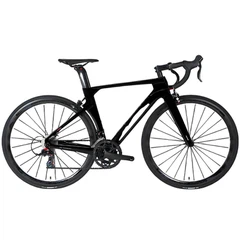
Carbon Road Bike
Send Inquiry Now

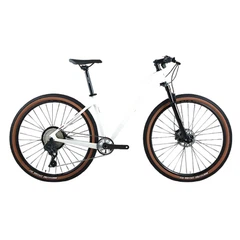
Carbon Fiber MTB Bike
Send Inquiry Now

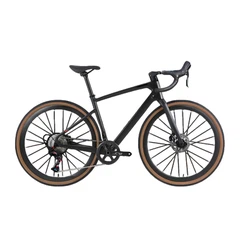
Carbon Fibre Gravel Bike
Send Inquiry Now

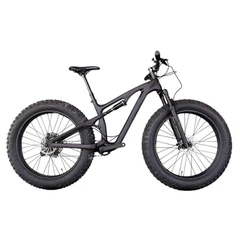
Full Carbon Fat Bike
Send Inquiry Now

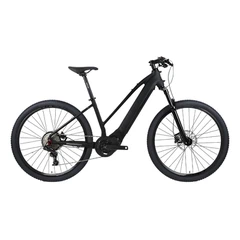
Carbon E-Bike
Send Inquiry Now
Carbon Spoke Series

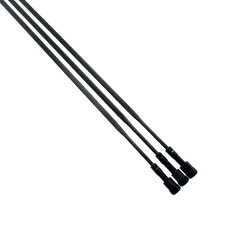
Carbon Spokes
Send Inquiry Now

Carbon Bicycle Spokes
Send Inquiry Now
Type of Bike Hubs

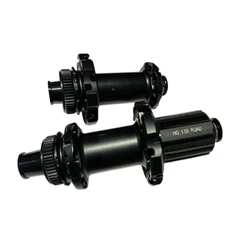
Bike Hub
Send Inquiry Now

Bicycle Hub
Send Inquiry Now

Bike Wheel Hub
Send Inquiry Now

Hub for Bike
Send Inquiry Now

Mtb Hubs
Send Inquiry Now

Bike Hub
Send Inquiry Now

Bike Hub
Send Inquiry Now

Bicycle Hub
Send Inquiry Now
Carbon Fiber Bike Technical Specifications
Frame Material
Most full-carbon bikes use Toray T700 or T800 carbon fiber, which is pressed and cured at high temperatures. These materials are strong and lightweight and are often used in high-performance bikes. Some frames combine the two to achieve a better balance between stiffness and comfort.
Frame Weight
A typical carbon fiber road bike frame weighs just 850 grams (about 1.9 pounds), while a mountain bike frame weighs around 1.1 kilograms (2.4 pounds), depending on size and design. A lighter frame can help you ride faster and with less effort, especially on climbs.
Geometry Options
Carbon fiber bikes come in a variety of sizes and geometries. You can choose one based on your height, riding position, and terrain. A racing bike might feel more compact and faster, while an endurance bike offers a more comfortable ride for longer rides.
Brake and Drivetrain Compatibility
Most frames support disc brakes and modern drivetrains like Shimano or SRAM. Internal cable routing is standard, offering a clean look and reduced aerodynamic drag.
Tire Clearance
Depending on the model, carbon fiber bikes can accommodate tires up to 32mm (road) and 2.4 inches (mountain bike). Wider tires provide better grip and comfort, especially on uneven terrain.
Integrated Bicycle Hub Compatibility
Carbon World carbon bike are fully compatible with both DT hubs and our in-house developed hubs. Each option supports optimal drivetrain response and bearing durability. We machine the dropout interface precisely to ensure perfect hub alignment and power transfer across various riding styles.
Carbon Spoke Sizing and Strength
We use high-tensile carbon spokes available in two diameters: 3.2mm for lightweight performance and 5.4mm for added stiffness under load. Each spoke is precision-fit to maintain ideal tension and reduce rotational weight, ensuring long-term wheel integrity on demanding terrain.

Why Choose a Carbon Fiber Bike for Performance & Lightweight Needs?
When you want a bike that feels fast and easy to handle, carbon fiber makes a real difference. It’s strong but extremely light, which means you can climb hills more easily and move quickly on the flats. You don’t have to push as hard to get the bike going, and that saves your energy on longer rides.
Carbon fiber also gives the frame a stiff, solid feel. When you press on the pedals, more of your power goes straight into the wheels. This makes the bike more responsive, especially when you speed up or take sharp turns.
Another reason to choose carbon is comfort. The frame can absorb small bumps from the road or trail, so your ride feels smoother. You won’t get as much vibration through your hands and arms, which makes a big difference over time.
For many riders, it’s about balance—lightweight performance without giving up strength. If you care about speed, control, and how a bike feels under you, carbon fiber is a material that can meet all of those needs without adding extra weight.

Full Carbon Bike Manufacturing Process
Step 1: Carbon Fiber Layup
Skilled technicians hand-lay pre-impregnated carbon fiber sheets into precision molds. Each layer is carefully positioned at a specific angle (0°, 45°, or 90°) to optimize strength where it's needed most. They use different grades of carbon fiber (T700, T800) for different frame sections to balance stiffness and flexibility.
Step 2: Molding and Shaping
After the layup is complete, the carbon fiber sheets are placed into a mold and cured at a high temperature of 130°C and 90 psi of pressure. The resin fully cures, bonding all the layers into a solid structure. This process takes 2-3 hours under computer-controlled conditions to ensure perfect consistency every time.
Step 3: Trimming and Inspection
After molding, excess material is trimmed away. The frame is then carefully inspected for voids, bubbles, or defects. This step is primarily for quality control.
Step 4: Surface Treatment
Next comes sanding, painting, and clearcoating. This creates the final look of your bike, with clean lines, smooth surfaces, and a sleek finish. The rough frame undergoes several surface preparation steps:
Hand sanding with progressively finer grit levels
Primer application in a cleanroom
Custom paint with an automotive-grade finish
Clear coat hand-polished to a mirror-like sheen
Step 5: Assembly
Finally, components such as the fork, headset, and hardware are installed. The end result is a frame ready for wheels, drivetrain, and your first ride.

Compare Carbon Bike vs Aluminum / Steel Bikes
|
Feature |
Carbon Bicycle |
Aluminum Bike |
Steel Bike |
|
Weight |
Very light – great for climbs |
Light, but heavier than carbon |
Heavier, especially in larger sizes |
|
Ride Comfort |
Smooth – absorbs road vibration |
Harsher ride – less shock absorption |
Comfortable, absorbs bumps well |
|
Stiffness |
High–efficiency power transfer |
Moderate – decent stiffness |
Lower stiffness, more flex |
|
Durability |
Strong but can crack on hard impact |
Good – holds up well to hits |
Very strong and long-lasting |
|
Corrosion |
Doesn’t rust |
Doesn’t rust |
Can rust if not protected |
|
Cost |
Higher price |
More affordable |
Varies – usually mid-range |
|
Repairability |
Hard to repair |
Easier to fix dents/cracks |
Easily welded or fixed |
How to Choose the Right Carbon Bike for Your Market
Factors to Consider by Region or Market
When selecting the right carbon bike for your market, start by looking at what riders in your region actually need. In Europe, long-distance road cycling is popular, while in North America, gravel riding and trail adventures are growing fast. In Asia, compact urban designs with responsive handling might matter more.
Choosing Frame Geometry Based on Use
The shape and angles of a bike frame affect how it rides. If your customers prefer speed and race-style performance, go for aggressive geometry with a longer reach and lower stack. For comfort-oriented buyers, especially in endurance or touring markets, a relaxed frame with a higher front end works better.
Popular Types and Tire Clearance Needs
Are your customers riding on tarmac, gravel, or a mix of both? For road use, frames that fit 28–32mm tires are enough. But gravel riders will want space for 40mm+ tires. Offering carbon bikes with flexible tire clearance helps your product serve a broader market.
Local Road Conditions & Terrain Preferences
Think about whether your target region has more paved roads, rough terrain, or steep climbs. Mountainous markets might need lightweight climbing frames, while flatter areas could benefit from aerodynamic designs. Suspension options also matter if you're targeting rough off-road conditions.
Who Are You Selling To?
Finally, consider the rider. Are they performance athletes, commuters, or casual weekend cyclists? Each group values different things, speed, comfort, durability, or price. Tailoring your frame type and spec options to these buyer profiles gives your carbon bike a better chance of standing out.

How to Do Basic Maintenance on a Carbon Bike?
Clean Your Bike Regularly
After a wet ride, wipe down the frame to prevent dirt buildup. Dust and dirt can quickly wear out parts. Use a soft brush and mild soapy water to clean the frame, wheels, and chain. Avoid using high-pressure water, as it can force grit into the bearings.
Lubricate the Chain
A dry chain makes pedaling harder and wears faster. Apply bicycle-specific chain lubricant every 100-150 miles (about 160-244 kilometers). Wipe off any excess lubricant to prevent dirt from accumulating.
Check Your Tire Pressure
Proper tire pressure makes your ride safer and smoother. Before every ride, check your tires with a pump equipped with a pressure gauge. Inflate your tires according to the numbers printed on the sidewalls.
Check Your Brakes and Shifters
Make sure your brakes stop the bike quickly and your shifters shift smoothly. Check your brake pads for wear and adjust the cable tension as needed. If your shifting doesn't feel smooth, you may need a tune-up. If your brakes feel spongy or squeak:
• Check your brake pads for wear.
• Clean your brake rotors with isopropyl alcohol.
• Adjust cable tension if necessary.
Tighten Bolts and Screws.
Vibration from riding can cause bolts to loosen over time. Use the appropriate tools to regularly check and tighten the screws on your handlebars, seatpost, and wheels. Check the tightness of key bolts monthly:
• Stem/handlebar
• Seatpost
• Wheel
Use a torque wrench if possible; overtightening can damage components.

Carbon Bicycle FAQs
Q: How much does a full carbon bike weigh?
Most carbon bikes weigh between 7–9 kg, depending on the design and parts. Lighter models are often used for racing, while trail or gravel models may be slightly heavier for extra strength.
Q: Can a carbon bicycle be repaired?
Small cracks or surface damage can often be repaired by a specialist. If there’s major structural damage, replacement may be safer. Always inspect after a crash
Q: Do carbon bikes support custom parts?
Yes. You can upgrade components like wheels, hubs, and spokes. Many carbon bikes are built with compatibility in mind, so they can fit your preferred setup easily..
Q: Are carbon bicycles suitable for beginners?
Yes. Carbon bikes come in many styles and price ranges, so beginners can find models that fit their needs and budgets.
Q: How heavy is a typical carbon bike?
Most carbon bikes weigh between 7 and 9 kilograms, though some racing models can be even lighter.
Q: Do carbon bikes crack easily?
No, carbon bikes are built to be strong and durable. However, like any material, they can crack if subjected to serious impacts or improper handling. Regular inspections help catch any issues early.
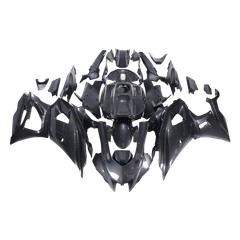
Leading carbon fiber bike manufacturer and supplier in China, specializing in high-quality carbon fiber products with OEM/ODM services. Our factory offers carbon bike rims, fairings, and custom carbon fiber solutions for sports, automotive, and industrial use. Contact us for a quote.
