

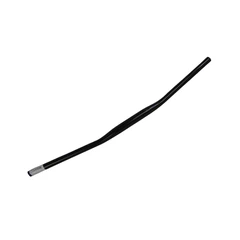
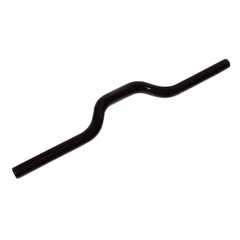
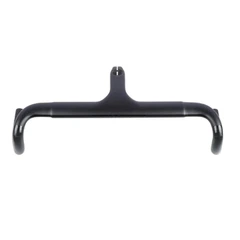
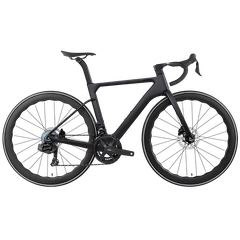



What Are Carbon Road Bike Handlebars?
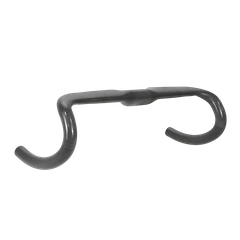
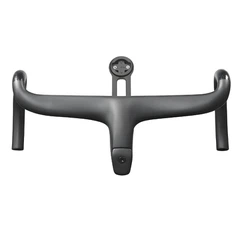
Carbon fiber road bike handlebars are high-performance cycling components designed for speed, efficiency, and comfort. Unlike alloy handlebars, it allows manufacturers to fine-tune the flex area and stiffness in different parts, giving the rider better control without compromising strength. They come in various styles, such as aero handlebars, drop bars, and integrated carbon handlebars, tailored for speed optimization and cable integration.
Explore Our Carbon Fiber Road Bike Handlebars Collection

Carbon Road Bike Handlebars
• Model: MYB05HBR15
• Top Width: 340/360/380/400mm
• Drop Width: 400/420/440/460mm
• Material: Carbon Fiber
• Reach: 79mm
• Drop: 125mm
• Stem Clamp Diameter: 31.8mm
• Weight: 255 ± 10g (400mm, excluding accessories)
Send Inquiry Now

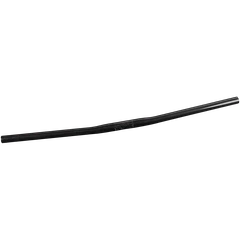
Carbon Fiber Road Bike Handlebars
• Model: MYB05HBR02
• Top Width: 360/380/400/420/440mm
• Drop Width: 380/400/420/440/460mm
• Stem Length: 80/90/100/110/120mm
• Material: Carbon Fiber
• Fork Height: 38mm
• Reach: 75mm
• Drop: 125mm
• Angle: 10°
• Stem Angle: 28.6mm
• Weight: 395 ± 10g (400x110mm, excluding accessories)
Send Inquiry Now

Handlebar Road Bike Carbon
• Model: MYB05HBR07
• Top Width: 360/380/400/420/440mm
• Drop Width: 390/410/430/450/470mm
• Stem Length: 80/90/100/110/120mm
• Material: Carbon Fiber
• Fork Height: 38mm
• Reach: 70mm
• Drop: 110mm
• Angle: -7°
• Stem Angle: 28.6°
• Rise: 20mm
• Weight: 370 ± 10g (420x110mm, excluding accessories)
Send Inquiry Now

Carbon Road Bike Handlebars
• Model: MYB05HBR09
• Top Width: 360/380/400/420/440mm
• Stem Length: 80/90/100/110/120mm
• Material: Carbon Fiber
• Fork Height: 38mm
• Reach: 80mm
• Drop: 125mm
• Angle: 10°
• Stem Angle: 28.6mm
• Weight: 360 ± 10g (400x110mm, excluding accessories)
Send Inquiry Now

Carbon Fiber Road Bike Handlebars
• Model: MYB05HBR09-1
• Top Width: 360/380/400/420/440mm
• Stem Length: 80/90/100/110/120mm
• Material: Carbon Fiber
• Fork Height: 38mm
• Reach: 80mm
• Drop: 125mm
• Angle: 10°
• Stem Length: 28.6mm
• Weight: 360 ± 10g (400x110mm, excluding accessories)
Send Inquiry Now
Feature of Carbon Handlebars Road
Lightweight Construction: Carbon fiber allows a lighter cockpit without reducing structural strength. Less weight at the front of the bike can improve climbing feel and handling response.
Tuned Stiffness: The fiber layout can be adjusted to control flex. This helps maintain precise steering during hard efforts while avoiding excessive harshness on rough roads.
Vibration Control: Compared to many alloy bars, carbon handlebars can reduce small road vibrations. Over time, this may help reduce hand and arm fatigue on long-distance rides.
Aerodynamic Shaping: Carbon molding makes it easier to create smooth aero profiles. Internal cable routing options also support a cleaner front-end design.


Why Choose Carbon Fiber Road Bike Handlebars?
The Weight Advantage
At 200-250 grams (vs. 300-350g for alloy), carbon bars offer instant weight savings where it matters most - at the front end of your bike. This translates to:
Quicker steering response for technical descents
Reduced upper-body fatigue on long climbs
Race-winning marginal gains when seconds count
Ride Quality Redefined
Carbon's natural vibration-damping eliminates the "buzz" of rough roads:
30% less vibration than aluminum (lab tested)
Reduced hand numbness on endurance rides
Enhanced control in crit racing and sprints
Aerodynamic Edge
Many carbon bars feature wing-shaped top sections and internal cable routing for:
5-10 watt savings at 40km/h (wind tunnel verified)
Cleaner front-end integration
Pro-level aesthetics that sell bikes
Compare Carbon Handlebar Road Bike vs Alloy Road Bike Bars
|
Feature |
Carbon Road Bike Handlebars |
Alloy Road Bike Bars |
|
Material Weight |
Lightweight (180g–250g) – ideal for competitive and endurance cycling |
Heavier (280g–350g), less suitable for performance-focused builds |
|
Vibration Damping |
Excellent road shock absorption – reduces hand fatigue on long rides |
Poor damping – transmits more road buzz to hands and arms |
|
Stiffness-to-Weight Ratio |
Tunable stiffness zones – responsive under sprint and stable in corners |
Generally uniform stiffness – lacks dynamic response |
|
Aerodynamic Design |
Supports aero shaping and internal cable routing (integrated options available) |
Limited shaping due to manufacturing constraints |
|
Comfort & Ergonomics |
Better ergonomic shaping, flatter tops, and curved drops for improved hand position |
Traditional round shape with fewer ergonomic options |
|
Customization (OEM) |
Custom widths, finishes, and branding available for OEM & B2B clients |
Limited customization options |
|
Durability & Crash Resistance |
Strong under normal use; requires inspection after impacts |
More forgiving in low-speed crashes, less sensitive to over-torque |
|
Cost |
Higher initial cost, but offers long-term performance benefits |
More budget-friendly, commonly found on entry-level road bikes |
OEM & Custom Options of Carbon Road Bike Bars
Geometry Customization: Width, reach, and drop can be adjusted based on target riders. Flare angle and rise can also be modified for different riding styles.
Integrated Design Support: For integrated carbon road bike bars, we can assist with mold development and internal cable routing layouts. Stem length and angle can be built into a one-piece cockpit system. Clear drawings or 3D files help speed up this process.
Surface & Branding Options
Available options may include:
UD, 3K, or 12K finish
Matte or gloss coating
Custom logo placement
Decal or painted graphics
Prototype to Production: Projects can begin with sample development. After fit and testing approval, production planning focuses on consistency, weight control, and structural stability across batches.


How to Choose the Right Width and Reach
Handlebar Width
Width is usually matched to your shoulder width.
If the bar is too wide, your arms may feel stretched and less aerodynamic.
If it is too narrow, breathing can feel restricted, and steering may become less stable.
Many road riders choose widths between 380mm and 420mm.
Handlebar Reach
Reach is the distance from the center of the bar to the forward curve.
A shorter reach keeps your position more compact.
A longer reach stretches you forward and lowers your upper body.
If you prefer comfort and endurance riding, a shorter reach often feels easier. For a more aggressive position, a longer reach may suit you better.
Integrated vs Traditional Drop Handlebars
When choosing road handlebars, you may decide between an integrated system and a traditional drop bar with a separate stem. Each option has clear differences.
An integrated handlebar combines the bar and stem into one piece. This design often creates a cleaner look and smoother airflow at the front of the bike. Internal cable routing is easier to manage in a fully integrated cockpit. It can also reduce overall weight in some builds. However, fit adjustment is more limited. Stem length and angle are fixed once produced.
A traditional drop handlebar uses a separate stem. This setup offers more flexibility. You can change the stem length or angle without replacing the entire bar. It is often easier to fine-tune bike fit.


How to Install Carbon Road Bike Handlebars Safely
Use a Torque Wrench at All Times
Carbon fiber is strong yet sensitive to over-tightening. Always use a calibrated torque wrench and follow the manufacturer's recommended torque values, typically 4–6 Nm for faceplate bolts and 5–8 Nm for stem clamps. Over-torquing can cause microfractures that compromise structural integrity.
Apply Carbon Assembly Paste
Before mounting, apply a thin layer of carbon assembly paste to the clamping areas. This specialized compound increases friction between surfaces, reducing the risk of slippage while allowing you to use lower torque. Avoid using grease, which can cause unwanted movement.
Correctly Adjust the Center Position of the Handlebars
Ensure the handlebar is evenly centered in the stem clamp and aligned with the front wheel. Misalignment can lead to poor handling and uneven load distribution.
Check Cable Routing
If your carbon fiber road bike handlebars feature internal routing, ensure cables and housing are smoothly fed through the bar without tight bends. Improper routing can increase friction and affect shifting or braking performance.
Tighten Bolts in a Cross-Pattern
When securing the faceplate, tighten the bolts in an "X" pattern gradually-this distributes pressure evenly across the bar and prevents point-loading, which can cause stress cracks.
Inspect Before First Ride
Double-check all bolts, ensure there is no visible gap in the faceplate, and gently test for any rotational movement. If anything feels loose, recheck your torque settings before riding.
How to Maintain Carbon Road Bike Bars for Long-Term Use
Inspect Regularly for Cracks or Surface Damage
At least once a month, or after any crash, drop, or impact, inspect your handlebars closely. Look for fine hairline cracks, white stress marks, delamination, or any unusual creaking sounds during rides. Use a soft light or cloth to check areas under the stem clamp and lever brackets.
Clean with Non-Abrasive Materials
Use a microfiber cloth and mild soap solution to clean your road bike handlebar carbon. Avoid abrasive sponges, degreasers, or high-pressure washers, which can weaken protective coatings or allow water to penetrate between composite layers.
Reapply Carbon Paste When Reinstalling
If you remove the handlebars for service or travel, reapply carbon assembly paste before reinstallation. This ensures a consistent grip and reduces the risk of slippage or over-tightening when reassembled.
Monitor Torque Settings Periodically
Carbon bars can settle slightly over time. Recheck the stem clamp and lever torque every few months to ensure everything remains within safe specifications. Never exceed the manufacturer's recommended torque range.
Avoid Prolonged UV or Heat Exposure
Extended exposure to direct sunlight or high heat (like inside a hot car) can degrade the resin matrix that binds carbon fibers. Store your bike indoors or use UV-protective finishes for extra safeguarding.
Keep Handlebar Tape Dry and Replace
Wet or deteriorated bar tape can trap moisture and mask surface damage underneath. Replace it regularly and ensure the underlying bar remains dry and clean.


How Our Handlebar Road Bike Carbon Is Tested for Strength & Safety
Fatigue Resistance Testing
Each batch of our road bike carbon handlebars undergoes fatigue simulation, mimicking thousands of hours of riding and repeated load cycles. This test helps verify the handlebar's structural resilience over time and under continuous force from climbing, braking, and sprinting.
Impact and Drop Tests
To simulate real-world accidents, our handlebars are subjected to controlled impact tests, including frontal drops and side-force loading. This ensures the bars can withstand sudden shocks, such as crashes or aggressive descents, without cracking or delaminating.
Clamp Load & Torque Resistance
We test clamping zones using standardized torque ranges (usually up to 6 Nm) to ensure the handlebar maintains structural integrity even under high clamping forces from stems and levers. This is vital for preventing failure in high-stress areas.
Material Quality and Resin Uniformity Checks
Using ultrasonic inspection and fiber alignment analysis, we verify that each road bike's carbon handlebar has consistent resin distribution and correct fiber orientation. This minimizes weak points and ensures predictable flex and stiffness profiles.
FAQs About Carbon Fiber Handlebars Road Bike
Q: Do carbon handlebars change the ride feel compared to alloy bars?
A: Absolutely. Carbon handlebars have a more damped, smoother ride feel. Riders often report less wrist fatigue and more responsive handling, especially during high-speed descents or sprint accelerations, compared to the harsher feedback of alloy bars.
Q: What is the shelf life of unused carbon handlebars?
A: If stored in dry, temperature-controlled environments away from UV exposure, unused carbon handlebars from Carbon World can retain their full performance properties for 5–7 years without degradation. Proper packaging and storage further help preserve the integrity of the carbon fiber structure.
Q: How do carbon handlebars influence bike handling and cornering performance?
A: Due to their tunable stiffness and low weight, carbon handlebars provide sharper steering input and better road feedback. Riders typically notice more precise cornering control and a snappier front-end feel, especially during high-speed descents.
Q: Why are some carbon road handlebars more expensive than others?
A: Price differences often reflect carbon grade, manufacturing technique (monocoque vs bonded), layup complexity, finish quality, and features like internal cable routing. Higher-end models typically use high-modulus carbon, saving weight while improving stiffness and control.
Q: What kind of surface finish is best, matte or glossy?
A: Both finishes perform equally, but matte UD (unidirectional) is often preferred for its lightweight and stealth appearance, while glossy or 3K weaves offer visual appeal and scratch resistance. Choice depends on aesthetics and brand positioning.
Q: Are carbon handlebars safe for riders who sprint or ride aggressively?
A: Yes. Our carbon handlebars are engineered and tested for high-torque stress from sprinting, out-of-saddle climbing, and aggressive cornering. Reinforced clamping zones and controlled fiber orientation provide strength exactly where it's needed most.
What Do Customers Say About Carbon World?


Leading carbon road bike handlebars manufacturer and supplier in China, specializing in high-quality carbon fiber products with OEM/ODM services. Our factory offers carbon bike rims, fairings, and custom carbon fiber solutions for sports, automotive, and industrial use. Contact us for a quote.
