

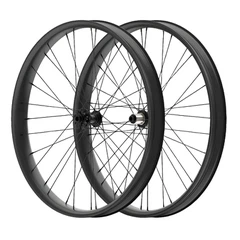
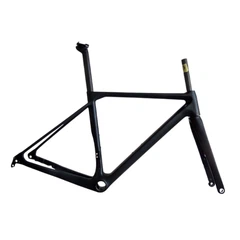
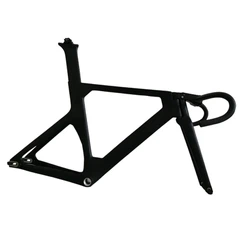
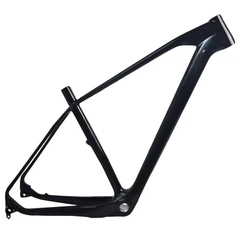
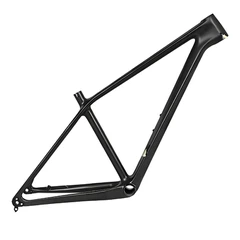
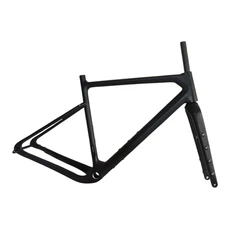
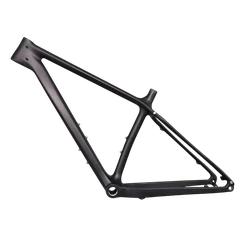
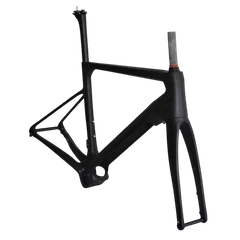
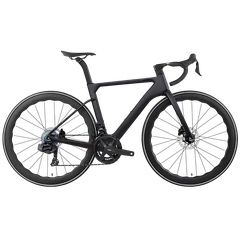


What Are Carbon Fiber Bike Frames?
Carbon fiber bicycle frames are made from high-strength Toray T700 or T800 carbon fiber, a prepreg woven from fine carbon fiber filaments embedded in a resin matrix. Our carbon fiber frames combine aerospace-grade materials, rider-centric geometry, and handcrafted craftsmanship, achieving a perfect balance of rigidity, comfort, and aerodynamic efficiency. We can provide customized designs (ODM & OEM) to meet your specific needs, offering a one-stop solution.
Types of Carbon Fiber Bike Frames Carbon World Offers
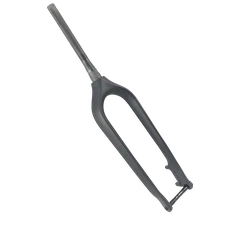
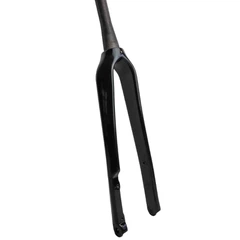
Carbon Bike Frame

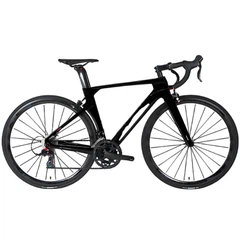
Carbon Road Frame
Send Inquiry Now

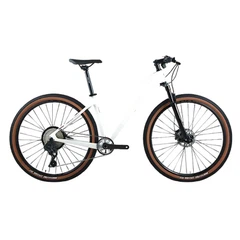
Carbon MTB Frame
Send Inquiry Now

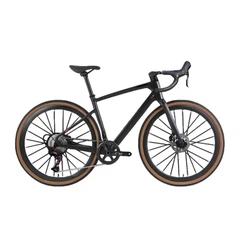
Carbon Gravel Frame
Send Inquiry Now

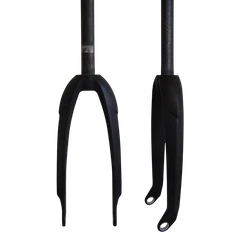
Carbon Frame BMX
Send Inquiry Now

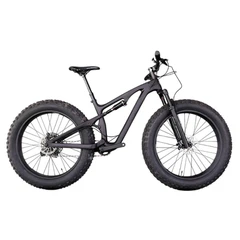
Carbon Fat Frame
Send Inquiry Now
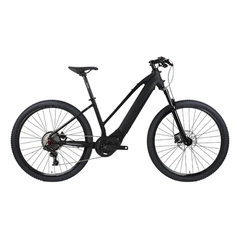
E-Bike Carbon Frame

Carbon E-bike Road Frame
Send Inquiry Now

Carbon Fat Bike Frame 26er
Send Inquiry Now

Carbon E-bike Frame MTB
Send Inquiry Now

Carbon E-bike MTB Frame
Send Inquiry Now
If you require custom designs, please contact us for a current quote. We also welcome you to discuss more information about the carbon fiber bicycle industry.
Benefits of Carbon Bike Frames in Cycling
Lightweight for Easier Climbing
Carbon bicycle frames offer a weight advantage over metal frames. This is especially beneficial when climbing. A high-quality carbon fiber bike frame is typically 30-40% lighter than a comparable aluminum frame, yet just as stiff. Less weight means less effort, helping you ride longer without tiring quickly.
Better Shock Absorption
When you're riding on rough roads or trails, a carbon fiber bicycle frame absorbs more vibration. This results in a smoother ride and is easier on your arms and back. You can feel the difference, especially on long rides.
Strong and Durable
Carbon fiber is not only lightweight but also resists the corrosion common to metal bikes. But its unique feature is that it can be designed to be rigid in some areas and flexible in others. This balance gives you greater control without making the ride feel overly stiff.
Engineering
Unlike cookie-cutter metal tubing, carbon fiber allows for precise control of frame properties. Manufacturers layer the carbon fibers in specific directions to provide just the right amount of stiffness or flexibility where needed. This means:
• Carbon bike frames are both strong and durable for sprinting, yet absorb road vibrations.
• A carbon fiber frame MTB can withstand intense impacts while remaining lightweight.
• A carbon fiber gravel bike frame offers a balance of comfort and efficiency on mixed terrain.

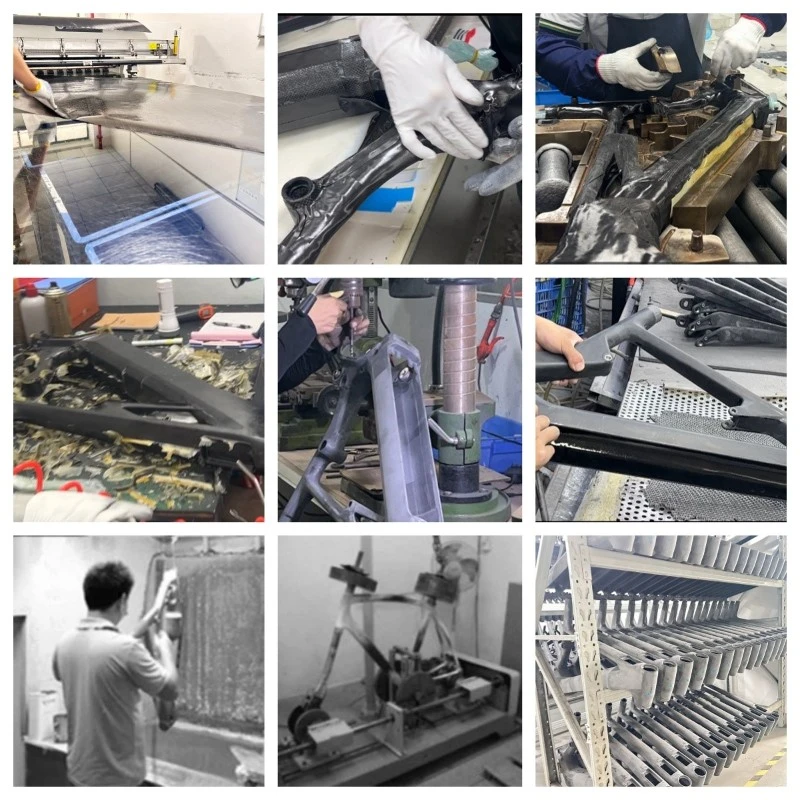
Carbon Bicycle Frame Manufacturing at Carbon World
High-Quality Carbon Fiber Layup
We select premium Toray T700 and T800 carbon fibers, which are hand-laminated by experienced technicians. Different fiber weave patterns (3K, 12K, and UD) of prepreg are available, and specific areas are thickened according to the frame's characteristics (e.g., enhancing bottom bracket stiffness and improving rear fork comfort). This laminate design aims to strengthen specific areas of the frame requiring high stiffness to meet the strength requirements of carbon fiber frames, thus achieving optimal durability and impact resistance.
EPS Molding Technology
We use EPS for internal molding, rather than traditional air bladder molding. This process results in a smoother frame interior with fewer wrinkles and more uniform wall thickness. It also reduces excess resin and avoids stress points that can cause long-term cracking.
Precision Drilling and Alignment
Each frame is CNC-drilled to ensure precise alignment for cable routing, bottle cage holes, and chainstays. Each drill point is manually inspected to ensure there are no burrs or misalignments, ensuring long-term frame durability.
Final Finishing and Inspection
Each frame undergoes rigorous inspection and quality testing to ensure it meets the highest performance and safety standards.
Our tests include:
Fatigue testing: ensuring the frame can withstand the wear and tear of high-intensity riding;
Ultrasonic testing: detecting any internal defects or voids that could affect the frame's integrity;
Visual inspection: ensuring the frame is free of any cosmetic defects and meets our aesthetic standards. These tests far exceed industry standards, guaranteeing that each frame maintains optimal performance and superior durability throughout extended riding sessions. We don't just sample; we conduct full-process testing on all carbon fiber frames that meet our production procedures to ensure consistent product quality that meets customer needs.
Frame Geometry and Its Impact on Performance
Head Tube Angle: Head tube angle affects a bike's steering speed. A steeper angle improves handling, making it ideal for racing or weaving in and out of traffic. A shallower angle provides greater stability on fast descents or rough terrain. Road bikes typically have slacker head tube angles (72-74°), mountain bikes have slacker head tube angles (64-68°), and gravel bikes have slacker head tube angles (69-71°).
Seat Tube Angle: Modern bikes have slacker seat tube angles (73-76°), which affect your pedaling position. A more upright seat tube position puts you directly over the pedals, which promotes more efficient power transfer. This is common on road bikes designed for long-distance riding.
Chainstay Length
Shorter chainstays (405-420mm) make the bike more responsive, allowing for quicker acceleration and easier wheelies. Longer chainstays (430-445mm) provide increased stability and better climbing grip, especially when descending or carrying a load, making them a popular choice for endurance road bikes and weight-touring bikes.
Bottom Bracket Height: A lower bottom bracket (265-270mm drop) means a lower center of gravity. This makes the bike feel more stable and aids cornering. A taller bottom bracket (295-315mm drop) provides greater pedal clearance on rough terrain. Cross-country bikes use a medium bottom bracket height (275-285mm) to balance cornering stability and obstacle clearance.

Why Global Brands Choose Carbon World Carbon Frames
Advanced Material
We use only Toray T700 and T800 carbon fiber, the same premium materials trusted by the aerospace and motorsport industries. These fibers offer:
• Higher strength-to-weight ratios than standard carbon.
• Consistent quality batch-to-batch.
• Optimal stiffness for responsive riding.
Lightweight & Durable
Carbon World: Every frame undergoes strict testing to ensure it meets real-world demands:
• Quality control for uniform resin distribution.
• 200,000+ fatigue cycle testing (exceeding ISO standards).
• Impact resistance checks for crash safety.
• Weight optimization without sacrificing strength.
Competitive Pricing
Whether you're a startup brand or a large-scale distributor, we make it easier to grow your business.
• Low minimum order quantities to reduce upfront risk.
• Flexible OEM/ODM options without hidden costs.
• Direct factory pricing with no middlemen.

Carbon Fiber Bicycle Frame Production Process
Installation & Maintenance of Carbon Bike Frames
Installation
• Tighten all bolts using a torque wrench (4-6 Nm is typical for carbon fiber components).
• Apply carbon fiber assembly compound to the seatpost and stem.
• Avoid overtightening; carbon fiber cracking is caused by excessive force, not loosening.
Regular Maintenance
• Wash with mild soap and water; avoid pressure washers.
• Check for cracks after a crash or impact.
• Check bolt tension regularly, especially after the first 100 miles.
Storage Precautions
• Store indoors away from extreme temperatures.
• Use frame protectors where cables contact the frame.
• Hang the frame vertically or support it from multiple points when not in use.

Test of Carbon Frame
FAQ
Q: How do I choose the best bike frame for road cycling? Choosing the best frame for road cycling involves considering the following aspects:
A: Materials: Carbon fiber frames are the preferred choice for professional road cyclists due to their lightweight, stiffness, and aerodynamic advantages.
Geometry: Choose the appropriate geometry based on your riding style—aggressive geometry (more moderate angles) is suitable for racing and speed demands, while comfortable geometry (steerer angles) is suitable for long-distance riding.
Frame Fit: Ensure the frame size and geometry fit your body type to avoid discomfort and inefficiency. Consult your local bike shop or use an online frame size calculator.
Budget: If you are a racing rider, choose a high-end carbon fiber frame; for recreational riders, a budget-friendly aluminum frame with a carbon fiber fork will suffice.
Q: What are the main differences between steel and carbon fiber bike frames?
A: The main differences between steel and carbon fiber frames lie in weight, comfort, and durability:
Weight: Carbon fiber is significantly lighter than steel, making it suitable for racing riders who need to reduce overall bike weight.
Comfort: Carbon fiber frames absorb shocks better, providing a smoother ride, while steel frames offer a more classic feel, which some riders prefer.
Durability: Steel frames are very strong and durable, able to withstand significant wear and tear, while carbon fiber is more fragile in certain situations (such as impacts), but with proper maintenance, carbon fiber frames can last for many years.
Price: Steel frames are generally cheaper than carbon fiber, but carbon fiber frames offer superior performance and efficiency.
Q: What’s the difference between T700 and T800 carbon?
A: Both T700 and T800 carbon fiber are high-quality carbon fiber materials widely used in bicycle frame manufacturing. Their main differences are as follows:
Strength: T800 carbon fiber is stronger than T700, making it suitable for high-performance racing bicycles.
Weight: T800 is slightly lighter, offering a better weight-to-strength ratio, suitable for riders who want to reduce the overall weight of their frame without sacrificing durability.
Price: Due to its enhanced performance, T800 is more expensive than T700.
Q: Can I customize geometry and finish?
A: Yes, CarbonWorld offers a full range of customization services for geometry and finish.
Geometry: You can adjust the head tube angle, seat tube angle, chain and fork length, and mount height to suit your riding style or comfort requirements.
Finish: We offer matte, gloss, or custom finish options, and logo customization is available for OEM orders.
Q: How does a carbon frame handle impact?
A: Carbon fiber frames are specially designed for good impact resistance, but in certain extreme situations, they are more fragile than metal frames.
Upon impact, carbon fiber absorbs shock better than aluminum alloy, but cracks can still occur under strong impacts.
Our frames undergo rigorous impact testing to ensure good performance under most conditions. After a significant impact, the frame should be inspected for cracks or damage.
Although carbon fiber frames offer good strength and durability, they still require regular inspection and proper maintenance to preserve their structural integrity.
Other Best-selling Products


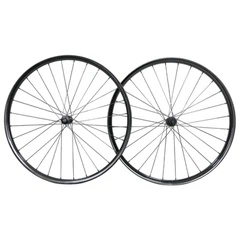
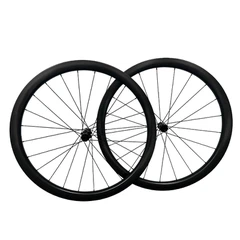
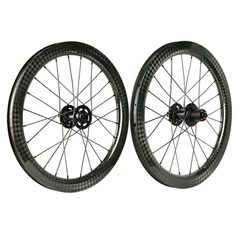
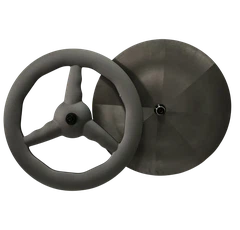
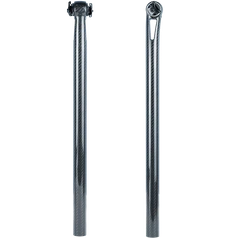
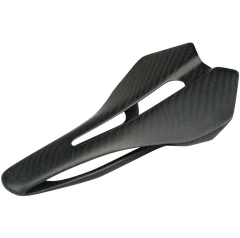
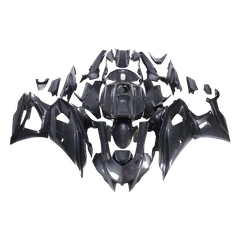
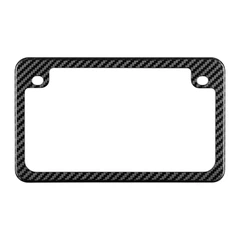
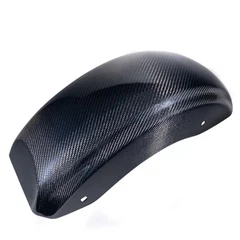
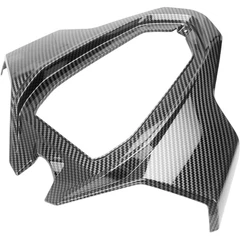
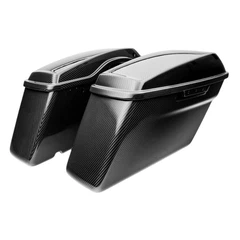
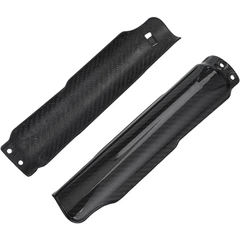
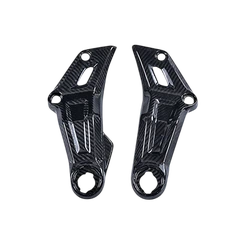
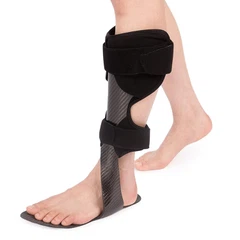
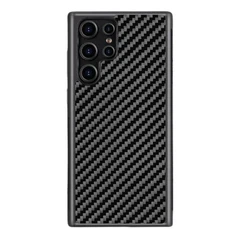
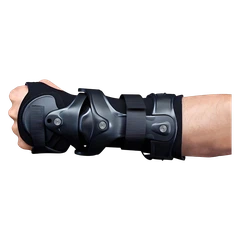
Leading carbon fiber bike frame manufacturer and supplier in China, specializing in high-quality carbon fiber products with OEM/ODM services. Our factory offers carbon bike rims, fairings, and custom carbon fiber solutions for sports, automotive, and industrial use. Contact us for a quote.
