


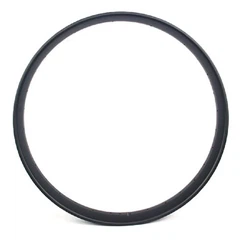
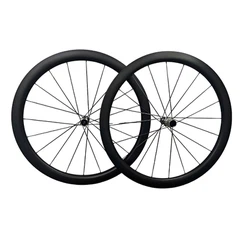
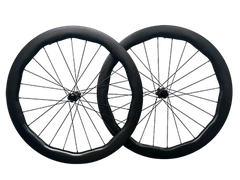
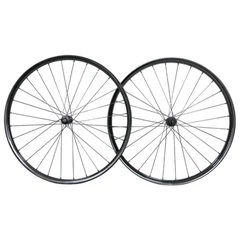
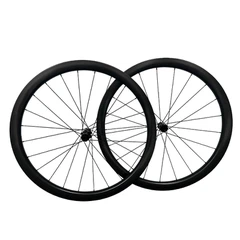
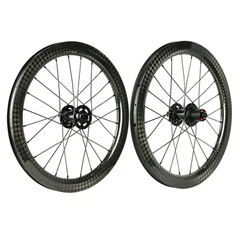
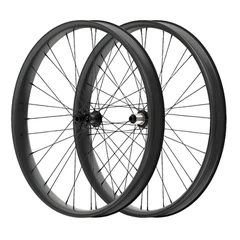
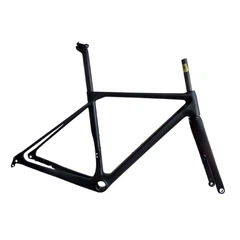
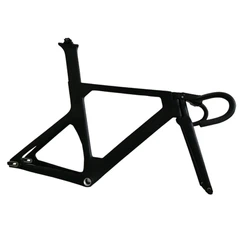
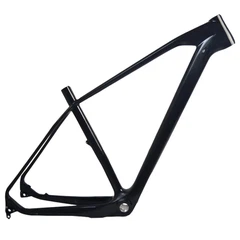
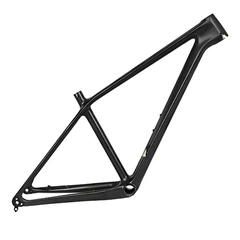
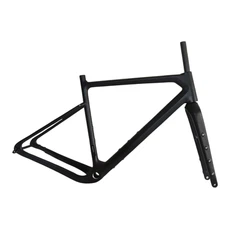
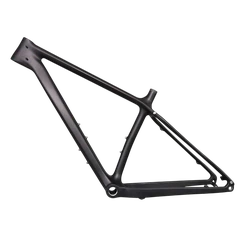
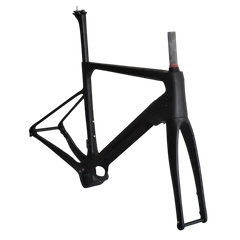
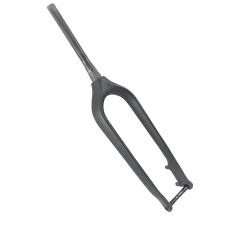
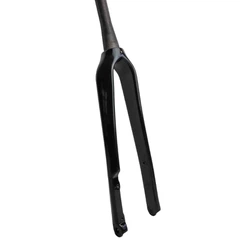
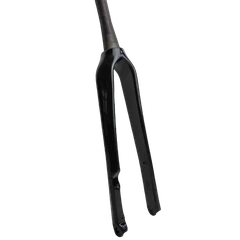
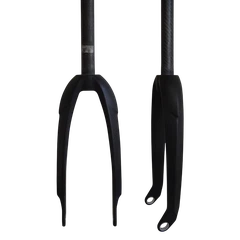
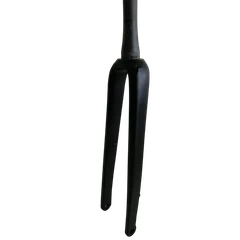
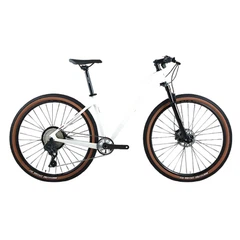
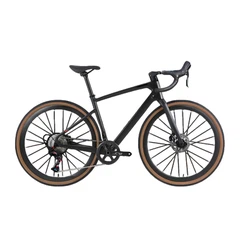
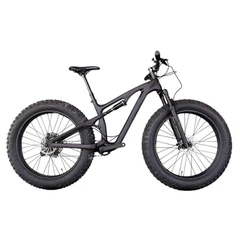
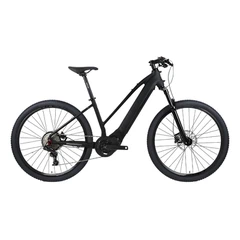



Carbon fiber mountain bike wheels are the preferred choice for high-end mountain bikes due to their lightweight, high strength, and excellent shock absorption. The molding process directly impacts the performance and durability of the wheel, encompassing key steps such as prepreg cutting, layup design, curing, and post-processing.
First, the carbon fiber prepreg must be precisely cut according to the wheel design requirements, ensuring that the fiber orientation aligns with the load direction to optimize mechanical properties. Common layup designs utilize a multi-layer cross-layer structure, such as 0°, ±45°, and 90° arrangements, to balance radial stiffness and lateral toughness. Hoop winding is often used in the rim to enhance impact resistance, while longitudinal fibers are reinforced in the hub connection area to improve torque transmission efficiency.
The molding process typically utilizes autoclave curing or vacuum-assisted resin transfer molding (VARTM). The autoclave method uses high temperature and high pressure to fully penetrate and cure the resin, ensuring a dense wheel structure and uniform strength. VARTM uses vacuum to eliminate air bubbles, reducing production costs and making it suitable for mass production. Precise control of temperature and pressure is crucial during the curing process, typically maintaining temperatures between 120-180°C for several hours to achieve optimal material properties.
After molding, the wheels undergo precision machining, including rim deburring, drilling, and dynamic balancing. Surface treatments such as painting or coatings enhance corrosion resistance, while secondary reinforcement of the spoke holes extends service life. Finally, the wheels undergo dynamic balancing and impact testing to ensure reliability under demanding mountain conditions.
The molding process for carbon fiber mountain bike wheels combines materials science, mechanical design, and precision manufacturing. Optimization of each step directly impacts the riding experience and safety. With advancements in technology, future carbon fiber wheels will become lighter and stronger, further enhancing mountain bike performance.


