


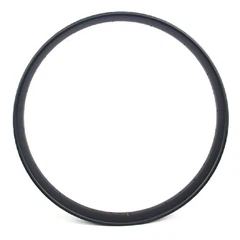
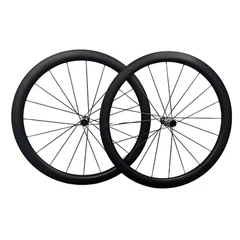
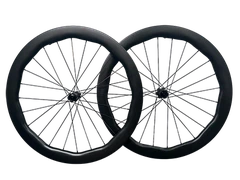
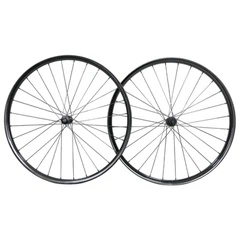
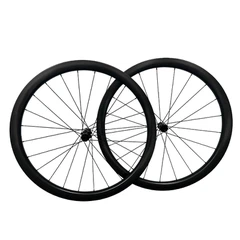
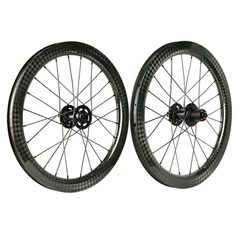
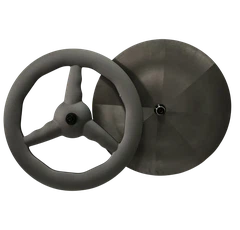
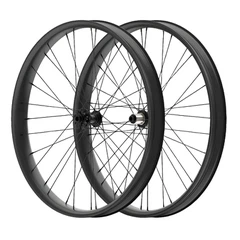
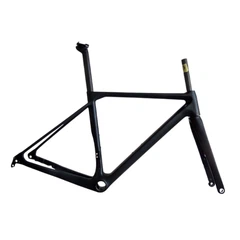
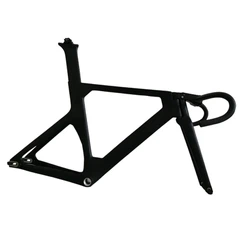
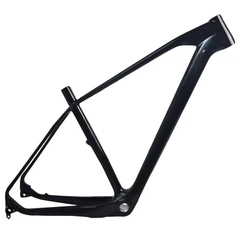
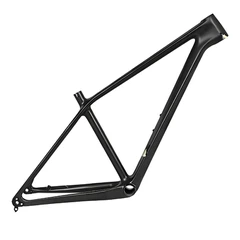
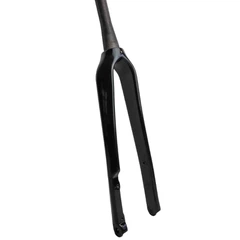
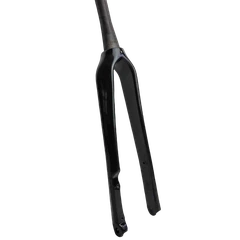
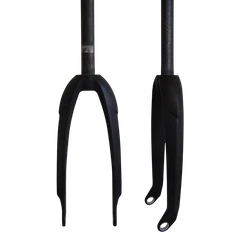
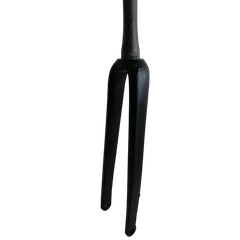
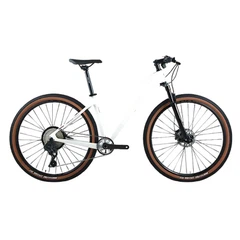
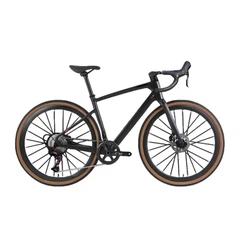
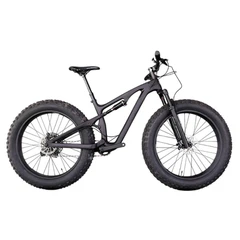
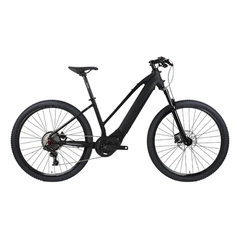






In mountain biking, rims are key components that directly impact the riding experience and performance. Carbon fiber rims, due to their unique advantages, have become a core choice for high-end mountain bikes.
The most notable feature of carbon fiber rims is their lightweight. Compared to traditional aluminum alloys, their density is only one-quarter that of steel, yet they achieve a high-strength structure through a multi-layer cross-weaving process. This ensures impact resistance while significantly reducing unsprung mass. This weight reduction directly improves acceleration response and climbing efficiency, making it easier for riders to maneuver on rough terrain.
In terms of rigidity, carbon fiber utilizes a directional fiber alignment technique to precisely enhance the rim's lateral and radial support. Experimental data shows that high-quality carbon fiber rims have over 30% greater lateral rigidity than aluminum alloy rims. This effectively reduces energy loss caused by rim deformation during high-speed cornering or landing from jumps on technical terrain, ensuring efficient power transmission.
Shock absorption is another major advantage of carbon fiber. Through a composite design of a resin matrix and fiber structure, rims dissipate high-frequency vibrations from the ground, optimizing riding comfort when used with wide tires. Some high-end products utilize a sandwich construction, maintaining rigidity while enhancing longitudinal flexibility, significantly reducing hand fatigue during long rides.
Furthermore, carbon fiber rims offer enhanced aerodynamics. Their deep-section profile reduces wind resistance, while their contoured spoke layout balances rigidity with aerodynamic efficiency. Despite their higher price and the need to avoid harsh impacts, their comprehensive performance makes them an ideal choice for those seeking the ultimate mountain biking experience.


