

Introduction
Traditional prosthetic feet help users restore basic mobility, while carbon fiber prosthetic feet offer lighter weight, better energy return, and improved walking efficiency.
However, carbon fiber is not the ideal choice for everyone. Factors such as activity level, comfort requirements, durability expectations, and budget all influence the final decision. Understanding the differences between carbon fiber and traditional prosthetic feet can help users, distributors, and healthcare providers make more informed choices.
Traditional prosthetic feet offer good value, low maintenance, and basic practicality, making them suitable for users with low activity levels or limited budgets. Carbon fiber prosthetic feet provide lighter weight, better energy return, higher comfort, and stronger performance, making them better suited for users who need active mobility, long-term use, or improved walking efficiency.
There is no absolute "better" choice. The right prosthetic foot depends on the user's age, activity level, budget, and rehabilitation goals. For basic daily movement, traditional prosthetic feet can be practical. For users seeking greater comfort, flexibility, and mobility, carbon fiber prosthetic feet are often the better option.
What Is a Carbon Fiber Prosthetic Foot?
The carbon fiber prosthetic foot is a lower-limb prosthetic component designed to replace the support and walking function of a natural foot while improving mobility and wearing comfort. It uses carbon fiber composites as the main load-bearing structure, offering lightweight performance, high strength, and excellent fatigue resistance.
Its key advantage lies in energy storage and release. During walking, the carbon fiber structure flexes under load and releases stored energy during push-off, improving propulsion and responsiveness. This helps create a smoother, more efficient gait while reducing walking effort.

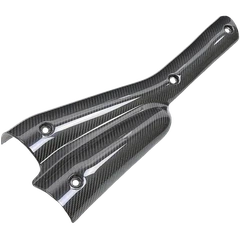
Carbon Fiber Prosthetic Foot
Send Inquiry Now

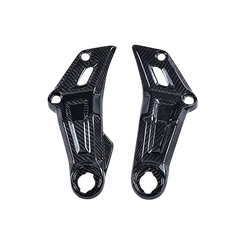
Carbon Fiber Prosthetic Feet
Send Inquiry Now

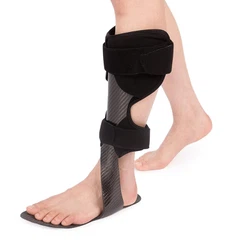
Carbon Prosthetic Foot
Send Inquiry Now

Carbon Prosthetic Feet
Send Inquiry Now
What Is a Traditional Prosthetic Foot?
Traditional prosthetic feet have long been a standard solution for restoring mobility. Many of these designs are still used today, particularly for users with basic walking needs and lower activity levels.
They are commonly made from materials such as wood, rubber, plastic, or basic composite materials and typically feature a simple mechanical structure focused on stability and basic support rather than energy return.
Compared with carbon fiber prosthetic feet, traditional designs are generally heavier and provide less flexibility and energy return during walking. As a result, users may expend more energy and experience a less natural gait, especially during extended periods of walking.

Comparison of Core Materials and Basic Properties
Traditional prosthetic feet are commonly made from materials such as wood, stainless steel, thermoplastics, and polypropylene. Their design philosophy focuses primarily on static support, providing basic standing stability and walking functionality. While these materials are well-established and cost-effective, they are generally rigid and offer limited flexibility, making it difficult to replicate the natural biomechanics of human movement.
Carbon fiber prosthetic feet, by contrast, combine advanced composite materials with modern rehabilitation engineering. Often referred to as the "gold standard" of prosthetic materials, carbon fiber offers an exceptional combination of light weight, high strength, and energy storage capability. Compared with traditional plastic-based prosthetic feet, carbon fiber designs can be 40–60% lighter, while delivering significantly higher strength and fatigue resistance. This unique balance of lightweight construction and structural stability allows carbon fiber prosthetic feet to provide a more dynamic, efficient, and natural walking experience.

Comparison of Comfort and Body Fit
Traditional prosthetic feet are often heavier, particularly those made from metal or wood, which can increase stress on the residual limb, knee, and hip joints over time. Their limited shock-absorption capability means that impact forces from walking are transferred more directly to the body, potentially contributing to residual limb discomfort, joint pain, or postural imbalance over time. In addition, traditional prosthetic feet typically offer limited customization, and some users may experience friction, pressure points, or reduced comfort during prolonged wear.
In contrast, carbon fiber prosthetic feet provide significant weight-saving advantages, helping reduce the load on the residual limb and surrounding joints. Their flexible structure can absorb and dissipate part of the impact generated during walking, improving overall comfort. Carbon fiber also offers greater design flexibility, allowing customization based on the user's height, weight, activity level, and residual limb condition. This results in a better fit, improved comfort, and a more enjoyable long-term user experience.
The Fundamental Difference Between Static Support and Dynamic Rebound
Traditional prosthetic feet are primarily designed for rigid support. They undergo little to no elastic deformation during walking and mainly serve to bear body weight. Impact forces generated during foot strike are not effectively absorbed, and the energy produced during walking cannot be returned to the user. As a result, each step requires greater muscular effort, often leading to fatigue, soreness, and a less natural gait during prolonged use. Their adaptability to dynamic activities, such as climbing stairs, changing walking speeds, or engaging in light exercise, is also relatively limited.
In contrast, carbon fiber prosthetic feet offer superior flexibility and energy return. As weight is applied during walking, the carbon fiber structure bends and stores energy; during push-off, it releases that energy to help propel the user forward. This energy-return mechanism reduces physical effort and promotes a smoother, more natural gait. In addition, carbon fiber prosthetic feet adapt more effectively to different terrains and activity levels, making them well-suited for daily walking, stair climbing, brisk walking, and light sports activities.
Carbon Fiber vs Traditional Prosthetic Foot (Comparison Table)
| Feature | Carbon Fiber Prosthetic Foot | Traditional Prosthetic Foot |
| Primary Materials | Carbon fiber composite materials | Wood, rubber, plastic, metal, basic composites |
| Weight | Lightweight | Heavier |
| Strength-to-Weight Ratio | Excellent | Moderate |
| Energy Return | High energy storage and return | Minimal or no energy return |
| Walking Efficiency | Higher, reduces user effort | Lower requires more muscular effort |
| Shock Absorption | Excellent vibration and impact absorption | Limited shock absorption |
| Comfort | Better long-term comfort | Basic comfort |
| Gait Performance | More natural and dynamic gait | More rigid walking motion |
| Terrain Adaptability | Better adaptability to various surfaces | Best suited for flat surfaces |
| Sports & Active Use | Suitable for walking, running, and active lifestyles | Mainly for basic daily mobility |
| Customization | Highly customizable | Limited customization options |
| Fatigue Reduction | Helps reduce user fatigue | Higher energy expenditure during walking |
| Durability | High fatigue resistance | Moderate durability |
| Maintenance Requirements | Low to moderate | Low |
| Initial Cost | Higher | Lower |
| Long-Term Value | Better performance and mobility benefits | Cost-effective for basic mobility needs |
Why Carbon Fiber Prosthetic Feet Are Becoming More Popular

Advances in Composite Material Manufacturing Technology
Modern carbon fiber production processes enable precise control over the material's strength, flexibility, and stiffness. This allows manufacturers to create prosthetic feet with stable and predictable performance and significantly improved durability.
Growing Demand for Lightweight Solutions
Weight is a key factor affecting user comfort. Carbon fiber prosthetic feet are significantly lighter than many traditional designs, helping to reduce fatigue and make daily activities more efficient.
Improved Rehabilitation Outcomes
The unique energy return properties of carbon fiber help users achieve a smoother, more natural gait. Many rehabilitation programs now incorporate carbon fiber prostheses to help users improve mobility and walking efficiency.
Superior Mobility and User Satisfaction
Carbon fiber prosthetic feet adapt exceptionally well to different walking speeds and various daily activities. Users often experience greater comfort, increased confidence, and improved performance in daily life.
Conclusion
Both carbon fiber and traditional prosthetic feet can help restore mobility and improve quality of life. Traditional designs remain a practical choice for users with basic mobility needs, while carbon fiber prosthetic feet offer clear advantages in weight reduction, energy return, walking efficiency, and long-term comfort.
For users seeking greater performance, reduced fatigue, and a more natural gait, carbon fiber prosthetic feet have become a preferred solution in modern prosthetic design.
FAQ
Q: Is a carbon fiber prosthetic foot worth it?
A: For many users, yes. Carbon fiber prosthetic feet offer advantages such as lower weight, better energy return, improved walking efficiency, and greater comfort. They are particularly beneficial for active users and those who wear a prosthesis for extended periods each day.
Q: How long does a carbon fiber prosthetic foot last?
A: The lifespan depends on factors such as activity level, user weight, environmental conditions, and maintenance. With proper use and regular inspections, a high-quality carbon fiber prosthetic foot can provide reliable performance for many years.
Q: Are carbon fiber prosthetic feet stronger?
A: Carbon fiber offers an excellent strength-to-weight ratio and high fatigue resistance. While no prosthetic component is indestructible, carbon fiber prosthetic feet are designed to withstand repeated loading while remaining lightweight and durable.
Q: Can carbon fiber prosthetic feet be customized?
A: Yes. Carbon fiber prosthetic feet can be customized based on factors such as user weight, activity level, stiffness requirements, connection interfaces, dimensions, and branding needs for OEM projects.
Q: Who should use a carbon fiber prosthetic foot?
A: Carbon fiber prosthetic feet are well-suited for users seeking improved mobility, reduced fatigue, and a more natural gait. They are commonly used by daily walkers, active individuals, rehabilitation patients, and users participating in sports or other physically demanding activities.