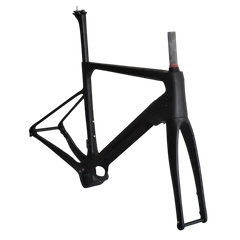
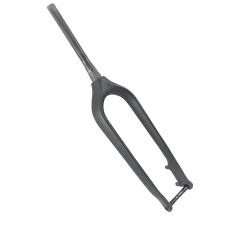
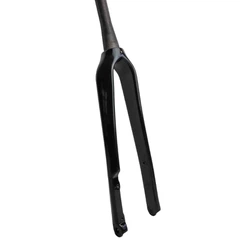
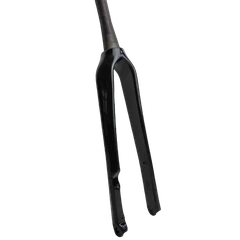
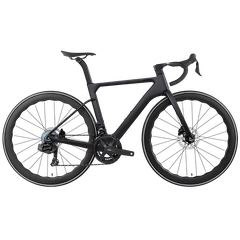
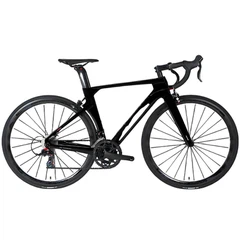
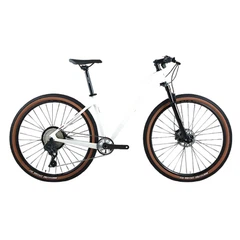
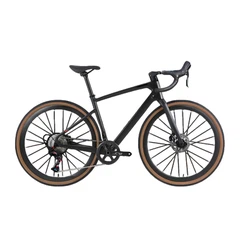

Carbon fiber road bikes are popular because they can be light, stiff, and shaped for different riding styles. But choosing one is not only about buying the lightest or most expensive model. A good carbon road bike should fit your route, riding distance, body position, and performance goals. Some riders need a lightweight frame for climbing, while others want more comfort for long rides or better handling at speed. This guide will help you check the main points before choosing a carbon fiber road bike for your needs.
Key Takeaways
Before choosing a carbon fiber road bike, look at your riding purpose first. A bike for climbing will not feel the same as one built for long-distance comfort or fast flat-road riding. After that, check the frame geometry, carbon layup, wheel depth, tire clearance, drivetrain range, and brake type. These details decide how the bike feels on real roads, not just how it looks on a spec sheet.
What Is a Carbon Fiber Road Bike?
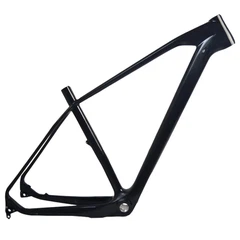
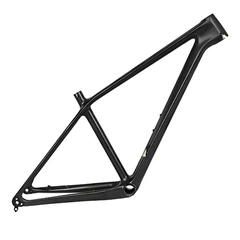
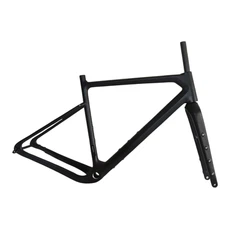
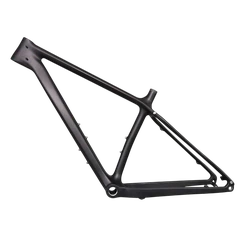
A carbon fiber road bike is a road bicycle built with a carbon fiber frame as its main structure. Carbon fiber is made from layered fibers held together with resin, which helps reduce weight while keeping the frame strong enough for road riding.
This material also allows brands to shape the frame tubes for stiffness, aerodynamics, and road vibration control. Still, the final ride feel depends on the frame design, carbon layup, geometry, components, and bike fit.

Start with Your Riding Purpose
Before comparing frame weight or components, think about how you will use the carbon fiber road bike most often. Your riding purpose affects frame geometry, gearing, wheel choice, and comfort.
Daily Road Riding
For daily road rides, choose a setup that feels stable and easy to control. You may not need the lightest frame or the deepest wheels.
Long-Distance Riding
For longer rides, comfort matters more. Look for a carbon road bike with a less aggressive riding position, enough tire clearance, and gearing that does not feel too hard after many miles.
Climbing and Fast Road Riding
For climbing, lower weight and a suitable gear range are useful. For fast flat roads, wheelset choice and frame stiffness become more noticeable.
Racing or Performance Training
For racing or serious training, handling, power transfer, aerodynamics, and component matching should be checked together.
Choosing the Right Carbon Fiber Material and Frame Design
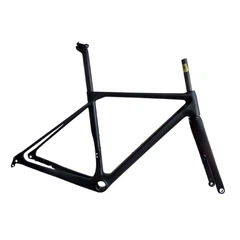
The frame is the main part of a carbon fiber road bike. When you compare frames, look beyond the material name. The carbon grade, layup, geometry, and frame purpose all affect how the bike feels.
Carbon Fiber Grade
Carbon road bike frames may use materials such as T700, T800, or higher-grade carbon fiber. A higher grade does not always mean a better bike. It still depends on the frame structure, riding use, and production quality.
Carbon Layup Design
Carbon layup refers to how the carbon sheets are placed inside the frame. Different layup directions can change stiffness, weight, and comfort in key areas such as the bottom bracket, head tube, and seat stays.
Frame Geometry
Frame geometry affects your riding position and handling. Race geometry usually feels lower and sharper. Endurance geometry is often more relaxed for longer rides.

Weight, Stiffness, and Comfort Balance
A light frame is useful, but it should not be the only goal. The right carbon road bike frame should balance weight, stiffness, comfort, and control for your riding style.
Understanding Key Components: Drivetrain and Wheels
After the frame, the drivetrain and wheels have a big effect on how a carbon fiber road bike rides. They affect speed, climbing, control, and how much effort you feel on different roads.
Drivetrain and Gear Range
The drivetrain should match your route. If you often climb, choose a wider gear range so you can keep a steady cadence. For fast road riding, closer gear steps may feel smoother when changing speed.
Carbon Road Bike Wheels
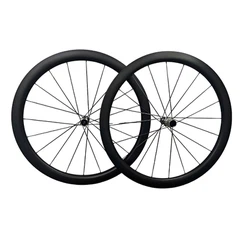
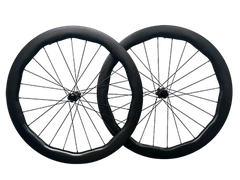
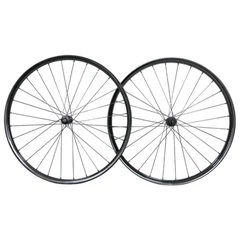
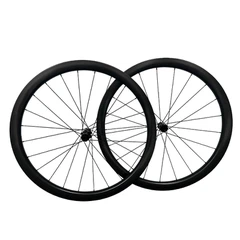
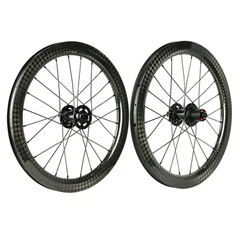
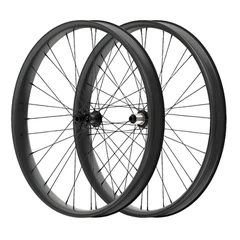
Carbon road bike wheels can change the ride feel quickly. Lighter wheels help with climbing and acceleration. Deeper rims can help on flat roads, but they may feel harder to control in strong wind.

Tire Width and Tire Clearance
Tire width affects comfort, grip, and rolling feel. Before choosing wider tires, check the frame and fork clearance.
Other Important Component Choices
Some smaller parts can change how a carbon fiber road bike feels in daily use. You do not need to chase the highest-end option, but each part should match your riding style.
Disc Brake or Rim Brake
Disc brakes offer more control in wet weather and on long descents. Rim brakes are usually simpler and lighter, but they may not suit every frame or riding condition.

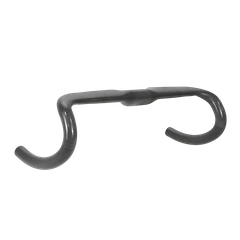
Handlebar and Stem Setup
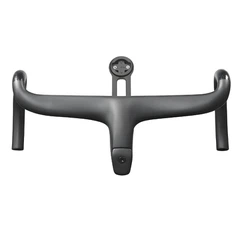
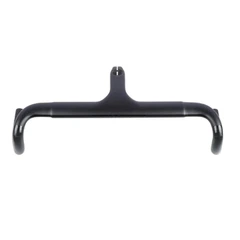
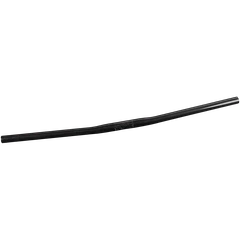
Handlebar width and stem length affect your riding position, steering feel, and upper-body comfort. A poor setup can make even a good carbon road bike feel wrong.
Saddle and Seatpost
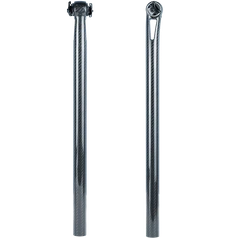
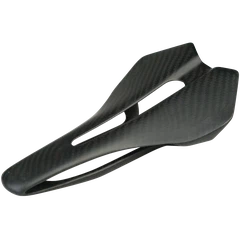
For longer rides, saddle shape and seatpost design matter. They affect comfort, support, and how much pressure you feel while riding.
Bicycle Size and Fitting
A carbon fiber road bike must fit your body, not just your riding goal. If the size is wrong, the bike may feel uncomfortable even when the frame and components are good.
Frame Size
Frame size should match your height, inseam, and normal riding position. Do not choose a size only because it is available or looks close enough on a chart.

Reach and Stack
Reach and stack affect how far and how low you sit on the bike. If the reach is too long, your shoulders, back, or hands may feel pressure. If the stack is too low, the position may feel too aggressive.
Saddle Height and Handlebar Position
Saddle height affects pedaling comfort and knee movement. Handlebar position affects control and upper-body comfort, especially on longer rides.
Budget and Value Considerations
A carbon fiber road bike budget should cover more than the frame price. The frame, wheels, groupset, and later maintenance all affect the real cost.
Frame Cost
The frame is the main part of the bike, but a higher price does not always mean the best fit for your riding. Look at the carbon frame design, geometry, testing, and compatibility before judging value.
Wheelset and Groupset Cost
Wheelsets and groupsets can take a large part of the budget. If you ride hills often, gearing may matter more. If you ride faster roads, wheel choice may deserve more attention.
Maintenance and Replacement Parts
Also think about wear parts, brake pads, chains, tires, cables, bearings, and future upgrades. A good carbon road bike should fit both your riding needs and long-term budget.
When Should You Choose a Custom Carbon Road Bike?
A custom carbon road bike makes sense when a standard complete bike does not match your size, riding purpose, or build plan. This may happen if you need a special frame size, a different geometry, a certain wheelset setup, or specific parts for your riding style.

Carbon Road Bike
Send Inquiry Now
Carbon Road Bike
Send Inquiry NowIt is also useful for brands, teams, and OEM projects that need a clear product direction instead of a ready-made model.
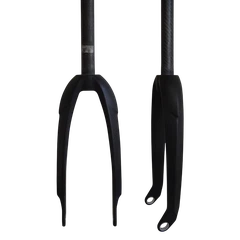
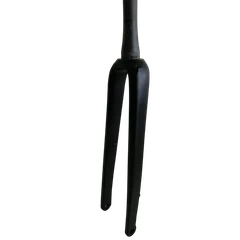
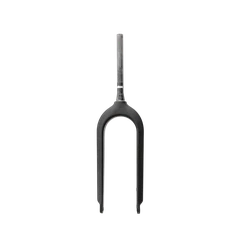
Custom options may include frame design, fork matching, carbon road bike wheels, handlebar setup, paint finish, logo placement, and component matching. If you are planning a custom carbon fiber bike project, working with a manufacturer can help keep the frame, wheels, and parts consistent from the start.
Common Mistakes to Avoid When Choosing a Carbon Road Bike
Only Looking at Weight
A lighter bike is not always the better choice. If the frame feels too harsh, the size is wrong, or the gearing does not match your route, low weight will not solve the problem.
Choosing the Wrong Frame Size
Do not choose a carbon road bike only by the height chart. Check frame size, reach, stack, saddle position, and how the bike feels in your normal riding posture.
Ignoring Tire Clearance
Tire clearance affects comfort and road use. If the frame only fits narrow tires, it may feel limited on rough pavement or longer rides.
Forgetting Component Compatibility
Frame, fork, wheels, brakes, drivetrain, handlebar, and seatpost should work together. Mismatched parts can cause fitting issues, extra cost, or a poor riding feel.
Spending the Whole Budget on the Frame
Leave room for wheels, tires, maintenance, and replacement parts.
Conclusion
Choosing the right carbon fiber road bike is about finding a setup that fits your real riding needs. A good choice should feel right on your usual roads, support your riding distance, and match the way you handle climbs, speed, comfort, and daily use.
Do not choose by frame weight alone.
Frame design, fit, wheels, drivetrain, and long-term cost all matter when you compare different carbon road bikes. If you need a carbon road bike frame, carbon wheelset, or custom carbon bicycle components for an OEM project, you can learn more from Carbon World's carbon fiber bike options.
FAQ
Q: Can Carbon World support custom carbon road bike projects?
A: Yes. Carbon World can support carbon road bike frames, carbon wheels, forks, handlebars, paint finish, logo options, and OEM/ODM bicycle component projects.
Q: How long does a carbon fiber road bike frame last?
A: A good carbon frame can be used for many years if it is not crashed, crushed, or clamped incorrectly. Regular checks are still needed, especially around the head tube, bottom bracket, seatpost area, and dropouts.
Q: Should I choose a disc brake or a rim brake?
A: Disc brakes are useful for wet roads, descents, and wider tire setups. Rim brakes are simpler and lighter, but they are less common on many newer carbon road bikes.
Q: What wheel depth is suitable for a carbon road bike?
A: Lower rim depths are often easier for climbing in windy conditions. Deeper rims can help on flatter roads, but they may feel harder to control in crosswinds.
Q: Is T800 carbon fiber better than T700 for road bikes?
A: T800 carbon fiber can offer higher strength and stiffness, but it is not automatically better for every frame. The layup design, molding quality, and frame purpose also matter.
Q: Is an expensive carbon road bike always faster?
A: No. A higher price may bring lighter parts or better finishing, but fit, riding position, tires, wheels, and training also affect speed. A poorly fitted expensive bike can still feel wrong.