

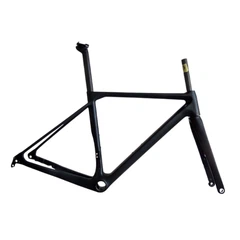
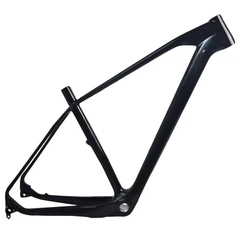
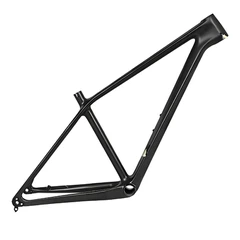
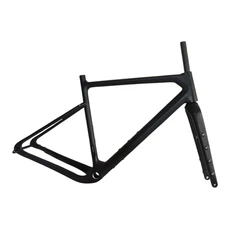
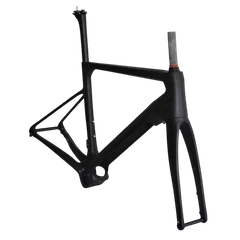

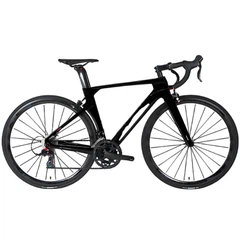
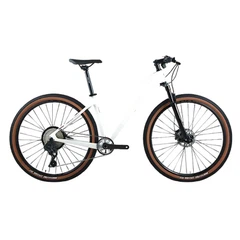
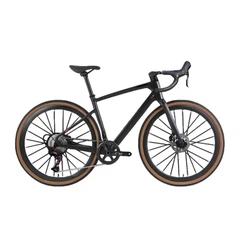
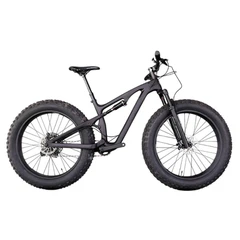
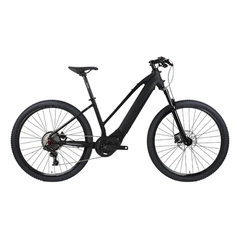

Carbon fiber bicycle frames are highly sought after for their light weight, strength, and excellent ride quality, but proper installation is crucial to ensuring safety and performance. Below are professional installation steps and precautions.
1. Preparation
Before installation, inspect the frame for shipping damage and cracks. Gather specialized tools, including a torque wrench (carbon fiber components require precise torque), an Allen wrench, a seatpost clamp, and stem bolts. Ensure all accessories (such as the headset, bottom bracket, and chainstay dropouts) are compatible with the frame.
2. Install the Front Triangle
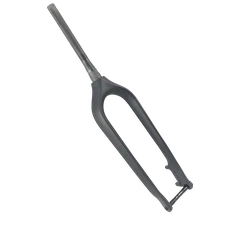
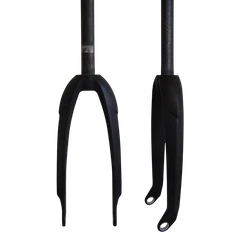
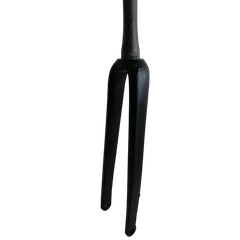
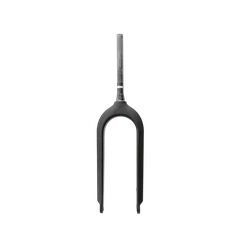
Align the head tube with the top and down tubes. Insert the headset bearings and press them into the bottom of the head tube. Secure the stem to the head tube using the fork. Hand-tighten the stem bolts first, then tighten them with a torque wrench to the manufacturer's recommended setting (usually 5-6 Nm). Avoid overtightening, which may cause cracking in the carbon fiber.
3. Secure the Rear Triangle
Connect the bottom bracket to the rear fork, ensuring the bottom bracket (press-fit or threaded) is properly installed and the specified torque is reached (e.g., approximately 50 Nm for BB30). Connect the seat stays to the chainstays via the bottom bracket extension and secure with the manufacturer's specified bolts, typically to a torque of 6-8 Nm.
4. Install the Seatpost and Handlebars
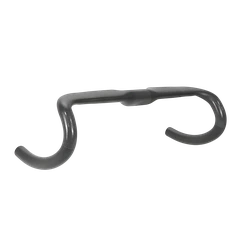
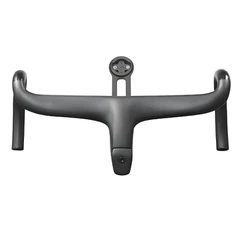
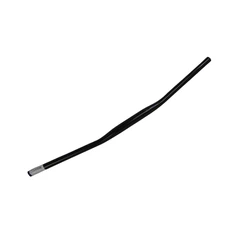
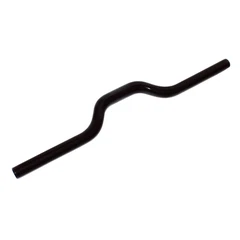
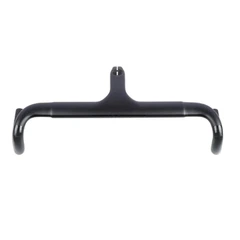
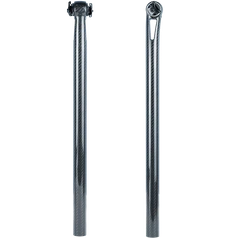
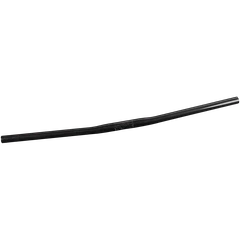
Insert the seatpost into the frame's seatpost sleeve, adjust the height, and secure with a seatpost clamp, maintaining a torque of 4-5 Nm. When attaching the handlebars to the stem, pre-tighten the bolts, then tighten them symmetrically in sections to 5-6 Nm to ensure even force.
5. Final Inspection
Thoroughly inspect all connection points for looseness or unusual noise. Before a ride, conduct a short test run to observe the frame for any unusual vibration or deformation.
Note: Carbon fiber is sensitive to sharp objects and excessive torque. Avoid direct contact between clamps and the carbon fiber surface during operation, and use protective pads if necessary. If unsure, consult a qualified technician for safety.


