








Introduction
Carbon spoke wheels are widely used on high-performance road, gravel, and mountain bikes. While they offer clear performance advantages, they also come with higher costs and more complex repair and replacement requirements.
This guide examines the pros and cons of carbon spoke wheels and compares them with traditional steel-spoke wheels, helping you determine whether they are the right fit for your product lineup and target market.
Quick Answer
Carbon spoke wheels are lighter and stiffer than traditional steel-spoke wheels, making them a popular choice for road, gravel, and XC bikes. They offer quicker acceleration and more direct power transfer, but also come with higher costs and stricter compatibility requirements. For OEM projects, consider the intended application, target rider, budget, and long-term serviceability before making a selection.
What Are Carbon Spoke Wheels?
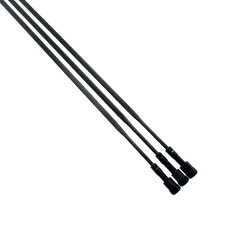
Carbon spoke wheels use carbon fiber spokes instead of traditional steel spokes. The spokes connect the hub and rim, transferring pedaling, braking, and cornering forces throughout the wheel.
Most carbon spokes are made from continuous carbon fibers reinforced with resin. Depending on the wheel design, they may feature threaded metal end fittings, bonded joints, or an integrated one-piece construction. Some wheel systems allow individual spoke replacement, while others require proprietary replacement parts and dedicated service tools.
div class="kche-wrap-width">

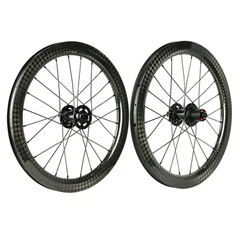
Carbon Road Bike Wheels
Send Inquiry Now

Carbon MTB Bike Wheelset
Send Inquiry Now

Carbon Wheels For Gravel
Send Inquiry Now

Carbon BMX Race Wheels
Send Inquiry Now

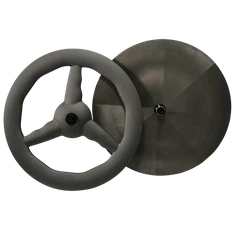
Carbon Time Trial Wheels
Send Inquiry Now

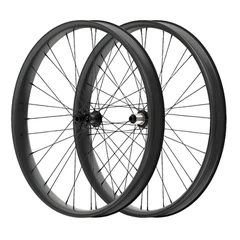
Carbon Fiber Fat Wheels
Send Inquiry Now
How Carbon Spokes Differ from Steel Spokes
Carbon spokes are designed for high-performance wheelsets that prioritize low weight, high stiffness, and quick response.
Advantages:
Lower Weight: Reduces rotating mass, helping the wheel accelerate more quickly and feel lighter on climbs.
Higher Lateral Stiffness: Minimizes side-to-side flex during cornering, sprinting, and out-of-saddle efforts.
Better Aerodynamics: Flat-profile carbon spokes can reduce aerodynamic drag compared with round steel spokes.
More Direct Power Transfer: Lower spoke flex provides a quicker response when pedaling.
Potential Drawbacks:
Higher Cost: Carbon spokes require more advanced materials, manufacturing processes, and quality control.
Limited Repair Options: Damaged spokes usually need to be replaced rather than trued or straightened.
Replacement Parts: Spare spokes may be specific to a particular hub or spoke interface.
Compatibility: Before selecting a wheel system, confirm spoke length, mounting design, tension requirements, and spare parts availability.
Carbon Spokes vs Steel Spokes
|
|
||
| Item | Carbon Spokes | Steel Spokes |
| Weight | Lighter, reducing rotating mass. | Heavier but widely available. |
| Lateral Stiffness | Higher stiffness with less flex. | More elastic under load. |
| Ride Feel | More direct and responsive. | More compliant and forgiving. |
| Aerodynamics | Aero profiles help reduce drag. | Round spokes create more drag. |
| Power Transfer | More direct power transfer. | Slightly more spoke flex under load. |
| Durability | Corrosion-resistant but less tolerant of severe impacts | Good fatigue life and impact tolerance. |
| Repair | Damaged spokes are usually replaced. | Easier to true, adjust, or replace. |
| Replacement Part | Often proprietary to specific wheel systems. | Standard parts are widely available. |
| Compatibility | May require dedicated hubs or spoke interfaces. | Compatible with most standard wheel components. |
| Cost | Higher purchase cost. | Lower purchase and maintenance cost |
| Typical Applications | High-performance road, gravel, XC, and racing bikes. | Road, gravel, MTB, commuting, and recreational bikes. |

Who Should Choose Carbon Spoke Wheels?
Performance Road Riders
Ideal for racing, climbing, and fast group rides, where lower rotating weight and higher stiffness provide quicker acceleration and a more direct ride feel.
XC and Lightweight MTB Riders
A good choice for cross-country riders who value climbing efficiency, acceleration, and precise handling. Riders in high-impact conditions or remote areas should consider the availability of spare parts.
Speed-Focused Gravel Riders
Well-suited for fast gravel riding and racing. Rim width, tire size, and wheel strength should still match the intended terrain.
Premium Bicycle Brands
Carbon spoke wheels help create a clear, high-performance product range. Testing, replacement spokes, technical documentation, and after-sales support should be considered during the product development process.
OEM and Custom Wheel Projects
Suitable for brands developing wheelsets around specific hubs, rim profiles, spoke counts, or target weights.

How Carbon Spoke Wheels Are Manufactured
Spoke Design: The spoke length, profile, fiber orientation, and connection method are determined according to wheel size, rider load, spoke count, and intended application.
Carbon Fiber Layup: Prepreg carbon fiber is cut and laid in specific directions. Additional layers are applied around the spoke ends to reinforce high-stress areas.
Molding and Curing: The spokes are molded and cured under controlled temperature and pressure to achieve consistent dimensions, stiffness, and surface quality.
Hub and Rim Preparation: The hub interface and rim spoke holes are inspected to ensure compatibility with the carbon spoke system, including hole position, drilling angle, and flange dimensions.
Wheel Assembly: Each spoke is installed using the specified fittings, threaded ends, or bonded connections. Spoke tension, wheel roundness, and lateral trueness are adjusted during assembly.
Inspection and Testing: The completed wheel is checked for spoke tension, radial and lateral runout, dish, hub rotation, and surface quality. Depending on project requirements, fatigue, impact, stiffness, and load tests may also be performed.
OEM Custom Carbon Spoke Wheels
· Rim Dimensions: Customize rim depth, internal width, external width, and wheel size for road, gravel, XC mountain bikes, or other applications.
· Carbon Layup: Optimize the rim layup based on stiffness, impact resistance, rider weight, and target wheelset weight.
· Spoke Design: Customize spoke profile, length, count, and connection method. Different spoke lacing configurations can be used for the front and rear wheels.
· Hub Specifications: Configure axle standards, freehub body, brake interface, bearing type, and ratchet engagement system to match your requirements.
· Spoke Tension: Set spoke tension and wheel balance according to the rim structure and intended riding conditions.
· Appearance: Choose from UD or 3K weave, painted finishes, custom decals, logos, and OEM packaging options.
Conclusion
Carbon spoke wheels offer lower weight, higher stiffness, and quicker response than steel-spoke wheels, but they also cost more and require closer attention to compatibility and replacement parts.
For OEM projects, the right setup depends on the bike type, rider weight, rim profile, spoke count, hub interface, and testing requirements. Carbon World supports custom development, samples, testing, finishes, and mass production.
FAQ
Q: Are carbon spoke wheels worth the extra cost?
A: They can be worthwhile for riders and brands that prioritize low weight, high stiffness, and quick acceleration. For everyday riding or price-sensitive products, steel-spoke wheels may offer better overall value.
Q: Can carbon spokes be replaced individually?
A: Yes, if the wheel system uses individually replaceable spokes. However, the correct spoke length, interface, and tension specification must be used. Some integrated wheel designs may require factory service.
Q: Are carbon spokes stronger than steel spokes?
A: Carbon spokes usually provide higher tensile stiffness at a lower weight. Steel spokes are more flexible and often tolerate bending or minor impact better. Actual strength depends on the spoke structure and wheel design.
Q: Do carbon spoke wheels require special maintenance?
A: Routine cleaning and periodic checks are still required. Inspect the spokes, connection points, rim, and hub for damage or unusual movement. Use the tension and torque values specified by the manufacturer.
Q: Can carbon-spoke wheels be repaired after an impact?
A: Minor wheel alignment issues may be adjustable, but cracked or damaged carbon spokes should normally be replaced. The rim and hub should also be inspected before the wheel is used again.
Q: Are carbon spoke wheels suitable for heavier riders?
A: Yes, provided the wheelset is designed and tested for the rider's weight and intended use. Spoke count, rim layup, hub structure, and tension may need to be adjusted for higher loads.
Q: Do carbon spokes lose tension over time?
A: Properly built carbon-spoke wheels should maintain tension well. Tension may still change because of spoke seating, hub movement, impact, or assembly issues, so periodic inspection is recommended.


