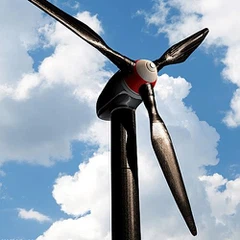

When you look at a wind turbine blade, it is easy to assume it is made from one material. But in most cases, the answer is more complicated than that. Some wind turbine blades do use carbon fiber, but not all of them, and not always in the same way. Many blade designs use a mix of materials, with carbon fiber added only where its strength and stiffness are most useful.
That is why this question matters.
If you want to understand whether wind turbine blades are made of carbon fiber, it helps to look beyond a simple yes or no. Material choice affects blade weight, structure, performance, and cost. In this article, you will see where carbon fiber is used, why many blades still rely on fiberglass, and how these material choices affect modern wind turbine blade design.
What Are Wind Turbine Blades Made Of?
Wind turbine blades are usually made from composite materials, not just one single material. A modern blade is often built by combining reinforcement fibers, resin systems, and core materials into one larger structure.
Fiberglass is still one of the most common materials used in wind turbine blades. It is widely used because it offers a practical balance of strength, weight, and cost. In some blade designs, carbon fiber is also added to improve stiffness or reduce weight in key structural areas.

Resin is another important part of the blade.
It helps bind the fibers together and supports the overall shape of the structure. Some blades also use core materials in selected sections to improve stiffness without adding too much extra weight.
So when you ask what wind turbine blades are made of, the real answer is usually a material system, not a single material.
Are Wind Turbine Blades Fully Made of Carbon Fiber?
Usually, no. Most wind turbine blades are not fully made of carbon fiber. In many cases, carbon fiber is used only in selected parts of the blade rather than throughout the entire structure. This is because blade design is usually based on a balance.
Manufacturers need to manage strength, stiffness, weight, and cost at the same time. Carbon fiber can help improve performance in high-load areas, but that does not always mean the whole blade needs to be made from it.
Many wind turbine blades use a hybrid composite design. That means fiberglass remains the main material in much of the blade, while carbon fiber is added where its properties are most useful.
So the short answer is simple: some wind turbine blades do contain carbon fiber, but fully carbon fiber blades are not the standard choice in most cases.
Why Wind Turbine Blade Material Choice Is More Complex Than It Sounds
When people ask whether wind turbine blades are made of carbon fiber, they often expect a simple yes or no. But in real blade design, the better question is where a material is used and what job it needs to do.

Material Choice Depends on Structural Goals
Different blade designs have different priorities. Some focus more on reducing weight. Others need higher stiffness in specific load-bearing areas. In many cases, the decision is not about choosing one "best" material, but about choosing the right material for the right part of the blade.
Design Requirements Change the Material Strategy
Blade length, load conditions, and performance targets all affect material choice. A material that works well in one blade design may not be the best fit in another. This is why wind turbine blade construction is usually based on engineering goals rather than a simple material preference.
The Best Answer Is Often a Practical One
In the end, material selection is usually a trade-off between performance, manufacturing, and cost. That is why blade material choice is more complex than it first appears.
Why Is Carbon Fiber Used in Wind Turbine Blades?
Carbon fiber is used in wind turbine blades because it can help solve some important design challenges, especially in larger blades.

Lower Weight
One reason is weight. Carbon fiber is lighter than many traditional structural materials, which can help reduce the overall weight of the blade. This becomes more important as blade size increases.
Higher Stiffness
Carbon fiber is also valued for its stiffness. In wind turbine blades, this can help certain sections stay more stable under load. Better stiffness can support blade efficiency and help control structural behavior during operation.
Better Fit for Long Blade Designs
As wind turbine blades get longer, material demands become more serious. A longer blade can capture more wind, but it also creates more structural load. Carbon fiber helps engineers improve stiffness and reduce weight in critical areas, which is why it is often used in advanced blade designs.
In simple terms, carbon fiber is used when blade performance needs more than a standard material approach.
Which Parts of a Wind Turbine Blade May Use Carbon Fiber?
Carbon fiber is typically used in the parts of the blade that handle higher loads or require greater stiffness.
Spar Caps
One common area is the spar cap. This is a major structural part inside the blade, and it helps the blade carry bending loads during operation. Because this area takes a lot of stress, carbon fiber may be used to improve stiffness without adding too much weight.
Reinforcement Areas
Carbon fiber may also appear in selected reinforcement zones. These are parts of the blade that require extra structural support due to load concentration or design requirements.
Key Load-Bearing Sections
In some blade designs, carbon fiber is added to other load-bearing sections where weight reduction and higher stiffness both matter. The exact location depends on blade size, design goals, and the material strategy used by the manufacturer.
So in most cases, carbon fiber is used where it brings the most structural value, not simply everywhere in the blade.
Carbon Fiber vs Fiberglass in Wind Turbine Blades
The table below shows the main differences between carbon fiber and fiberglass in wind turbine blade design.
| Material | Weight | Stiffness | Strength | Cost | Fatigue Resistance | Typical Use in Blade Design |
|---|---|---|---|---|---|---|
| Carbon Fiber | Lower | Higher | High | Higher | Good | Used in key structural areas where lower weight and higher stiffness matter |
| Fiberglass | Higher | Lower | Good | Lower | Good | Widely used in large parts of the blade for a practical balance of cost and performance |
Carbon fiber is often chosen when engineers want to reduce blade weight and increase stiffness in important structural sections. Fiberglass is still more common in many blade designs because it offers a more practical balance between performance and cost.
Advantages and Limitations of Carbon Fiber in Wind Turbine Blades
Carbon fiber can bring clear benefits to wind turbine blade design, but it also comes with limits. That is why it is often used in a selective way rather than as the only blade material.

Advantages
One major advantage is lower weight. A lighter blade can help reduce some of the structural load placed on the turbine system. This becomes more important as blades get longer and design demands increase.
Carbon fiber also offers higher stiffness. In blade design, this can help important sections stay more stable under load. Better stiffness can support structural efficiency and improve how the blade performs during operation.
Another advantage is material efficiency. Carbon fiber can deliver strong performance in key load-bearing areas without adding as much weight as some other options. That makes it useful in advanced blade designs where both strength and weight control matter.
Limitations
The biggest limitation is cost. Carbon fiber is usually more expensive than fiberglass, which makes full carbon blade construction less practical in many cases.
Manufacturing is another factor. Using carbon fiber can add complexity to the design and production process, especially when the goal is large-scale blade manufacturing. And not every blade project needs that level of material performance.
In the end, carbon fiber is valuable because of where and how it is used. It works best when its advantages match the real structural needs of the blade.
Why Many Wind Turbine Blades Still Use Fiberglass
Many wind turbine blades still use fiberglass because it offers a practical balance of cost, strength, and manufacturing efficiency. While carbon fiber has clear advantages in some structural areas, fiberglass is often more realistic for large-scale blade production.
It works well in many designs.
Fiberglass can provide good structural performance without the higher material cost that comes with carbon fiber. For many blade projects, that balance is important. Manufacturers do not always need the highest stiffness in every part of the blade, so using fiberglass in larger sections can make more sense.
That is why fiberglass remains so common. It is not simply the cheaper option. It is also a material that fits many blade designs well when performance, cost, and production scale all need to stay in balance.
Why Longer Wind Turbine Blades Increase the Need for Advanced Materials
Longer wind turbine blades can capture more wind, which helps improve energy output. But as blade length increases, the structural demands also become much greater.
That is where advanced materials matter more.
A longer blade adds more weight and creates higher loads during operation. If the blade becomes too heavy, it can increase stress on other parts of the turbine system. This is why material choice becomes more important as blade size grows.
Advanced materials such as carbon fiber can help reduce weight while improving stiffness in critical areas. That does not mean every long blade must be made entirely from carbon fiber. But as designs get larger, the need for smarter material use becomes much more important.
What Manufacturers Consider When Choosing Carbon Fiber for Blade Projects
Manufacturers do not choose carbon fiber simply because it is a high-performance material. In blade projects, the decision usually comes down to whether carbon fiber solves a real structural problem practically.

Structural Performance Needs
One of the first questions is where extra stiffness or lower weight is actually needed. If a blade design has higher load demands in certain areas, carbon fiber may be used to improve structural efficiency there. The goal is not to add carbon fiber everywhere. It is to use it where it brings clear value.
Blade Size and Design Targets
Blade size matters a lot. As blades get longer, weight control becomes more important. Manufacturers may look at carbon fiber when they need better stiffness-to-weight performance to support larger blade designs. For smaller or less demanding designs, fiberglass may still be enough.
Cost and Production Practicality
Cost is always part of the decision. Carbon fiber is more expensive than fiberglass, so manufacturers need to decide whether the performance gain justifies the added material cost. Production also matters. A material may look good on paper, but it still needs to fit real manufacturing conditions.
Consistency and Long-Term Reliability
Manufacturers also care about consistency. Material quality, process control, and repeatable production all affect the final blade. In the end, carbon fiber is usually chosen when it supports the design goal, works within production limits, and makes sense from both a performance and manufacturing standpoint.
Conclusion
So, are wind turbine blades made of carbon fiber? Sometimes yes, but usually not from end to end.
In most cases, carbon fiber is used only in the parts of the blade where higher stiffness and lower weight matter most. The rest of the blade may still rely on fiberglass because it offers a more practical balance of cost, processing, and structural performance. That is why blade material choice is never just about picking the most advanced material. It is about using the right material in the right area.
For you, the key takeaway is simple. Carbon fiber is valuable in wind turbine blade design, but its value depends on how it supports the real engineering target.
If you are developing wind power components and need lightweight carbon fiber structures for OEM or ODM projects, Carbon World can support custom composite solutions based on your design, performance, and application requirements.
FAQ
Q: Does carbon fiber make a wind turbine blade better in every case?
A: Not always. Carbon fiber can improve certain structural areas, but that does not mean it is the best choice for every blade design. The better material is the one that fits the real engineering goal.
Q: Can one wind turbine blade use both carbon fiber and fiberglass?
A: Yes. That is common in composite blade design. Different materials may be used in different parts of the same blade to balance stiffness, weight, and cost.
Q: Does the choice of blade material affect manufacturing difficulty?
A: Yes. Some materials are easier to use at scale, while others may require tighter process control or more careful planning in production. Material choice is not only a performance decision.
Q: Do offshore wind turbine blades use carbon fiber more often?
A: In some cases, they may. Offshore turbines often use larger blades, and larger blades can make weight and stiffness more important. Still, the final material choice depends on the blade design, not only on whether the project is offshore or onshore.
Q: Can carbon fiber be used in smaller wind turbine blades, too?
A: Yes, it can. But the value may be more limited if the design does not need the extra stiffness-to-weight performance. In smaller blades, other materials may already meet the structural target well.
Q: Are Carbon Fiber Wind Turbine Blades Worth It?
A: They can be worth it when blade design needs better stiffness-to-weight performance, especially in larger or more demanding projects. But they are not always the most practical choice for every blade. The value depends on where carbon fiber is used, what structural problem it helps solve, and whether the performance gain justifies the added cost.