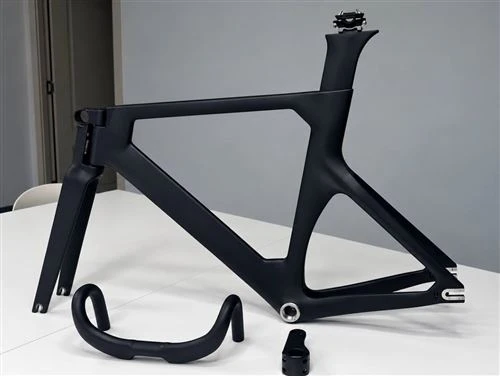
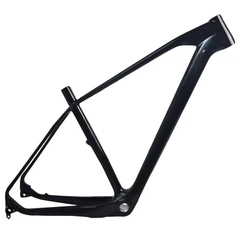
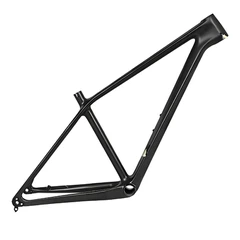
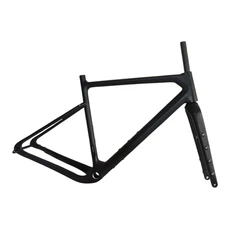
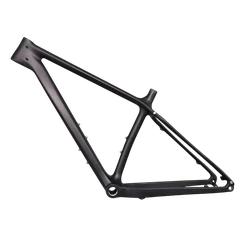
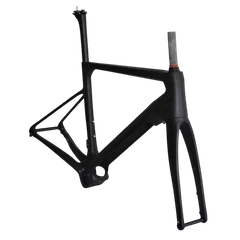
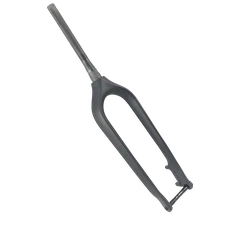
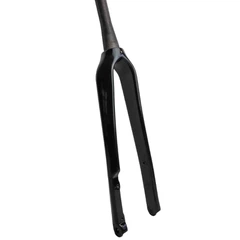
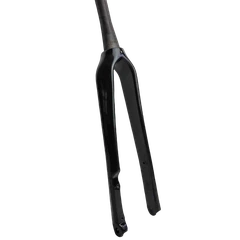
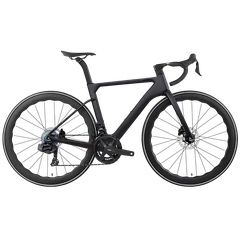
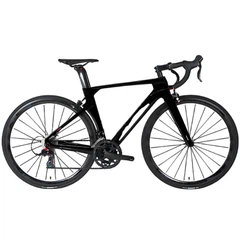
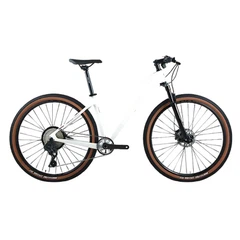
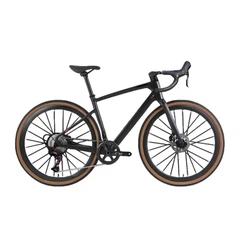
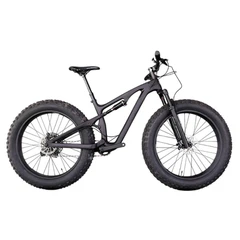
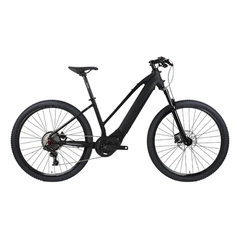



Look at a cyclocross bike and a gravel bike side by side, and you might not spot the difference. Same drop bars. Same knobby tires. But these two bikes are built for completely different jobs.
Here's the fastest way to see it.
UCI rules limit cyclocross race tires to 33mm. A modern gravel bike can fit 50mm or more. That one number tells you a lot.
So which one do you need? In this guide, you'll walk through the seven things that matter most: geometry, tires, gearing, mounts, comfort, speed, and price. By the end, you'll know which one fits your riding
Key Takeaways
Buy a gravel bike if you want one bike for everything: commuting, bikepacking, long weekend rides.
Buy a cyclocross bike if you race CX, or you want a fast, sharp winter trainer.
Still torn? Read on, and you will get clear insights into the core differences between these two bike types.
What Is a Cyclocross Bike?
A cyclocross bike is a purpose‑built racing machine for cyclocross competition. Cyclocross is a competitive cycling discipline where riders race for roughly one hour around short, twisty courses filled with mud, sand, grass, man‑made barriers, and running sections. The UCI, cycling's governing body, enforces strict competition regulations that shape the core design of cyclocross race bikes.

What Is a Gravel Bike?
A gravel bike is a bicycle built for mixed riding over paved and unpaved surfaces, including gravel roads, dirt trails and forest tracks. You can think of it as an all‑round workhorse that sits somewhere between road bikes and mountain bikes.
This bike type rose in popularity as many cyclists grew tired of being limited to smooth asphalt. Riders started taking road‑style bikes out onto country gravel roads, fire trails and dirt paths. Since these routes are mostly covered in loose gravel, people named this category after the terrain it was designed to conquer.

Cyclocross vs Gravel: Quick Comparison Table
Here's the same story in one table. The short version of everything above and below.
| Feature | Cyclocross | Gravel |
| Made for | CX racing, winter training | All-road, touring, bikepacking, commuting |
| Riding position | Aggressive, low, long reach | Upright, relaxed |
| Geometry | High BB, short wheelbase, steep head angle | Low BB, long wheelbase, slack head angle |
| Max tire size | 33mm (UCI limit) | 40–50mm, up to 2.1" on 650b |
| Gearing | Race ratios, usually 1x, tight range | Wide-range 1x or 2x, low gears for climbing |
| Mounts | Almost none | Racks, fenders, extra bottles standard |
| Weight | Light, ~8–9 kg | Slightly heavier, ~9–10 kg |
| Price | Similar bands to gravel (estimate: $1,500–$4,000+ for carbon) | Same bands, more use per dollar |
| Best for | Racing, winter training, short hard rides | Long rides, loaded travel, one-bike households |
Cyclocross Bike: Pros and Cons
Pros
Razor-sharp handling; light and quick to accelerate
Race-ready for UCI events
Doubles as an excellent winter road trainer
Cons
Tire width capped at 33mm, so rough terrain beats you up
No rack or fender mounts, which rules out commuting and touring
The aggressive position gets old after a few hours
Gravel Bike: Pros and Cons
Pros
One bike covers commuting, touring, gravel racing, bikepacking
Big tires at lower pressure mean comfort and fewer pinch flats
Mounts for racks, fenders, extra bottles
The most forgiving drop-bar bike for new riders
Cons
Heavier and less explosive than a CX bike
Stable rather than sharp; you won't carve corners like a racer
Top-end gravel race bikes don't come cheap
The 7 Differences That Actually Matter
1. Geometry and Handling
Cyclocross bikes use a higher bottom bracket to clear roots, ruts and course obstacles. A shorter wheelbase paired with a steep head‑tube angle creates snappy, responsive steering for tight, twisty race circuits.
Carbon gravel bikes adopt a different geometry philosophy. They feature a lower bottom bracket to lower the center of gravity. Combined with a longer wheelbase and slacker head‑tube angle, this setup delivers greater stability on loose gravel, uneven dirt and fast descents. The trade‑off is less twitchy steering compared to cyclocross builds.

2. Tires and Clearance
This is the hard line between the two. For UCI‑sanctioned cyclocross races, tire width cannot exceed 33 mm. This setup performs well on grass and muddy cyclocross circuits, yet it leaves limited buffer space for absorbing large rocks, deep sand and extended off‑road adventures.
Gravel bikes take 40–50mm or bigger. Wider tires at lower pressure don't just add comfort; they cut pinch-flat risk on roots and rocks. If you mostly ride pavement and grass, 33mm is plenty. If you point the bike at actual terrain, the extra clearance is worth a lot.
3. Gearing
CX gearing is built for speed, usually a 1x setup with a tight cassette. Gravel needs range. A wide cassette, or a sub-compact 2x crankset, gives you the low gears that make a loaded climb survivable.
Suggestion: if you plan to carry bags, buy the bike with low gears, not the one with the fastest top end.
4. Mounts and Versatility
Cyclocross bikes strip everything to stay light and shoulderable. Gravel bikes give you rack, fender, and extra bottle mounts as standard.
That's the difference between a bike that takes you to work in the rain and one that doesn't. If you've ever bought a bike and realized it has nowhere to mount a fender, you know exactly why this matters.

5. Comfort and Endurance
Geometry and tire clearance stack up here. A CX bike is fine for an intense hour. A gravel bike's upright position plus wide, low-pressure tires keeps you going for eight.
If long rides are the point, the gravel bike wins, and it isn't close.
6. Speed and Performance
On a sprint or a steep climb, the lighter CX bike pulls ahead. On sustained mixed-terrain riding, a gravel race bike holds its own. It's heavier, but the gap is smaller than most people assume. So: CX wins the burst, gravel wins the average.
7. Price and Durability
Carbon frames in both categories sit in similar price bands, roughly $1,500 to $4,000+ depending on spec. That's an estimate; builds vary widely. The same budget buys far more capability on a gravel bike.
As for lifespan, a well-made carbon frame outlasts most riders' urge to upgrade. What matters is manufacturing and testing standards. Every frame we ship passes durability testing, which is why we can stand behind them after 25 years of carbon frames.
Gravel Bike vs Cyclocross Bike: Which Should You Choose?
Don't ask which bike is better. Ask what you'll ride.
Choose a cyclocross bike if:
You race or plan to race cyclocross
You want a dedicated winter training bike
You love light, quick, agile bikes and ride short, hard sessions
You already own a bike for touring and commuting
Choose a gravel bike if:
You want one bike for every surface: commuting, touring, gravel, bikepacking
You'll ride multi-day trips and need mounts
Comfort and capability matter more than race speed
You want the most riding per dollar

Real-World Cases and Common Mistakes
Many new cyclists have purchased a cyclocross bike for daily commuting, only to discover there are no mounting points for mudguards. They end up getting soaked by road spray on wet days and soon start shopping for a more practical option.
Recreational gravel riders sometimes sign up for local amateur cyclocross events. They can keep pace on straight sections, yet lose significant time during sharp cornering and sections that require shouldering and running with the bicycle.
And three myths worth killing:
"A gravel bike is just a road bike with fat tires." No. The geometry difference is the real story.
"A cyclocross bike can't handle dirt." It can. It just won't be comfortable or carry anything.
"Wider tires are slower." With low-rolling-resistance tread and proper pressure, the difference is smaller than you'd think.
One more thing worth knowing: gravel is the fastest-growing drop-bar category right now. That trend means you're buying into a booming ecosystem - expect wider tire and parts compatibility, plus a huge selection of accessories in the coming years. If you're not committed to racing, that long-term support and parts availability makes gravel the safer, more future-proof buy.
So: Which One Is Best for You?
Race barriers and mud pits? Get the cyclocross bike. Long days on gravel, loaded with gear, riding with friends? That's gravel territory. Most people who ask this question end up on a gravel bike, and honestly, for good reason. It does more with fewer compromises.
If you're shopping for a carbon gravel frame or complete bike, look at our carbon gravel bike range. Or get in touch with Carbon World directly. We've built carbon frames for 25 years, and we support OEM/ODM projects with custom paint, logos, and batch orders. Tell us what you ride, and we'll point you to the right setup.

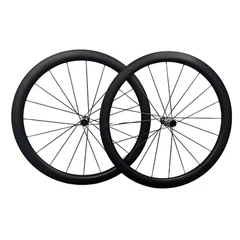
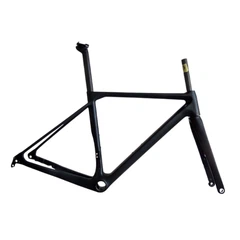
700C wheels, 45/48/51/54 cm frame, from 9.6 kg, SENSAH 1×12S hydraulic disc
Send Inquiry Now

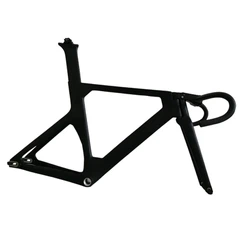
700C wheels, high-modulus carbon frame, fork, bar & seatpost, W19×H38 mm carbon rims
Send Inquiry Now
FAQ
Q: Can I Use a Cyclocross Bike for Gravel Riding?
A: Short rides, yes. It handles dirt fine. But 33mm tires, no mounts, and an aggressive position make it the wrong tool for long or loaded gravel days.
Q: Which Is Faster, Cyclocross or Gravel Bike?
A: On a burst, the cyclocross bike. On sustained mixed-terrain speed, the gravel race bike is closer than most people expect.
Q: Should I Choose a Carbon or Aluminum Frame for a Gravel Bike?
A: Carbon rides better on rough gravel - it dampens high-frequency vibration that aluminum transmits straight to your hands and back. It's also easier to tune for stiffness where you need power and compliance where you want comfort. Aluminum is cheaper and more tolerant of hard knocks, so it's fine on a tight budget.
Q: What Is the Biggest Difference Between a Cyclocross Bike and a Gravel Bike?
A: Geometry and tire clearance. One is sharp and tight, the other stable and roomy. Every other difference, comfort, gearing, mounts, comes from those two.
Q: Can I Race Cyclocross on a Gravel Bike?
A: You can ride the course, but you'll give up time in corners and run-ups, and UCI categories won't treat it as a CX bike.
Q: What Tire Clearance Should I Look for When Buying a Gravel Frame?
A: Aim for at least 40mm for gravel roads and fire trails, and 45–50mm (or 650b) if you're bikepacking, riding technical trails, or want mud clearance. Also check your rim's internal width, since it affects how the tire sits and how much air volume you actually get.