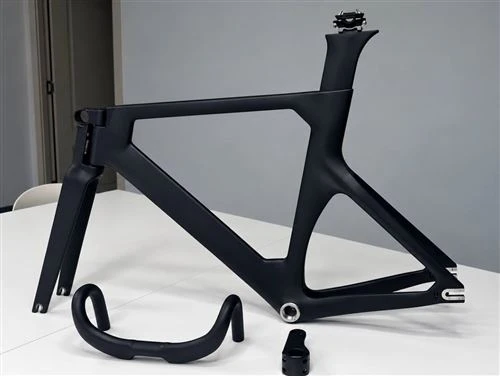
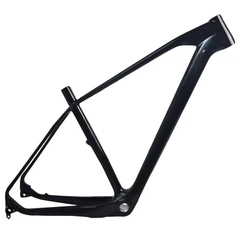
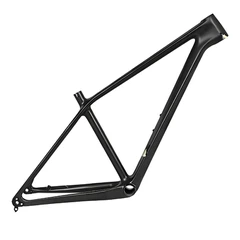
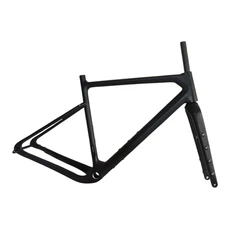
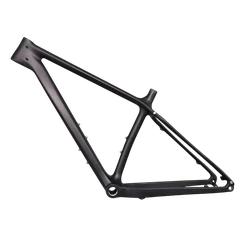
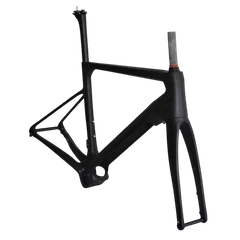
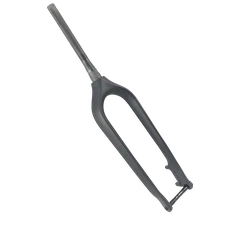
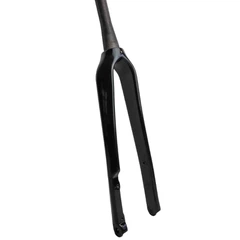
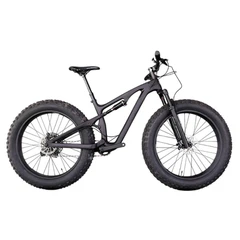
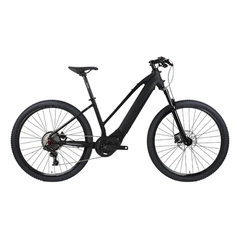


When choosing a lightweight carbon frameset, you need to look beyond weight. Two frames with similar weights can differ in carbon fiber materials, stiffness, durability, and component compatibility. These differences matter when you're developing a new bike model or preparing for mass production.
Key Takeaways
• A lightweight frameset takes more than a low number on the scale - compare weights only within the same bike category, frame size, and finish.
• T700, T800, and T1000 carbon grades matter, but layup design and frame structure decide how much material a frame actually needs.
• Weight has to be balanced with stiffness and durability - ask for fatigue and impact test reports, such as those under ISO 4210.
• For OEM/ODM orders, request measured sample weights, test reports, and agreed inspection standards before mass production starts.
How Much Does a Lightweight Carbon Frameset Weigh?
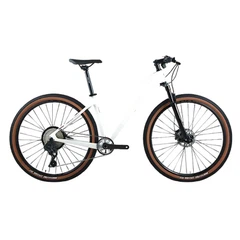
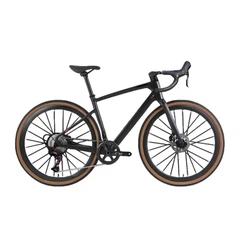
There's no fixed weight that makes a carbon frameset lightweight. Road frames often prioritize low weight, while gravel and mountain bike frames may need extra reinforcement for rougher terrain. You should compare frame weights within the same bike category, size, and intended use.
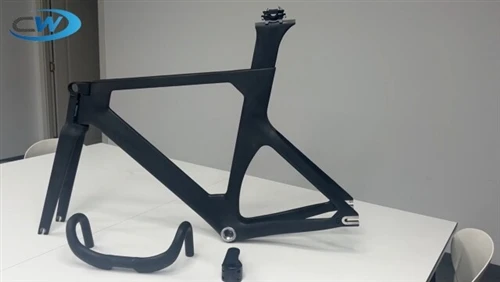
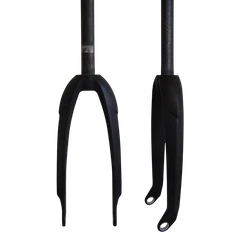
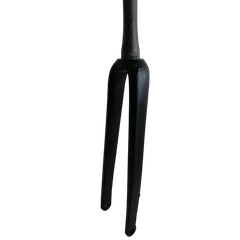
You also need to distinguish frame weight from frameset weight. Frame weight refers to the frame alone, while a complete frameset may include the fork, seatpost, headset, and other parts.
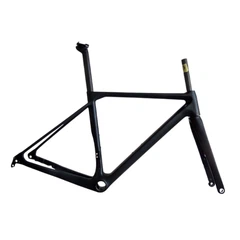
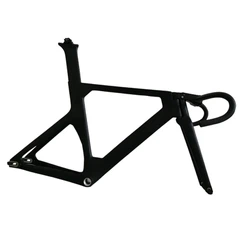
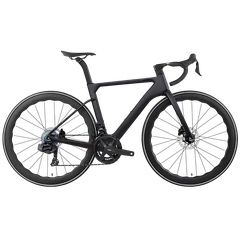
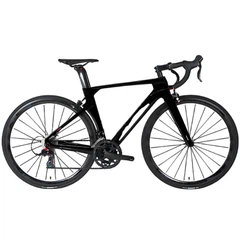
Here are four examples from CWCarbonWorld's carbon road bike frames:
| Model | Frame Size | Frame Weight |
|---|---|---|
| MYB03FM-R890-700C | Not stated | 850g ±20g |
| MYB03FM-R18-700C | 50cm | 950g ±20g |
| MYB03FM-R892-700C | M | From 1060g ±40g |
| MYB03FM-R06-700C | 50cm | 1100g ±20g |
When comparing lightweight carbon road framesets, check that the weights refer to similar frame sizes and configurations. Paint, included components, and manufacturing tolerances can all affect the final weight.
For your bike project, request the weight of the exact frame size and finish you plan to order. This gives you a more reliable basis for comparing models and setting production weight requirements.
How Do Carbon Fiber Materials and Layup Affect Frameset Weight?
The weight of your carbon frameset depends on more than the type of carbon fiber used. Fiber strength, stiffness, layup design, and frame structure all affect how much material you need.
T700, T800, and T1000 are common carbon fiber grades, but each has different properties.
| Carbon Fiber | Key Properties | What It Means for Your Frame |
|---|---|---|
| T700 | Standard stiffness and high strength | Suitable for many carbon frame designs, depending on the layup |
| T800 | Higher stiffness and strength than T700 | May help meet weight and stiffness targets with an optimized layup |
| T1000 | Higher tensile strength than T800 | Requires careful design and testing; higher strength alone does not guarantee lower weight |
These comparisons refer to typical Toray fiber grades. Actual properties depend on the specific fiber and resin system.
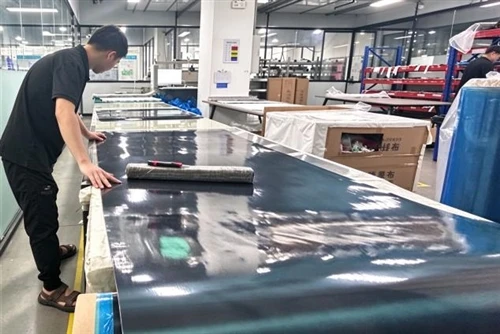
Carbon fiber layup is just as important as material choice. By changing the direction, number, and placement of carbon fiber layers, you can control where material is needed. Tube shape and wall thickness also affect the final weight.
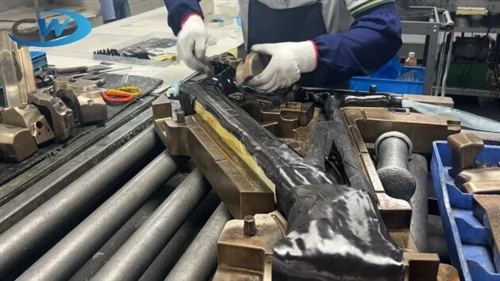
For example, you may need extra reinforcement around the bottom bracket and head tube, while other areas can use less material if the design allows.
You can also combine different fiber grades within one frame rather than using the same material throughout.
When comparing lightweight carbon framesets, look at the complete material and layup design-not just whether the frame uses T700, T800, or T1000 carbon fiber.
How to Balance Weight, Stiffness, and Durability
A lighter carbon frame isn't always the better choice. You need enough stiffness for stable handling and efficient pedaling, while keeping the frame strong enough for its intended use.
These three properties matter in different ways:
Stiffness: How much your frame bends under load. Good stiffness around the bottom bracket and head tube helps with pedaling response and steering control.
Strength: How much force your frame can handle before it fails.
Durability: How well your frame holds up under repeated loads over time.
The right balance depends on the bike you're developing. For a climbing-focused road bike, you may prioritize low weight while keeping enough stiffness for responsive handling. For an endurance road bike, you may place more value on comfort and long-term durability.
You also need to consider how the frame performs under real loads, not just its listed weight. Fatigue and impact tests, such as those covered by ISO 4210, help verify whether a lightweight carbon frameset can withstand its intended use.
Your goal should be a frame that meets your weight target without falling short on the performance and durability your bike requires.
Key Specifications to Check Before Choosing a Lightweight Carbon Frameset
Frame geometry, component compatibility, and included parts determine whether a frameset will work for your bike project. Check these specifications before selecting a model.
Frame Geometry and Size Range
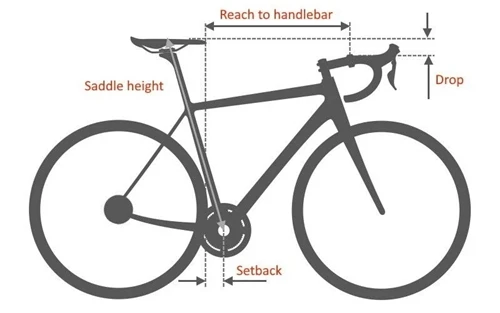
Start with the frame geometry chart. Stack and reach help you determine rider fit, while wheelbase and head tube angle affect handling and stability.
Check the available frame sizes against your target riders. For road bikes, focus on fit and handling. Gravel frames may need more tire clearance and stable geometry for mixed terrain, while mountain bike frames require geometry suited to off-road riding. Compare the geometry across sizes before choosing a model.
Tire, Brake, and Drivetrain Compatibility
Your frameset must work with the components you plan to use. Before selecting a model, confirm these specifications:
• Tire clearance: Maximum tire width supported by the frame and fork.
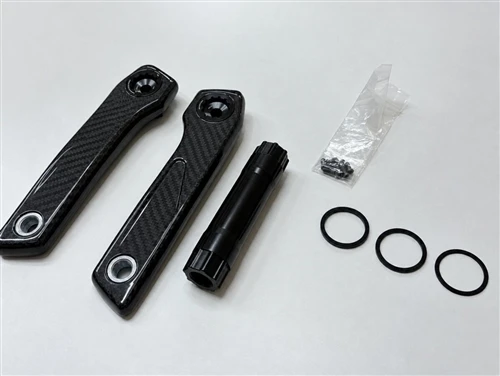
• Bottom bracket: Compatibility with your chosen crankset.
• Axle and brake mounts: Correct axle dimensions and disc brake mounting standards.
• Cable routing: Support for your mechanical or electronic shifting system.
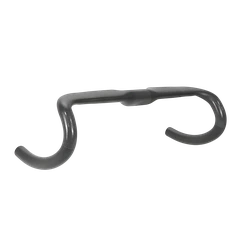
• Cockpit: Compatibility with your handlebar, stem, and headset setup.
For integrated carbon framesets, pay close attention to cable routing and cockpit compatibility. Not every integrated system works with third-party components.
Frameset Components and Weight Specifications
A frameset doesn't always include the same parts from every supplier. You may receive a frame and fork, while other packages include a seatpost, headset, or small hardware.
Ask for a complete parts list before comparing frameset weights. This helps you avoid comparing a bare frame with a package that includes several additional components.
OEM/ODM Options for Lightweight Carbon Framesets
If you're developing a lightweight carbon frameset for your bike brand, you can choose between customizing an existing frame model and developing a new design. The right option depends on how much you need to change.
With an existing mold, you can usually customize the paint finish, colors, logos, and some component options. This lets you build your own product line without developing a new frame from scratch.
For more specific requirements, you can explore other options:
• Carbon layup: Adjust the fiber arrangement to work toward your target frame weight while meeting strength requirements.
• Frame geometry: Develop custom dimensions or geometry for your intended riders, which may require a new mold.
• New mold development: Create a frame with a different shape, structure, or design that existing molds cannot support.
Before starting your OEM/ODM project, you should define your target weight, frame sizes, technical specifications, and expected order quantity. These details help you and your manufacturer assess which changes are practical.
You can explore CWCarbonWorld's custom carbon fiber bike frames for your project requirements.
How to Evaluate a Lightweight Carbon Frameset Manufacturer
When choosing a lightweight carbon frameset manufacturer, you need to know whether they can deliver the same quality across a full production run, not just one good sample.
Before placing an OEM order, check these five areas:
• Sample Weight: Ask for the measured weight, frame size, paint finish, and acceptable weight tolerance. Make sure these match your agreed specifications.
• Testing: Request test reports for the frame model you're ordering. Check which fatigue, impact, and strength tests were performed and whether the results meet your requirements.
• Production Consistency: Find out how the manufacturer controls weight, carbon layup, and frame dimensions between batches.
• Quality Control: Ask how frames are inspected for alignment, surface defects, and structural issues. Check how rejected frames are handled.
• Lead Time: Confirm the schedule for sample approval, production, and delivery. Make sure the factory can handle your expected order volume.
You should also agree on inspection standards before mass production begins. This gives you a clear way to check whether delivered frames match the approved sample.
A reliable manufacturer should be able to support its claims with test results, inspection records, and consistent production quality.
Conclusion
Choosing a lightweight carbon frameset involves more than finding the lowest weight. You need to consider how the frame's materials, stiffness, durability, and component compatibility fit your bike project. For OEM/ODM orders, consistent quality across production matters just as much.
Explore CWCarbonWorld's carbon road bike frames to compare available models. If you have specific weight targets or design requirements, contact CWCarbonWorld to discuss your OEM/ODM project.
FAQ
Q: How much does a lightweight carbon frameset cost for OEM orders?
A: Your cost depends on the carbon fiber materials, order quantity, frame design, and customization requirements. If you use an existing mold, you can avoid new tooling costs. Custom geometry or a new frame design may require additional development and testing expenses.
Q: Does custom paint add weight to a carbon frameset?
A: Yes. Paint, primer, and clear coats add weight to your frame. The amount depends on the finish, number of coats, and painting process. If you have a strict weight target, ask your manufacturer for the finished frame weight rather than the unpainted weight.
Q: Can lightweight carbon framesets be produced in different sizes with consistent performance?
A: Yes, but you may need different carbon layups for different frame sizes. A larger frame has different structural demands than a smaller one. You should confirm that each size meets your required stiffness, strength, and fatigue performance targets.
Q: Can I order a sample before bulk production?
A: You can request a sample from your manufacturer before placing a bulk order, subject to their sample policy. Use it to check frame weight, geometry, finish quality, and component fit. You should also confirm the sample approval process before production begins.
Q: Can a lightweight carbon frameset support heavier riders?
A: Yes, but you need to check the manufacturer's maximum system weight limit, which may include the rider, bike, and luggage. A lighter frame doesn't automatically mean a lower weight limit. Make sure the frameset is approved for your intended riders and riding conditions.