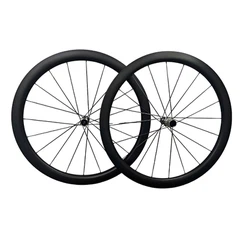
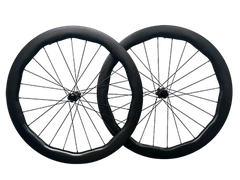
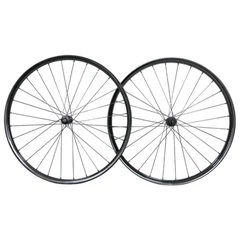
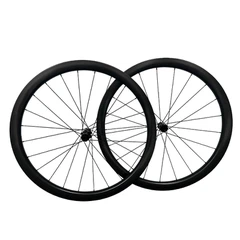
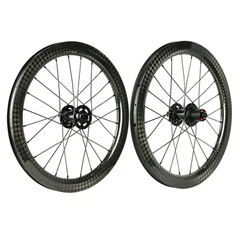
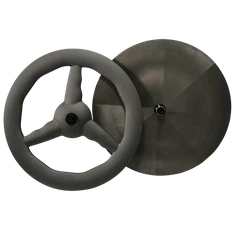
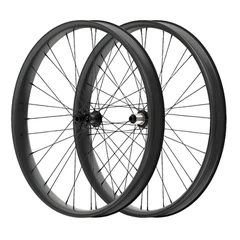




Whether you are specifying a wheelset for your own brand or evaluating one for your build, you need to look beyond just aesthetics. What if your wheelset could be designed as one complete system instead of separate parts? That's the idea behind a one-piece carbon spoke wheelset.
If you're exploring this wheel design, you'll want to know more than what it looks like. You need to understand how it works, which bikes and riding conditions it suits, and what to consider for use, maintenance, or OEM/ODM development. This guide covers the key points you need to know.
Key Takeaways
A one-piece carbon spoke wheelset integrates the rim, carbon spokes, and hub interface into a single carbon structure, creating a more direct load path. It is mainly used in high-performance cycling such as road racing, time trials, triathlon, and track cycling. Its advantages include system-level optimization of aerodynamics, weight, and structure, but development is more complex and a damaged spoke may not be replaceable on its own. When choosing one, focus on specification compatibility, manufacturing and testing capability, and after-sales support.
What Is a One-Piece Carbon Spoke Wheelset?
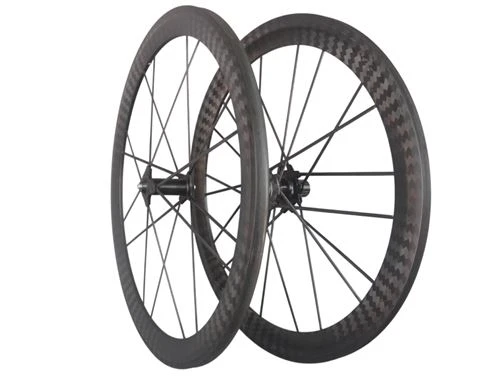
A one-piece carbon spoke wheelset is a wheelset in which the carbon fiber rim, carbon spokes, and hub shell or hub interface are formed or joined as an integrated carbon structure. Depending on the design, this may involve a single mold or an integrated molding process.
Unlike a traditional wheelset, where the rim, metal spokes, and hub are separate parts assembled together, a one-piece design creates a more direct load path between the rim, spokes, and hub interface. This integrated structure is the defining feature of a one-piece carbon spoke wheelset.

How Does a One-Piece Carbon Spoke Wheelset Work?
When you ride, your wheelset needs to handle forces from your weight, pedaling, braking, and the road. In a one-piece carbon spoke wheelset, these forces move through the rim, carbon spokes, and hub interface as one connected structure.
You can understand the load path in three steps:
Carbon Rim: Supports the tire and receives forces from the road.
Carbon Spokes: Transfer these forces between the rim and hub.
Hub Interface: Transfers the load to the axle and bike frame.
Because the rim, spokes, and hub connection are designed together, you get a more direct structural path than with a traditional wheelset built from separate components.

One-Piece Carbon Spoke Wheelset vs. Traditional Wheelset
When you compare a one-piece carbon spoke wheelset with a traditional wheelset, the main difference is how the wheel is built. A traditional wheelset uses separate components that are assembled together. A one-piece carbon spoke wheelset uses a more integrated carbon structure, so the rim, spokes, and hub connection are designed to work as a system.
| Feature | One-Piece Carbon Spoke Wheelset | Traditional Wheelset |
| Rim | Carbon structure integrated with the wheel design | Separate rim |
| Spokes | Carbon spokes integrated into the structure | Individual metal spokes |
| Hub connection | Designed as part of the overall structure | Separate hub and spoke connections |
| Manufacturing | Requires specialized carbon processes | More conventional assembly |
| Serviceability | Replacement can be more complex | Individual spokes are generally easier to replace |
| Customization | Often requires system-level design | Components can be changed separately |
Where Are One-Piece Carbon Spoke Wheelsets Used?
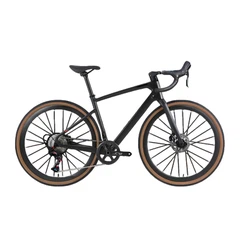
One-piece carbon spoke wheelsets are mainly used in performance-focused cycling, where you can design the wheel around the demands of a specific discipline. Road racing, time trial, triathlon, and track cycling are the most common applications, while some designs also extend into gravel riding.
Road Racing and Aero Road Bikes
Road racing and aero road bikes are among the most direct applications for one-piece carbon spoke wheelsets. You can choose different rim depths depending on the riding goal. Shallower rims can offer a more balanced setup for mixed terrain and climbing, while deeper rims are better suited to high-speed riding where aerodynamics become more important.
The integrated carbon spoke structure also gives you more room to tune lateral stiffness and load transfer across the wheel. This can be useful when you need a balance of climbing weight, cornering control, and high-speed stability rather than optimizing for a single factor.

Time Trial and Triathlon
Time trial and triathlon place a stronger focus on aerodynamic performance because you spend much of the race at sustained high speeds. You may see deeper front rims, high-profile rear wheels, or disc-style rear wheels designed around these conditions.
With the rim, spokes, and hub interface developed together, you can shape the wheel as a complete aerodynamic system instead of treating the spokes as separate components. The design can also be tuned for stiffness and stability at speed. However, the right setup still depends on the course, rider position, wind conditions, and the wheel's specific specifications.
Track and Other Performance Applications
Track cycling creates a more controlled riding environment, with smooth surfaces, repeated acceleration, and high-speed efforts. A one-piece carbon spoke wheelset can be developed around these conditions, with the integrated structure tuned for stiffness, response, and aerodynamic consistency.
You may also find this technology in some gravel applications. In that case, the wheel needs a different design approach, such as a wider internal rim to support wider tires and lower-pressure riding. Whether a integrated carbon spoke wheelset is suitable for track or gravel depends on its specifications and validation, not simply on its construction.
How to Match a Wheelset to Your Intended Use
You should not choose a one-piece carbon spoke wheelset based only on its name or construction. Look at the specifications that define how the wheel is intended to be used:
Rim depth: Shallower rims generally suit climbing and mixed road conditions, while deeper rims favor aerodynamic performance at higher speeds.
Internal rim width: Check that the width matches your intended tire size and riding conditions.
Tire compatibility: For hookless rims, confirm that your tire is approved by the wheel manufacturer.
Rider/system weight limit: Check the specified limit for the complete rider and bike system.
Brake and axle standards: Make sure the rotor interface, axle size, and hub spacing match your bike.
The basic principle is intended use → specification → engineering design. A 45 mm all-round road wheel and a 60 mm aero wheel may use the same one-piece carbon spoke concept but serve very different purposes.
What Are the Benefits of One-Piece Carbon Spoke Wheelsets?
When you choose a one-piece carbon spoke wheelset, you're working with a structure designed as a complete system rather than a set of separate parts. That changes how you approach wheel design and performance.
You can see the main benefits in three areas:
Integrated aerodynamic design: You can develop the rim profile, carbon spokes, and hub interface together. This gives you more control over how the complete wheel interacts with airflow, especially when aerodynamics is a key part of your design goals.
Weight and structural optimization: You can optimize the rim, spokes, and hub connection as one structure instead of balancing each part separately. This can help you reduce unnecessary material while keeping the load paths in mind.

System-level engineering: You can tune the wheel around a specific use case, from an all-round road wheel to a deeper aero-focused setup. Rim depth, spoke geometry, hub configuration, and other specifications can be considered together.
The key point is that these benefits come from the integrated design. They don't automatically mean every one-piece wheelset will be lighter, faster, or stronger than a traditional wheelset. Your final performance still depends on the design, materials, manufacturing quality, and testing.
What Makes One-Piece Carbon Spoke Wheelsets Different to Develop?
When you develop a one-piece carbon spoke wheelset, you can't treat the rim, spokes, and hub interface as separate components. Their geometry and connection points affect the whole structure, so changes in one area can require changes elsewhere.
You need to consider several areas together:
Rim design: You need to define the rim depth, profile, internal width, and tire compatibility based on the intended use.
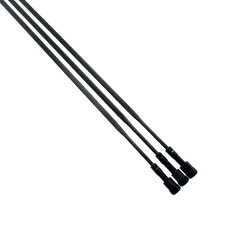
Carbon spoke design: You need to control spoke geometry, carbon layup, and how the spokes connect to the rim and hub interface.
Hub interface: You need to account for axle standards, hub spacing, freehub configuration, and brake system compatibility.
Testing and validation: You need to test the complete wheelset, including structural performance, fatigue, and impact where required, rather than checking each part in isolation.
This makes development more closely tied to tooling, manufacturing, and testing from the start. You also need to lock down key specifications early, because a change to the integrated structure can affect the entire wheelset rather than just one replaceable part.
Serviceability and Maintenance of One-Piece Carbon Spoke Wheelsets
When you use a one-piece carbon spoke wheelset, you need to think differently about repairs. Traditional wheels usually let you replace an individual spoke. With an integrated carbon spoke design, a damaged spoke may not be something you can replace on its own. Depending on the construction, you may need a specific replacement part or a complete wheelset replacement.
For brands and product teams, this makes after-sales planning important. You should define warranty coverage, replacement options, and dealer support before the product reaches customers.
For day-to-day maintenance, you can follow the same basic care principles used for other carbon wheels:
* Keep the rim and hub area clean, and avoid high-pressure water around bearings.
* Check the rim, spokes, and hub interface for visible damage after hard impacts.
* Follow the specified tire pressure and torque limits.
* Check tire seating and the wheel before riding if you have had an impact or notice unusual movement.
You should always follow the maintenance and inspection instructions provided for your specific wheelset.
Developing a One-Piece Carbon Spoke Wheelset for OEM/ODM
If you're developing a one-piece carbon spoke wheelset for your own brand, you'll usually move through several stages. Because the rim, spokes, and hub interface work as one structure, you need to define the key requirements before tooling begins.
A typical OEM/ODM development process looks like this:
* Concept: You define the riding use, target specifications, weight range, tire compatibility, and other product requirements.
* Engineering: You work with the manufacturer to develop the rim profile, carbon spoke structure, hub configuration, and connection details.
* Tooling: You approve the tooling design before production molds are made.
* Prototype: You review the first wheelset and make changes where needed.
* Testing: You validate the design against the required structural and performance standards.
* Sample approval: You confirm the final specifications, finish, branding, and other details before mass production.
* Mass production: You move into production once the approved design and quality requirements are locked in.
You should also agree on inspection standards, packaging, replacement parts, and after-sales support before placing the production order. This helps prevent product issues from being discovered only after launch.

How to Choose a One-Piece Carbon Spoke Wheelset Manufacturer?
When you choose a one-piece carbon spoke wheelset manufacturer, you need to look beyond the product photos. The manufacturer should be able to support the full process from engineering and tooling to testing and production.
Look at these areas before you make a decision:
* Carbon manufacturing: Check the manufacturer's experience with carbon rims and integrated carbon structures. Ask about their molding process and quality control.
* Engineering and tooling: Make sure you can discuss rim profiles, spoke geometry, hub interfaces, and other key specifications with an experienced engineering team.
* Testing and QC: Ask how the wheelset is tested and how production quality is checked. You should also understand what inspection records and test reports you can receive.
* OEM/ODM capability: If you need your own specifications, branding, or product configuration, confirm what the manufacturer can actually customize.
* Production capacity: Check whether the supplier can handle your expected order volume and maintain consistent quality as production scales.
* After-sales support: Discuss warranty handling, replacement options, and how technical issues will be handled after delivery.
A suitable manufacturer should fit both your product requirements and your long-term supply needs, not just your initial sample order.
Conclusion
A one-piece carbon spoke wheelset brings the rim, spokes, and hub connection into one integrated design. This gives you more control over aerodynamics, weight, and structural performance.
If you're developing one for an OEM/ODM project, start with your target use and specifications. Then work with a manufacturer that can support engineering, tooling, testing, production, and after-sales service from the start.
FAQ
Q: Can you replace a broken carbon spoke?
A: It depends on the wheelset design. Unlike traditional wheels, you may not be able to replace a single integrated carbon spoke. You should check the manufacturer's repair or replacement options before purchase.
Q: Can you customize a integrated carbon spoke wheelset for OEM/ODM?
A: Yes, depending on the manufacturer. You can discuss specifications such as rim profile, spoke design, hub configuration, finish, and branding based on your product requirements.
Q: Can you use different freehub bodies?
A: This depends on the hub configuration. If you need a specific freehub standard, such as Shimano HG, SRAM XD, or XDR, you should confirm compatibility with the manufacturer before development or purchase.
Q: Are one-piece carbon spoke wheelsets compatible with tubeless tires?
A: Many are designed for tubeless use, but compatibility depends on the specific rim and tire design. You should always check the manufacturer's approved tire and rim specifications before installation.
Q: Is a one-piece carbon spoke wheelset compatible with your bike?
A: You need to check the wheel's axle standard, hub spacing, brake system, freehub body, and tire compatibility against your bike. Confirm these specifications before ordering to avoid compatibility issues.