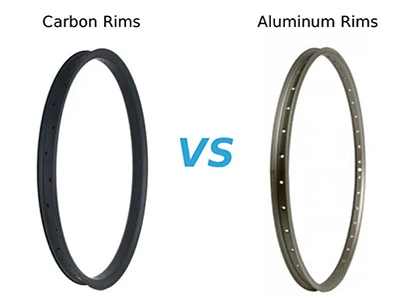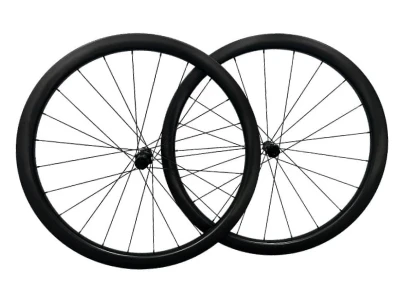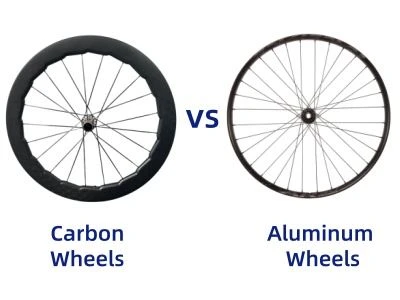

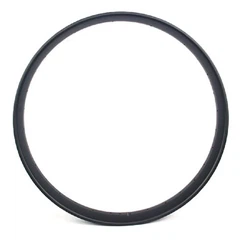
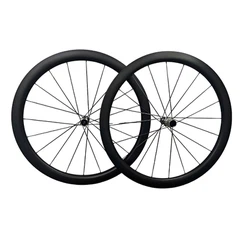
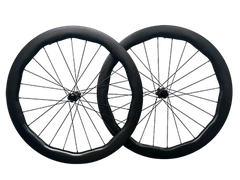
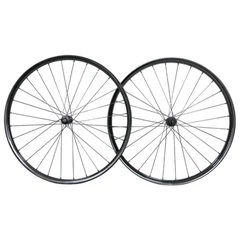





If you're choosing new bike rims, one question often comes up: carbon rims or aluminum rims-which is better? Both materials have clear advantages, but the right choice depends on what matters most to you.
Carbon and aluminum rims differ in weight, aerodynamics, ride feel, durability, braking performance, and cost. In this guide, you'll see how they compare in each area, so you can decide which rim material better fits your bike, riding style, and budget.
Key Takeaways
Compare rims built for the same type of riding, since material alone does not tell the whole story.
Carbon suits riders who care about lower weight and deeper rim profiles. Aluminum is easier to replace and often makes more sense where impacts are common.
After a hard hit, aluminum usually shows a dent or bend. Carbon damage can be less obvious, so inspect it carefully before riding again.
What Are Carbon Rims?
Carbon rims are made from thin sheets of carbon fiber, layered together and bonded with resin. Once shaped, they get baked in a mold under heat and pressure until the material hardens into a rim.
How those layers are arranged is called the layup, and it matters a lot. More layers in the right spots make the rim stiffer and stronger. Fewer layers, or a cheaper layup, can shave off weight but also cut into strength.

What Are Aluminum Rims?
Aluminum rims start as a block of metal, extruded into a rim-shaped profile, then cut, rolled into a hoop, and welded together at the seam.
Most use 6061 or 7005 aluminum alloy. Both are strong and easy to shape, which keeps manufacturing costs down.
Aluminum can't be molded into complex shapes as easily as carbon, so you'll notice most aluminum rims stay shallower and simpler. That's not really a downside - it's just a different way of building a wheel.

Carbon Rims vs Aluminum Rims
| Factor | Carbon Rims | Aluminum Rims |
|---|---|---|
| Weight | Lighter | Heavier |
| Stiffness | Higher | Moderate |
| Ride comfort | Firmer | More forgiving |
| Impact behavior | Can crack | May dent or bend |
| Rim-brake heat resistance | Lower | Higher |
| Upfront cost | Higher | Lower |
| Repairability after damage | Limited | Often repairable |
| Best for | Racing and weight-focused riders | Everyday riding, rough terrain, and tighter budgets |
Pros & Cons of Carbon Rims
Here's a closer look at what carbon actually gives you, and where it costs you.
Advantages of Carbon Rims
• You get a noticeably lighter wheel, which helps most on climbs
• It's stiffer, so more of your power goes into pedaling
• You can run deeper, aero shapes without piling on extra weight
• Some layups smooth out road buzz better than you'd expect

Disadvantages of Carbon Rims
• You'll pay more upfront, often several times the price of aluminum
• A hard hit can crack the rim instead of just denting it
• Rim brakes build up heat that carbon handles poorly
• Repairs are limited, so a cracked rim often just gets replaced
Pros & Cons of Aluminum Rims
Aluminum's trade-offs run the other way - here's where it wins, and where it comes up short.
Advantages of Aluminum Rims
• Lower price, saving you money
• It bends instead of shattering, so you can often still ride it after a hard hit
• It brakes consistently, rain or dry
• It's cheap and easy to repair or replace at almost any shop
Disadvantages of Aluminum Rims
• It's heavier, and you'll notice that most when climbing or accelerating hard
• It's slightly less stiff, so hard efforts can feel less direct
• It comes in fewer aero shapes than carbon
• Spoke holes can crack after years of heavy use
The next few sections dig into exactly where those differences come from, starting with weight.
Weight & Aerodynamics
Weight and aerodynamics depend on more than rim material alone. Rim depth, width, and construction all affect how a carbon or aluminum wheel performs on the road.
Typical Weight Differences
Carbon is lighter than aluminum, and you'll feel that most when you climb or accelerate hard. The gap isn't fixed, though. A shallow carbon rim built for climbing saves more weight than a deep aero rim does, since deeper shapes need extra material to stay stiff.
Rim Depth and Aerodynamic Performance
Carbon molds into deep, aero shapes without adding much weight. Aluminum can go deep too, but it needs extra material to stay stiff, and that extra material cancels out most of the aero gain. That's why you'll see carbon on almost every aero wheelset, and aluminum mostly on shallower rims.

Ride Quality & Stiffness
Weight and aero decide how fast a wheel can go - stiffness and compliance decide what riding it actually feels like.
Vertical Compliance & Comfort
Aluminum flexes a little more than carbon, and that small flex takes the edge off bumps and road buzz. Carbon, especially in wider or deeper rims, feels firmer under you.
Lateral Stiffness & Power Transfer
Carbon resists twisting better than aluminum, so more of your effort goes into moving forward instead of flexing the wheel. On aluminum, that flex is usually too small to notice - unless you're sprinting hard or cornering fast on rough terrain.
Durability & Crash Resistance
Aluminum absorbs a hard hit by deforming. Bottom out on a pothole or clip a curb hard, and the rim usually bends or dents rather than breaking outright. You'll likely feel a wobble in the wheel, and a shop can sometimes true it back into a usable shape. Over years of riding, aluminum can also develop fatigue cracks around the spoke holes, especially on wheels ridden hard and rarely inspected.
Carbon behaves differently. The resin and fibers hold their shape right up to a point, then fail suddenly instead of bending. A hit that would just dent aluminum can delaminate the layers underneath a carbon rim's surface, sometimes without leaving an obvious mark. That's why it's worth running your hand along a carbon rim after any hard impact, feeling for soft spots, cracks, or a section that flexes differently than the rest.
Neither material is delicate under normal riding. The risk shows up specifically after a hard, unexpected impact.
Braking Performance
Impacts are one kind of stress a rim has to survive. Heat is another - and this one shows up on every ride, every time you brake.
Rim-Brake Heat and Brake Track Wear
Rim brakes squeeze pads directly against the rim, and that friction creates heat. Aluminum spreads that heat out fine. Carbon doesn't. Push a carbon rim-brake wheel hard on a long, technical descent, and the brake track can get hot enough to soften the resin holding the fibers together. That's why carbon rim-brake wheels use specific pads and heat-resistant tracks. Aluminum handles the heat, but the brake track wears down a little with every stop, and after years of riding, it can thin out enough that the rim needs replacing.
Carbon vs Aluminum Rims with Disc Brakes
Disc brakes move the braking surface off the rim and onto a separate rotor. That change completely removes the heat and wear problem for both materials. If your bike runs disc brakes, you can stop thinking about braking when you choose between carbon and aluminum.
Cost and Long-Term Value
The better value depends on both the initial price and the cost of maintaining or replacing the rim over time.
Upfront Price
Carbon costs more to make than aluminum, and that shows up in the price tag. Layering carbon fiber by hand, then curing it under heat and pressure, takes far more time and labor than extruding and welding aluminum. You'll usually pay a real premium for carbon over a comparable aluminum rim, and that gap gets wider as the layup gets lighter and more refined.
Service Life and Replacement Cost
Aluminum wears out in a predictable way and costs little to replace when it does. Carbon can actually last longer under normal riding, since it doesn't wear down from braking the way aluminum does. But when carbon fails - usually from a crash or a hard impact - you're looking at a bigger bill, and repair isn't always an option. Think about total cost over years, not just what you pay at checkout.
Maintenance & Repair
Aluminum is the easier material to live with day to day. Truing a slightly bent rim, tightening loose spokes, even fixing minor crash damage - most of that you can handle with basic tools or a quick trip to any bike shop. Nobody needs special training to work on it.
Carbon asks for more care. Tighten spokes past spec, and you can crush the rim bed instead of just building tension. Pry a tire off with the wrong tool, and you can scratch or gouge the surface without even noticing. Repairs, when they're even possible, usually mean sending the wheel to a specialist who can inspect the damage and re-layup the affected area.

Most of the time, a cracked carbon rim doesn't get fixed. It gets replaced. That's worth factoring in before you buy, not after you're standing at a shop counter with a broken wheel in your hands.
Which Rim Type Fits Your Riding
None of it matters the same way for every rider; what you should buy depends on how and where you ride.

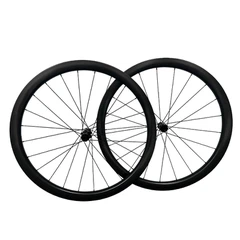
Carbon Rims Road
Send Inquiry Now

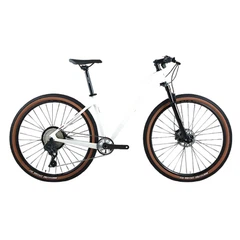
Carbon MTB Rims
Send Inquiry Now

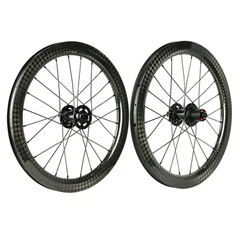
Carbon Rims BMX
Send Inquiry Now

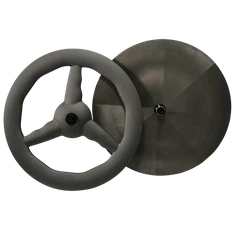
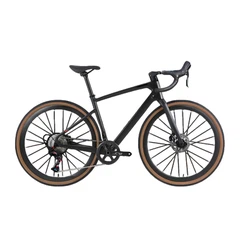
Carbon Rims Gravel
Send Inquiry Now

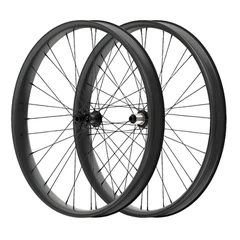
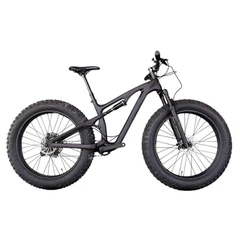
Carbon Fiber Fat Bike Rims
Send Inquiry Now
Road Cycling
If you're chasing speed on pavement, carbon is the clear choice. The weight savings and aero gains compound over long rides, and you'll feel it most on climbs and hard efforts.
Mountain Biking (MTB)
MTB wheels face frequent impacts from rocks, roots, and drops. Aluminum rims are affordable and can often tolerate dents without immediate replacement. Carbon MTB rims offer lower weight and high stiffness, making them especially attractive for cross-country and performance-focused riding.
Gravel Riding
Gravel requires a balance of speed, comfort, and durability. Carbon rims work well for smoother gravel and mixed routes because their lower weight and stiffness can improve acceleration and handling. Aluminum can be a practical choice for rougher terrain and frequent impacts.
BMX
BMX rims take constant abuse from jumps and curb hits. Aluminum's low cost and toughness make it the practical pick, since you'll likely rebuild the wheel eventually anyway.
Fat Bike
Carbon rims can reduce wheel weight, which is valuable on bikes with very wide rims and tires. Aluminum offers a lower-cost alternative for riders who prioritize durability and value over weight savings.
What to Check Before Buying Bike Rims
Before buying a rim, check that its size, tire setup, brake type, spoke count, and weight limit match the rest of your bike.
Rim Size and Width
Check that the rim diameter matches your tires and frame - 700c, 650b, 26-inch, whatever you're running. Internal width matters too, since a wider rim changes how your tire's volume and shape actually perform.
Tire and Tubeless Compatibility
Not every rim comes tubeless-ready out of the box. Some need tape and a valve before you can ditch tubes; others are built for tubes only.
Brake Type and Spoke Hole Count
Rim-brake wheels need a machined brake track that disc-only rims don't have, so the two aren't interchangeable. Spoke hole count has to match your hub as well - get that wrong, and you can't build the wheel without swapping parts.
Rider and System Weight Limit
Every rim carries a weight limit that covers you, your bike, and anything you're carrying. Go over it - especially on a lighter carbon rim - and you're raising your odds of a failure down the road. Check this number before you buy, not after something cracks.
Conclusion
Carbon and aluminum solve different problems. Carbon rewards you with less weight, more stiffness, and real aero gains - if you're chasing speed on the road or want every edge on a fast gravel route, it's worth the price. Aluminum trades some of that performance for durability and a lower cost, which is why it still makes sense on rough trails and tight budgets.
If you're not sure which side you land on, think about where you actually ride most.
FAQ
Q: Which rim material is best?
A: Neither material is best for every rider. Carbon rims offer lower weight, aerodynamic shaping, and high stiffness, while aluminum rims are usually more affordable and easier to replace. The better choice depends on your riding style, terrain, performance needs, and budget.
Q: Are Carbon Rims Suitable for Heavier Riders?
A: Yes, provided the rim or wheelset is designed for the required load. Check the manufacturer's rider or system weight limit, as well as the recommended spoke count and intended use before choosing a carbon rim.
Q: Can You Use the Same Tires on Carbon and Aluminum Rims?
A: Usually, yes. Tire compatibility depends more on rim diameter, internal width, bead design, and whether the rim is hooked or hookless than on the rim material itself. Always check the rim and tire specifications before pairing them.
Q: Can a Bent Aluminum Rim Be Straightened?
A: Minor lateral or radial distortion can sometimes be corrected through wheel truing. A heavily bent, dented, or cracked aluminum rim may no longer be safe to repair and usually needs replacement.
Q: Does Tubeless Compatibility Depend on Rim Material?
A: No. Both carbon and aluminum rims can be tubeless compatible. What matters is the rim's bead seat and channel design, along with compatible tires, rim tape, valves, and the manufacturer's specifications.
Q: Are Carbon Rims Stronger Than Aluminum?
A: Carbon has a higher strength-to-weight ratio, but aluminum handles overload by bending. Carbon holds its shape until it suddenly cracks instead.