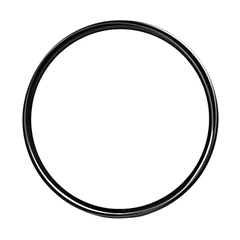
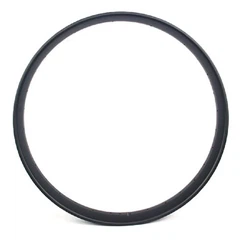




Do carbon saddle rails really make a difference? It is a fair question. They are small, partly hidden under the saddle, and easy to overlook when you are comparing bike parts.
But the saddle rail bow is not just there to hold the saddle in place. It also affects the saddle's weight, how it sits on the bike, and how the whole setup feels when you ride.
That does not mean every rider will notice a big change. Some differences are small. If you are building a lighter road bike, upgrading a gravel bike, or choosing carbon bike components, carbon saddle rails are worth understanding before you decide.
Key Takeaways
Carbon saddle rails can make a difference, but the change is usually not dramatic on its own. You should look at them as one part of the whole saddle and bike setup.
The main point is simple: carbon rails matter more when the rest of your bike is already built around performance, weight control, and careful part matching. If your current setup is basic or your saddle fit is poor, the rail material alone will not solve much.
In most cases, it's better to evaluate your overall comfort and riding needs before deciding whether this upgrade is worth it.
What Do Carbon Saddle Rails Actually Do?
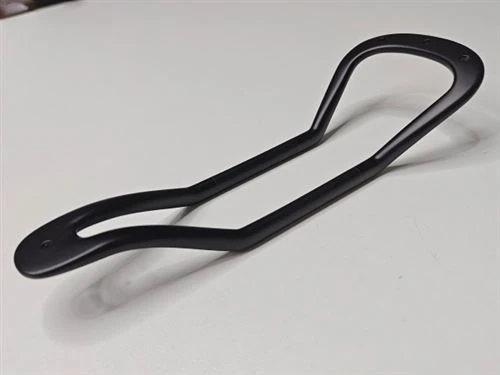
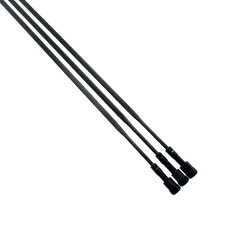
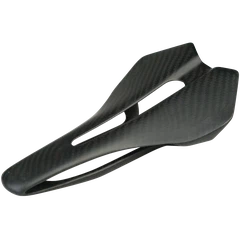
Carbon saddle rails are the two rail bows under the saddle shell. They connect the saddle to the seatpost clamp and help keep the saddle fixed in the right position while you ride.

They also carry load from your body through the saddle and into the seatpost. Because of this, the rail shape, contact area, and clamping zone all matter.
Carbon saddle rails also allow saddle position adjustment. You can move the saddle forward or backward along the rail area, depending on the marked range of the product.
So even though they look like a small part, carbon bike saddle rails are a structural connection between your saddle and bike.
Where Carbon Saddle Rails Make the Biggest Difference
Carbon saddle rails usually make a difference in small, practical ways. You may not feel a dramatic change after one ride, but they can matter when the rest of the bike is already built around lighter parts and careful fit.
Lower Saddle Weight
Weight is the easiest difference to understand. Carbon saddle rails can reduce the weight of the saddle compared with many metal rail options. By itself, that saving may not sound like much.

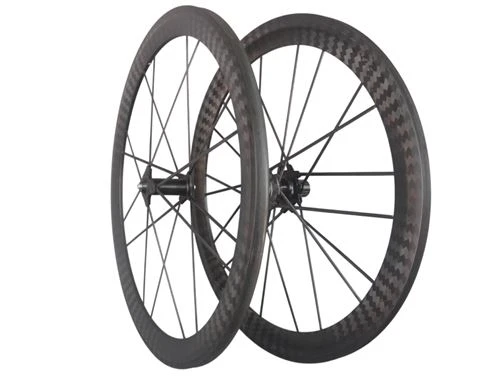
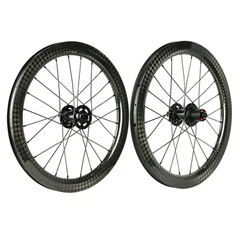
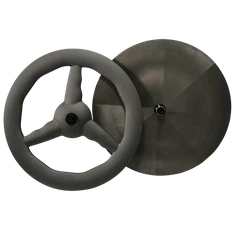
But on a road bike or gravel bike where you are already choosing lighter wheels, seatpost, handlebar, and other parts, the saddle rail bow becomes part of the same weight-saving plan.
Cleaner Performance Setup
Carbon rails also make sense when you want the saddle area to match the rest of a performance build. If your bike already uses carbon bike components, a carbon rail saddle can feel more consistent with that setup.
It is not about adding one flashy part. It is about keeping the build focused and tidy.
Possible Ride Feel Change
Some riders notice a more direct feel from the saddle area. Others barely notice it. That is normal.
The saddle shell, padding, seatpost, tire pressure, and bike fit can all change what you feel. So carbon saddle rails may be part of the ride feel, but they are not the whole story.
What Carbon Saddle Rails Will Not Change
Carbon saddle rails can improve some parts of a bike setup, but they will not fix every saddle problem.
If the saddle shape does not fit you, the rail material will not make it right. The same goes for poor saddle height, wrong tilt, or a bike fit that puts too much pressure on one area.
They also will not turn a basic saddle shell into a high-end riding feel by themselves. The shell shape, padding, seatpost, and riding position still matter.
So it helps to keep your expectations clear. Carbon saddle rails are useful when they match the saddle design and your bike setup. They are not a shortcut around fit, comfort, or proper adjustment.
Carbon Saddle Rails and Comfort
Carbon saddle rails may change how the saddle feels, but they are only one part of the saddle. Comfort still depends on the shell shape, padding, seatpost, and your riding position.

Why Some Riders Feel a Difference
Some riders notice a cleaner, more direct feel from the saddle area. This is more likely when the saddle shell and carbon saddle rails are designed to work together.
On longer rides, small differences can become easier to feel. You may notice the saddle feels more controlled, especially if the rest of your bike setup is already firm and lightweight.
Why Some Riders May Not Notice Much
Some riders barely feel a change. That is normal.
If the saddle shape is not right for you, or the padding does not suit your riding style, the rail material will not matter much. The same is true if your saddle position is off. In those cases, the bigger issue is not the carbon saddle rails.
Who Benefits Most from Carbon Saddle Rails?
Carbon saddle rails are not for every rider. You will notice them more when the rest of the bike is already built around lighter parts and a more performance-focused setup.
Road Riders Who Care About Small Weight Savings
If you ride a road bike and already look closely at part weight, carbon saddle rails make more sense. The weight saving is not huge by itself, but it fits the way many road bikes are built: lighter wheels, lighter cockpit parts, and a lighter saddle area.
Gravel Riders Building a Lighter Setup
For gravel bikes, it depends on the style of riding. If your setup is more speed-focused than cargo-heavy, carbon saddle rails can help keep the saddle area lighter.
On a race gravel or all-road build, that detail fits better than it would on a heavy bikepacking setup.
Riders Upgrading a Performance Bike
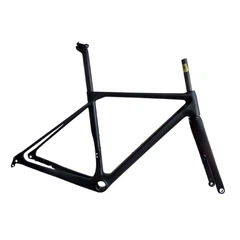
If your bike already uses lighter parts, carbon saddle rails can be a reasonable next step. They match better with a performance saddle, carbon seatpost, or lightweight frame.
For a basic bike, the difference may feel small. For a bike that is already built with performance parts, the choice makes more sense.
When Carbon Saddle Rails May Not Be Necessary
Carbon saddle rails do not have to be the first thing you upgrade. For many riders, other parts of the bike will make a clearer difference.
A saddle that already fits well may not need a rail change. Short-distance riding, commuting, or casual weekend use also puts less focus on small weight savings.

Carbon Saddle Rails
Send Inquiry Now
On a basic bike setup, the bigger gains may come from tires, saddle shape, seatpost choice, or bike fit. Those changes are usually easier to feel.
So, Do Carbon Saddle Rails Make a Difference?
Yes, carbon saddle rails can make a difference, but the difference is usually specific. You may notice it in saddle weight, the way the saddle area feels, and how well it matches a lighter bike build.
For a rider with a casual setup, the change may feel small. For a rider already using lighter wheels, a carbon seatpost, or a performance saddle shell, carbon saddle rails make more sense.
So the real answer is this: carbon saddle rails matter when they fit the purpose of the bike. They work best as part of a well-matched setup, not as a stand-alone upgrade.
Carbon saddle rails make more sense when there is a clear reason for them, such as reducing weight or finishing a performance-focused build. Without that goal, they can wait.
Conclusion
Carbon saddle rails are worth understanding because they are part of how the saddle works, not just a material label. The real value comes from whether the rail, saddle shell, seatpost, and riding use match each other.
So do carbon saddle rails make a difference? Yes, but not dramatically or universally. They matter most when they support the overall design of the bike. When the rest of the setup is not ready for that level of detail, the difference may stay small.
FAQ
Q: Do carbon saddle rails make a bike faster?
A: Not directly. They may reduce a little weight, but speed still depends more on your fitness, position, tires, wheels, and riding conditions.
Q: Can Carbon World provide carbon saddle rails for OEM projects?
A: Yes. For OEM carbon saddle rail projects, you can confirm rail size, shape, material, sample needs, and order details before production.
Q: Why do some carbon saddle rails use an oval shape?
A: The oval shape helps provide more vertical support within a compact rail structure. It also means the rail may need a matching seatpost clamp, instead of a clamp made only for round rails.
Q: Can carbon saddle rails loosen over time?
A: They should not loosen once the saddle and clamp are properly matched. If the saddle starts to move, creak, or tilt, check the rail area and clamp before you continue riding.
Q: Are carbon saddle rails affected by frequent saddle adjustment?
A: Frequent adjustment can leave marks if the clamp slides or presses unevenly. Carbon rails are better suited to careful setup than repeated rough repositioning.
Q: Do carbon saddle rails require special testing?
A: For product development, testing is usually needed to check load support, fatigue resistance, and bonding strength. This is especially important for OEM carbon saddle rail projects.