








How Long Do Carbon Fiber Wheels Typically Last?
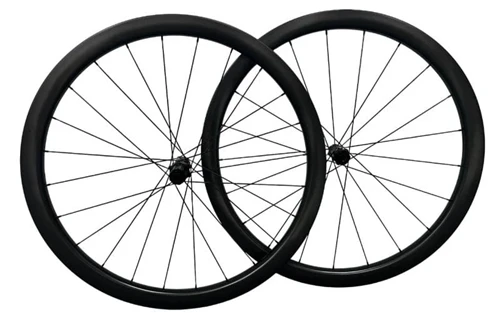
A quality set of carbon fiber wheels can often last about 5–10 years or roughly 20,000–50,000 miles (32,000–80,000 kilometers) with normal use. Actual lifespan varies by usage and maintenance.

Do Carbon Fiber Wheels Wear Out Over Time?
Yes, carbon fiber wheelsets can gradually degrade, but age alone does not usually make the carbon structure fail. Under normal riding and proper maintenance, a quality carbon rim can remain strong for many years. Degradation is more likely when the wheelset experiences repeated hard impacts, crashes, excessive braking heat, moisture intrusion, or visible damage such as cracks, delamination, or a worn rim-brake track.
What Parts of a Carbon Wheel Wear Out First?
The carbon rim is often not the first part of a wheel to require service. Common wear points include:
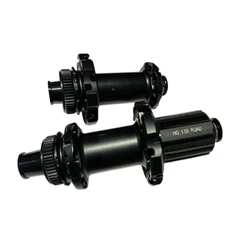
● Hub Bearings: Dirt, water, and regular riding can cause bearings to become rough or loose.
● Freehub Components: Bearings, pawls, ratchets, and seals may require cleaning, lubrication, or replacement.
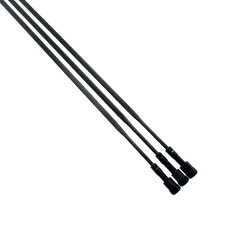
● Spokes and Nipples: Spokes can lose tension, while nipples may corrode or become damaged over time.
● Rim Tape and Tubeless Valves: These can lose their seal and cause slow air leaks.
● Brake Track: If you use rim brakes, braking gradually wears the track and can reduce the usable carbon rim lifespan.
What Can Damage Carbon Fiber Wheels?
Hard Impacts and Crashes
Excessive Heat from Braking
Improper Installation and Over-Tightening

Harsh Cleaners and Chemicals
What Affects the Lifespan of Carbon Wheels?
Two riders can use similar carbon wheels and get very different service lives. Your carbon wheel lifespan depends on how the wheel is built and the conditions it faces over time.
Manufacturing and Carbon Layup
Carbon layup controls load distribution across the rim. Consistency in fiber direction, layer count, resin, molding, and curing is key. Defects like poor compaction, wrinkles, or weak spoke-hole areas reduce durability. A good layup withstands designed loads and impacts.
Riding Conditions and Impact
Smooth roads are generally easier on your wheels than rocky trails or rough gravel. The more demanding the terrain, the more often you should check the rims.
Rider Weight, Tire Pressure and Riding Style
Your total system weight, tire setup, and riding style change the load on the wheels. Hard cornering and aggressive riding can add more stress.
Heat and Braking
With rim brakes, braking heat is applied directly to the rim. The braking force of a disc brake is applied to the disc, and the heat is concentrated in the disc and hub area. The carbon wheel itself does not directly bear the brake heat.
Maintenance and Storage
Regular inspection and basic servicing help you catch problems early. You should also keep your wheels clean and store them away from extreme heat or harsh chemicals.
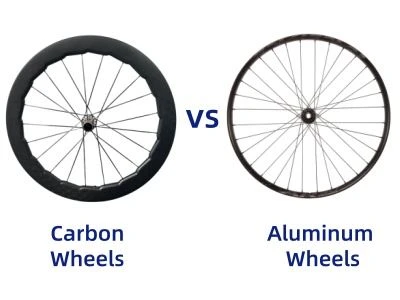
Carbon Fiber vs Aluminum Wheel Lifespan

|
Factor |
Carbon Fiber Wheels |
Aluminum Wheels |
|
Service life |
5–10 years with proper care |
5–8 years depending on fatigue and wear |
|
Fatigue |
Can handle repeated loads well when undamaged |
Metal fatigue can develop after many load cycles |
|
Impact |
Hard impacts may cause cracks or delamination |
Often dents or bends after a strong impact |
|
Damage signs |
Some structural damage can be hard to see |
Dents and bends are often easier to notice |
|
Rim-brake wear |
Brake track wears with use |
Brake surface also wears over time |
How Can You Make Carbon Wheels Last Longer?
You do not need a complicated routine to extend your carbon wheel lifespan. A few basic habits can prevent avoidable wear and help you spot small problems before they become serious.
● Use the Right Tire Pressure: Match the pressure to your tires, rims, total system weight, and riding conditions. This helps reduce hard rim strikes.
● Check Your Wheels After a Heavy Impact: Look for cracks, unusual marks, bulges, or changes in wheel shape after hitting a pothole or rock.
● Keep the Wheels Clean: Dirt and road grit can speed up wear around bearings, brake tracks, and other components.
● Service Moving Parts: Check bearings and the freehub when they feel rough, loose, or noisy.
● Check Spokes Regularly: Uneven or loose spoke tension can affect how loads are spread across the rim.
● Use Compatible Brake Pads: If you have rim brakes, use pads designed for your carbon braking surface.
● Follow Installation Limits: Use the recommended torque and avoid over-tightening parts.
More than anything, pay attention to condition. Regular checks are more useful than simply counting years or miles.

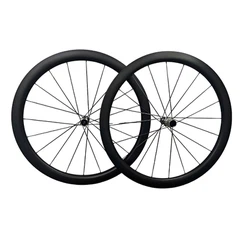
Carbon Road Bike Wheels
Send Inquiry Now

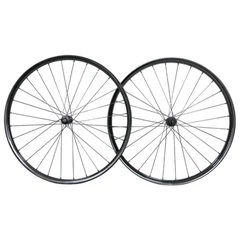
Carbon MTB Bike Wheels
Send Inquiry Now

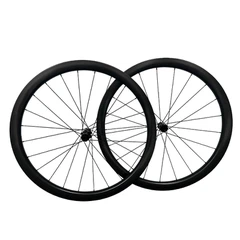
Carbon Wheels Gravel
Send Inquiry Now

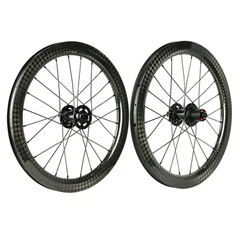
Carbon Fiber BMX Wheels
Send Inquiry Now

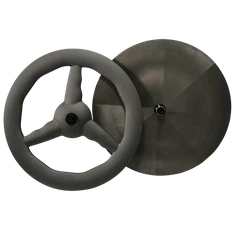
Carbon Time Trial WheelsSend Inquiry Now

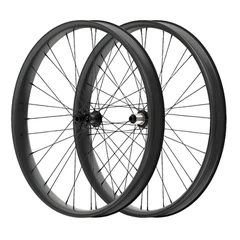
Carbon Fat Bike Wheels
Send Inquiry Now
Conclusion
Quality carbon fiber wheels can last 5–10 years or longer, but their true lifespan depends more on construction, riding conditions, impacts, braking, and maintenance than on age alone. If you're exploring carbon fiber wheelsets, learning how their design and specifications match your bike and riding style can help you find a set that delivers dependable performance for years to come.
FAQ
Q: What ruins carbon fiber?
A: Hard impacts, crashes, too much braking heat, and poor installation can damage your carbon wheels. Strong chemicals may also affect some finishes or bonded areas.
Q: Do carbon wheels have an expiration date?
A: No fixed expiration date applies to every carbon wheel. You should judge your wheels by their condition, use history, and the manufacturer's inspection or replacement guidance.
Q: Can carbon wheels last 10 years?
A: Yes. Your carbon wheels may last 10 years or longer if they are well made, properly maintained, and free from serious damage. Age alone does not decide their lifespan.
Q: Do carbon wheels crack easily?
A: Not under normal riding loads. However, a hard hit from a pothole, rock, curb, or crash can cause cracks or hidden structural damage.
Q: Can you ride carbon wheels every day?
A: Yes, as long as your wheels are designed for your type of riding and you keep them in good condition.
Q: Can a damaged carbon wheel be repaired?
A: Some damage can be professionally repaired. If you find a crack or suspect structural damage, you should stop riding and have the wheel inspected before deciding whether repair is safe.