










Choosing new bike wheels can feel overwhelming. You hear everyone talking about carbon and aluminum, but what's the real difference? It's not just about weight or price. It's about how your bike will feel on your favorite roads.
This isn't about finding the"best" wheel. It's about finding the best wheel for you. Let's break down the facts in plain language, so you can ride with confidence.
What Are Carbon Fiber Wheels?
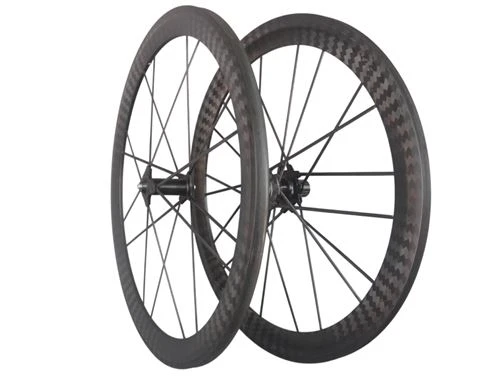
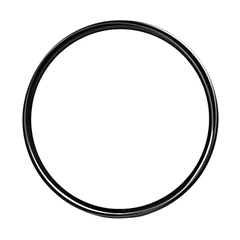
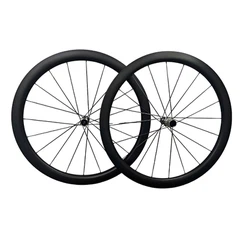
Carbon fiber wheels are built from layers of woven carbon strands that are bonded together with resin to form a strong, lightweight structure. Instead of relying on metal walls, the rim shape and stiffness come from how those carbon layers are arranged. When you ride on carbon wheels, you feel a different kind of response because the material is tuned to control flex and vibration. You'll often see them on road, gravel, and MTB bikes where riders want better speed, a lighter setup, and a more precise ride feel.

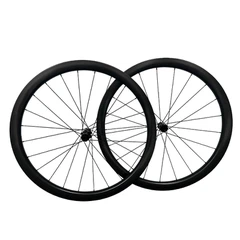
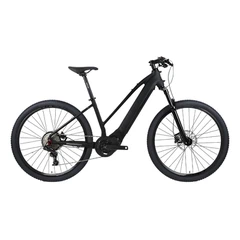
Carbon Road Bike Wheels
Send Inquiry Now

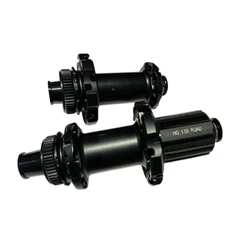
Carbon MTB Bike Wheels
Send Inquiry Now

Carbon Wheels Gravel
Send Inquiry Now

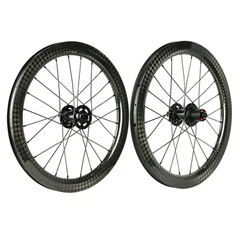
Carbon Fiber BMX Wheels
Send Inquiry Now

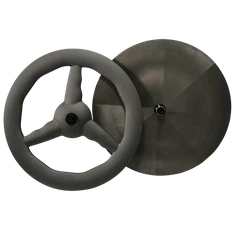
Carbon Time Trial WheelsSend Inquiry Now

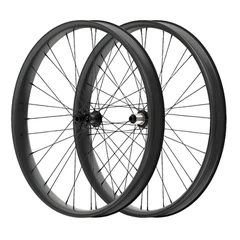
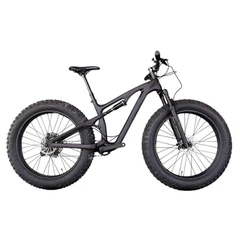
Carbon Fat Bike Wheels
Send Inquiry Now
What Are Aluminum Wheels?
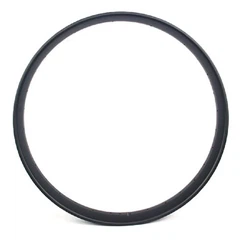
Aluminum wheels start as a metal alloy. This material gets squeezed through a shaped opening to form the rim's profile, much like pushing dough through a playdough factory. The rim is then bent into a perfect circle and welded together at the joint.
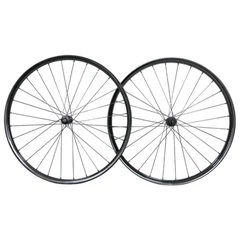
This method is tried and true. It creates a strong, dependable hoop that has been the reliable choice for cyclists for many years. You'll find them on many road, gravel, and mountain bikes because aluminum handles daily use well and is easy to maintain.

Advantages and Disadvantages of Carbon Fiber Bike Wheels
Let's look at what makes carbon wheels special, and where they might not be the best fit for you.

Advantages
Carbon fiber wheels give you a lighter setup and a quicker feel on the road or trail. When you push on the pedals, the wheel reacts fast because the rim is stiff and doesn't flex as much. You'll also notice better aerodynamics if you choose deeper rims, which can help you hold speed with less effort. Another benefit is vibration control. The layered carbon structure reduces small bumps, so you feel less harsh feedback through the bars.
Disadvantages
The downside is that carbon wheels cost more, and you need to be a bit more careful with impacts. If you ride in rocky areas or hit a sharp edge, the rim can crack instead of bending. Repairs are also not as simple as trueing an aluminum wheel. You may need a specialist to fix damage, or in some cases, replace the rim completely. For everyday riders, these factors can make carbon slightly harder to maintain.
Advantages and Disadvantages of Aluminum Wheels
Before you compare materials, it helps to look at what aluminum wheels offer in everyday riding and where they may fall short for certain cyclists.
Advantages
Aluminum wheels are known for their durability and easy handling. When you ride on rough roads or trails, the rim can take small hits without serious damage. If it does bend, you can often fix it at home or at a local shop. Aluminum wheels also cost less, which makes them a practical choice for commuting, training, or riding in bad weather. You get a dependable feel that works well for many types of bikes.
Disadvantages
The drawback is that aluminum wheels are usually heavier, so you may feel slower when climbing or accelerating. They also flex more under load, which can make the ride feel softer but less precise. On long rides, the extra weight and reduced stiffness can be noticeable if you're used to a lighter wheelset. For riders wanting sharper handling or better speed control, aluminum may feel limiting.
Performance Comparison on the Road and Trail
Where you ride matters. The choice between aluminum and carbon plays out differently on various surfaces.
On smooth pavement, carbon wheels truly shine. That lightweight feel becomes obvious when you're climbing. The bike seems to leap forward with each pedal stroke. You'll notice how they hold speed on flat sections too; that's the aerodynamic advantage at work.

But head off-road and the story changes. Aluminum's durability becomes valuable. When you're bouncing over rocks and roots, the fear of damaging an expensive wheelset disappears. You can focus on your line rather than worrying about every impact.
For gravel riding, it's a close call. Carbon smooths out those long, washboard sections beautifully. Yet aluminum handles unexpected rock strikes with less drama.
In group rides, carbon gives you that extra snap for attacks and sprints. But for daily training through potholed city streets, aluminum's toughness might serve you better.
It comes down to this: are you chasing performance or prioritizing durability? Your regular routes probably already tell you which quality you need more.
Weight & Stiffness Comparison
When you look at carbon wheels and aluminum wheels side by side, weight and stiffness are two things you feel almost immediately. These differences change how the bike reacts under you, especially when you climb, corner, or push hard on the pedals.
Weight differences
The numbers tell a clear story. A typical carbon wheelset weighs about 1500 grams. Aluminum usually comes in around 1800 grams.
That 300-gram difference might not sound like much. But it's rotating weight. Every time you push the pedal, you're spinning that mass. Lighter wheels accelerate faster. They make climbing feel easier.
You'll notice it most when starting from a stop sign. Or attacking a steep hill.
Stiffness differences
Stiffness affects power transfer. Carbon wheels are remarkably rigid. When you stand up to sprint, nearly all your energy goes to the road. The wheel barely flexes.
This creates a direct, connected feel. Some riders love this immediate response.
Aluminum has some natural flex. It's not necessarily bad - that slight give can feel more comfortable to certain riders. But during hard efforts, you might notice more energy loss.
Carbon's stiffness also helps with precise handling in corners. The wheel holds its shape under pressure.
Durability & Impact Resistance
Here's the truth about wheel longevity. Both materials are strong, but they handle stress differently.
Aluminum is tough in its own way. Hit a pothole, and it will probably dent rather than break. You can often keep riding on a dented rim. Most bike shops can fix minor bends for a reasonable cost.
Carbon is incredibly strong under normal use. It handles vibration and road buzz year after year without wearing out. But a sharp, hard impact is its weakness. A rock strike might cause cracking instead of a dent.
Think about your local roads. Are they smooth or full of surprises? Your answer might decide which durability story works better for you.
Frankly, neither material is fragile. They just have different strengths. Aluminum bends; carbon can crack.
Braking Performance: Disc vs Rim Brake
| Brake Type | Carbon Wheels | Aluminum Wheels |
|---|---|---|
| Disc Brakes | Excellent stopping power in all conditions | Excellent stopping power in all conditions |
| Rim Brakes | Good in dry conditions; requires careful braking on long descents | Consistent and reliable in both wet and dry conditions |
Maintenance & Repair Differences
Carbon wheels and aluminum wheels need different levels of care, and you'll notice this when you ride often or cover rougher terrain. Carbon rims hold their shape well and don't need frequent truing, but when damage happens, it usually requires a specialist. A cracked carbon rim can't be fixed with simple tools, and in some cases, replacing the rim is the only safe option.

Aluminum wheels are easier to manage.
They may go out of true more often, but you can correct small bends at home or at a local shop. Even dents can sometimes be repaired enough to keep you rolling without replacing the whole wheel.
A Quick Way to See the Difference
Carbon: low daily maintenance, expensive repairs.
Aluminum: more frequent adjustments, but repairs are simple and affordable.
Choosing the right wheel depends on how much time and money you want to spend on upkeep.
Price Comparison and Value for Money
When you compare the cost of carbon wheels and aluminum wheels, the gap is easy to see. Carbon wheels cost more because the manufacturing process is complex and the materials are lighter and stiffer. You're paying for performance, weight savings, and a faster ride feel. If you want a wheelset that helps you climb quicker or hold speed on the road, the higher price may feel worth it.
Aluminum wheels are far more affordable.
They give you solid performance without the higher cost, which makes them a good option for commuting, training, or riding in harsh conditions.
Which Is Better, Carbon or Aluminum?
The answer depends on what you want from your bike. Carbon wheels give you more speed, better stiffness, and a lighter setup, which helps when you climb or accelerate. If you want a sharper and more responsive ride, carbon usually feels better.
Aluminum wheels focus on durability and value.

They handle rough roads well and are easier to repair, making them a solid choice for training, commuting, or riding in bad weather.
Choose carbon if you want performance and faster handling.
Choose aluminum if you want strength, comfort, and lower cost.
Conclusion
A good wheel upgrade should make the bike easier to ride in the way you actually use it. The question is not whether one material is always better, but whether the wheel matches your routes, tire setup, brake system, and maintenance habits.
Before making a decision, look at the full wheel design instead of judging by rim material alone. Rim depth, width, spoke setup, hub choice, and build quality can change the final result.
Carbon World offers carbon wheels for road, gravel, MTB, BMX, and fat bike applications. For custom or OEM wheel projects, you can confirm rim size, finish, logo, and riding requirements before production.
FAQ
Q: How long do carbon fiber wheels last?
A: With normal use, carbon wheels can last for many years. The material doesn't fatigue like metal. Just avoid hard impacts and store them properly.
Q: Are carbon wheels better than aluminum?
A: They're better at specific things like weight and aerodynamics. But aluminum wins for value and impact resistance. Your riding style determines which is better for you.
Q: Do carbon wheels crack easily?
A: Carbon wheels don't crack easily under normal use. They hold up well against everyday stress and won't fatigue like metal. However, a strong hit from a sharp rock or pothole can cause a crack, while aluminum would usually bend instead.
Q: Do carbon wheels last longer?
A: In many cases, yes. Carbon doesn't wear out from repeated flexing the same way aluminum does. As long as you avoid major impacts and keep the wheel in good condition, carbon can outlast aluminum in long-term structural strength.