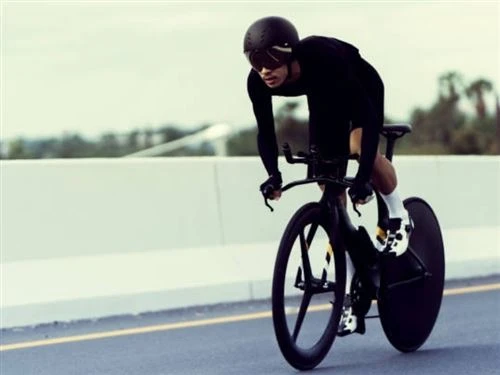

In a time trial or triathlon race, every second matters. Your wheel choice can affect more than just speed - it can also change how your bike feels in different conditions. When comparing a 3 spoke carbon wheel vs a disc wheel, many riders and bike brands ask the same question: which option works better for TT bikes?
The answer depends on more than aerodynamics alone. Wheel position, course conditions, wind, and handling needs all play a role. In this guide, you'll learn how 3 spoke carbon wheels and disc wheels differ and how to choose the right setup for your performance goals.
Key Takeaways
• They're not alternatives. A tri-spoke and a disc answer different positions on the same bike - most complete TT setups run one of each.
• Only the front wheel steers. Side force on a deep front wheel becomes a steering correction; on the rear it doesn't. That one fact sets the pairing.
• The disc is the faster shape; the tri-spoke is the safer front. It trades a little drag for predictable handling as the wind angle changes.
What Is a 3 Spoke Carbon Wheel?
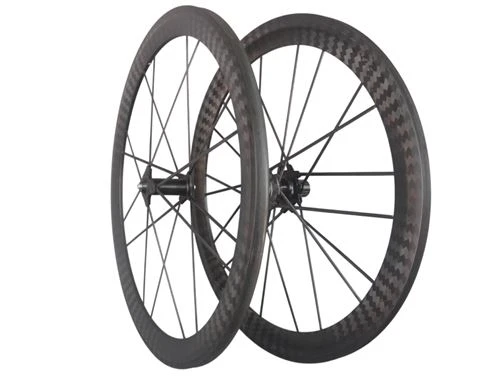
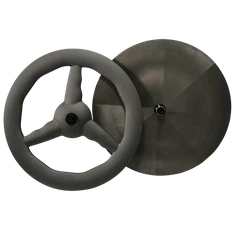
A 3 spoke carbon wheel is an aerodynamic bicycle wheel that uses three integrated carbon spokes instead of traditional separate spokes. The spokes connect the hub and rim as one structure, creating a clean shape that helps manage airflow while keeping the wheel stiff and responsive.
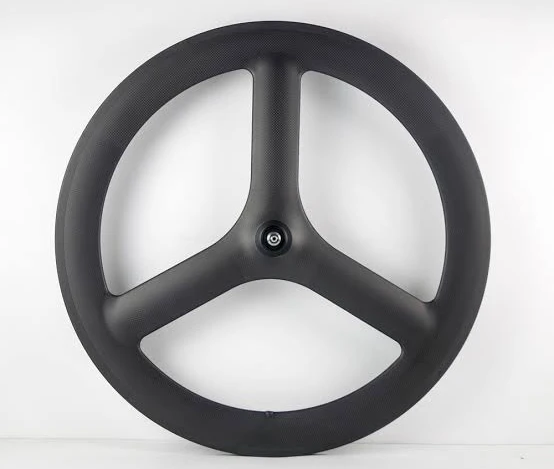
You often see carbon tri spoke wheels used on time trial bikes, triathlon bikes, and track bikes where reducing drag and maintaining control are both important. Compared with standard spoked wheels, the integrated carbon design can provide better aerodynamic performance at high speeds.
A 3 spoke carbon wheel is commonly chosen for the front position on a TT bike because it offers a balance between speed and handling. You can benefit from:
Improved aerodynamic efficiency during racing
High stiffness for better power transfer
More predictable handling in changing wind conditions
However, a 3 spoke carbon wheel is not always the fastest option for every situation. The gain is largest at the front of a TT bike on a course with variable yaw; on a dead-flat, low-wind course a deep spoked front wheel closes most of the gap for less money. For many TT setups, it works best as part of a complete wheel combination rather than as a standalone choice.
What Is a Disc Wheel?
A disc wheel is a type of aerodynamic bicycle wheel that uses a solid carbon surface instead of traditional spokes. By creating a continuous shape from the hub to the rim, the wheel helps reduce airflow disruption and improve aerodynamic efficiency, especially when you are riding at high speeds.
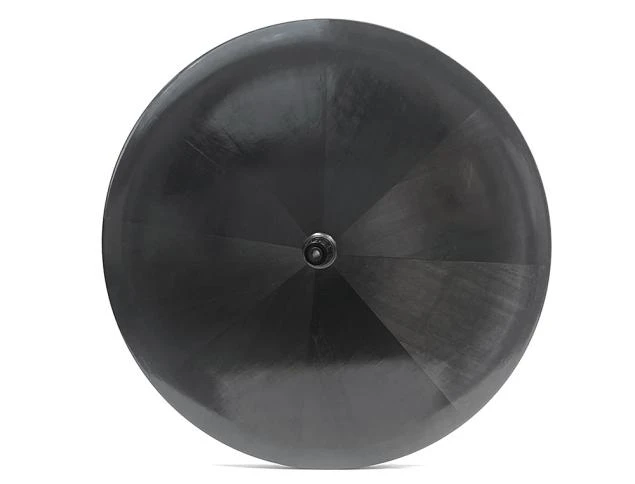
You will often see carbon disc wheels used on time trial bikes, triathlon bikes, and track bikes. They are especially common as rear wheels because the rear position allows you to focus more on reducing drag without affecting steering control.
The main benefits of a disc wheel include:
High aerodynamic efficiency at racing speeds
Smooth airflow around the wheel surface
Strong performance on flat and fast courses
However, a disc wheel is not the perfect choice for every race. The larger surface area can be more affected by strong crosswinds, and the added material may increase weight compared with some other aerodynamic wheel designs.
When you choose a TT disc wheel, you need to consider your course type, weather conditions, and overall bike setup. For many riders and teams, a disc wheel works best when paired with a suitable front wheel to create a balanced aerodynamic system.
3 Spoke Carbon Wheel vs Disc Wheel: Key Differences
When you compare a 3 spoke carbon wheel vs disc wheel, the biggest differences come down to design purpose, wheel position, and riding conditions. Both are built for aerodynamic performance, but they are designed to solve different challenges on a TT bike.
| Feature | 3 Spoke Carbon Wheel | Disc Wheel |
| Structure | Three integrated carbon spokes | Solid carbon surface |
| Typical Position | Front wheel | Rear wheel |
| Aerodynamic Performance | High aero efficiency with balanced handling | Maximum aero advantage at high speed |
| Handling | More responsive in changing conditions | More affected by strong crosswinds |
| Best Use | TT and triathlon front setups | Flat, fast TT courses |
| UCI mass-start road | Not legal - 3 spokes, below the 12-spoke minimum | Not legal - no spokes |
| UCI time trial / triathlon | Legal |
Legal (non-drafting only) |
Why Many TT Bikes Use a 3 Spoke Front Wheel and Disc Rear Wheel
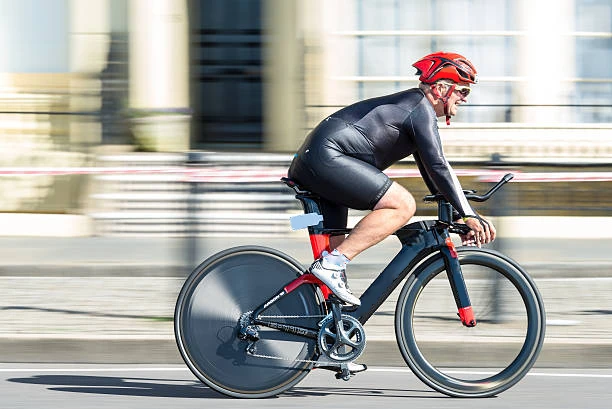
When you look at many high-performance TT bikes, you will often see a 3 spoke carbon wheel on the front and a disc wheel on the rear. This setup is not random. Each wheel position has different performance needs.
Your front wheel affects steering and handling, especially when you ride in crosswinds. A 3 spoke carbon wheel provides strong aerodynamic performance while keeping the bike easier to control.
Your rear wheel has less influence on steering, so you can focus more on reducing drag. A disc wheel creates a smooth aerodynamic surface that helps you maintain speed on fast, flat courses.
By combining both designs, you can achieve a better balance:
• Front wheel: improved control and aerodynamic efficiency
• Rear wheel: maximum aerodynamic advantage
Two situations break the pattern. In a draft-legal race neither wheel is permitted at all. In a sustained strong crosswind, riders will often swap the tri-spoke front for a shallower spoked wheel and leave the disc on the rear - the front is where the wind costs you control, and the rear is where it does not.
Aerodynamics and Handling
Airflow around a wheel creates side force. Whether that force matters depends on one thing: does the wheel steer?
Front wheel
Airflow becomes steering input. The front wheel is connected to your bars, so any side force becomes a steering correction. A 3 spoke carbon wheel uses three blades with gaps between them, letting some air pass through. It creates slightly more turbulence - and slightly more drag - than a disc, but it never builds up a large pressure difference when wind angle changes. The result is a front wheel that stays predictable in variable wind. Its advantage isn't being the fastest shape; it's trading a little drag for steering you can trust.
Rear wheel
Airflow becomes pure speed. The rear wheel doesn't steer. Side force goes into the frame, not your bars. With the handling penalty removed, you can choose the fastest shape - the disc. A continuous carbon surface lets airflow move evenly with no spoke turbulence, dropping drag to its lowest practical level. Crosswinds push it harder, but you feel that as a gentle load through the frame, not a tug at the bars.
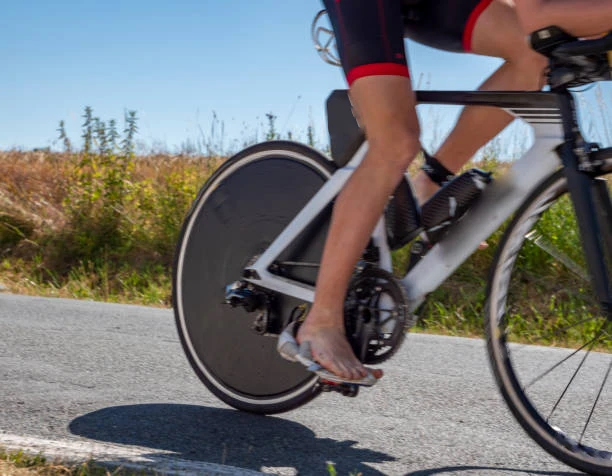
Put together: Front = handling decision with an aero cost → tri-spoke. Rear = aero decision with almost no handling cost → disc. This is why fast TT bikes run a 3 spoke front and disc rear. It's not a compromise - it's each wheel doing what its position allows.
Choosing the Right Wheel Setup for Different TT Courses
Your TT wheel setup should match the demands of the course. Different race environments change the balance between aerodynamic efficiency, handling, and acceleration.
On flat and fast TT courses, maintaining high speed is the main goal. Since aerodynamic drag has a greater impact at higher speeds, a setup that prioritizes aero efficiency, such as a disc wheel on the rear, can provide an advantage by reducing airflow disruption.
On windy courses, handling becomes more important. Crosswinds can create side forces on deep aerodynamic wheels, especially on the front wheel where steering control is affected. In these conditions, a 3 spoke carbon wheel can provide a better balance between aerodynamic performance and predictable handling.
On rolling or technical courses, you need to manage frequent changes in speed, corners, and elevation. A lighter and more responsive setup may help you accelerate faster and maintain better control.
If the build has to cover one setup only, a tri-spoke front with a disc rear covers the widest range of non-drafting courses. Build the exceptions - very windy, very technical - around a shallower front wheel rather than around a different rear.
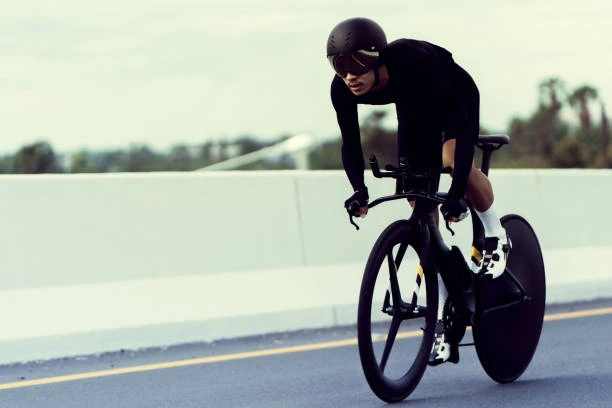
How Brands Choose Carbon TT Wheels for New Product Development
When you develop a new TT bike or triathlon product, choosing a carbon wheel supplier involves more than comparing speed claims. You need to consider how the wheel design fits your product goals, target riders, and market position.
For bike brands and OEM teams, key factors often include:
Aerodynamic design: How the wheel shape supports the performance goals of the bike.
Carbon layup and structure: How material selection affects stiffness, weight, and riding feel.
Customization options: Whether you can adjust the wheel design, branding, finish, or specifications.
Manufacturing capability: Whether the supplier can support prototype development, testing, and stable production.
A reliable carbon wheel manufacturer should help you evaluate these factors during product development, not only provide a finished wheel. The right partner allows you to create a TT wheel solution that matches your brand requirements and customer expectations.
Technical Factors to Consider Before Choosing Carbon TT Wheels
When you choose carbon TT wheels for a new bike project or performance upgrade, technical details can have a direct impact on wheel performance, compatibility, and long-term reliability.
Important factors to consider include:
Carbon layup design: The way carbon layers are arranged affects stiffness, weight balance, and how the wheel responds under power.
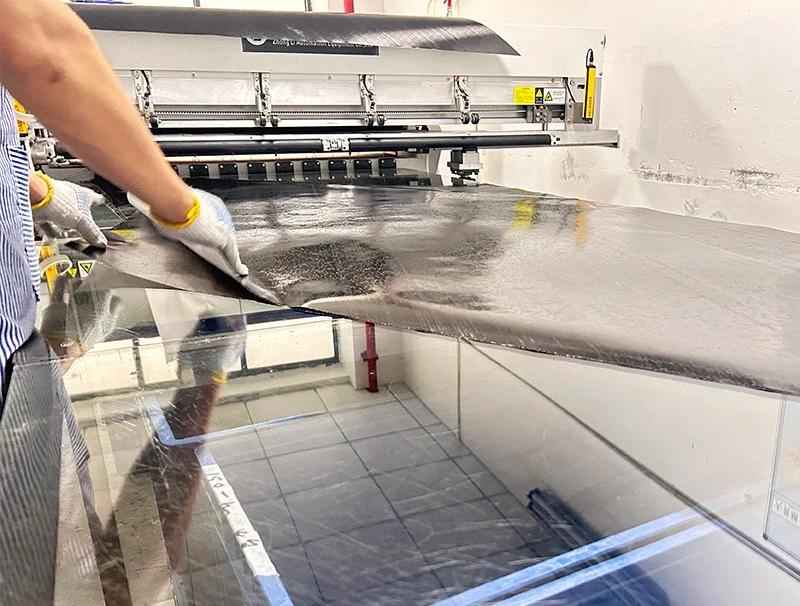
Rim profile and aerodynamics: The rim shape influences airflow management and overall aerodynamic performance at racing speeds.
Tire compatibility: You need to consider whether the wheel supports your preferred tire system, such as clincher, tubeless, or tubular setups.
Hub and brake system compatibility: The wheel should match the bike's drivetrain, axle standards, and braking requirements.
Testing and quality control: Manufacturing processes, inspection standards, and performance testing help ensure consistent wheel quality. Since 1 January 2026, UCI Article 1.3.018 also requires wheels used in road, track and cyclo-cross to meet the impact test in ISO 4210-2:2023, with the manufacturer filing a declaration of conformity with the UCI.
For brands and OEM customers, these details are especially important because carbon TT wheels need to meet both performance targets and production requirements. A well-designed wheel starts with the right engineering decisions before manufacturing begins.
Common Mistakes When Choosing TT Carbon Wheels
Choosing TT carbon wheels is not only about finding the wheel with the lowest aerodynamic numbers. Many riders, teams, and brands make decisions based on one factor and overlook how the wheel performs in real conditions.
Common mistakes include:
Focusing only on aerodynamics: A wheel with excellent drag numbers may not be the best choice if it does not match your course, wind conditions, or handling needs.
Ignoring wheel position: Front and rear wheels have different roles. A setup that works well for the rear may not provide the same benefits at the front.
Using the same setup for every race: Flat courses, windy routes, and technical courses can require different performance priorities.
Overlooking manufacturing quality: For brands developing carbon wheels, factors like carbon layup, testing, and production consistency are just as important as the design itself.
A good carbon TT wheel setup should match your actual riding environment and performance goals, rather than simply following the latest trend.
Custom Carbon Triathlon Wheels for OEM/ODM Projects
When you develop a new TT bike or triathlon product, you need a wheel partner who understands both performance requirements and manufacturing challenges. Carbon World provides custom carbon triathlon wheel solutions for bike brands, assembly companies, and OEM/ODM projects.
From initial concepts to production, you can work with Carbon World on:
Custom wheel development: Adjust aerodynamic profiles, carbon layup, and specifications based on your product goals.
Engineering support: Optimize stiffness, weight balance, and wheel structure for different riding applications.
Brand customization: Create unique designs with your logo, graphics, and product details.
OEM/ODM manufacturing: Support prototype development, testing, and scalable production.
With experience in carbon wheel manufacturing, Carbon World helps you turn a TT or triathlon wheel concept into a production-ready solution that fits your market needs.
Conclusion
Choosing between a 3 spoke carbon wheel and a disc wheel depends on your riding goals, race conditions, and wheel setup. A 3 spoke carbon wheel offers a balance of aerodynamics and handling, while a disc wheel focuses on maximum aerodynamic efficiency.
For TT bikes and triathlon projects, the best solution is not always one single wheel design. The right choice comes from matching the wheel structure to the application.
For brands and OEM/ODM customers, Carbon World provides custom carbon triathlon wheel solutions with support for design, engineering, and production requirements.
FAQ
Q: Are 3 spoke carbon wheels faster than disc wheels?
A: On the rear, no - a disc is the faster shape, which is why it is the default rear wheel in non-drafting racing. At the front, the tri-spoke is the practical choice: it gives up a little drag to keep steering predictable as the wind angle changes. Your course, wheel position, and riding conditions determine which option works better.
Q: Why do TT bikes use a 3 spoke front wheel and disc rear wheel?
A: Because only the front wheel steers. Many TT setups combine these two wheel types because they have different roles. The front wheel needs to balance aerodynamic performance and steering control, while the rear wheel focuses more on reducing aerodynamic drag.
Q: Can you use a disc wheel on the front of a TT bike?
A: A front disc wheel can provide strong aerodynamic performance, but it may create more handling challenges in crosswinds because the larger surface area can increase side forces. Your course conditions and riding experience should be considered before choosing this setup. The UCI does not prohibit it on the road; the front-disc restriction applies to track competition, where it is permitted only in the timed specialties.
Q: What is the best wheel setup for a triathlon bike?
A: There is no single setup that works best for every race. Many triathlon bikes use a 3 spoke carbon front wheel with a disc rear wheel because this combination balances front-end control with rear-wheel aerodynamic efficiency. The ideal setup depends on your course, weather, and performance goals.
Q: What should you consider when choosing carbon TT wheels?
A: You should consider more than aerodynamic performance. Important factors include: Wheel position and intended use, Rim design and carbon layup, Tire compatibility, Hub and brake system compatibility, Manufacturing quality.
These factors are especially important when you develop wheels for a new bike model.
Q: Can Carbon World provide custom carbon triathlon wheels for OEM/ODM projects?
A: Yes. Carbon World provides custom carbon triathlon wheel solutions for bike brands, assembly companies, and OEM/ODM customers. You can work on wheel specifications, carbon structure, design details, and production requirements based on your project needs.