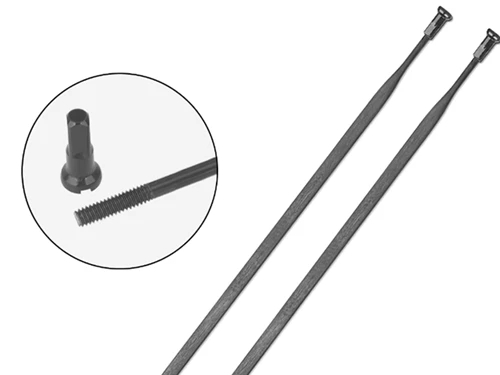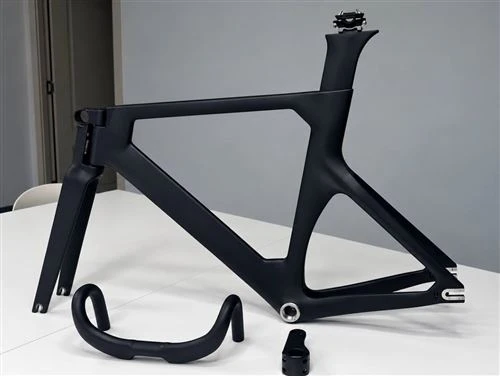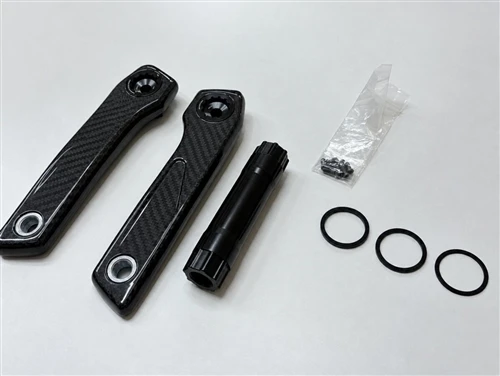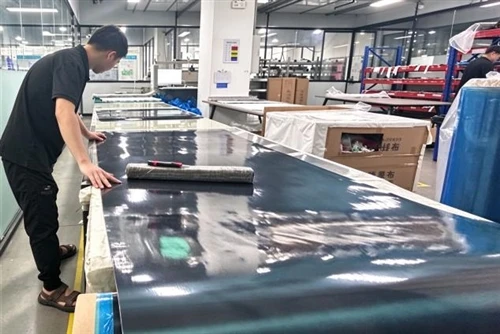
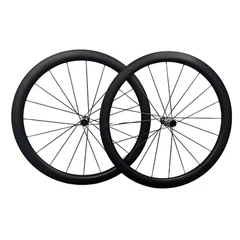
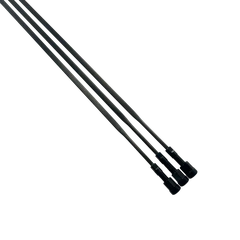





When sourcing carbon spokes for your bicycle brand or wheel production, choosing the right manufacturer takes more than comparing prices.
Differences in carbon fiber materials, manufacturing processes, product specifications, and quality control can affect the final product. You also need to know whether a supplier can meet your design requirements and maintain consistent quality across bulk orders.
So, what should you check before choosing a carbon spoke manufacturer?
Key Takeaways
• Check the manufacturer's carbon fiber materials and production processes, not just the fiber grade.
• Evaluate engineering capabilities, custom designs, and end-fitting connections.
• Verify spoke dimensions, compatibility, and mechanical test results before ordering.
• Review quality control procedures to ensure consistent quality across production batches.
• Confirm MOQ, lead times, production capacity, and long-term supply support before choosing a supplier.
Evaluate Carbon Fiber Materials and Manufacturing Processes
The materials and manufacturing processes used for carbon spokes affect their strength, stiffness, weight, and consistency. When evaluating a carbon spoke manufacturer, you should look beyond the carbon fiber grade. You also need to understand how the material is selected, processed, and formed into the finished spoke.
Check Carbon Fiber Materials and Specifications
Start by asking what type of carbon fiber the manufacturer uses. Different fiber grades and resin systems can have different properties, but a higher-grade fiber does not automatically mean a better finished spoke.
Start with these material details:
• Carbon fiber grade: Ask whether the manufacturer uses T700, T800, T1000, or other grades, and why the material is suitable for the spoke design.
• Resin system: Check what resin is used and whether it suits the required strength and fatigue performance.
• Fiber orientation: Ask how the fibers are arranged within the spoke. Fiber direction affects how the structure handles different loads.
• Material traceability: Confirm whether the manufacturer can provide material specifications and batch records.
Don't judge a carbon spoke only by its raw material grade. The fiber arrangement, resin system, and final structure all affect the product's performance.
Understand the Manufacturing Process
The manufacturing process determines how well the carbon fiber materials are formed into a finished spoke. You should ask the manufacturer to explain the main production steps and how each stage is controlled.

Pay attention to:
• Material preparation and layup: How are the carbon fibers prepared and arranged before forming?
• Molding and curing: What process is used to shape and cure the spoke? How are temperature and other key process conditions controlled?
• Post-processing: How are the spokes trimmed, finished, and prepared for assembly?
• Defect prevention: How does the manufacturer reduce the risk of air pockets, delamination, and surface defects during production?
You should also ask whether the manufacturer follows consistent process requirements for each production batch. This helps you understand whether the same specifications can be maintained when your order moves from samples to mass production.
A reliable carbon spoke manufacturer should be able to explain both the materials used and how they are processed.
Check Engineering and Customization Capabilities
Standard products may not fit every project. Before choosing a supplier, check whether they can adjust spoke dimensions, connection designs, and other details to match your specifications.
Review Spoke Design and Available Specifications
Start by checking the manufacturer's existing carbon spoke models. Ask for a specification sheet that covers the available sizes, shapes, and structural designs.
Pay attention to:
• Spoke length: Can you choose different lengths to match your wheel design?
• Cross-sectional shape: Are flat, round, or other spoke profiles available?
• Dimensions: Can the manufacturer adjust the width, thickness, and other key measurements?
• Structural design: Can the spoke structure be adapted to meet your product requirements?
You should also ask whether custom dimensions can be made with existing tooling or require a new mold. This helps you understand the development work involved before moving forward.
Evaluate End Fittings and Connection Design
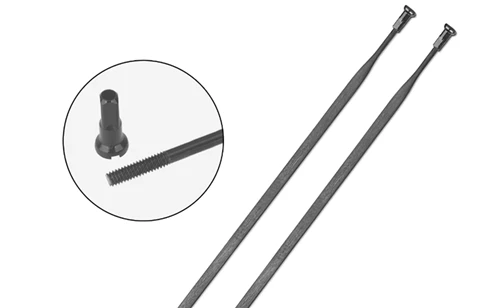
The end fittings are an important part of a carbon spoke. They connect the carbon fiber body to the hub or other wheel components. A poor connection design can affect installation, load transfer, and long-term reliability.
When evaluating a manufacturer, check:
• Connection structure: How are the end fittings designed to connect with the carbon spoke body?
• Bonding or fixing method: How are the carbon fiber and metal components joined and secured?
• Dimensional accuracy: Do the end fittings match your hub and wheel design requirements?
• Connection reliability: Has the manufacturer tested the connection for pull-out, slipping, or fatigue under relevant conditions?
Ask for drawings or samples of the connection structure if you need a custom design. You should also confirm that the proposed end fittings are compatible with your intended hub interface.
Confirm OEM/ODM Development Support
If you need custom carbon spokes, check how the manufacturer handles product development. A capable supplier should be able to review your drawings, discuss design requirements, and help identify possible manufacturing issues before making samples.
Before starting an OEM/ODM project, confirm whether the manufacturer can:
• Review your technical drawings and product specifications.
• Assess whether your design can be manufactured as planned.
• Develop samples and make changes based on your feedback.
• Provide mold development for designs that require new tooling.
• Keep approved specifications for future production orders.
You should also agree on the final drawings, sample requirements, and product specifications before mass production.
The right manufacturer should be able to do more than offer standard carbon spokes. You need a supplier that can understand your design, explain what can be customized, and turn your requirements into a workable product.
Verify Carbon Spoke Specifications and Performance
Before placing a bulk order, check the actual dimensions, inspect the samples, and review test data to understand how the spokes perform under the loads they are designed to handle.
Check Samples and Product Dimensions
Request physical samples before approving a carbon spoke manufacturer. Compare each sample with the technical drawings and specifications you have agreed on.
Check the following details:
• Length and dimensions: Measure the spoke length, width, and thickness. Confirm that they match your required specifications and tolerances.
• Weight: Check the weight of individual spokes and compare it with the manufacturer's stated figures.
• Surface finish: Look for visible cracks, uneven surfaces, rough edges, or other signs of poor finishing.
• End fittings: Check the shape, dimensions, and fit of the connection parts.
• Compatibility: Confirm that the spokes fit your intended hub, rim, and related components.
If you are ordering custom carbon spokes, make sure the sample reflects your final design.
Review Mechanical Testing and Performance Data
You should also ask how the manufacturer verifies carbon spoke strength and durability. Different tests reveal different aspects of product performance, so check whether the testing covers your actual requirements.
Common tests to review include:
• Tensile strength testing: Checks how much pulling force a spoke can withstand before failure.
• Fatigue testing: Evaluates how the spoke handles repeated loading over time.
• Connection testing: Checks whether the end fittings remain securely attached under relevant loads.
• Dimensional testing: Confirms that the finished spokes meet the required measurements.
When reviewing a test report, don't focus only on the final result. Check the tested product model, sample quantity, test method, loading conditions, and failure criteria. These details help you judge whether the results apply to the spokes you plan to purchase.
You should also distinguish between individual spoke tests and complete wheel tests. A wheel test evaluates the combined performance of the spokes, hub, rim, and their connections. It does not replace testing of the individual spoke.
If you plan to order different spoke designs or specifications, ask whether each version has been properly evaluated. A test result from one model may not apply to another.
Review the samples and test reports against your technical requirements before approving the product for production.
Examine Quality Control and Batch Consistency
When evaluating a carbon spoke manufacturer, you should check how the supplier inspects products during production and controls differences between batches.
Check In-Process and Final Quality Inspections
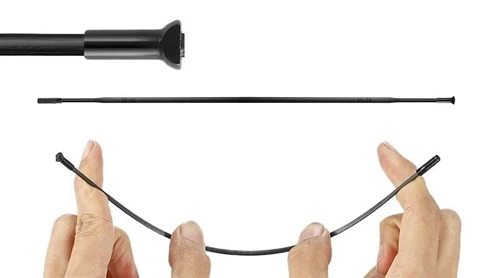
Ask the manufacturer how quality is checked at different stages of production. A clear inspection process helps you understand how potential defects are identified before the spokes are shipped.
Pay attention to:
• Raw material inspection: Are incoming carbon fiber materials checked against the required specifications?
• In-process inspection: Are key production stages checked for defects or process variations?
• Dimensional inspection: Are spoke length, width, thickness, and weight checked against the approved specifications?
• Final inspection: Are finished spokes checked for surface defects, connection quality, and other agreed requirements?
You can also ask for inspection records or sample quality reports. These help you see what the manufacturer checks and whether the results are recorded for each production batch.
Evaluate Batch Consistency and Defect Handling
When you place repeat or bulk orders, you need the spokes to match the approved sample and specifications. Differences in dimensions, weight, or connection details can affect assembly and product consistency.
Find out how the manufacturer handles:
• Keep product dimensions and weight consistent across batches.
• Identify and separate nonconforming products.
• Record and trace quality issues to specific production batches.
• Investigate defects and take corrective action.
• Handle quality complaints after delivery.
You should also confirm how the manufacturer manages changes to materials or production processes. Any change that could affect the product should be reviewed before it is applied to your order.
A reliable carbon spoke manufacturer should be able to show you how products are inspected, how results are recorded, and how quality issues are handled.
Assess Production Capacity and Supply Reliability
Check their production capacity, lead times, and supply arrangements before committing to a long-term partnership.
Confirm MOQ, Production Capacity, and Lead Time
Start by confirming the manufacturer's minimum order quantity (MOQ) for standard and custom carbon spokes. Custom designs may require additional tooling or development work, which can affect the order quantity and production schedule.
You should also ask about:
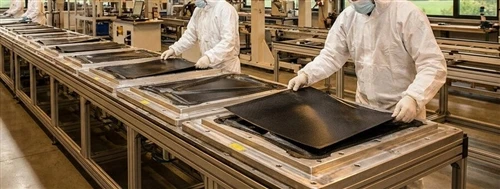
• Production capacity: How many carbon spokes can the manufacturer produce within a given period?
• MOQ: Are the minimum order quantities different for standard and custom models?
• Lead time: How long does sample development and bulk production take?
• Order flexibility: Can production be arranged in stages if you need to manage inventory?
• Delivery schedule: How does the manufacturer plan and track orders to meet agreed deadlines?
If you expect your order volume to grow, ask whether the manufacturer can handle higher demand without affecting product quality or delivery times.
Check Long-Term Supply and After-Sales Support
Your relationship with a carbon spoke supplier should not end when the first order arrives. If you plan to use the same spokes across multiple wheelset models or production runs, you need consistent specifications and reliable follow-up support.
Before placing an order, confirm:
• Repeat orders: Can you reorder the same spoke model with the approved specifications?
• Product changes: Will the manufacturer inform you before changing materials, designs, or key production details?
• Spare parts: Can you order replacement spokes for repairs and after-sales needs?
• Technical support: Can you get help with product specifications, installation, or compatibility questions?
• Warranty and complaints: Are the warranty terms and procedures for handling quality issues clearly defined?
You should also agree on the final specifications, sample approval, delivery schedule, and quality requirements before production begins. This helps reduce misunderstandings and gives both sides a clear basis for handling future orders.
Conclusion
Choosing the right carbon spoke manufacturer requires more than comparing prices and product specifications. You need to check material quality, engineering capabilities, test results, batch consistency, and long-term supply support. Before placing a bulk order, review samples, confirm technical requirements, and discuss production details with your supplier.
If you are sourcing carbon spokes for your bicycle brand or wheel manufacturing project, explore our carbon spokes and contact CWCarbonWorld to discuss your OEM/ODM requirements.

Carbon Fiber AFO Brace
Send Inquiry Now

Carbon Fibre AFOs
Send Inquiry Now
FAQ
Q: What information should you provide when requesting a carbon spoke quotation?
A: You should provide your required spoke dimensions, design drawings, material preferences, connection details, estimated order quantity, and intended application. If you have an existing sample, sharing it can also help the manufacturer understand your requirements and prepare a more accurate quotation.
Q: How should you compare quotations from different carbon spoke manufacturers?
A: Don't compare unit prices alone. Check whether each quotation includes tooling costs, sample development, testing, packaging, and shipping. You should also compare the quoted specifications to make sure you are evaluating products with the same requirements.
Q: Can you order a small trial batch before committing to mass production?
A: Many manufacturers may offer trial orders, but the minimum quantity depends on their production setup and whether custom tooling is required. You should discuss trial quantities and costs before placing your first order.
Q: Who owns the custom carbon spoke design and tooling?
A: Ownership depends on the agreement between you and the manufacturer. Before development begins, clarify who owns the design drawings, custom molds, and related intellectual property. You should also define whether the tooling can be used for other customers. For important OEM/ODM projects, consult a qualified legal advisor before signing the agreement.
Q: What documents should you request when receiving a bulk carbon spoke order?
A: Depending on your requirements, you can request a packing list, product specifications, batch inspection records, and relevant material or test reports. These documents help you verify the shipment and keep records for future orders.
Q: How can you protect your product design when working with an OEM carbon spoke manufacturer?
A: You can sign a non-disclosure agreement (NDA) before sharing confidential drawings or technical details. Your OEM/ODM agreement should also define design ownership, permitted use of your drawings, and restrictions on sharing your product information. For projects involving valuable designs or intellectual property, consult a qualified legal advisor to review the terms.