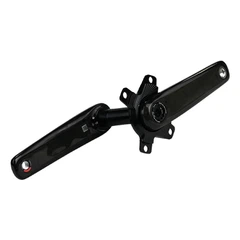




When sourcing carbon fiber crank arms for your bicycle brand, you need more than a lightweight design. Two crank arms may look identical, but differences in carbon layup, curing, and interface precision can affect their strength, stiffness, and consistency.
So, how are carbon fiber crank arms made?
The carbon fiber crank manufacturing process involves several key steps, from material preparation and layup to molding, curing, machining, and quality testing. Understanding each step helps you evaluate manufacturing quality, identify potential risks, and make better decisions for your OEM/ODM projects.
Key Takeaways
• Carbon fiber crank arms are made through prepreg layup, molding, curing, machining, and finishing.
• Fiber orientation, material control, and curing quality affect strength, stiffness, and weight consistency.
• Key areas such as the pedal and spindle interfaces require precise machining and assembly.
• Quality checks should cover dimensions, fatigue, impact, stiffness, and possible internal defects.
• For OEM/ODM projects, confirm specifications, samples, test records, and batch consistency before mass production.
What Materials Are Used to Make Carbon Fiber Crank Arms?
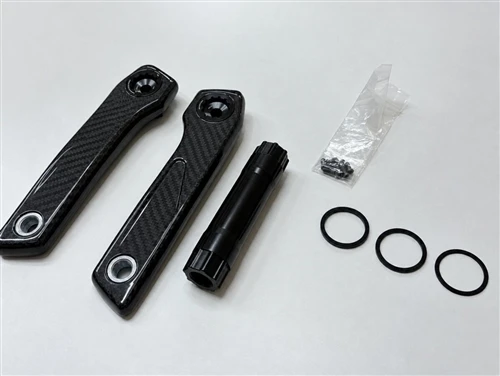
Carbon fiber crank arms combine composite materials with metal components. Each material serves a different purpose in the final structure.
• Carbon Fiber Prepreg: You typically start with carbon fiber sheets pre-impregnated with resin. Grades such as T700 and T800 may be used depending on your strength, weight, and stiffness requirements.

• Resin System: Epoxy resin holds the carbon fibers together after curing. It helps transfer loads between fibers and keeps the composite structure stable.
• Metal Inserts: You need strong connections at the pedal threads and spindle interface. Aluminum or other metal inserts provide the required connection points and help transfer loads into the carbon structure.
When selecting materials for your OEM carbon fiber crank arms, you should consider the complete design. A higher carbon fiber grade alone does not guarantee better performance.
How Are Carbon Fiber Crank Arms Manufactured?
The carbon fiber crank manufacturing process involves six main steps, from product design to surface finishing. Each stage affects the crank arm's structure, dimensions, and consistency, which are important when sourcing parts for OEM/ODM production.
Step 1 - Design and Mold Preparation
Manufacturing begins with the crank arm's design requirements, including length, shape, pedal position, spindle interface, and expected loads. Engineers use these specifications to develop the crank structure and plan the carbon fiber layup.
A mold is then designed and manufactured to match the approved structure. Mold accuracy is especially important around connection areas, where dimensional errors can affect assembly.
Before production, the mold is cleaned, inspected, and prepared for molding.
Step 2 - Prepreg Cutting and Layup
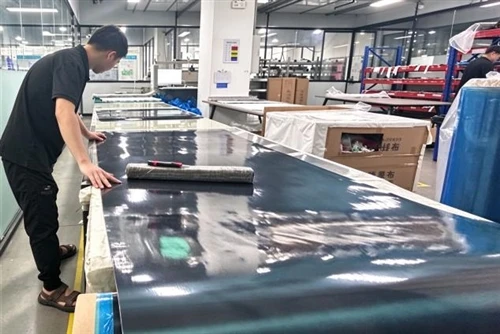
Carbon fiber prepreg is cut into specific shapes based on the layup design. Each piece has a defined size, fiber direction, and position within the crank arm.
During layup, technicians arrange the prepreg layers in a planned sequence. Fiber orientation matters because carbon fiber carries loads most effectively along its fibers. Different directions help the finished crank arm resist bending and twisting forces.
Engineers may also specify additional reinforcement around high-stress areas, such as the pedal and spindle connections.

Material quantity and placement must be carefully controlled. Excess material increases weight, while insufficient material can reduce structural strength. Wrinkles, gaps, and misplaced layers may also affect the finished product.
Step 3 - Molding and Curing
After layup, the prepared carbon fiber structure is placed inside the mold for shaping and curing.
Controlled heat and pressure help the material form the required shape. As the epoxy resin cures, it hardens and binds the carbon fiber layers into a solid composite structure.
The manufacturer controls curing temperature, pressure, and time according to the material system and production requirements. Poor control can lead to internal voids, incomplete curing, or unwanted changes in shape.
The exact conditions depend on the resin system, crank design, and molding method.
Step 4 - Demolding and Trimming
Once curing and the required cooling are complete, technicians remove the crank arm from the mold.
Excess material is trimmed, and rough edges are cleaned up. The molded part is then checked for visible defects before moving to the next stage.
This step prepares the crank arm for precision machining.
Step 5 - CNC Machining and Interface Assembly
The pedal and spindle connections require accurate dimensions to ensure proper assembly with other drivetrain components.
CNC machining is used where needed to finish holes, mounting surfaces, and critical connection areas. This helps achieve the required dimensional tolerances and interface fit.
Metal inserts provide threaded or mechanical connections and transfer loads between the carbon structure and adjoining components.
Depending on the crank design, inserts may be integrated during molding or installed through a separate assembly process.

Step 6 - Surface Finishing
The finished crank arm undergoes surface preparation, which may include sanding, cleaning, and coating.
Manufacturers can apply matte or glossy finishes, along with approved colors and branding details for OEM/ODM orders.
Consistent finishing helps maintain a uniform appearance across production batches. However, surface appearance alone does not indicate the crank arm's structural quality.

How Is Carbon Fiber Crank Arm Quality Tested?
Before approving carbon fiber crank arms for production, you need to know whether they meet your design and performance requirements. Manufacturers use several tests to check dimensions, strength, and stiffness.
Dimensional and Visual Inspection: Each crank arm is checked for length, interface dimensions, surface defects, and specified tolerances. Accurate dimensions help ensure proper assembly with pedals, spindles, and other drivetrain components.
Fatigue and Impact Testing: Fatigue tests apply repeated loads to evaluate how the crank arm performs under long-term stress. Impact tests check its response to sudden forces. You can request test reports based on applicable standards, such as ISO 4210-8, to verify compliance with your project requirements.
Stiffness Testing: Manufacturers apply controlled loads and measure how much the crank arm bends or twists. These results help you assess whether the design meets your stiffness targets.
Some internal defects, such as voids or delamination, may not be visible from the outside. Where required, additional inspection methods can help identify these problems.
What Can Be Customized in OEM Carbon Fiber Crank Arm Production?
For your OEM/ODM project, you can customize carbon fiber crank arms to match your bike design, component requirements, and brand identity. The available options depend on the existing product design and the level of development needed.
| Customization Option | What You Can Customize |
|---|---|
| Crank Arm Length | Select standard lengths or request custom sizes for your bike models. |
| Carbon Layup | Specify your weight, stiffness, and strength targets for engineering evaluation. |
| Spindle and Interface | Define spindle dimensions and connection requirements to match your drivetrain. |
| Surface Finish | Choose matte, glossy, or other available finishes. |
| Branding | Add your logo, colors, and approved graphics. |
| Mold Development | Use an existing design or develop a new mold for a custom crank arm. |
You can start with an existing carbon fiber crankset or discuss a new design with CW Carbon World. Custom changes may require engineering review, new tooling, and sample approval before production.
What Should OEM Buyers Check Before Mass Production?
Before moving your carbon fiber crank arms into mass production, you need to confirm that the approved design can be produced consistently. Focus on these five points:
• Approved Specifications: Make sure the final drawings, materials, crank lengths, interfaces, and dimensional tolerances are clearly defined.
• Prototype Approval: Check that the samples meet your design requirements and fit correctly with the intended drivetrain components.
• Test Records: Review relevant fatigue, impact, and stiffness test results to confirm that the approved design meets your requirements.
• Batch Consistency: Ask how the manufacturer maintains consistent materials, production settings, and product quality across batches.
• Traceability and Acceptance: Agree on batch identification, inspection criteria, and how nonconforming parts will be handled.
Keep a record of the approved samples and specifications. This gives you and your supplier a clear reference for production and final acceptance.
Conclusion
Carbon fiber crank arm manufacturing involves several key steps, from material preparation and layup to molding, CNC machining, and quality testing. For your OEM/ODM project, understanding these processes helps you evaluate product quality, identify potential risks, and ensure consistent results across production batches.
CW Carbon World offers carbon fiber crank arms with OEM/ODM customization options. If you're developing a new crank arm or sourcing components for your bicycle brand, share your design requirements, technical specifications, and expected order quantity with our team to discuss a suitable manufacturing solution.

Carbon Rims Road
Send Inquiry Now

Carbon MTB Rims
Send Inquiry Now

Carbon Rims BMX
Send Inquiry Now

Carbon Rims BMX
Send Inquiry Now

Carbon Rims BMX
Send Inquiry Now
FAQ
Q: How long does it take to manufacture carbon fiber crank arms?
A: Production time depends on the crank design, mold availability, and order quantity. If you choose an existing design, production may begin sooner. Custom OEM/ODM projects often take longer because you need additional time for mold development, sample testing, and design approval.
Q: How do manufacturers control weight consistency between crank arms?
A: Manufacturers control weight by managing prepreg quantities, layup accuracy, and molding conditions. Finished crank arms are also weighed to check for variations. For your OEM project, you should agree on an acceptable weight tolerance before mass production.
Q: What manufacturing defects should you look for in carbon fiber crank arms?
A: You should check for visible cracks, surface defects, and problems around metal inserts. Internal defects, such as voids or delamination, may not be visible. Ask your manufacturer for relevant inspection records to verify that the crank arms meet your quality requirements.
Q: What information is needed to start a custom carbon crank arm project?
A: You should provide your required crank length, spindle interface, target weight, strength requirements, surface finish, and estimated order quantity. Technical drawings or reference samples can also help the manufacturer evaluate your design and determine whether new tooling is needed.
Q: Can carbon fiber crank arms be produced using existing molds?
A: Yes, you can use an existing mold if the crank arm design, length, and interface meet your requirements. This can reduce tooling costs and shorten development time. If your project requires a different shape or structure, you may need a new mold or modifications to the existing tooling.