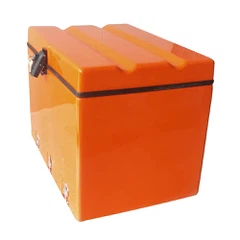

Before placing a bulk order, you need to know whether a fiberglass delivery box meets your product requirements and can be produced consistently. A sample may look good, but that does not guarantee every unit will meet the same standards. Small issues with surface quality, box structure, dimensions, or mounting points can lead to problems after delivery. A proper fiberglass delivery box inspection helps you find these issues early.
Key Takeaways
• Check the fiberglass surface, structure, dimensions, and mounting points before approving the sample.
• Test waterproofing and optional features against your agreed requirements.
• Use the approved sample and specifications as the reference for bulk production.
• Before shipment, review production inspection records, photos, and videos to confirm batch consistency.
Fiberglass Delivery Box Inspection Checklist
| Inspection Item | What to Check | Acceptance Standard | If You Find a Problem |
| Surface | Check for cracks, bubbles, pinholes, and exposed fibers. | The surface should be free from defects that affect appearance or use. | Record the defect and request correction. |
| Structure | Check corners, joints, bottom panel, and reinforced areas. | Components should be firmly bonded with no visible separation. | Ask for repair and reinspection. |
| Dimensions | Measure external and internal dimensions. | Measurements should match the approved specifications. | Confirm the required correction before production. |
| Mounting | Check mounting holes, brackets, and installation points. | The box should fit the intended motorcycle or scooter. | Request adjustment before bulk production. |
| Waterproofing | Check lid sealing, gasket contact, and water leakage. | No water should enter during the agreed test. | Identify the leakage point and correct it. |
| Optional Features | Test LED display, app playback, battery, and other options. | Each feature should work as specified. | Record the issue and request correction. |
Prepare Your Inspection Requirements Before Ordering
Before you inspect a fiberglass delivery box, you need clear requirements to compare it against. Without an agreed specification, you may find it difficult to decide whether a product meets your needs or whether a defect needs to be corrected.
Prepare a Product Specification Sheet
Start with a product specification sheet that lists the details you expect from your fiberglass delivery box. This gives you and the manufacturer the same reference during production and inspection.
Include the main requirements, such as:
• Dimensions: External length, width, and height, along with internal dimensions.
• Capacity: Required storage volume in liters.
• Weight: Expected empty box weight.
• Material: Fiberglass construction and any specific material requirements.
• Appearance: Color, surface finish, and logo placement.
• Hardware: Required hinges, locks, handles, and other accessories.
• Optional features: LED lights, reflective strips, or other requested components.
Keep the specifications clear and measurable wherever possible. For example, state the exact box dimensions and color reference instead of using terms like "large" or "standard."
Confirm Technical Drawings and Acceptance Criteria
If your order involves custom dimensions or mounting options, ask for technical drawings before production. Check the overall box shape, internal layout, mounting holes, bracket positions, and bottom structure. Make sure these details match your motorcycle or delivery fleet requirements.
Put the final specifications and acceptance criteria in writing. This gives you a clear basis for the sample inspection and helps prevent disagreements when you move to bulk production.
Inspect the Fiberglass Surface for Manufacturing Defects
The fiberglass surface can tell you a lot about how well your delivery box was made. Before approving a sample, inspect the outer shell under good lighting. Pay attention to cracks, bubbles, exposed fibers, and uneven finishes. These defects may affect the box's appearance and, in some cases, its long-term performance.

Check for Cracks, Bubbles, and Pinholes
Look over the entire box, including the corners, edges, and areas around mounting points. Check for:
• Cracks: Look for visible cracks or splits, especially around corners and connection areas.
• Bubbles: Raised spots or trapped air pockets may indicate problems with the fiberglass layup or curing process.
• Pinholes: Small holes in the surface can affect the finish and may need repair before delivery.
Pay extra attention to defects that appear in several areas or around points exposed to stress. Request an explanation of how any noticeable defects will be repaired before you approve the sample.
Look for Exposed Fibers and Delamination
Check whether fiberglass strands are visible through the surface or sticking out from the edges. You should also look for signs of delamination, where layers begin to separate.
Focus on corners, cut edges, joints, and repaired areas. Loose fibers or separated layers may indicate poor finishing or bonding. If you find these issues, ask the manufacturer to check the affected area and confirm whether the repair restores the required surface and structural condition.
Check Surface Finish and Color Consistency
Your delivery box should have a consistent finish that matches the approved sample. Check the surface from different angles to spot uneven gloss, rough patches, scratches, or visible repair marks.
If you order boxes in a custom color, compare the sample with your approved color reference. Also check the logo position, printing quality, and overall appearance if branding is part of your order.
Check the Box Structure and Assembly Quality
After checking the surface, inspect the box structure and how its parts are assembled. A fiberglass delivery box needs a solid base, secure joints, and properly fitted hardware to handle regular use. Pay close attention to areas that support the box and connect it to the motorcycle.

Inspect the Bottom Panel and Reinforced Areas
The bottom panel supports the box and its contents, so check it carefully. Look for visible deformation, uneven surfaces, or weak-looking areas around the mounting points.
If your delivery box has reinforced sections, check that they are properly formed and finished. Also look at how the bottom panel connects to the side walls. Poor connections or uneven bonding may lead to problems when the box carries loads or experiences road vibration.
Check Corners, Joints, and Edge Finishing
Corners and joints connect different sections of the box and may experience stress during handling and use. Check whether these areas are properly bonded and finished.
Look for:
• Visible gaps or uneven joints.
• Loose or poorly bonded sections.
• Rough edges or unfinished fiberglass.
• Signs of cracking around connection points.
Run your hand carefully along accessible edges to check for rough spots or sharp fibers. Any exposed fiberglass should be properly finished before the box is approved.
Test Hinges, Locks, and Moving Parts
Open and close the lid several times to check its movement. It should operate smoothly without sticking or shifting out of position.
Then check the main hardware:
• Hinges: Make sure they are firmly attached and allow the lid to open and close smoothly.
• Locks: Check that the locking mechanism works properly and holds the lid closed.
• Handles: Check that they are secure and comfortable to use.
• Lid supports: If fitted, make sure they hold the lid in the intended position.
Also check the screws, bolts, and other fasteners for loose connections. If any part moves, rattles, or feels poorly fitted, ask the manufacturer to correct it before sample approval.
Verify Dimensions, Capacity, and Mounting Compatibility
Before approving a fiberglass delivery box, check whether its actual dimensions, storage capacity, and mounting points match your requirements. Even a well-made box can cause problems if it does not fit your motorcycle or provide enough space for your deliveries.

Measure External and Internal Dimensions
Check both the external and internal dimensions of your sample. External measurements help you confirm the overall size and available installation space. Internal measurements show how much room you have for food packages or other goods.
Use a tape measure to check the length, width, and height. Compare the results with the approved product specifications and technical drawings.
Pay attention to the following:
• External length, width, and height.
• Internal storage dimensions.
• Lid opening size and clearance.
• Available space for internal shelves or dividers, if required.
Do not rely only on the dimensions shown in a product catalog. Measure the actual sample to confirm that it matches your order.
Verify Box Weight and Capacity
Check the empty weight of the delivery box and compare its storage capacity with your requirements. These are two different measurements.
Capacity refers to the internal volume, usually measured in liters (L). Box weight refers to the weight of the empty product, usually measured in kilograms (kg). You should also confirm the expected payload, which is the weight of the goods you plan to carry.
When reviewing load requirements, consider the box, mounting brackets, rear rack, and motorcycle together. The box's capacity does not necessarily equal the motorcycle's maximum carrying capacity.
Check Mounting Holes and Bracket Alignment
A fiberglass delivery box must fit securely on your motorcycle or scooter. Check the mounting holes, hole spacing, base plate, and bracket positions against your vehicle's rear rack or approved mounting design.

If possible, arrange a trial installation using the actual mounting brackets. Check that:
• The mounting holes line up correctly.
• The base sits evenly on the support frame.
• Bolts and fasteners can be installed without forcing or modifying the parts.
• The box remains stable when secured.
If you need custom mounting brackets for different motorcycle models, confirm the design with your manufacturer before bulk ordering. This helps you avoid fitting problems when the boxes arrive.
Test Waterproofing and Functional Performance
Once you have checked the box structure and mounting system, test how the delivery box performs during normal use. Pay particular attention to water sealing, lid closure, and any optional features included in your order. These checks help you find problems that may not be visible during a visual inspection.
Check Lid Sealing and Gasket Contact
The lid and sealing gasket play an important role in keeping rain and splashes out of your delivery box. Open the lid and inspect the gasket around its full length.
Check for:
• Gaps, cuts, or damaged sections in the gasket.
• Uneven gasket placement around the lid.
• Loose sections or poor contact with the box body.
• Gaps that remain when you close and lock the lid.
Close the lid and check whether it sits evenly against the box body. The gasket should make consistent contact without being folded, twisted, or pressed unevenly.
Perform a Water Spray Test
A water spray test helps you check whether the box allows water to enter through the lid, joints, or other openings. Close and lock the lid as you would during normal use. Then spray water over the outside, paying attention to the lid edges, corners, and connection areas.
After the test, open the box and check the interior for water. Look around the gasket, joints, and hardware openings to identify where any leakage may have occurred.
Before testing, agree on the spray method, test duration, and acceptance criteria with your manufacturer. A basic spray test should not be treated as proof of a specific waterproof rating unless the product has been tested under the relevant standard.
Test Optional Features
If your fiberglass delivery box includes an LED advertising screen, check both the display and its power system before approving the sample.

For an LED-equipped model, check the following:
• LED Display: Upload a video through the supporting app and check whether the screen displays it correctly.
• Video Playback: Confirm that the uploaded video plays smoothly and repeats automatically in a continuous loop.
• Battery System: Check that the battery is properly installed inside the box and supplies power to the LED screen.
• Electrical Connections: Check that the wiring and connectors are secure and that the display starts and operates as expected.
If your order includes other optional features, such as internal dividers or reflective strips, check that they are correctly installed and match your specifications.
Test these features under normal operating conditions. If you find display issues, playback errors, or unstable power connections, ask your manufacturer to resolve them before mass production.
Finalize Sample Approval Before Mass Production
After completing the sample inspection, you need to resolve any remaining issues and confirm the final production details before placing your bulk order.
Resolve Outstanding Issues
Review the problems found during inspection and ask your manufacturer to correct them. For changes affecting the box's structure or function, request an updated sample or proof of correction. Only approve the sample once all important issues are resolved.
Confirm the Final Production Version
Make sure your approved sample matches the final drawings and specifications. For custom fiberglass delivery boxes, confirm the agreed color, logo, accessories, and LED screen configuration.
Keep photos and written records of the approved version. These will serve as your reference during mass production.
Check Production Consistency Before Shipment
Even after you approve the sample, you need to make sure the bulk products meet the same requirements. You do not have to visit the factory in person. Your manufacturer can provide inspection records, photos, and videos to help you check the production quality before shipment.

Compare Bulk Products with the Approved Sample
Have the factory randomly select products from different parts of the production batch and compare them with the approved sample. Request clear photos or videos showing the dimensions, surface finish, hardware, and custom features.
If your order includes LED advertising screens, you can also ask for a video showing the display, app-based video upload, automatic playback, and battery operation. For closer checks, you can arrange a live video inspection with the factory.
Set Inspection and Defect Acceptance Criteria
Agree on a sampling plan with your manufacturer based on the order size and quality requirements. You should also define how defects will be classified:
• Critical defects: Problems that create safety risks.
• Major defects: Issues that affect normal use, installation, or required functions.
• Minor defects: Small appearance issues that do not affect normal use.
Clear acceptance criteria help both sides decide whether the batch passes inspection or needs further work.
Define Corrective Actions for Failed Inspections
If the inspection finds problems, ask your manufacturer to provide photos, defect descriptions, and the number of affected units.
Agree on whether the products need repair, replacement, or further inspection. After corrections, request updated photos, videos, or inspection records to confirm the results. For large orders or strict quality requirements, you can also arrange a third-party inspection in China.
Review Packaging and Final Inspection Records
Before shipment, request photos or videos of the finished products and packaging. Check that each box is protected against scratches and transport damage, and that mounting brackets, batteries, and other accessories are included.
You should also review the final inspection report, product quantities, packaging details, and shipping marks. These records help you confirm that the order is ready for dispatch without traveling to the factory yourself.
Conclusion
Before placing a bulk order, take time to inspect your fiberglass delivery box sample and confirm the production requirements. Check the surface, structure, dimensions, mounting system, and functional features. Once you approve the sample, keep clear records for comparison during mass production. You can also request factory inspection reports, photos, or videos to check product consistency before shipment.
If you are looking for a manufacturer for your next delivery box project, explore CarbonWorld's Fiberglass Delivery Boxes and contact our team to discuss your product specifications and OEM/ODM requirements.

Send Inquiry Now

Send Inquiry Now

Send Inquiry Now

Send Inquiry Now

Send Inquiry Now

Send Inquiry Now
FAQ
Q: Can You Customize the Size of a Fiberglass Delivery Box?
A: Yes. You can request custom dimensions based on your storage needs, delivery requirements, and motorcycle model. Before production, provide your preferred dimensions and internal capacity so the manufacturer can review the design and confirm whether it is suitable for your application.
Q: How Do You Test a Fiberglass Delivery Box for Water Leakage?
A: Close and secure the lid, then spray water over the lid edges, corners, joints, and other possible entry points. Open the box after the test and check the interior for water. Before testing, agree on the spray method, test time, and acceptance criteria with your manufacturer.
Q: What Defects Are Acceptable in a Fiberglass Delivery Box?
A: Minor appearance variations may be acceptable if they do not affect the box's structure, function, or agreed appearance. Cracks, exposed fibers, poor bonding, damaged hardware, water leakage, or problems that affect installation should not be treated as minor defects. Use your approved sample and specifications as the reference.
Q: Can You Inspect a Fiberglass Delivery Box Remotely Before Shipment?
A: Yes. You can request inspection photos, videos, and quality records from the factory. You can also arrange a live video inspection to check selected boxes and demonstrate key functions. For large or high-value orders, you can arrange a third-party inspection at the factory.
Q: Should You Inspect a Sample Before Placing a Bulk Order?
A: Yes. A physical sample lets you check the actual dimensions, surface finish, structure, mounting system, and functions before mass production. If the sample does not meet your requirements, you can make corrections before the same issue is repeated across the full order.