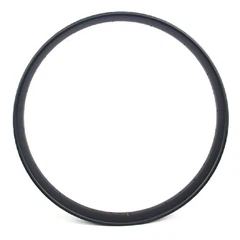
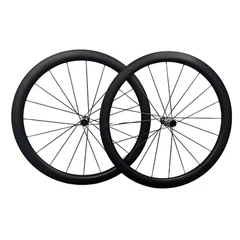
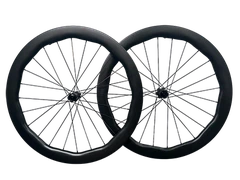
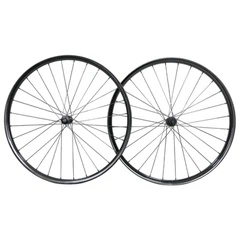
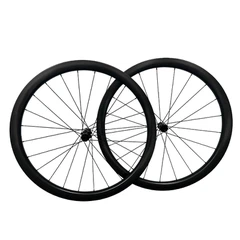
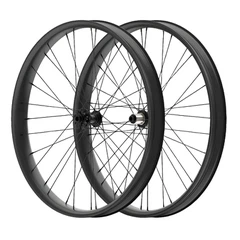


A lightweight carbon rim may work well for an XC wheelset, but it may not meet the demands of an Enduro project. The right choice depends on more than weight alone. You need to consider your riding style, tire size, rim design, and wheel-building requirements. This guide explains what to check before selecting MTB carbon rims for your next wheel project.
When selecting carbon mountain bike rims, you should consider rim width, construction, weight, and durability. You also need to check whether the rims work with your planned wheel setup.
Key Takeaways
• Match your riding style: Choose MTB carbon rims based on your intended use, whether XC, Trail, Enduro, or Downhill.
• Check rim size and width: Make sure your rim diameter and internal width match your bike and tire specifications.
• Compare rim designs: Consider symmetric or asymmetric profiles, hooked or hookless bead designs, and tubeless compatibility.
• Balance weight and strength: Don't choose based on weight alone. Consider stiffness, impact resistance, and durability.
• Confirm wheel-building compatibility: Check spoke hole count, ERD, drilling angle, and hub specifications.
• Verify rim quality: Review impact and fatigue test results, usage limits, and manufacturing tolerances before ordering.
• Plan your OEM requirements: Confirm whether standard models meet your needs or if custom dimensions and designs are required.
What to Consider When Choosing MTB Carbon Rims
Before choosing MTB carbon rims, you should check six key factors. Each one helps you narrow down your options and find rims that fit your riding needs and wheel setup.
| Selection Factor | What to Consider |
| Riding Application | XC, Trail, Enduro, or Downhill; rider weight, riding style, and terrain |
| Rim Size & Width | 29er or 27.5-inch wheels, internal rim width, and tire compatibility |
| Rim Design | Symmetric or asymmetric profiles, hooked or hookless bead design |
| Weight & Durability | Rim weight, stiffness, strength, and impact resistance |
| Wheel-Building Compatibility | Spoke hole count, ERD, drilling angle, and hub compatibility |
| Quality Verification | Impact and fatigue testing, usage limits, manufacturing tolerances, and sample checks |
Use these factors to compare carbon mountain bike rims before selecting a specific model.
Match Carbon MTB Rims to Your Riding Application
Your intended terrain and riding intensity determine the type of rim construction you should look for. XC, Trail, Enduro, and Downhill each have different requirements.

| Riding Style | Main Priority | Rim Selection Focus |
| Cross-Country (XC) | Low weight | Lightweight XC carbon rims with enough strength for racing and climbing |
| Trail / All-Mountain | Balanced performance | A balance of weight, tire support, and durability for mixed terrain |
| Enduro | Impact resistance | Stronger construction to handle rocky trails, drops, and hard impacts |
| Downhill (DH) | High durability | High impact resistance and strength for repeated rough descents |
Your weight and the terrain you ride on can also affect your rim selection, even within the same riding category.
For a bike brand or wheel-building project, define the intended riding conditions and rider weight range before choosing a rim model.
Choose the Right Rim Size and Width
Once you've identified your riding needs, choose a rim diameter and internal width that fit your bike and tire setup.
29er vs. 27.5-Inch Carbon MTB Rims
29er carbon rims have a larger diameter, helping your wheels roll over rocks and roots more easily. They also help maintain speed on rough terrain. However, you need enough frame and fork clearance for the larger wheels.
27.5-inch carbon MTB rims have a smaller diameter and can offer quicker handling. They are often used on bikes designed for more agile movement.
Choose the diameter that matches your bike's geometry and wheel configuration. Some mountain bikes also use a 29-inch front wheel with a 27.5-inch rear wheel, known as a mullet setup.
While 29er and 27.5-inch are common sizes, you can also request custom carbon MTB rim dimensions for specific bike designs. If standard sizes do not meet your project needs, CarbonWorld can discuss custom rim diameter, width, and profile requirements with you.
Match Internal Rim Width to Tire Width
The internal width of your carbon MTB rim affects how the tire sits and performs. A wider rim gives the tire a broader shape and more side support, while a narrower rim creates a rounder tire profile.

You can use the table below as a starting point:
| Internal Rim Width | Typical Tire Width | Common Application |
| 23–25 mm | 2.0–2.3 inches | XC |
| 25–30 mm | 2.2–2.5 inches | XC / Trail |
| 30–35 mm | 2.4–2.6 inches | Trail / Enduro/ Some DH Setups |
These ranges are general references, not fixed rules. For downhill applications, check the rim and tire manufacturers' approved width combinations before confirming your final specifications.
Also, check the tire's mounted width to make sure it fits your frame and fork.
Understand Carbon MTB Rim Design Options
Different rim profiles and bead designs affect tire fit and wheel assembly. You should compare these options based on your tire type and wheel-building requirements.
Symmetric vs. Asymmetric Rims
Symmetric rims have a centered spoke bed, with the same cross-sectional shape on both sides. They work well with wheel builds where spoke tension can be properly balanced.
Asymmetric carbon MTB rims have an offset spoke bed. This design can reduce the difference in spoke tension between the left and right sides of a wheel, especially when the hub flanges are unevenly spaced.
Your choice should depend on the hub geometry and wheel-building requirements.
Hooked vs. Hookless Rims
Hooked rims have a small inward-facing lip along the bead wall that helps retain compatible tire beads.
Hookless rims use straight bead walls without this lip. They require tires approved for hookless use and must follow the rim and tire manufacturers' pressure limits.
If you plan to use a tubeless setup, check the tire, rim tape, and valve compatibility. Not every tubeless tire is suitable for hookless rims.

Rim Depth and Profile
Rim depth refers to the distance from the tire bed to the spoke bed. It affects the rim's weight and structural stiffness.
A deeper profile can provide greater stiffness, but it may also add weight. A shallower profile may help reduce weight, depending on its construction.
When comparing carbon mountain bike rims, consider the overall rim profile rather than assuming a deeper rim is always better.
Balance Weight, Strength, and Durability
A lighter rim is not always the best choice, especially when your riding conditions involve frequent impacts. You need to balance weight, stiffness, and strength based on the demands of your wheel project.
Carbon fiber layup plays a key role in this balance. By changing the fiber orientation, layer thickness, and reinforcement areas, manufacturers can adjust a rim's weight, stiffness, and impact resistance. For example, extra reinforcement around the bead walls can help protect the rim against impacts, though it may add weight.
Stiffness also matters. A very stiff rim may give you precise handling, but it does not always provide the best ride comfort or impact performance.
When comparing lightweight carbon MTB rims, look at more than the listed weight. Choose a construction that meets your performance needs without adding unnecessary weight.
Check Wheel-Building Compatibility
Your rim must match your hub and spoke setup to ensure a proper wheel build. Even if the rim size is correct, incompatible spoke holes, ERD, or drilling angles can cause assembly problems.
Spoke Hole Count
Most MTB rims come with 28 or 32 spoke holes.
28-hole rims are often used for lighter wheel builds where reducing weight is a priority. 32-hole rims allow more spokes to share the load, making them a common choice for demanding riding conditions.
You should match the rim's hole count to your hub and consider rider weight, riding style, and wheel strength requirements. Front and rear wheels may also use different spoke counts.
ERD, Drilling Angle, and Hub Matching
Effective Rim Diameter (ERD) is a key measurement used to calculate spoke length. An incorrect ERD can lead to spokes that are too long or too short.
You also need to check the spoke hole drilling angle and rim offset. These should match your hub geometry and spoke layout to avoid excessive bending near the spoke nipples.
Finally, confirm the rim manufacturer's recommended spoke tension limits before building your wheels.
Check Carbon MTB Rim Quality Before Ordering
Before choosing a rim model for your project, check whether its quality meets your performance and safety requirements. A good specification sheet is not enough. You also need to review the manufacturer's test results and quality standards.

Pay attention to these key points:
• Impact Testing: Check how the rim performs under impact loads. Review the test method and results to see whether they match your intended riding application.
• Fatigue Testing: Look for test results that show how the rim handles repeated loads over time.
• Usage Limits: Confirm the maximum rider weight, recommended tire pressure, and approved riding applications for the specific rim model.
• Manufacturing Tolerances: Check rim roundness, lateral runout, weight variation, and dimensional accuracy to ensure consistent specifications.
• Sample Validation: Request samples and test them with your planned tires, hubs, and spokes. For OEM projects, confirm that mass-produced rims can maintain the same specifications and quality standards as the approved samples.
For your wheel project, request relevant test records and inspection details from the manufacturer before approving a rim model. This helps you make a decision based on actual product performance rather than appearance or weight alone.
What to Confirm Before Ordering Carbon MTB Rims
Once you've confirmed your rim specifications and quality requirements, discuss the order details with your manufacturer. This helps you confirm whether a standard model or a custom design is the right fit for your project.
Make sure you have the following details ready:
• Final Specifications: Rim size, width, profile, target weight, and spoke drilling requirements.
• Customization: Check whether an existing rim model meets your needs or if you require custom dimensions, layup, or branding.
• Samples: Confirm sample availability and approval requirements before bulk production.
• Order Details: Discuss the minimum order quantity (MOQ), production lead time, and delivery schedule.
You can explore CarbonWorld's carbon MTB rims and share your project requirements to find a suitable standard or custom rim solution.

Send Inquiry Now

Send Inquiry Now
Conclusion
Choosing MTB carbon rims comes down to finding the right fit for your riding needs and wheel project. You should focus on suitable dimensions, rim design, strength, and wheel-building compatibility rather than weight alone. Checking product quality and specifications before ordering can also help you avoid problems during assembly and use.
If you're developing a new wheel project or need custom carbon MTB rims, you can contact CarbonWorld to discuss your specifications and available options.
FAQ
Q: Can you use different carbon rim specifications for the front and rear wheels?
A: Yes. You can use different rim widths, weights, or spoke counts for the front and rear wheels. For example, you might choose a lighter front rim and a stronger rear rim to handle higher impact loads. Just make sure each rim matches its tire, hub, and intended use.
Q: Are carbon MTB rims suitable for heavier riders?
A: Yes, but you need to check the rim's maximum rider weight and approved riding conditions. Not all carbon MTB rims have the same load capacity. If you're building wheels for heavier riders, choose rims that meet the required load and strength limits.
Q: Can damaged carbon MTB rims be repaired?
A: Some minor damage may be repairable, but cracks, deep impacts, or damage near spoke holes can affect the rim's safety. If you notice damage, stop using the rim and have the manufacturer assess it before deciding whether repair or replacement is possible.
Q: When should you choose custom carbon MTB rims instead of standard models?
A: You should consider custom carbon MTB rims when standard models cannot meet your required dimensions, weight, structure, or spoke drilling specifications. For OEM projects, you can discuss custom layups, finishes, and branding with your manufacturer. Custom designs may require additional tooling, samples, and testing.
Q: How long do carbon MTB rims typically last?
A: Carbon MTB rims can last for many years with proper use and care. Their lifespan depends on riding conditions, impact damage, and wheel maintenance. You should inspect your rims regularly for cracks, loose spokes, or other signs of damage.
Q: Can you use carbon MTB rims with tubeless tires?
A: Yes, you can use carbon MTB rims with tubeless tires if the rims are designed for tubeless use. Check that your tires are compatible with the rim's bead design, especially for hookless rims. You also need suitable rim tape, valves, and sealant for a proper tubeless setup.