Introduction
Carbon fiber prosthetic feet are widely used for daily walking, rehabilitation, active lifestyles, and sports applications. Their lightweight construction, high strength, and energy-return capabilities help users achieve more efficient and comfortable mobility than many traditional prosthetic designs.
This guide explores how carbon fiber prosthetic feet work, their key benefits, applications, customization options, and how to choose the right solution for different mobility needs.
Quick Answer
What Is a Carbon Fiber Prosthetic Foot?
Carbon fiber prosthetic foot is a lower-limb prosthetic component designed to restore mobility, improve walking efficiency, and support daily activities.
Its main components typically include a carbon fiber blade (foot plate), a heel section, and a connecting adapter that attaches the foot to the prosthetic system. These components work together to provide support, stability, and controlled flexibility during movement.
As the user walks, the carbon fiber structure flexes under load and then rebounds during push-off, helping create a smoother and more efficient gait. This energy-return capability is one of the key features that distinguishes carbon fiber prosthetic feet from many traditional prosthetic designs.

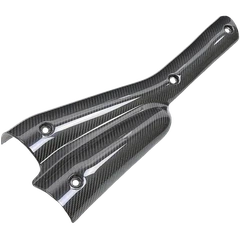
Carbon Fiber Prosthetic Foot
Send Inquiry Now

Carbon Fiber Prosthetic Feet
Send Inquiry Now

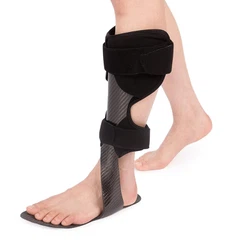
Carbon Prosthetic Foot
Send Inquiry Now

Carbon Prosthetic Feet
Send Inquiry Now
How Does a Carbon Fiber Prosthetic Foot Work?
The carbon fiber prosthetic foot works through an energy storage and return mechanism. When the user steps down, the carbon fiber structure bends slightly under body weight and stores energy within the material layers, similar to a compressed spring.
As the user moves into the push-off phase, the carbon fiber returns to its original shape and releases the stored energy. This helps propel the body forward and reduces the effort needed from the remaining muscles.
This controlled flex and rebound make walking smoother, more efficient, and more natural than many rigid traditional prosthetic feet. It can also help reduce fatigue during daily walking, rehabilitation, and active use.
Key Benefits of Carbon Fiber Prosthetic Feet
Lightweight Construction
Carbon fiber offers an exceptional strength-to-weight ratio, allowing prosthetic feet to remain lightweight without compromising structural integrity. The reduced weight helps minimize stress on the residual limb and lowers the energy required for daily movement, making walking easier and more efficient.
High Strength-to-Weight Ratio
Despite its low weight, carbon fiber provides outstanding strength and fatigue resistance. This enables prosthetic feet to withstand repeated daily loading while maintaining reliable long-term performance and structural stability.
Energy Return Performance
During walking, the carbon fiber structure flexes under load and stores energy. During the push-off phase, it releases that stored energy to help propel the user forward, improving walking efficiency and reducing physical effort.
Improved Comfort
Carbon fiber can absorb part of the impact generated during walking, reducing stress on the residual limb and surrounding joints. This helps create a smoother, more comfortable walking experience.
Fatigue Reduction
By combining lightweight construction with energy-return capabilities, carbon fiber prosthetic feet help reduce energy expenditure during movement. Users often experience less fatigue during long-distance walking and greater mobility throughout daily activities.
Carbon Fiber Prosthetic Foot Vs Wood Vs Plastic Vs Conventional Composite Designs
Carbon Fiber vs Traditional Prosthetic Foot is an important comparison for users choosing the right prosthetic solution. Traditional prosthetic feet primarily focus on basic support and affordability, whereas carbon fiber prosthetic feet offer a lighter weight, improved energy return, enhanced walking efficiency, and greater long-term comfort.
|
Feature |
Carbon Fiber Prosthetic Foot |
Wood Prosthetic Foot |
Plastic Prosthetic Foot |
Conventional Composite Designs |
|
Main Material |
Carbon fiber composite |
Wood |
Thermoplastic / polypropylene |
Fiberglass or basic composite materials |
|
Weight |
Very lightweight |
Heavy |
Light to moderate |
Moderate |
|
Strength-to-Weight Ratio |
Excellent |
Low to moderate |
Moderate |
Good |
|
Energy Return |
High energy storage and rebound |
Very limited |
Limited |
Moderate |
|
Walking Efficiency |
High |
Low |
Moderate |
Moderate to good |
|
Shock Absorption |
Good to excellent |
Limited |
Basic |
Moderate |
|
Comfort for Long-Term Use |
High |
Low to moderate |
Moderate |
Moderate |
|
Fatigue Reduction |
Excellent |
Limited |
Moderate |
Moderate |
|
Durability |
High fatigue resistance |
Can crack or degrade over time |
May deform or wear |
Good but material-dependent |
|
Customization |
High |
Limited |
Moderate |
Moderate |
|
Suitable Users |
Daily walkers, active users, sports users |
Low-activity users |
Basic daily users |
Moderate activity users |
|
Best Application |
Daily mobility, rehabilitation, active lifestyle, sports |
Basic standing and slow walking |
Basic walking and cost-sensitive use |
General mobility support |
|
Cost |
Higher |
Lower |
Lower to moderate |
Moderate |
|
Long-Term Value |
High for active and long-term users |
Limited |
Practical for basic needs |
Balanced option |
Applications of Carbon Fiber Prosthetic Feet

Daily Mobility
For everyday walking and standing, carbon fiber prosthetic feet help improve comfort and reduce physical effort. Their lightweight design reduces stress on the residual limb and joints, while the flexible structure supports a smoother and more natural gait, making daily activities easier and more comfortable.
Rehabilitation Programs
Carbon fiber prosthetic feet are widely used in rehabilitation and gait training. Their energy-return properties help users develop more efficient walking patterns and improve overall mobility. As strength and confidence increase, these prosthetic feet provide reliable support throughout the recovery process.
Sports and Running
For active users and athletes, carbon fiber prosthetic feet offer enhanced responsiveness and dynamic movement support. Specialized designs, such as running blades and dynamic-response prosthetic feet, can store and release energy during movement, helping users achieve greater efficiency in running, training, and recreational sports activities.
Carbon Fiber Prosthetic Foot Customization Options
One of the key advantages of carbon fiber prosthetic feet is their ability to be customized for different users, activity levels, and market requirements. Proper customization helps improve comfort, mobility, and overall prosthetic performance.
Stiffness Customization
Carbon fiber prosthetic feet can be designed with different stiffness levels to match user weight and activity demands. A properly matched stiffness profile helps optimize energy return, stability, and walking efficiency.
Structural Customization
Structural parameters such as build height, foot dimensions, and connection interfaces can be adjusted to meet specific prosthetic system requirements. This ensures compatibility with various adapters, pylons, and prosthetic components.
Appearance Customization
Various surface finish options are available, including matte, glossy, and cosmetic coverings. Custom logos, labels, and branding elements can also be incorporated to support private-label and OEM projects.
OEM and ODM Manufacturing
For distributors, rehabilitation clinics, and prosthetic brands, OEM and ODM services offer greater flexibility in product development. Custom solutions can include structural modifications, branding integration, prototype development, and batch production support.
Carbon Fiber Prosthetic Foot Manufacturing Process

Material Selection
Manufacturing begins with high-quality carbon fiber prepreg materials. The choice of fiber and resin system directly influences strength, flexibility, and fatigue resistance.
Carbon Fiber Layup
Carbon fiber layers are arranged according to a controlled layup schedule. The fiber orientation and layer distribution help determine the foot's stiffness, energy return, and load-bearing characteristics.
Mold Forming
The prepared carbon fiber materials are placed into precision molds to create the desired shape and structural profile.
Curing Process
Controlled temperature and pressure are applied during curing to ensure proper resin bonding and structural integrity throughout the component.
CNC Finishing
After molding, CNC machining is used to achieve accurate dimensions, connection interfaces, and a consistent final appearance.
Quality Inspection
Each prosthetic foot undergoes dimensional checks, visual inspections, and performance evaluations before delivery.
How Our Factory Ensures Product Quality
The performance of a carbon fiber prosthetic foot depends not only on its design but also on the quality of its manufacturing process. To ensure reliable performance and long-term durability, we implement strict quality control throughout production.
Premium Carbon Fiber Materials
We use high-quality carbon fiber prepregs known for their excellent strength, stiffness, and fatigue resistance. Each batch of material is inspected before production to ensure consistency and quality.
Controlled Layup Design
Every prosthetic foot follows a carefully engineered layup schedule. Precise fiber orientation and layer placement help achieve the ideal balance of flexibility, strength, and energy-return performance.
Precision Manufacturing Processes
From material cutting and layup to molding, curing, and finishing, every production step is carried out under controlled conditions to improve dimensional accuracy and structural consistency.
Load and Fatigue Testing
Selected samples undergo load and fatigue testing to evaluate structural performance under repeated use. These tests help verify product durability and long-term reliability.
Batch Consistency Control
Consistent performance is critical for prosthetic products. We monitor key production parameters and conduct final inspections to ensure that every batch meets established quality standards, delivering reliable and repeatable product performance.
Conclusion
Carbon fiber prosthetic feet combine lightweight construction, high strength, energy-return performance, and long-term comfort to improve mobility and overall user experience. Compared with many traditional prosthetic designs, they help increase walking efficiency, reduce fatigue, and support a wider range of activity levels.
FAQ
Q: What is a carbon fiber prosthetic foot?
A: A carbon fiber prosthetic foot is a lightweight prosthetic component made from carbon fiber composite materials. It is designed to provide support, stability, and improved mobility for users with lower-limb loss.
Q: How does a carbon fiber prosthetic foot work?
A: It works by flexing under body weight during walking and releasing stored energy during push-off. This energy-return effect helps improve walking efficiency and create a smoother, more natural gait.
Q: Is a carbon fiber prosthetic foot worth it?
A: Yes, for many users. Carbon fiber prosthetic feet offer lightweight performance, better energy return, reduced fatigue, and improved comfort compared with many traditional prosthetic feet.
Q: How long does a carbon fiber prosthetic foot last?
A: Its lifespan depends on user weight, activity level, usage frequency, and maintenance. With proper use and regular inspection, a high-quality carbon fiber prosthetic foot can provide reliable performance for many years.
Q: Can carbon fiber prosthetic feet be customized?
A: Yes. Carbon fiber prosthetic feet can be customized based on stiffness, user weight, activity level, build height, adapter interface, and OEM branding requirements.
Q: Who should use a carbon fiber prosthetic foot?
A: They are suitable for users who need better mobility, reduced fatigue, and a more natural walking experience, including daily walkers, rehabilitation users, active individuals, and long-term prosthetic users.
Q: Are carbon fiber prosthetic feet suitable for sports?
A: Yes. Certain carbon fiber prosthetic feet, especially running blades and dynamic response designs, are made for sports, running, and high-activity use.