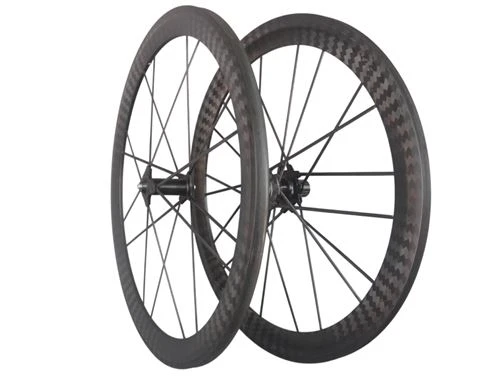

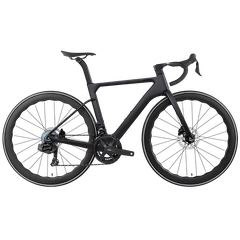
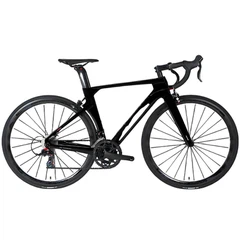
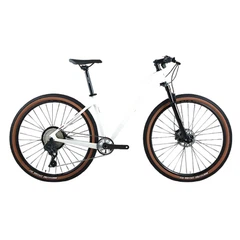
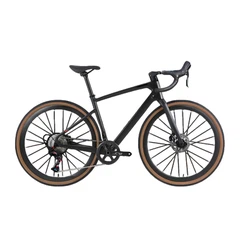





Choosing carbon wheels for road and gravel riding is no longer only about buying the lightest wheelset. Rim depth, internal width, stiffness, tire compatibility, and riding conditions all affect how the bike feels on the road or trail.
A wheelset that works well for fast road racing may not feel stable or comfortable on rough gravel routes.
Modern carbon bike wheels are now built for very different riding purposes. Some focus on aerodynamic speed, while others prioritize climbing response, wider tire support, or long-distance comfort. Understanding how wheel design changes bike handling and ride feel makes it easier to choose the right wheelset for your riding conditions.
Quick Answer
If you ride fast road routes or race on flat terrain, deeper carbon wheels can improve aerodynamics and help maintain speed. For climbing, mixed terrain, or windy conditions, shallower rims are usually lighter, easier to control, and quicker to accelerate.
For gravel riding, rim width and tire support are just as important as weight. Wider carbon gravel wheels can improve stability, comfort, and low-pressure performance on rough roads.
There is no single "best" carbon wheelset. The right choice depends on your terrain, tire size, riding style, and handling preference.
Why Carbon Wheels Outperform Alloy for Road & Gravel Cycling
Carbon wheels are not automatically better in every situation, but they allow wheel designers to control weight, stiffness, aerodynamics, and ride feel more precisely than traditional alloy rims.

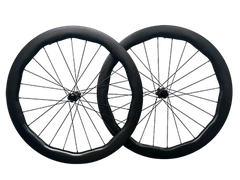
Carbon Road Bike Wheels
Send Inquiry Now

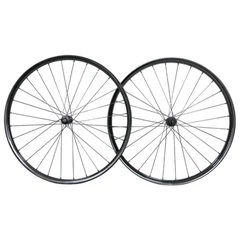
Carbon MTB Bike Wheels
Send Inquiry Now

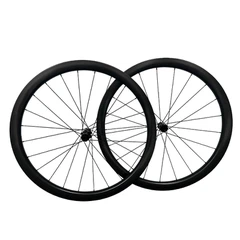
Carbon Wheels Gravel
Send Inquiry Now

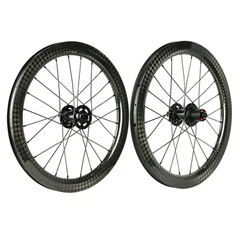
Carbon Fiber BMX Wheels
Send Inquiry Now

Carbon Time Trial WheelsSend Inquiry Now

Carbon Road Bike Wheels
Send Inquiry Now
Weight & Rotating Mass: The Game-Changer for Climbs & Acceleration
One of the biggest differences between carbon and alloy wheels is the rotating weight. Lighter rims usually feel quicker during acceleration, climbing, and repeated speed changes. This is often easier to notice on long climbs or fast corner exits where the bike responds more directly to pedal input.
Tuned Compliance & Ride Comfort
Carbon rims can also be built to flex differently from alloy rims. Some carbon wheelsets feel less harsh on rough pavement because the rim structure absorbs small vibrations differently. On gravel bikes, this can help reduce hand and arm fatigue during longer rides.
Aerodynamic Efficiency for Road Speed
Carbon manufacturing also makes deeper aerodynamic rim shapes easier to produce without adding excessive weight. At higher speeds, deeper carbon rims can help maintain momentum more efficiently on flatter roads and open riding sections.

Durability & Impact Resistance for Gravel Adventure
Modern gravel carbon wheels are generally much stronger than older lightweight road rims. Wider rim profiles, reinforced spoke areas, and lower tire pressures all help improve stability and impact control on rough gravel surfaces.
Rim Depth and Width Explained for Road & Gravel Wheels
Rim depth and rim width affect much more than appearance. They change how the bike accelerates, handles crosswinds, supports the tire, and feels on rough surfaces.
Shallow vs Deep Road Rims
Shallow road rims are usually lighter and easier to handle in climbing or windy conditions. Many riders prefer shallower rims for long mountain rides because the bike feels more responsive during repeated acceleration.
Deep rims are different.
They are often used for faster road riding and flatter terrain where maintaining speed matters more. At higher speeds, deeper rims can feel smoother and more stable, but strong crosswinds may become more noticeable.
Wider Gravel Rim Profiles
Gravel wheels usually use wider internal rim widths than road wheels. A wider rim gives larger gravel tires better sidewall support and helps stabilize the tire at lower pressure.
This becomes more useful on loose gravel, rough dirt roads, and uneven terrain where tire movement affects handling.
Tire Width Compatibility
Rim width and tire size should work together. Narrow road rims paired with oversized tires can feel less stable, while very wide gravel rims paired with narrow tires may change tire shape too much.
In most cases, modern road wheels are commonly paired with 28–32mm tires, while gravel wheels are often designed around 40mm or larger tires.
Model Breakdown by Discipline
Different carbon wheelsets are designed around different riding conditions. Rim depth, internal width, spoke count, and wheel stiffness are usually adjusted based on how the bike will actually be ridden.
Road Series: For Road Racing, Endurance & Aero Performance
Carbon road wheels are typically built around speed, efficiency, and road handling. Shallower rims are often used for climbing and endurance riding, while deeper aero rims are more common for fast group rides and flatter terrain.

Many modern road wheelsets now balance aerodynamic performance with everyday ride comfort rather than focusing only on low weight.
Gravel Series: For Gravel Racing, Adventure & Mixed Terrain
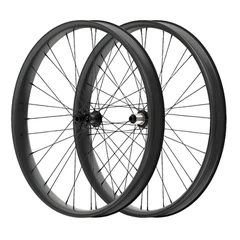
Carbon gravel wheels usually use wider internal rim widths and stronger rim structures to support larger tires and lower riding pressures. These wheels are designed for loose surfaces, rough gravel roads, and mixed riding terrain where stability matters more than pure aerodynamic speed.
Mountain Carbon Wheels: Versatile Performance for Road & Light Gravel
Mountain-oriented carbon wheels generally prioritize impact resistance and tire support more heavily.
Some lighter MTB wheelsets can also work well for aggressive gravel riding or bikepacking setups where rough terrain and loaded riding conditions place more stress on the wheel.
Triathlon & Time Trial (TT) Series
TT and triathlon wheels are designed mainly for aerodynamic efficiency at sustained high speeds.
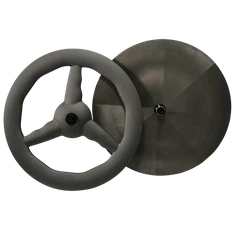
Deeper rims and disc-style rear wheels are common because these riding conditions usually involve flatter roads, steady pacing, and less technical handling compared to gravel or climbing-focused riding.
Key Engineering Features That Set Carbon World Wheels Apart
Wheel performance depends on more than rim depth or wheel weight. Rim construction, spoke tension balance, hub engagement, and tire compatibility all influence how the wheel behaves during real riding conditions.
Precision Carbon Layup
Carbon layup affects rim stiffness, impact behavior, and long-term durability.
Different carbon layers are placed in different rim areas depending on riding demands. High-stress zones around the spoke holes and sidewalls usually require additional reinforcement compared to lower-load sections of the rim.
Small layup changes can noticeably affect ride feel.
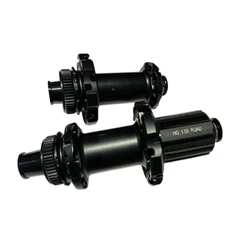
High-Performance Hubs & Spoke Systems
Hub engagement and spoke tension both affect wheel response under pedaling load.
Faster engagement hubs usually feel more direct during acceleration, while spoke tension balance influences wheel stability and long-term durability.
Spoke count and spoke pattern also change depending on whether the wheel is designed for climbing, gravel riding, or higher-speed aero use.
Tubeless-Ready Design
Most modern road and gravel carbon wheels are designed for tubeless setups. Tubeless systems allow lower tire pressures, which can improve grip, vibration control, and puncture resistance on rough surfaces.
This is especially noticeable on gravel bikes and mixed-terrain riding.
UCI Approval
Some carbon wheelsets are developed to meet UCI regulations for competitive road racing. UCI approval mainly confirms that the wheel design follows technical requirements used in sanctioned racing events.
How Wheel Weight Really Affects Riding Feel
Wheel weight changes how the bike responds during acceleration, climbing, and long rides. The effect is usually felt most around the rim because the rotating weight influences how quickly the wheel speeds up or slows down.
Climbing Response
Lighter wheels often feel easier to manage during climbing, especially on repeated accelerations or steep gradients. The bike may feel more responsive when standing on the pedals or changing pace frequently during uphill riding.
The difference is usually more noticeable on long climbs than short flat rides.
Sprint Acceleration
During sprinting, a lower rotating weight can help the bike react more quickly when power is suddenly applied. This is one reason lightweight road wheelsets are popular for racing and aggressive group riding, where repeated acceleration matters.
Long-Distance Efficiency
Wheel weight also affects fatigue during longer rides. Heavier wheels are not automatically slow, but lighter wheelsets may feel less demanding over long distances with repeated elevation changes, especially when the bike constantly accelerates out of corners, climbs, or rough road sections.
How to Choose the Right Wheelset for Your Riding
The best carbon wheelset usually depends more on where and how you ride than simply choosing the lightest or deepest rims. Riding terrain, average speed, wind conditions, and tire size all change how a wheel feels on the bike.
If You Mainly Ride Fast Roads
For fast road riding, group rides, and flatter terrain, mid-depth or deeper carbon wheels are often the most popular choice.

They usually hold speed better once the bike is moving quickly and feel more stable during steady efforts on open roads.
If You Ride Long Climbs
If your riding includes frequent climbing or changing elevation, lighter and shallower rims are often easier to manage. The bike generally feels quicker during acceleration and less affected by crosswinds on exposed mountain roads.
If You Ride Gravel and Mixed Terrain
For gravel riding, rim width and tire support usually matter more than deep aerodynamic rims. Wider gravel wheelsets paired with larger tires often provide better stability, lower-pressure control, and more predictable handling on loose surfaces.
If You Want One Wheelset for Everything
Many riders eventually prefer a more balanced setup instead of chasing the deepest rims or the lowest weight possible.
Mid-depth carbon wheels are often easier to live with for mixed riding because they combine stable handling, reasonable aerodynamics, and everyday versatility without feeling too specialized.
Common Mistakes When Choosing Carbon Wheels
A lot of riders choose carbon wheels based on appearance, catalog weight, or what professional racers use. But in real riding, the wrong wheel setup can sometimes feel slower or less comfortable than expected.
Choosing Deep Rims Only for Looks
Deep rims look fast, and on flat roads they often are. But if you mainly ride climbs, windy roads, or mixed terrain, very deep wheels can sometimes feel tiring to control over long rides.
Ignoring Tire Compatibility
Some riders focus on the wheel and forget about the tire setup. Rim width and tire size need to match properly. A gravel tire mounted on a narrow road rim may feel unstable at lower pressure, especially on rough surfaces.
Focusing Only on Weight
Very lightweight wheels usually feel quick during acceleration, but low weight alone does not guarantee a better ride. In many real riding situations, stability, predictable handling, and tire support matter just as much as saving a few hundred grams.
Conclusion
No carbon wheelset works perfectly for every rider. A setup that feels fast and efficient on smooth road rides may feel uncomfortable or overly demanding once the terrain becomes rough, windy, or unpredictable.
In real riding, balance usually matters more than chasing the deepest rims or the lightest published weight.
Many riders eventually settle on wheelsets that feel stable, predictable, and easy to ride for long hours instead of choosing the most aggressive setup available.
At Carbon World, we build carbon wheelsets for different riding styles, including road riding, gravel riding, climbing, and mixed terrain use. Our focus is not only on rim depth or weight numbers, but on how the wheel actually feels during everyday riding.
FAQ
Q: Is crosswind handling difficult on deep carbon wheels?
A: It depends on rim depth, rider weight, and wind conditions. Some riders adapt quickly, while others prefer mid-depth wheels for more predictable handling.
Q: Do wider rims change tire shape?
A: Yes. Wider rims usually create a squarer tire profile, which can improve tire support and cornering stability at lower pressures.
Q: Are expensive carbon wheels always better?
A: Not always. Rim design, spoke tension balance, hub quality, and proper setup often matter more than price alone.
Q: Can carbon wheels go out of true after hard impacts?
A: They can. Hitting deep potholes, rocks, or curbs at speed may affect spoke tension or rim alignment, just like alloy wheels.
Q: How often should spoke tension be checked?
A: For most riders, occasional checks during regular bike maintenance are enough. Wheels used for racing, gravel events, or rough terrain may benefit from more frequent inspection.
Q: Are custom decals and logos available on carbon wheels?
A: Usually yes. Many carbon wheelsets support custom logos, decal colors, matte or gloss finishes, and exposed carbon weave designs.
Q: Can carbon wheels be customized for rider weight or riding style?
A: Yes. Some manufacturers adjust spoke count, spoke tension targets, or rim layup depending on whether the wheel is built for climbing, gravel racing, heavier riders, or long-distance riding.