

Introduction
How long do carbon fiber bike frames actually last? Some riders believe carbon frames are fragile and short-lived, while others insist they can last for decades with proper care. The truth lies somewhere in between.
In this guide, we'll explore the typical lifespan of carbon fiber bike frames, the key factors that affect their durability, how they compare with aluminum frames, and how proper maintenance can help extend their service life.
Quick Answer
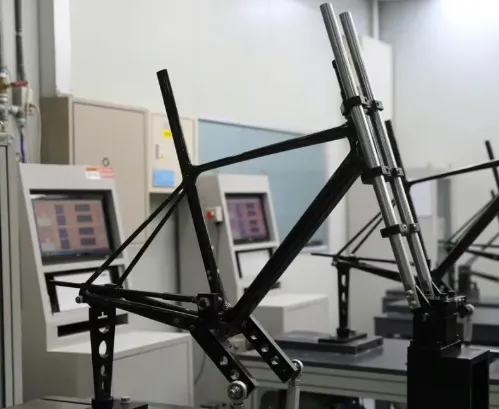
A well-manufactured carbon fiber bike frame can typically last 8 to 15 years or even longer when properly maintained and used under normal riding conditions. However, factors such as crashes, improper torque installation, UV exposure, poor storage environments, and manufacturing quality can all affect frame lifespan. Regular inspection and proper maintenance are essential for ensuring long-term performance and riding safety.
Carbon Fiber Frame Lifespan Range
Carbon fiber itself has an almost unlimited fatigue life. Unlike metal frames, it does not suffer from repeated fatigue damage caused by metallic crystal structures. Under normal riding conditions and regular road vibration, a carbon frame will not develop irreversible internal fatigue damage. In reality, the lifespan of a carbon frame is mainly influenced by the epoxy resin system, external impacts, and environmental exposure.
1. Professional Training & Racing
Lightweight racing carbon frames are designed for maximum stiffness and minimum weight, often using thinner tube walls and more aggressive structures. Under long-term high-intensity pedaling, fast cornering, and repeated impacts, their peak performance period is typically around 3–5 years. After that, the frame usually remains usable, but slight resin aging and small reductions in stiffness may affect competitive performance, which is why professional riders often replace frames more frequently.
2. Daily Recreational Riding
This is the most common riding scenario for amateur cyclists. With moderate riding intensity, smoother roads, and proper maintenance, high-quality carbon frames from established manufacturers can typically last 8–12 years or even longer. Modern epoxy resin systems age very slowly, and without crash damage or structural impact, frame stiffness and strength generally remain stable over time.
3. Low-Intensity Use with Proper Storage
For bikes used occasionally and stored in dry, shaded environments away from impact or pressure, some premium carbon frames can last 15 years or more. Many experienced cyclists still ride older carbon frames that continue to perform well after years of careful maintenance, often exceeding the typical fatigue lifespan of aluminum frames.
4 Key Factors That Affect Carbon Fiber Frame Lifespan
Material Layup Process and Carbon Fiber Quality
The lifespan and performance of a carbon fiber bike frame largely depend on material quality and layup precision. High-quality carbon fibers, such as Toray T700 and T800, offer improved strength, stiffness, and fatigue resistance.
At the same time, precise carbon layup helps optimize load distribution and reinforce key stress areas, such as the head tube and bottom bracket. Advanced processes such as EPS molding and controlled curing further improve structural consistency and reduce weak points inside the frame.
Poor materials or inaccurate layup can lead to reduced durability and a higher risk of structural damage over time.

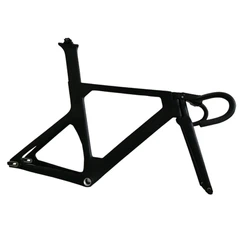
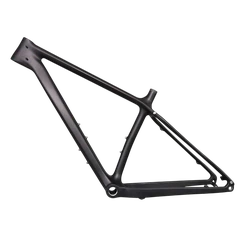
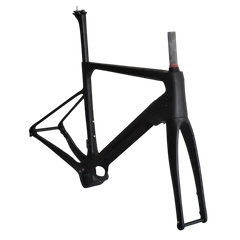
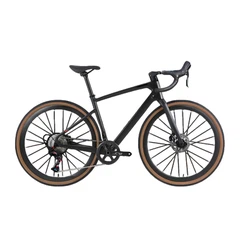
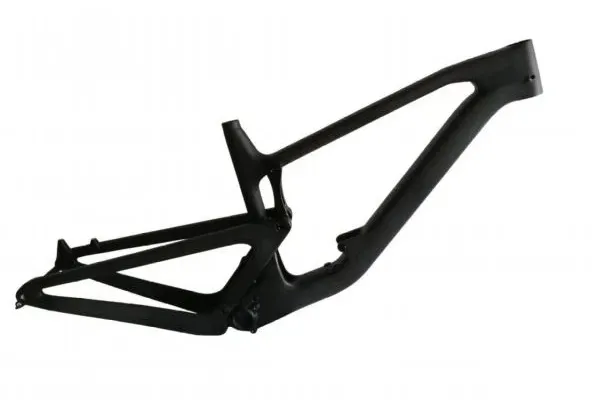
Carbon Fiber Road Frame
Send Inquiry Now
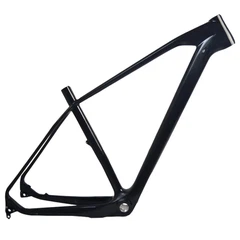
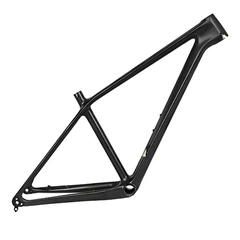
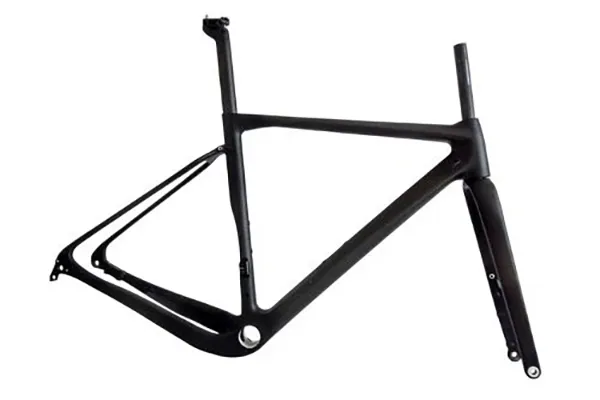
Carbon Fiber MTB Frame
Send Inquiry Now
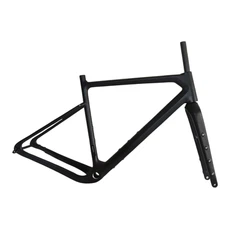
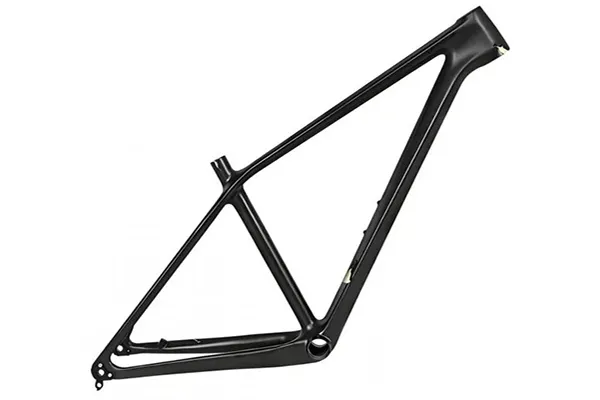
Carbon Gravel Frame
Send Inquiry Now
Carbon Fiber Frame BMX
Send Inquiry Now
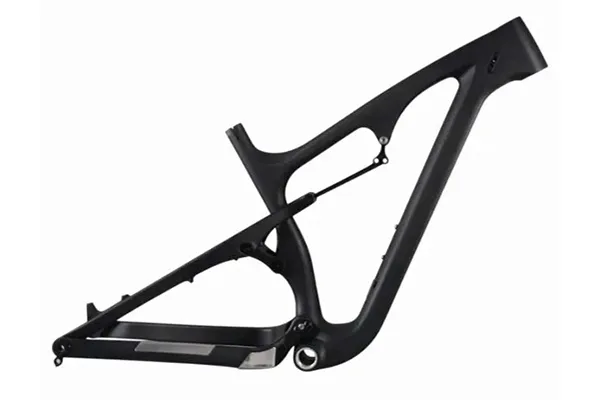
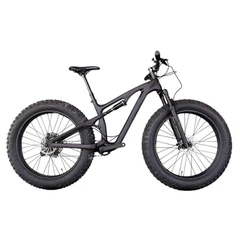
Carbon Fat Frame
Send Inquiry Now
Long-Term UV Exposure
Epoxy resin is one of the most vulnerable parts of a carbon frame. Prolonged exposure to direct sunlight can accelerate resin oxidation and aging, leading to yellowing paint, resin brittleness, and separation between the carbon fibers and resin. Over time, this can reduce overall structural stability. Frames stored outdoors for extended periods may experience a significantly shorter lifespan.
Impacts, Crashes, and Hidden Damage
Carbon fiber offers excellent stiffness and tensile strength, but it is more sensitive to sharp impacts and crushing forces. Minor crashes, transportation pressure, or accidental impacts may cause internal delamination or micro-cracks even if no visible surface damage appears. These hidden damages can gradually worsen during riding and increase the risk of structural failure, especially on ultra-light racing frames with thinner tube walls.
Improper Installation and Excessive Stress
Overtightening components such as carbon seatposts, stems, or pedals beyond recommended torque settings can damage carbon tubes internally. Long-term abnormal stress from improper storage, heavy loads, or excessive pressure on the frame may also accelerate structural wear.

Send Inquiry Now

Send Inquiry Now

Send Inquiry Now

Send Inquiry Now
Humid and High-Temperature Storage Conditions
Storing a bike in damp, hot, or poorly ventilated environments can gradually affect the resin bonding layers. Moisture intrusion and excessive heat may accelerate resin aging and increase the risk of delamination over time.
Comparison of Carbon Fiber Frames vs. Aluminum, Titanium, and Steel Frames
|
Project |
Carbon Fiber |
Aluminum |
Titanium |
Steel |
|
Fatigue Resistance |
Excellent |
Moderate |
Excellent |
Very Good |
|
Corrosion Resistance |
Excellent |
Good |
Excellent |
Lower |
|
Impact Resistance |
Moderate |
Good |
Excellent |
Excellent |
|
Weight |
Very Light |
Light |
Medium-Light |
Heavy |
|
Ride Comfort |
Excellent vibration damping |
Moderate |
Smooth and comfortable |
Comfortable and flexible |
|
Typical Lifespan |
8–15+ years |
5–10 years |
15–20+ years |
10–20+ years |
|
Maintenance Requirements |
Requires careful inspection and torque control |
Relatively low maintenance |
Very low maintenance |
Requires rust prevention |
How to Determine If Your Carbon Fiber Frame Is Nearing the End of Its Service Life
Visible Cracks or Paint Stress Lines
Regularly inspect the frame for cracks, paint stress lines, bulges, or uneven surfaces. These signs may indicate internal carbon damage or delamination.
Unusual Noises During Riding
Persistent creaking, clicking, or cracking sounds may suggest abnormal structural stress, especially after common components such as the bottom bracket or seatpost have already been checked.
Soft Spots or Reduced Stiffness
If certain areas of the frame feel softer than usual, or the bike loses its original stiffness and responsiveness, the structural strength may be weakening.
Damage After Crashes or Impacts
Even minor crashes or transportation impacts can cause hidden internal damage to carbon fiber layers. High-stress areas such as the head tube, bottom bracket, and chainstays should be inspected carefully.
Alignment or Handling Problems
Poor handling, unusual vibration, or wheel alignment issues may indicate frame deformation or hidden structural damage.
Professional Inspection Is Recommended
If any of these signs appear, stop riding immediately and have the frame inspected by a professional carbon repair or testing specialist to ensure riding safety.

5 Tips to Extend the Lifespan of a Carbon Fiber Bike Frame
1. Store Away from UV Exposure
Keep the bike in a cool, dry, and shaded indoor environment whenever possible. Avoid prolonged exposure to direct sunlight or rain. For long-term storage, use a bike cover to reduce UV exposure and dust accumulation, helping slow down resin aging.
2. Follow Proper Torque Specifications
Always install components according to the manufacturer's recommended torque values and use a torque wrench for accuracy. Avoid overtightening bolts or adding heavy cargo racks and excessive loads that may place abnormal stress on the frame.
3. Avoid Improper Stress and Hidden Damage
Do not lean the bike heavily against walls or stack it with other bikes. During transport, protect the frame from impacts and crushing pressure. While riding, try to avoid deep potholes, sharp impacts, and rough terrain that can create sudden stress loads.
4. Perform Regular Inspections
Inspect key stress areas such as the head tube, bottom bracket, seat tube, and downtube regularly. Look for cracks, discoloration, dents, or unusual noises. Professional inspections can also help detect hidden internal delamination early.
5. Repair Minor Damage Promptly
Small paint chips or scratches should be repaired quickly to prevent moisture and UV exposure from affecting the carbon layers. If cracks or delamination appear, stop riding immediately and seek professional carbon repair services before the damage worsens.
Conclusion
Carbon fiber bike frames can last for many years when properly manufactured and maintained. Their lightweight construction, fatigue resistance, and corrosion resistance make them a durable choice for modern cycling.
However, lifespan still depends on riding conditions, impact damage, maintenance habits, and manufacturing quality. With proper care and regular inspection, a high-quality carbon fiber frame can deliver reliable long-term performance and riding efficiency.
FAQ
Q: How long can a carbon fiber bike frame last?
A: A high-quality carbon fiber bike frame can typically last 8–15 years or even longer with proper maintenance and normal riding conditions.
Q: Do carbon bike frames weaken over time?
A: Carbon fiber itself has excellent fatigue resistance, but factors such as impacts, UV exposure, poor storage conditions, and resin aging may gradually affect long-term performance.
Q: Can crashes damage a carbon frame internally?
A: Yes. Even if no visible crack appears after a crash or impact, hidden internal damage such as delamination or micro-cracks may still exist.
Q: Is carbon fiber more durable than aluminum?
A: Carbon fiber generally offers better fatigue resistance and corrosion resistance, while aluminum is usually more impact-tolerant and affordable. Durability depends heavily on riding conditions and manufacturing quality.
Q: How can I extend the lifespan of a carbon bike frame?
A: Proper storage, regular inspections, correct torque installation, and avoiding severe impacts are key to maintaining long-term frame durability and riding safety.