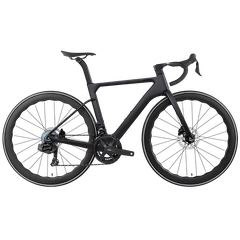
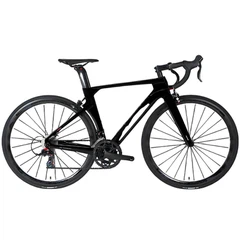
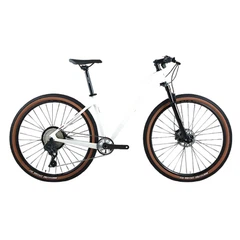
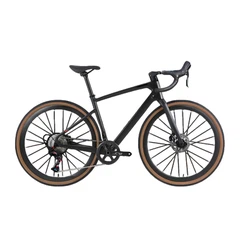
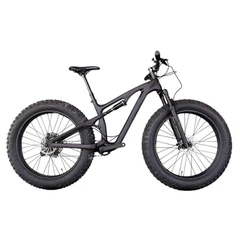
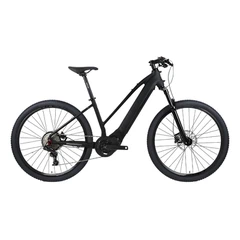
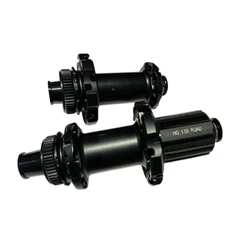
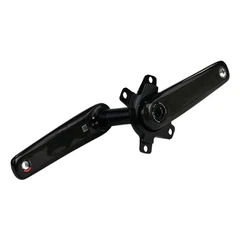
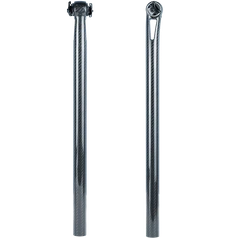
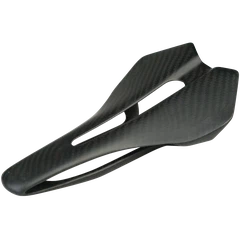

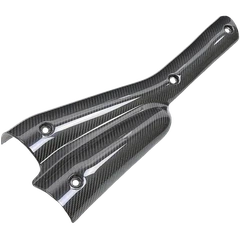
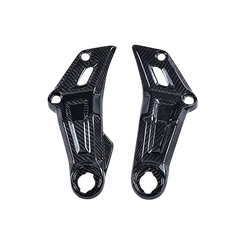
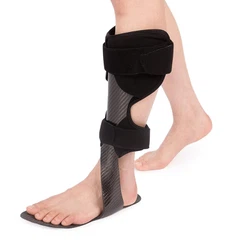

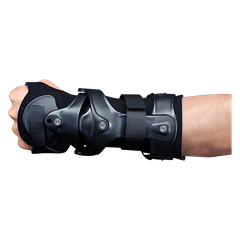

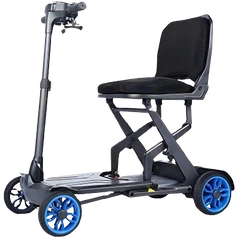

When most people think of carbon fiber, they usually think of high-end road bikes. In reality, the material is used far beyond cycling. Carbon fiber can be found in motorcycle components, aircraft structures, racing cars, medical devices, and even industrial equipment.
The reason is fairly simple. Different industries may have different performance goals, but many of them face the same challenge: reducing weight without sacrificing strength. A bicycle frame needs to be efficient under pedaling loads, a motorcycle component must handle vibration and impact, and an aircraft structure has to remain strong while carrying as little weight as possible.
Carbon fiber helps solve these problems in ways that steel and aluminum often cannot, which is why its use continues to expand across a wide range of applications.
Key Takeaways
Carbon fiber is used in bicycles, motorcycles, and aerospace because it offers more than low weight. Its real value comes from a high strength-to-weight ratio, adjustable stiffness, corrosion resistance, and the ability to form complex shapes.
In bicycles, this helps improve frame design, wheel performance, and ride comfort. In motorcycles, it is often used to reduce weight in bodywork, wheels, and performance parts. In aerospace, carbon fiber helps reduce aircraft weight while supporting large, stiff structures.
The material is not perfect. Cost, repair complexity, and slower production are still important limits.
What Makes Carbon Fiber Different From Traditional Materials?
Before looking at specific industries, it helps to understand why carbon fiber behaves differently from materials like steel and aluminum.

High Strength Without Excess Weight
One of the biggest advantages of carbon fiber is its strength-to-weight ratio. A properly designed carbon component can achieve high strength while using less material weight than many metal alternatives. This is especially important when reducing mass improves performance or efficiency.
Material Properties Can Be Tuned
Unlike metals, carbon fiber is built in layers. Engineers can change fiber orientation and layup schedules to make certain areas stiffer, more flexible, or better able to handle specific loads. This gives designers more control over how a component performs.
Resistance to Fatigue and Corrosion
Carbon fiber does not rust and generally handles long-term cyclic loading well when designed correctly. In environments where moisture, vibration, or repeated stress are common, this can provide advantages over traditional metal materials.
Why Carbon Fiber Changed Bicycle Design
Carbon fiber allows engineers to fine-tune weight, stiffness, and ride feel in ways that are difficult with traditional frame materials.
Lighter Bikes Accelerate More Easily
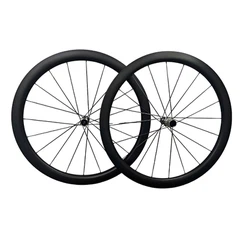
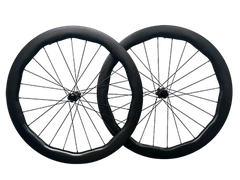
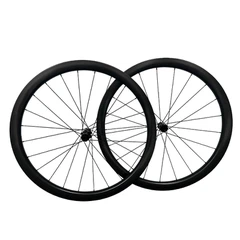
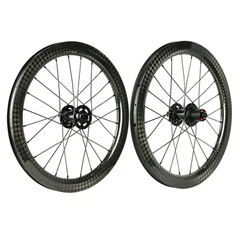
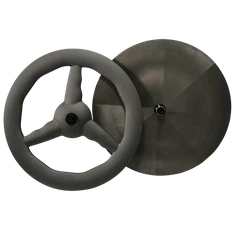
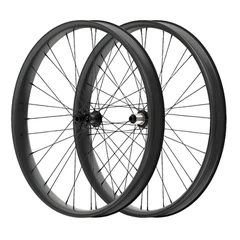
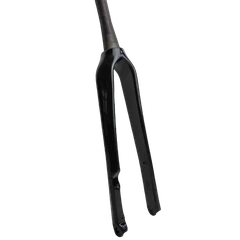
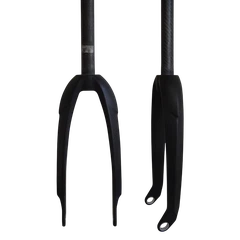
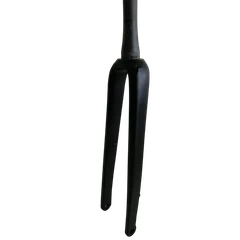
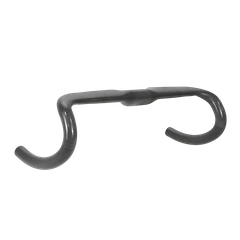
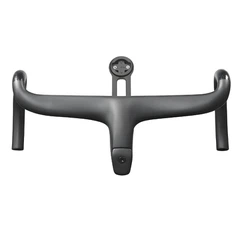
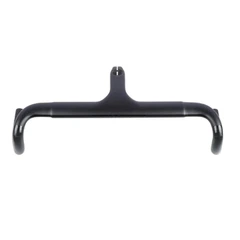
Carbon fiber helps reduce weight in key areas such as frames, forks, handlebars, and carbon bike wheels. For riders, this often means:
Easier climbing.
Quicker acceleration.
Less effort during repeated speed changes.
This is why carbon fiber is common in road racing, gravel riding, and performance cycling.
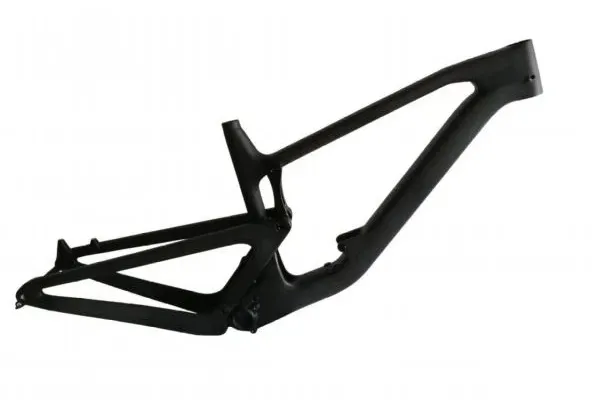
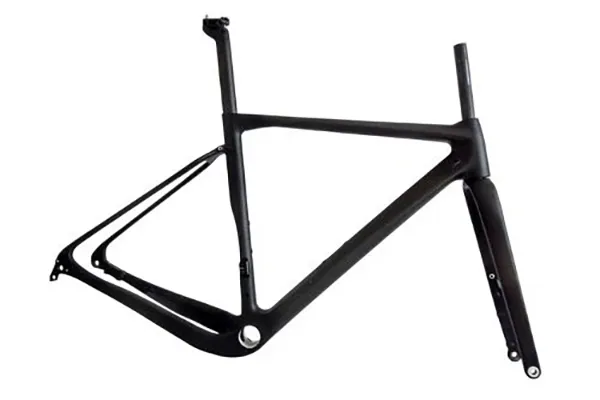
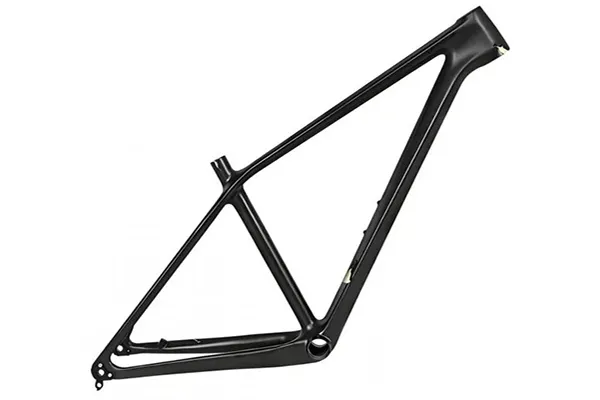
Frame Stiffness Can Be Controlled
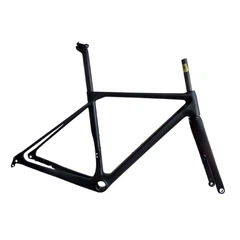
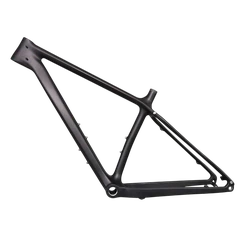
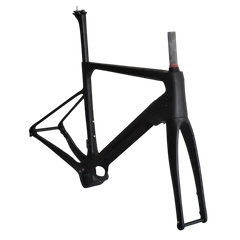
A bicycle frame does not need the same stiffness everywhere. The bottom bracket area usually needs strong power transfer, while the seat stays or fork may need more comfort.

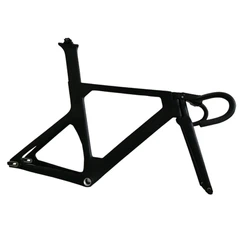
Carbon Fiber Road Frame
Send Inquiry Now
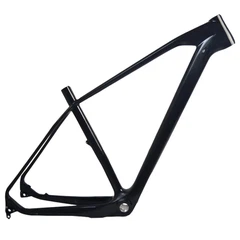
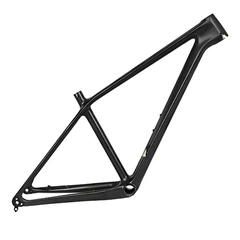
Carbon Fiber MTB Frame
Send Inquiry Now
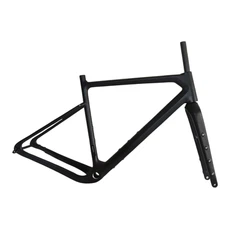
Carbon Gravel Frame
Send Inquiry Now
Carbon Fiber Frame BMX
Send Inquiry Now
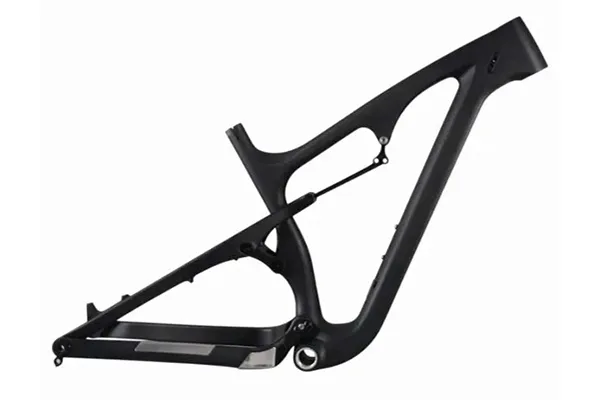
Carbon Fat Frame
Send Inquiry Now
With carbon layup design, engineers can:
Reinforce high-load areas.
Reduce excess material where it is not needed.
Tune the frame for different riding styles.
Better Comfort Without Sacrificing Performance
Carbon fiber can help reduce road vibration while keeping the bike responsive. This is useful for long road rides, rough pavement, and gravel routes where comfort matters but efficiency is still important.
Why Carbon Fiber Is Used in Motorcycles
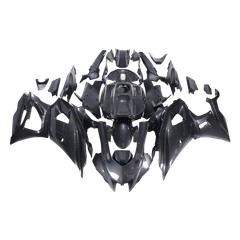
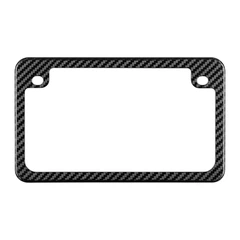
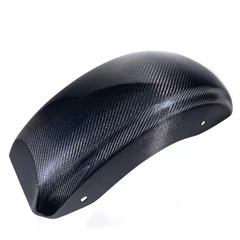
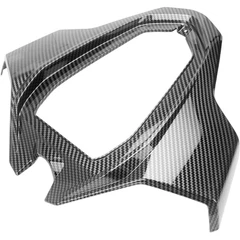
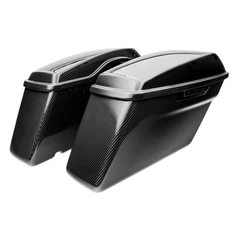
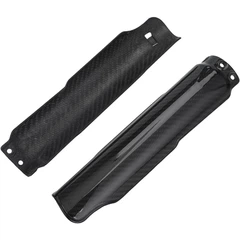
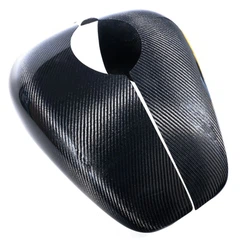
Motorcycles usually use carbon fiber in parts where weight and shape both matter. You can see it on fairings, fenders, wheel parts, chain guards, tank covers, and racing bodywork. These parts need to be light, but they also need to hold their shape at speed.

Carbon Harley Fenders
Send Inquiry Now

Carbon Fiber Fairings
Send Inquiry Now

Carbon Fiber Fuel Tanks
Send Inquiry Now

Carbon Fiber Fork Guards
Send Inquiry Now
For performance bikes, even small weight savings can change how the bike feels when braking, turning, or leaning into corners. Carbon fiber is also useful for body panels because it can form sharp, curved, and aerodynamic shapes without adding much extra weight.
Not every motorcycle part needs carbon fiber. It is more commonly used where lighter weight, stiffness, heat resistance, or a clean performance look actually makes sense.
Why Aerospace Depends on Carbon Fiber
The aerospace industry adopted carbon fiber for reasons that go beyond performance. When an aircraft is in service for decades, weight, structural efficiency, and durability all affect operating costs.
Fuel Efficiency Starts With Weight Reduction
Every kilogram removed from an aircraft can help reduce fuel consumption. Across thousands of flights, even relatively small weight savings become significant. This is one reason carbon fiber is widely used in modern commercial aircraft.
Large Structures Need High Stiffness
Aircraft wings, fuselage sections, and tail structures are large components that must handle continuous loads during takeoff, flight, and landing. Carbon fiber provides high stiffness without adding excessive weight, making it suitable for these applications.
Long Service Life Matters
Aircraft are expected to remain in service for many years while experiencing constant vibration, pressure changes, and repeated loading cycles. Carbon fiber composites offer good fatigue resistance and do not suffer from corrosion in the same way as many metal materials, helping reduce maintenance demands over time.
Carbon Fiber vs Aluminum vs Steel
| Property | Carbon Fiber | Aluminum | Steel |
|---|---|---|---|
| Weight | Very light when properly designed | Light, but usually heavier than carbon in high-performance parts | Heavier than carbon and aluminum |
| Strength-to-Weight Ratio | Excellent for performance applications | Good for many bike and vehicle parts | Strong, but the weight is higher |
| Design Flexibility | Can be shaped and layered for specific stiffness zones | Easier to form than steel, but less tunable than carbon | Limited by tube shape and wall thickness |
| Corrosion Resistance | Does not rust | Resists corrosion better than steel, but can still oxidize | Can rust without proper protection |
| Repair Difficulty | More complex and requires specialist repair | Moderate, depending on damage | Often easier to repair or weld |
| Cost | Usually higher | Mid-range | Often more affordable |
Why Not Everything Is Made From Carbon Fiber
Carbon fiber offers many advantages, but it is not always the most practical material. Manufacturers still use aluminum, steel, or plastic when cost, repair, or production speed matters more than saving weight.
Manufacturing Cost
Carbon fiber usually requires:
Specialized raw materials.
custom molds.
Controlled curing processes.
More quality inspection.
This makes it more expensive than many metal parts, especially for high-volume products.
Repair Complexity
Carbon damage is not always easy to judge from the outside. A small surface mark may be cosmetic, but internal delamination can be more serious. Repairs usually need trained technicians and proper composite materials.
Production Speed
Many carbon parts need layup, molding, curing, trimming, sanding, and finishing. Metal parts can often be stamped, machined, or welded faster, which is why traditional materials are still common in mass production.

Where Carbon Fiber Technology Is Going Next
Carbon fiber is no longer limited to high-end racing products or aerospace projects. One of the biggest trends is expanding its use into larger structures and making production more efficient.
Larger Structural Components
As manufacturing techniques improve, carbon fiber is being used in larger and more complex components. Examples include aircraft structures, wind turbine blades, automotive chassis sections, and industrial equipment. These applications take advantage of carbon fiber's ability to combine low weight with high stiffness over large spans.
Automated Manufacturing
Traditionally, many carbon fiber parts required significant manual labor. Today, manufacturers are investing in automated layup, resin transfer molding (RTM), and other advanced production methods.
The goal is not only to increase production speed, but also to improve consistency and reduce manufacturing costs. As these technologies continue to develop, carbon fiber is likely to become more accessible across a wider range of industries and products.
Conclusion
Carbon fiber is valuable because it solves very practical problems. In bicycles, it helps control weight and ride feel. In motorcycles, it is often used where lighter parts and shaped body panels make sense. In aerospace, the material becomes important because weight, stiffness, and long service life affect the whole structure.
It is not the right material for every part.
Cost, repair difficulty, and production speed still matter, which is why aluminum and steel remain common in many applications.
At Carbon World, we work with carbon fiber products for bicycles, medical parts, industrial use, and custom projects. For any application, the best result starts with choosing the material only where its advantages are actually useful.
FAQ
Q: Is carbon fiber environmentally better than aluminum?
A: There is no simple answer. Carbon fiber can reduce weight and improve efficiency during use, but its production process is generally more energy-intensive than aluminum manufacturing.
Q: Why do different carbon fiber products have different weave patterns?
A: The weave pattern does not always indicate strength. Different patterns are often chosen for manufacturing requirements, appearance, or specific structural designs.
Q: What is the difference between carbon fiber and fiberglass?
A: Carbon fiber is generally stiffer and lighter than fiberglass, while fiberglass is usually less expensive and easier to manufacture in large volumes.
Q: Does carbon fiber lose strength over time?
A: Under normal use, carbon fiber does not gradually weaken simply because of age. Its lifespan depends more on impact damage, manufacturing quality, and operating conditions.
Q: What should you consider when sourcing custom carbon fiber parts?
A: Important factors include: Design requirements, Production volume, Tooling costs, Material selection, Surface finish, Quality inspection standards, Lead time. Clear project requirements at the beginning usually help avoid redesigns and production delays later.
Q: What surface finishes are available for carbon fiber products?
A: Common options include: UD (Unidirectional),3K Twill,6K Weave,12K Weave, Forged Carbon, Gloss Finish, Matte Finish. The choice is usually based on appearance and application requirements.
Q: How do manufacturers test carbon fiber products?
A: Testing methods vary by industry but commonly include impact testing, fatigue testing, stiffness measurement, tensile testing, and environmental durability testing.
Q: Can carbon fiber be customized for different applications?
A: Yes. Fiber orientation, wall thickness, surface finish, and overall design can all be adjusted to meet specific strength, stiffness, or weight requirements.