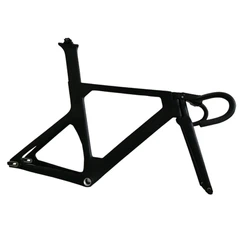
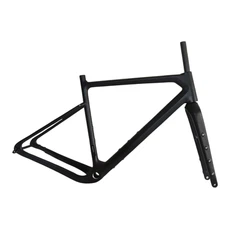
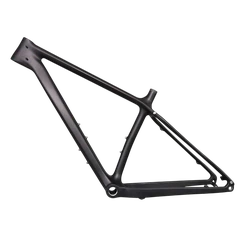
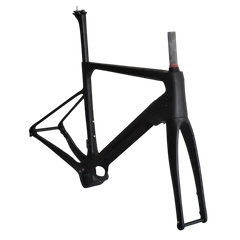
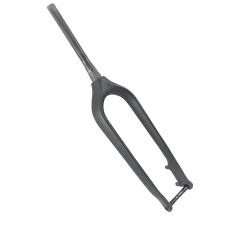
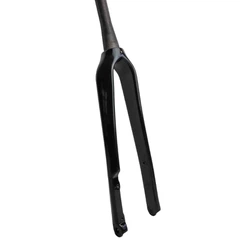


A bike fork may seem like a simple part, but its impact on how a bike feels is often overstated. While it does play a role in steering, comfort, braking stability, tire clearance, and front-end weight, these effects are not always as significant as commonly claimed.
Carbon fiber forks are frequently used on road bikes, gravel bikes, rigid mountain bikes, and custom builds, but their advantages are sometimes exaggerated.
Although they can reduce weight and slightly dampen road vibration, the actual performance gains depend heavily on factors like fork design, carbon quality, manufacturing standards, and compatibility with the frame. In reality, the benefits of carbon fiber forks are not always as dramatic as marketing suggests.
Key Takeaways
Carbon fiber forks can offer real benefits, but they should be judged by design, testing, and fit, not by material alone. A lighter fork may help reduce front-end weight, especially on road and gravel bikes, but it will not change the whole bike by itself.
You should also practically look at comfort and control. A carbon fiber fork may soften small road vibrations, but it does not replace a suspension fork. Stiffness also needs to match the bike type, riding use, and frame design.
What Are Carbon Fiber Forks?
Carbon fiber forks are rigid bicycle forks made from woven carbon threads bonded with resin. They are widely used on road, gravel, cyclocross, and rigid mountain bikes to reduce weight and help absorb road vibrations for a smoother ride.

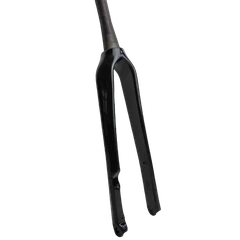
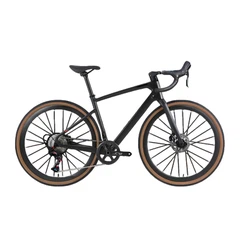
Carbon Fork Road Bike
Send Inquiry Now

Carbon Fiber Fork MTB
Send Inquiry Now

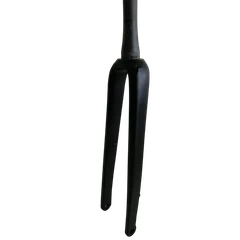
Carbon Forks Gravel Bike
Send Inquiry Now

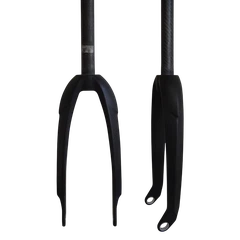
Carbon Fiber BMX Fork
Send Inquiry Now

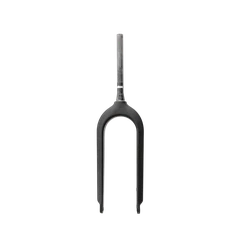
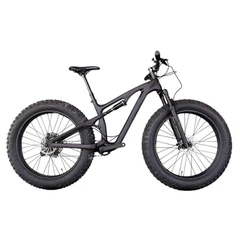
Fat Bike Carbon Fork
Send Inquiry Now
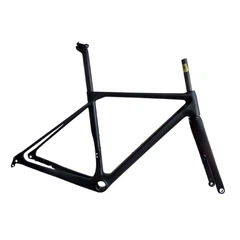
A typical carbon fork includes the crown, blades, steerer tube, dropouts, and brake mount, with some designs adding internal cable routing or wider tire clearance.
Compared with many metal forks, carbon forks are lighter and easier to shape, but quality still depends on layup, structure, testing, and frame compatibility.
Lower Weight Helps Improve Bike Performance
Weight is one of the main reasons many brands and riders choose carbon fiber forks. The change may look small on paper, but it can still affect how the front end feels in real riding.
Easier Climbing and Acceleration
When the front end is lighter, the bike feels easier to lift, steer, and accelerate, especially when climbing. The effect is more noticeable on road, gravel, and lightweight builds, and works best when matched with the right frame and components.

Weight Reduction Supports Overall Ride Efficiency
A lighter carbon fork can contribute to a more efficient riding experience by reducing unnecessary front-end mass. This helps maintain better balance and responsiveness during different riding conditions.
Better Vibration Damping for a Smoother Ride
Comfort is another reason many riders and brands consider carbon fiber forks. The benefit is usually not about large bumps. It is more about reducing small, fast vibrations from the road.
Less Road Buzz on Rough Surfaces
When you ride on rough pavement, gravel paths, or broken city roads, the front end can pass vibration into your hands and arms. A well-designed carbon fiber fork can help soften part of this road buzz, making the ride feel calmer. This can be useful for long rides, gravel bikes, and performance bikes built for mixed surfaces.
Still, comfort depends on more than the fork. Tire size, tire pressure, handlebar choice, frame design, and carbon layup all play a role.
Improved Stiffness and Steering Response
A fork also affects how the bike reacts when you turn, brake, or ride at speed. With the right design, carbon fiber forks can provide support where the front end needs it most.
More Control When Turning and Braking
When you steer into a corner or brake hard, the fork must stay stable.
This is useful on road bikes, gravel bikes, and performance builds where front-end response matters. You may feel the difference most when turning quickly, riding downhill, or braking on uneven roads.

Stiffness Is Not Always About Being Harder
A fork should balance stiffness and comfort. Too much rigidity can make the ride feel harsh and unforgiving.
The ideal level of stiffness depends on factors like bike type, riding conditions, frame geometry, and how the carbon is laid up. This balance is usually refined through careful design and real-world testing.
More Design Freedom for Different Bike Types
Carbon fiber forks offer greater design flexibility than aluminum or steel. Because they are molded rather than cut, they can be shaped to better match different bike types, frame geometries, and riding needs.
Fork Shape and Frame Matching
The shape of a carbon fiber fork can be carefully adjusted to match the frame design. Road bikes often use slimmer and more aerodynamic fork profiles, while gravel bikes require stronger shapes with additional space for wider tires.
Tire Clearance and Brake Layout
Different riding styles require different tire sizes, so tire clearance is an important factor. Carbon fiber forks can be designed to accommodate narrow road tires or wider gravel tires. They can also support various brake systems, including disc brakes, and different axle standards, making them adaptable to modern bike setups.
Hidden Cable Routing and Cleaner Design
Many carbon fiber forks support internal or semi-internal cable routing. This reduces visible cables around the front of the bike and creates a cleaner, more modern appearance. It also helps integrate the fork with the frame and cockpit design.

Useful for Custom Bike Projects
For custom bike projects, carbon fiber forks provide more freedom to match the fork with the frame, tire size, and intended riding purpose. This makes them a practical choice when standard fork options do not fully meet design requirements.
Strong Structure Without Extra Weight
Carbon fiber forks are valued because they can provide strength without adding too much weight. This is useful when you want a fork that feels light but still supports steering, braking, and daily riding loads.
The strength does not come from the material name alone. It depends on how the carbon layers are arranged, how the fork is molded, and how the finished part is tested.
A well-made fork should stay stable under normal riding force while avoiding unnecessary material in low-stress areas. That is where carbon fiber shows its real value.
Better Aero Potential for Performance Bike Designs
Carbon fiber forks can be shaped with smoother lines than many traditional fork materials. This gives performance bikes more room for aerodynamic design, especially on road bikes, triathlon bikes, and other speed-focused builds.
Cleaner Airflow Around the Front End
The front end of a bike meets the air first. A carbon fork can use slimmer blades, a smoother crown area, and cleaner cable routing to help air move more neatly around the wheel and frame.
The effect depends on the whole bike, not the fork alone. Frame shape, wheel depth, handlebar design, cable routing, and rider position all matter. For this reason, aero fork design works best when it is planned together with the full bike structure.
Cleaner Appearance and Better Corrosion Resistance
Carbon fiber forks can give a bike a cleaner and more refined front-end look. Unlike steel, carbon fiber does not rust, which can be useful if the bike is often used on wet roads, coastal routes, or mixed outdoor conditions.
This does not mean the fork needs no care. The surface should still be protected from deep scratches, hard impacts, and poor installation.
You can choose different finishes based on the bike style and market position. Common options include matte finish, glossy finish, UD carbon, 3K weave, painted finish, and custom logo design.

Custom Design Benefits for OEM/ODM Bike Projects
For OEM/ODM bike projects, carbon fiber forks can be adjusted around the actual bike design instead of forcing the frame to fit a standard fork.
Structural Customization
You can customize key structure details, such as fork shape, steerer size, axle standard, brake mount, tire clearance, rake, offset, and axle-to-crown length. These details affect fit, handling, and assembly.
Material and Layup Adjustment
Carbon layup can be changed based on the bike type and riding use. A road fork may focus more on weight and steering response, while a gravel fork may need more attention to comfort and tire clearance.
Appearance and Branding Options
For bike brands, the fork also needs to match the frame style. Paint, decals, logo position, surface finish, and packaging can be planned during development.
Information Buyers Should Prepare
Before starting a custom carbon fiber fork project, you should prepare frame drawings, wheel size, tire size, brake type, axle standard, steerer details, target use, and testing requirements.
Where Carbon Fiber Forks Are Most Suitable
Carbon fiber forks are not needed on every bike, but they fit well in projects where weight, comfort, handling, and design matter.
Road and Gravel Bikes
On road bikes, carbon fiber forks are often used to reduce front-end weight and improve steering response. They also allow cleaner fork shapes and smoother frame matching.

For gravel bikes, the main value is different. You may need more tire clearance, better vibration control, and stable handling on mixed surfaces. A carbon gravel fork can support these needs when it is designed with the right structure and clearance.
Rigid MTB and E-Bike Projects
Rigid MTB forks can use carbon fiber to reduce weight while keeping direct trail feedback. They are better suited for specific riding styles, not every rough trail.
For e-bike projects, strength, brake compatibility, axle standard, and testing are more important because the bike may carry more weight and braking load.
How to Get the Right Benefits from Carbon Fiber Forks
To get the real benefits of carbon fiber forks, you need more than the right material. The fork must fit the bike design, riding use, and safety requirements.
Match the Fork to the Frame Geometry
Frame geometry affects how the bike steers and feels. You should check rake, offset, axle-to-crown length, crown shape, steerer size, and headset compatibility.
Choose the Right Brake, Axle, and Tire Clearance
Brake and axle standards should be confirmed early. Check whether the fork uses disc brake or rim brake, flat mount or post mount, thru axle or quick release.
Confirm Strength and Testing Before Production
Before production, confirm the expected load, target use, and testing requirements. Impact testing, fatigue testing, brake load testing, and batch inspection help make sure the fork can perform safely in real use.
Are Carbon Fiber Forks Worth It?
Carbon fiber forks are worth considering if you need lower weight, a smoother ride feel, a cleaner design, and better front-end response. They make more sense on road bikes, gravel bikes, performance builds, and custom bike projects.
But they are not the right choice for every bike. If price is the main concern, or the bike is built for basic daily use, aluminum or steel may be more practical. The fork should match the bike, not just the material trend.
Conclusion
Carbon fiber forks can bring real value when they are used in the right bike project. They can reduce front-end weight, improve ride comfort, support better steering response, and allow more design flexibility.
But the fork still needs to match the frame, brake system, axle standard, tire clearance, and riding purpose. A good design should be practical, tested, and easy to assemble.
If you are developing a road, gravel, rigid MTB, or custom bike project, Carbon World can support carbon fiber fork development based on your drawings, specifications, surface finish needs, and OEM/ODM production requirements.
FAQ
Q: Are carbon fiber forks difficult to maintain?
A: Not really. You mainly need to keep them clean, avoid deep scratches, and check the surface after a crash or hard impact. Do not clamp the fork with excessive force during repair or assembly.
Q: How long can a carbon fiber fork last?
A: A well-made carbon fiber fork can last for years under normal riding conditions. Its lifespan depends on riding style, road conditions, loading, storage, installation, and whether it has suffered impact damage.
Q: Can carbon fiber forks be painted in custom colors?
A: Yes. Carbon fiber forks can be painted to match the frame or brand design. Common options include solid color paint, clear coat, matte finish, glossy finish, and logo placement.
Q: What is the difference between a full carbon fork and a carbon fork with an alloy steerer?
A: A full carbon fork usually has carbon fork blades and a carbon steerer tube. A carbon fork with alloy steerer uses carbon blades with an aluminum steerer.