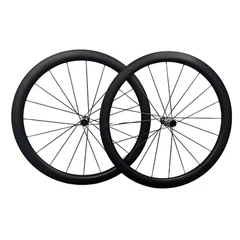
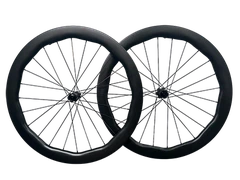
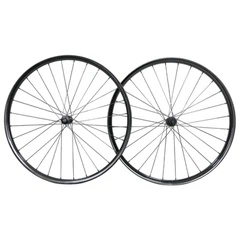
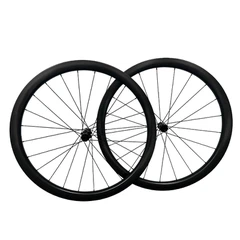
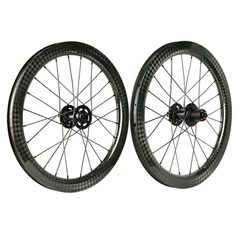

At first glance, a bicycle hub may seem like a small, hidden part, but it plays a key role in your bike's performance. It keeps the wheel spinning smoothly, supports the spokes, and connects systems like the drivetrain and brakes.
When choosing bike hubs, it's not just about weight or price. Factors like hub type, axle standard, bearing system, freehub design, brake compatibility, and spoke count all affect how your bike performs. This guide will explain the main types and functions to help you choose wisely.
Key Takeaways
Bike hubs affect wheel rotation, power transfer, braking setup, and wheel strength. A front hub is usually simpler, while a rear hub includes the freehub system for pedaling and coasting.
When choosing bicycle hubs, focus on compatibility with your bike's frame, fork, and drivetrain. Make sure the hub matches the axle standard, brake type, and wheel build to ensure proper fit and performance.
What Is a Bike Hub?
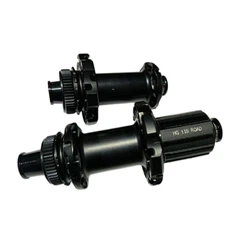
A bike hub is the central component of a bicycle wheel. It connects the spokes to the axle, allowing the wheel to spin smoothly while supporting the rider's weight. With internal bearings, the hub ensures efficient rotation and stability. Front hubs mainly provide support and smooth movement, while rear hubs also transfer pedaling power through the drivetrain. Overall, hubs play a key role in performance, durability, and power transfer.

Bike Hubs
Send Inquiry Now

Bike Hubs
Send Inquiry Now

Bike Hubs
Send Inquiry Now

Bike Hubs
Send Inquiry Now

Bike Hubs
Send Inquiry Now

Bike Hubs
Send Inquiry Now

Bike Hubs
Send Inquiry Now

Bike Hubs
Send Inquiry Now
What Do Wheel Hubs Do?
Wheel hubs keep the wheel rotating around the axle while holding the spokes in position. They also help support the rider's weight and keep the wheel stable during riding.
On the rear wheel, the hub has another job. It works with the cassette-and-freehub system to transfer pedaling power to the wheel. On disc-brake bikes, the hub also serves as the mounting point for the brake rotor.
Main Components of a Bike Hub
A bike hub is made of several parts that work together. Each part affects how the wheel spins, fits, and handles load.

Hub Shell: The hub shell is the main body of the hub. It connects to the spokes and helps spread the load across the wheel.
Axle: The axle holds the hub in the frame or fork. It must match the bike's dropout size and axle standard.
Bearings: Bearings sit inside the hub and help the wheel rotate with less friction. Good bearings make the wheel feel smoother.
Freehub Body: The freehub body is used on the rear hub. It holds the cassette and allows the bike to coast when you stop pedaling.
Disc Brake Mount: On disc brake hubs, this area holds the brake rotor. It must match the rotor type, such as 6-bolt or Center Lock.
Front Hub vs Rear Hub
Front and rear hubs look similar, but they do different jobs. The front hub mainly supports smooth rotation, while the rear hub also works with the drivetrain.
| Item | Front Hub | Rear Hub |
|---|---|---|
| Main Role | Supports the front wheel and helps it spin smoothly. | Supports the rear wheel and transfers pedaling power. |
| Structure | Has a simpler design, usually with a hub shell, axle, and bearings. | Has a more complex design, with a freehub body and pawls or a ratchet system. |
| Drivetrain Function | Does not connect to the cassette or chain drive. | Holds the cassette and works with the chain to transfer power. |
| Coasting | Does not need a freehub system. | Allows the bike to keep moving when you stop pedaling. |
| Key Check | Check the axle size, hub spacing, and brake type. | Check the axle size, cassette type, engagement system, and brake type. |
Common Types of Bicycle Hubs
Bicycle hubs are not all the same. The right type depends on the bike, riding style, brake system, axle standard, and wheelset design.
Road Bike Hubs
Road bike hubs usually focus on low weight, smooth rotation, and efficient power transfer. Modern road hubs often use thru axles and disc brake compatibility, especially on carbon road wheelsets.

Gravel Bike Hubs
Gravel bike hubs need better sealing and durability because they often face dust, mud, rain, and mixed road surfaces. Stable engagement and reliable bearings are more important than chasing the lowest weight.
Mountain Bike Hubs
Mountain bike hubs are built for higher loads, rougher terrain, and stronger braking forces. Many MTB hubs use wider spacing, such as Boost standards, and faster engagement for better control on technical trails.
E-Bike Hubs
E-bike hubs need to handle more weight and braking pressure. When choosing them, you should check axle strength, brake compatibility, bearing quality, and frame fit carefully.
Track or Fixed Gear Hubs
Track or fixed gear hubs have a simpler structure. They are designed for fixed-gear drivetrains and are mostly used on track bikes or specific urban bikes.
What Functions Do Bicycle Hubs Perform?
Bicycle hubs do more than hold the wheel in place. They affect how the wheel turns, how power moves through the bike, and how the wheel works with other parts.
The main functions include:
Wheel rotation: Bearings inside the hub help the wheel spin around the axle with less friction.
Wheel support: The hub connects the spokes, rim, axle, frame, or fork into one working system.
Power transfer: On the rear wheel, the hub works with the cassette and freehub system to move power from your pedals to the wheel.
Coasting: The freehub lets the rear wheel keep spinning when you stop pedaling.
Brake support: On disc brake bikes, the hub holds the brake rotor and must match the rotor interface.
Wheel stability: Hub flange design, spoke hole count, and axle stiffness affect how stable the wheel feels under load.
These functions are why hub compatibility matters when building or choosing wheels.
Bearing Types in Bicycle Hubs
Bearings help the hub spin smoothly around the axle. They also affect maintenance, sealing, and long-term riding feel. Most bicycle hubs use either sealed cartridge bearings or cup-and-cone bearings.
Sealed Cartridge Bearings
Sealed cartridge bearings are common in many modern bike hubs. The bearing unit is pre-assembled and protected with seals, which help keep out dust and water.
They are easy to replace and usually need less adjustment. For road, gravel, and MTB hubs, this makes maintenance simpler.
Cup-and-Cone Bearings
Cup-and-cone bearings use loose ball bearings, cones, and bearing cups. They can run smoothly when adjusted well, but they need more careful setup and regular service.

This design is still used on some hubs because it is adjustable and serviceable. The better choice depends on your riding conditions, maintenance habits, and hub design.
Freehub, Pawl, and Ratchet Systems
The rear hub does more than hold the wheel. It also controls how your pedaling force reaches the wheel and how the bike coasts when you stop pedaling.
Freehub Body
The freehub body holds the cassette. When you pedal, it connects the drivetrain to the rear wheel. When you stop pedaling, it allows the wheel to keep spinning.
You should check cassette compatibility before choosing a rear hub.
Pawl System
A pawl system uses small spring-loaded pawls that catch inside the hub shell. This creates engagement when you start pedaling.
It is a common design because it is simple, serviceable, and suitable for many road, gravel, and MTB hubs.
Ratchet System
A ratchet system uses toothed rings to engage the hub. It usually offers more contact area than a basic pawl design.
This can improve engagement, feel, and load distribution, especially on performance wheelsets. The final result still depends on tooth count, machining quality, lubrication, and maintenance.
How to Choose the Right Bike Hub
Choosing the right bike hub starts with fit. A good hub should match the bike, rim, spokes, cassette, axle, and brake system.
Match the Bike Type
Start with the bike type. Road hubs usually focus on low weight and smooth rolling. Gravel hubs need better sealing. MTB and e-bike hubs need stronger structures and reliable engagement.

Check Axle and Brake Standards
Check the axle size and hub spacing before choosing. Common options include quick release, 12mm thru axle, 15mm thru axle, and Boost spacing.
For disc brake bikes, also confirm whether the hub uses 6-bolt or Center Lock rotor mounting.
Match Spoke Hole Count and Rim Design
The spoke hole count must match the rim. A 24H rim needs a 24H hub. Also check spoke type, flange design, and lacing pattern.
Consider Bearing Quality and Engagement
Good bearings help the wheel spin smoothly. Engagement matters more for MTB, gravel, sprinting, and stop-start riding. Choose based on real use, not only the highest tooth count.
FAQ
Q: How often should bike hubs be serviced?
A: It depends on riding conditions. Road hubs may need less frequent service, while gravel and MTB hubs should be checked more often because dust, mud, and water can enter the bearing area.
Q: How do I know if a bike hub has a problem?
A: Common signs include rough spinning, side-to-side play, a clicking noise, poor engagement, or visible damage around the axle, bearings, or freehub body.
Q: Can one hub fit different cassette brands?
A: Sometimes. It depends on the freehub body. Shimano HG, SRAM XDR, and Shimano Micro Spline use different standards, so compatibility must be confirmed before assembly.
Q: Can I use the same hub for carbon and alloy rims?
A: Yes, if the spoke hole count, spoke type, and lacing design match. The hub does not need to be different just because the rim material changes.
Q: Can the hub color be customized?
A: Yes. Many hubs can be made with different anodized colors, logo markings, or surface finishes for brand and wheelset projects.
Q: What does the hub flange height affect?
A: Hub flange height affects spoke angle and wheel stiffness. A higher flange can create a different spoke path, but the best design still depends on rim depth, spoke length, and lacing pattern.
Q: Can I change the spoke hole count on a hub?
A: No. The spoke hole count is fixed after the hub is made. You need to choose the correct hub hole count before building the wheel.
Q: Why do some hubs use straight-pull spokes?
A: Straight-pull hubs are designed for straight-pull spokes instead of J-bend spokes. They can create a clean wheel build, but the hub, spokes, and rim must be matched correctly.
Conclusion
When selecting hubs for a specific project, start with compatibility: match the hub to your frame and fork standards, including axle size and spacing. Then consider how the bike will be used-road, gravel, or off-road-and choose a brake interface and bearing system that suits those conditions. Finally, check spoke hole count and overall serviceability to ensure the hub is both reliable and easy to maintain over time.
Carbon World supports custom wheelset development by aligning hub specifications with your rim design, spoke pattern, and production requirements. Provide your project details to explore suitable hub options tailored to your application.