

Introduction
Choosing the right delivery box affects more than storage space. It can influence food temperature, rider comfort, service life, and brand image.
For motorcycle food delivery, fiberglass and aluminum are two common materials. Each has its strengths.
So, which one is better for your delivery business? Let's compare them clearly.
Quick Answer
A fiberglass delivery box is usually better for food delivery because it is lighter, has better insulation, is easier to clean, and supports custom colors or logos.
An aluminum delivery box is better if you need a stronger metal structure for rough use, heavy loads, or high-impact environments.
For most motorcycle food delivery businesses, fiberglass is the better choice.
What Is a Fiberglass Delivery Box
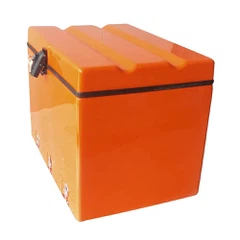
The fiberglass delivery box is a storage box made from fiberglass reinforced plastic, also known as FRP. It is widely used on motorcycles, scooters, and delivery vehicles for food delivery, takeaway service, grocery delivery, and courier transport.

Send Inquiry Now

Send Inquiry Now

Send Inquiry Now

Send Inquiry Now

Send Inquiry Now

Send Inquiry Now

Send Inquiry Now

Send Inquiry Now

Send Inquiry Now

Send Inquiry Now

Send Inquiry Now

Send Inquiry Now
Its Main Features Include
Good insulation performance
Fiberglass transfers heat much more slowly than aluminum. This helps keep hot meals warm and helps cold items stay more temperature-stable during delivery.
Lightweight structure
The box is strong and durable, but its weight is still moderate. This helps reduce the load on the motorcycle rack and improves rider comfort during daily delivery work.
Smooth and easy-to-clean surface
Food delivery boxes need to be cleaned often. Fiberglass has a smooth surface, making it easy to wipe down and maintain after use.
Better appearance for branding
Fiberglass can be made in different colors, sizes, and shapes. Logos, brand colors, and custom graphics can also be added to create a more professional delivery image.
What Is an Aluminum Delivery Box?
An aluminum delivery box is a box made from aluminum sheet or aluminum alloy. It is usually mounted on motorcycles, scooters, or delivery vehicles to carry food, parcels, tools, or other items during transport.
Key Features Of An Aluminum Delivery Box Include
Strong outer shell
The metal body helps protect the items inside from bumps, pressure, and damage during daily handling.
Good load-bearing capacity
When the structure and mounting system are properly designed, an aluminum delivery box can carry heavier items.
Weather resistance
Aluminum does not rust like ordinary steel, making it suitable for outdoor delivery use.
Industrial-style appearance
The box has a clean, professional, and durable look, especially for logistics or courier services.
Easy to clean
The smooth surface can be easily wiped clean after daily use.

Fiberglass vs Aluminum Delivery Box: Key Differences
| Factor | Fiberglass Delivery Box | Aluminum Delivery Box |
| Weight | Usually lighter and easier for daily delivery | Usually heavier and may add strain during long use |
| Rider Comfort | Helps reduce rider fatigue | Extra weight may affect handling and comfort |
| Motorcycle Load | Places less stress on the rear rack and brackets | Adds more load to the rear rack and mounting structure |
| Insulation | Better suited for an insulated box design | Conducts heat faster and often needs extra insulation |
| Waterproofing | Can be molded with fewer seams | Depends on welding, seals, and edge treatment |
| Corrosion Resistance | Rust-free and suitable for outdoor use | Rust-resistant, but may oxidize over time |
| Appearance Customization | Easy to paint with logos and brand colors | More of a metal industrial look |
| Best Use | Food delivery, branded fleets, and insulated delivery | Courier, tool transport, general cargo delivery |
Temperature Control
Fiberglass provides better natural thermal insulation. Its composite structure slows heat transfer, helping hot food stay warm for longer while also maintaining the temperature of cold food, beverages, and desserts during short-distance deliveries.
Although aluminum is strong and durable, it conducts heat much more quickly. In hot weather, the box heats up faster, while in cold weather, it loses heat more rapidly. For this reason, aluminum delivery boxes often require an additional insulation layer to improve temperature control.
Durability and Impact Resistance
Aluminum delivery boxes offer better impact resistance. When subjected to collisions, the box may dent or deform, but it is less likely to crack, making it suitable for demanding delivery environments.
Fiberglass delivery boxes provide excellent corrosion and weather resistance. They do not rust, making them ideal for rainy or humid conditions. Their smooth surface also makes them well-suited for custom branding. However, under sharp or heavy impacts, fiberglass may develop cracks.
Overall, aluminum is better suited for high-impact applications, while fiberglass is a better choice for businesses that value corrosion resistance, appearance, and brand presentation.
Customization and Brand Image
Fiberglass (FRP) delivery boxes offer greater flexibility in shape, color, and surface design. The material can be molded into rounded corners, curved panels, and custom structures, making it easier to create a delivery box that matches the branding of your delivery fleet, restaurant chain, or food delivery platform.
Aluminum delivery boxes are durable and strong, but their appearance is often more limited. Most feature flat panels and straight edges, giving them a more industrial look. While custom colors and logos are available, creating complex shapes or premium surface finishes is generally more challenging than with fiberglass.
Which Delivery Box Should You Choose?
Choose a Fiberglass (FRP) Delivery Box If You Need

Better Thermal Insulation
Fiberglass works well with insulated structures, helping maintain the temperature of hot meals while protecting cold food and beverages during delivery.
Lighter Weight
A lighter delivery box places less strain on the motorcycle's cargo rack and makes daily riding more comfortable, especially during long delivery hours.
Custom Colors and Logo Designs
Fiberglass is easy to mold, paint, and customize. It is an excellent choice for food delivery brands that want custom colors, company logos, and a professional appearance.
A Sleek and Attractive Appearance
Fiberglass delivery boxes typically feature smooth surfaces and flexible shapes, making them ideal for branded delivery fleets and a modern business image.
Choose an Aluminum Alloy Delivery Box If You Need
A Strong Metal Structure
Aluminum alloy provides a rigid metal shell with a solid industrial feel, making it suitable for demanding transportation tasks.
Superior Impact Resistance
It performs well in harsh outdoor environments and is a practical choice for courier services, tool transportation, and parcel delivery.
Durability for Heavy-Duty Use
Aluminum delivery boxes can withstand rough roads, frequent loading and unloading, and intensive daily use.
An Industrial-Style Design
If you prefer a clean, metallic appearance with a simple and functional design, an aluminum alloy delivery box is a practical option.
Conclusion
Both fiberglass and aluminum alloy delivery boxes have their strengths and suit different needs.
For food delivery, fiberglass is often the better choice due to its light weight, ease of cleaning, and superior ability to maintain food temperature. Aluminum alloy is a good choice when strength and impact resistance are more important than thermal insulation or appearance.
The final choice depends on your delivery distance, road conditions, the type of food, and branding requirements.
Conclusion
Both fiberglass and aluminum alloy delivery boxes have their strengths and suit different needs.
For food delivery, fiberglass is often the better choice due to its light weight, ease of cleaning, and superior ability to maintain food temperature. Aluminum alloy is a good choice when strength and impact resistance are more important than thermal insulation or appearance.
The final choice depends on your delivery distance, road conditions, the type of food, and branding requirements.
FAQ
Q: Is a fiberglass delivery box easy to repair?
A: Yes. Minor cracks or surface damage on a fiberglass delivery box can often be repaired using fiberglass repair materials. After repair, the surface can usually be sanded and repainted.
Q: Can aluminum delivery boxes rust?
A: Aluminum does not rust like carbon steel, but it can oxidize over time. Surface treatments such as powder coating or anodizing help improve corrosion resistance and appearance.
Q: Which material is better for custom delivery box designs?
A: Fiberglass is generally better for custom shapes, integrated designs, and branded finishes because it can be molded into more complex forms than aluminum.
Q: How long does a delivery box typically last?
A: The service life depends on material quality, daily use, weather conditions, and maintenance. With proper care, both fiberglass and aluminum delivery boxes can provide years of reliable use.
Q: Are fiberglass and aluminum delivery boxes suitable for electric bikes?
A: Yes. Both materials can be used on motorcycles, scooters, and e-bikes, provided the box size, weight, and mounting system are compatible with the vehicle.
Q: Can a delivery box be customized with insulation and accessories?
A: Yes. Many manufacturers offer options such as insulation layers, LED advertising panels, locks, shelves, dividers, reflective strips, and custom mounting brackets to meet different delivery requirements.
Q: What should I consider before ordering a custom delivery box?
A: Consider the vehicle type, box dimensions, payload, insulation requirements, mounting method, branding needs, and expected order quantity. Providing these details helps the manufacturer recommend the most suitable solution.
Q: Which delivery box is better for OEM or fleet projects?
A: For OEM and fleet projects that require custom branding, consistent appearance, and specialized features, fiberglass delivery boxes are often preferred because they offer greater design flexibility and easier customization.