










When it comes to bicycle wheels, most riders focus on rims, hubs, and spokes, but one small component often gets overlooked: the spoke nipple. Despite its size, it directly affects wheel strength, spoke tension, and wheel alignment.
Material choice, nipple type, and maintenance all influence long-term wheel performance. This becomes even more important on modern carbon wheelsets, where spoke tension is usually higher and wheel tolerances are tighter than traditional alloy wheels.
Key Takeaways
If you ride in wet conditions or want easier long-term maintenance, brass spoke nipples are usually the safer choice because they resist corrosion better and are less likely to seize.
If reducing wheel weight matters more, aluminum nipples are lighter but typically need more careful maintenance and spoke tension control.
Internal nipples are common on aerodynamic carbon wheels but are harder to service. External nipples are easier to adjust during wheel truing and regular maintenance.
On modern carbon wheelsets, spoke nipples play a bigger role because higher spoke tension places more stress on the wheel system overall.
What Are Bike Spoke Nipples?
Bike spoke nipples are small threaded components that connect the spokes to the rim. They sit at the end of each spoke and are used to adjust spoke tension during wheel building and wheel truing. By tightening or loosening the nipple, you change how much tension the spoke carries across the wheel.
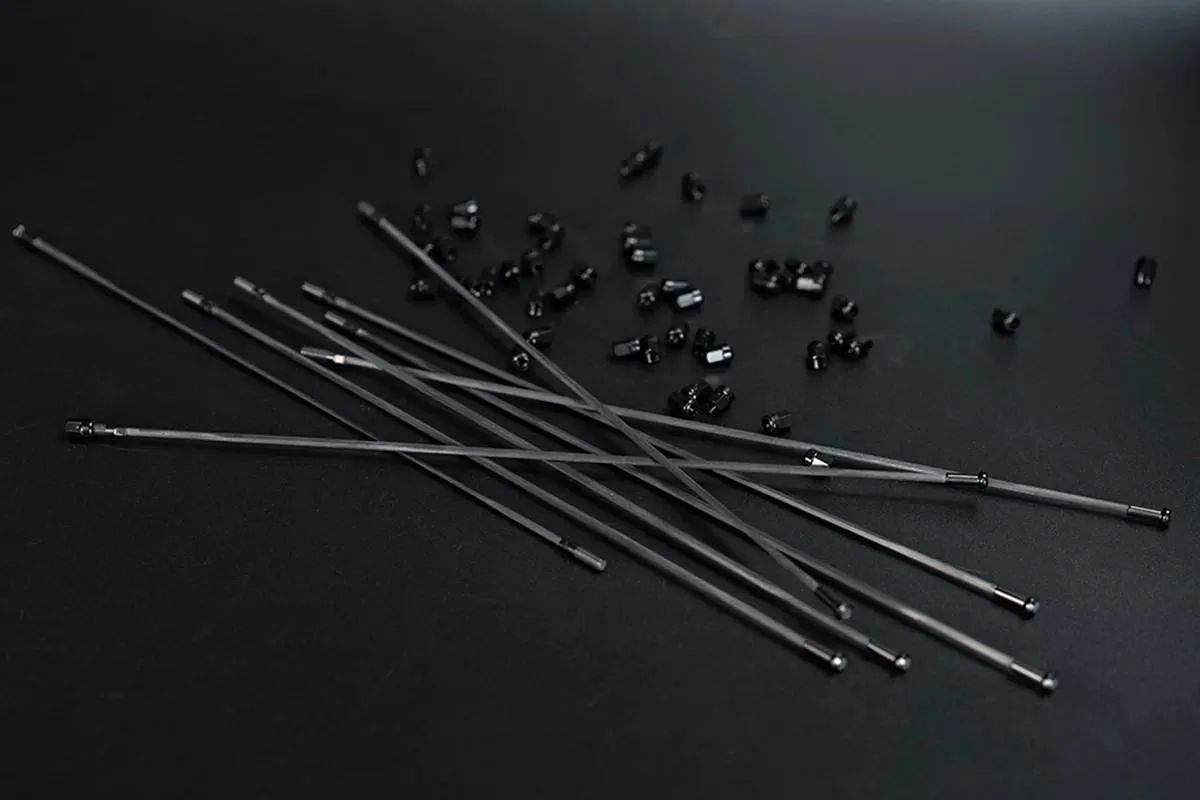
Even though they are small, they directly affect wheel alignment and long-term wheel stability.
Modern carbon road wheels and carbon gravel wheels usually use higher spoke tension than traditional alloy wheels, making nipple quality and tension balance even more important.
Materials of Spoke Nipples
Most bike spoke nipples are made from either brass or aluminum. Both materials are widely used in modern wheelsets, but they behave differently in terms of weight, corrosion resistance, and long-term maintenance.
Brass Nipples
Brass nipples are known for durability and corrosion resistance. They are commonly used on training bikes, gravel bikes, commuting wheels, and wheels exposed to wet conditions.
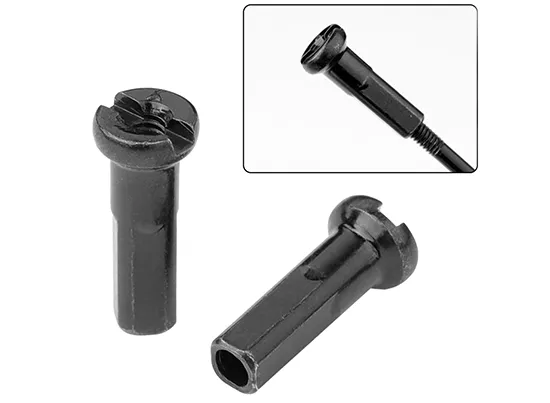
Brass is also less likely to seize over time, which makes wheel truing and spoke replacement easier after long-term use.
The tradeoff is weight. Brass nipples are heavier than aluminum nipples, which slightly increases the rotating wheel weight.
Aluminum Nipples
Aluminum nipples are mainly used on lightweight performance wheels where reducing rotational mass matters more. They are common on road racing wheels and some higher-end carbon wheels.
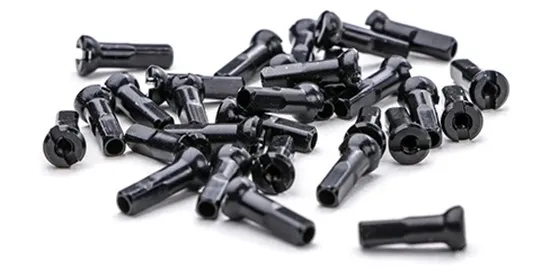
However, aluminum is softer than brass.
Over time, repeated spoke adjustments, poor lubrication, or wet riding conditions can increase the risk of rounding, corrosion, or seized nipples if maintenance is neglected.
Type of Nipple: Internal, External, and Blade Nipples
Different spoke nipple designs affect wheel maintenance, aerodynamics, and spoke access. Modern wheelsets use different nipple styles depending on riding purpose and wheel structure.
Internal Nipples
Internal nipples sit inside the rim and are hidden from the outside. They are common on aerodynamic carbon road wheels because they create a cleaner outer rim surface.
Pros
Cleaner wheel appearance.
Slight aerodynamic advantage.
Common on deep carbon rims.
Cons
Harder to access during wheel truing.
Tire or rim tape removal is often required.
Maintenance takes more time.
External Nipples
External nipples are the traditional design. The nipple head remains visible outside the rim, making spoke adjustment much easier during regular maintenance.
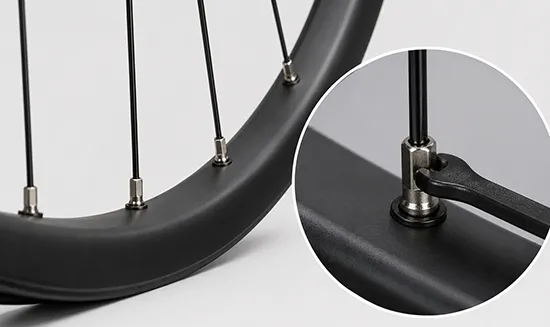
Pros
Easier wheel truing.
Faster spoke replacement.
More practical for daily maintenance.
Cons
Slightly less aerodynamic.
Exposed nipples collect dirt and moisture more easily.
Blade Nipples
Blade spoke systems are designed for wheels using bladed spokes instead of round spokes. These setups are common on some aerodynamic road wheelsets where reducing air resistance matters more.
Pros
Works well with aerodynamic spoke designs.
Helps stabilize bladed spoke alignment.
Common on performance wheelsets.
Cons
More sensitive during spoke adjustment.
Requires specific spoke tools in some cases.
Maintenance can be more complicated than standard spoke systems.
How Spoke Nipples Work
Spoke nipples control spoke tension between the hub and the rim. Each nipple threads onto the end of a spoke. Tightening or loosening the nipple changes spoke tension, which affects wheel alignment and wheel stability.
A tighter spoke pulls the rim toward that side, while a looser spoke reduces the pulling force.
This balance between all spokes is what keeps a wheel straight during riding. If spoke tension becomes uneven, the wheel may lose trueness or feel unstable under load.
Spoke nipples also help distribute riding forces across the wheel during pedaling, braking, and cornering. Proper tension adjustment helps the wheel stay more stable over time.
Spoke Nipple Sizes and Standards
Bike spoke nipples come in different lengths, thread types, and wrench sizes. The nipple must match both the spoke threading and the rim design correctly.
Most standard nipples use 14G spoke threads, while common nipple lengths include 12mm, 14mm, and 16mm. Deep carbon rims sometimes use longer nipples to improve tool access inside the rim.
Wrench size also matters.
Different nipples require different spoke wrench dimensions, especially softer aluminum nipples, where tight tolerances matter more during wheel truing.
Internal nipples may also require special tools that engage from inside the rim rather than from the outer nipple flats. Using the wrong tool can easily damage lightweight nipples during adjustment.
Why Spoke Nipples Matter More on Carbon Wheels
Spoke nipples become more important on carbon wheels because carbon rims usually operate under tighter tolerances and higher spoke tension than many traditional alloy wheels. Small tension changes can affect wheel balance more noticeably on deeper carbon rims.

Carbon Road Bike Wheels
Send Inquiry Now

Carbon MTB Bike Wheels
Send Inquiry Now

Carbon Wheels Gravel
Send Inquiry Now

Carbon Fiber BMX Wheels
Send Inquiry Now

Carbon Time Trial WheelsSend Inquiry Now

Carbon Road Bike Wheels
Send Inquiry Now
Carbon Rims Use Higher Spoke Tension
Many carbon road wheelsets use relatively high spoke tension to improve stiffness and wheel response. This places more load on the spoke nipple system, especially around deep-section rims where tension balance becomes more sensitive during wheel building.
Weight Distribution Matters More
Rotating weight matters more on lightweight carbon wheels. This is one reason some performance-focused carbon MTB wheels and road wheelsets use aluminum nipples to reduce overall wheel mass, even though maintenance requirements may increase slightly.
Access and Maintenance Challenges
Many aerodynamic carbon rims use internal nipples to maintain a cleaner rim surface. While this helps aerodynamic efficiency, spoke adjustment becomes more difficult during wheel truing because tire and rim tape removal may be required. This is common on modern carbon gravel wheels and deep carbon road wheels.
Spoke Nipple Maintenance and Care
Spoke nipples are exposed to water, dirt, road salt, and constant spoke tension changes during riding. Basic maintenance helps prevent seized nipples and uneven wheel tension later.
Cleaning and Lubrication
Keeping the nipple area clean helps reduce corrosion and dirt buildup, especially on gravel bikes or wheels used in wet conditions.
A small amount of spoke prep, anti-seize, or light lubricant on the threads can also help prevent nipples from freezing and make future wheel adjustments easier.
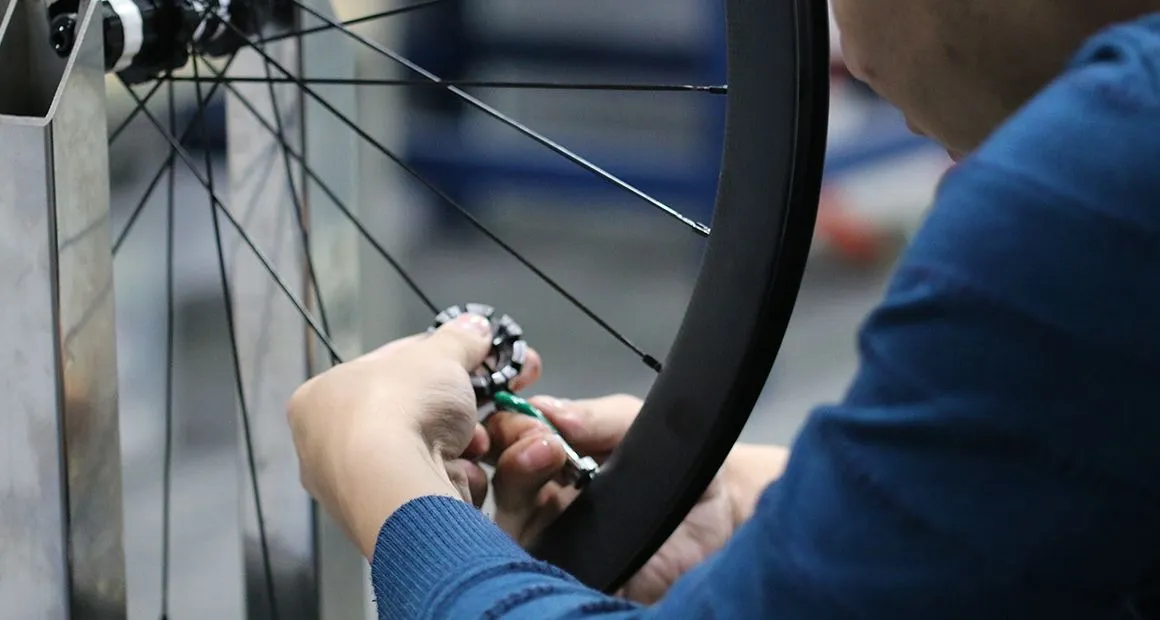
Inspecting for Damage
Regular inspection helps catch small issues early. Rounded nipple flats, corrosion, cracks, or nipples that no longer turn smoothly are common warning signs.
It is also useful to check spoke tension consistency during cleaning. If several spokes suddenly feel much looser than others, the wheel may need truing or further inspection.
Signs You Need to Replace Spoke Nipples
Spoke nipples wear out over time, especially on heavily used wheels or bikes ridden in wet conditions. Replacing damaged nipples early can help avoid bigger wheel problems later.
One common sign is nipples that no longer turn smoothly during wheel truing. Rounded nipple flats or slipping spoke wrenches also make adjustment difficult.
Corrosion is another warning sign. Severely corroded nipples can seize onto the spoke threads and become very hard to remove.
You should also check if:
The wheel repeatedly loses true.
Spoke tension feels uneven.
Nipples show visible cracks.
Internal nipples begin rattling inside the rim.
On older wheels, replacing all nipples during a rebuild is often more practical than replacing only a few damaged ones.
Common Problems with Spoke Nipples
Spoke nipples deal with constant tension changes, weather exposure, and repeated wheel adjustments. Over time, several common problems can affect wheel reliability and maintenance.
Corrosion
Corrosion is common on wheels exposed to rain, road salt, or long-term moisture. Aluminum nipples are usually more vulnerable than brass nipples. Corroded nipples may seize onto the spoke threads and become difficult to adjust.
Stripped Nipples
Nipple flats can round off during wheel truing if the wrong spoke wrench is used or the nipple is already worn. Soft aluminum nipples are more likely to strip after repeated adjustments.
Uneven Spoke Tension
Uneven spoke tension can cause wheels to lose true or feel unstable during riding. This often happens after poor wheel building, heavy impacts, or inconsistent spoke adjustment.

Seized Nipples
Some nipples stop turning completely because of corrosion, dirt buildup, or dried spoke compound inside the threads.
Cracking Around the Nipple Head
High spoke tension or repeated stress can sometimes create small cracks around the nipple head area, especially on lightweight performance nipples.
How to True a Wheel Using Spoke Nipples
Wheel truing works by making small spoke tension adjustments through the spoke nipples. If part of the rim moves slightly to one side, you tighten or loosen nearby nipples to bring the wheel back into alignment.
Small adjustments matter most.
Many mechanics only turn nipples in quarter-turn increments to avoid creating large tension differences across the wheel. Tightening one spoke often affects neighboring spokes as well, so wheel truing is usually done gradually rather than with large corrections at once.
It is also important to keep spoke tension balanced overall, not just make the wheel visually straight. Excessive tension in one area can create long-term wheel problems later.
Selecting the Right Spoke Nipples for Your Bike
The right spoke nipple depends on how and where you ride. Daily riding, racing, gravel use, and wet weather conditions all place different demands on the wheel system.
If you want lower maintenance and better corrosion resistance, brass nipples are usually the safer option for long-term use. If reducing wheel weight matters more, aluminum nipples are commonly used on lightweight performance wheels.
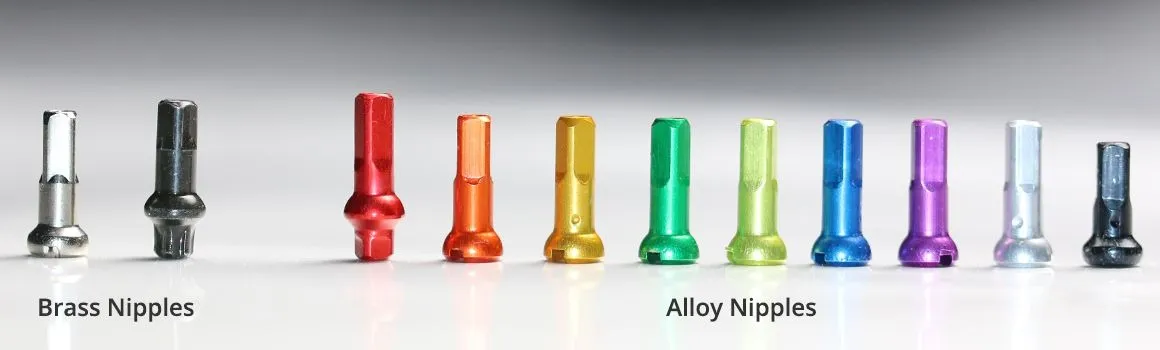
Nipple type also matters.
External nipples are easier to service and adjust, while internal nipples are more common on aerodynamic carbon wheels, where cleaner rim surfaces are preferred.
The goal is not simply choosing the lightest nipple, but choosing a setup that matches your riding style and maintenance expectations.
Conclusion
A wheel can have high-end rims and spokes, but poor spoke nipples will still create maintenance problems later. Seized nipples, uneven tension, and difficult wheel truing are common issues on neglected or poorly matched wheel systems.
That is why nipple material, nipple design, and spoke tension setup matter more than many riders expect, especially on carbon wheels where tolerances are tighter and spoke loads are often higher.
At Carbon World, we work with carbon wheel development for road, gravel, and MTB applications. In real wheel building, small details like nipple access, spoke tension balance, and long-term serviceability often affect wheel reliability just as much as the rim itself.
FAQ
Q: Can you mix brass and aluminum nipples on the same wheel?
A: Technically, yes, but most wheel builders prefer using the same material across the entire wheel for more consistent tension behavior.
Q: Are longer spoke nipples stronger?
A: Not necessarily. Longer nipples are usually chosen for easier tool access on deeper rims rather than added strength.
Q: Why are internal nipples popular on aero wheels?
A: They help keep the outer rim surface cleaner, which slightly improves aerodynamic efficiency on deep-section wheels.
Q: Can damaged nipples affect spoke life?
A: Yes. Poor nipple alignment or seized threads can create extra stress on the spoke itself over time.
Q: Do tubeless setups affect spoke nipple maintenance?
A: Yes. On wheels with internal nipples, tubeless tape often needs to be removed before spoke adjustments can be made.
Q: Do carbon MTB wheels use different nipple setups from road wheels?
A: Often yes. MTB wheels usually prioritize durability and impact resistance more, while road wheels may focus more on lower rotating weight and aerodynamics.