
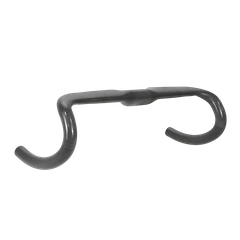
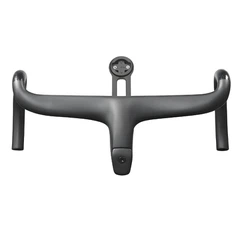
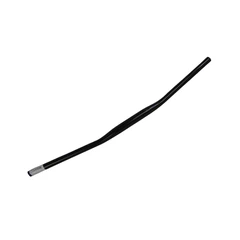
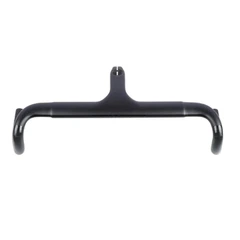
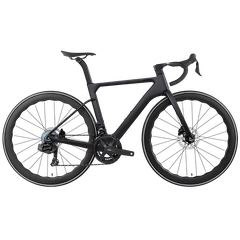
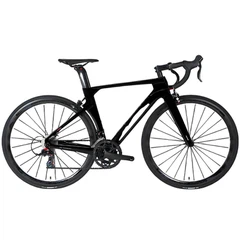
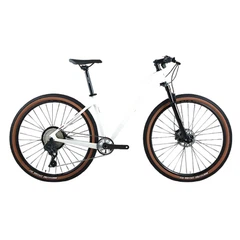
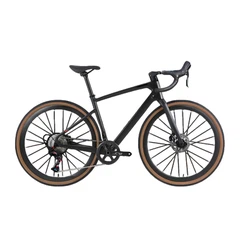



When choosing a handlebar, even small differences can significantly impact how your bike rides. A carbon handlebar feels lighter and smooths out vibrations, making longer rides more comfortable and easier on your arms and shoulders. On the other hand, an aluminium handlebar is tough, reliable, and easier on the wallet handle rough terrain reliably.
Understanding the performance characteristics of each material will help you choose the handlebars best suited to your riding style and needs. Whether you ride for speed, adventure, or daily commuting, knowing the advantages of each type of handlebar will make your choice easier.
What Is a Carbon Handlebar?
A carbon handlebar is built by layering carbon fiber sheets in specific directions, rather than bending a single metal tube. This process allows the handlebars to remain light while responding differently to stress, vibration, and steering input. On the road or trail, you usually feel less sharp feedback through your hands, especially on broken pavement or gravel.

Features / Benefits / Types
Features: Carbon handlebars are noticeably lighter than aluminium versions and can be shaped with flatter tops, deeper drops, or wider flare angles. The layered structure helps absorb high-frequency vibrations instead of passing them straight to your hands.
Benefits: With less vibration reaching your arms, you stay more relaxed on long rides. Steering feels more controlled, especially during fast descents or rough sections, and the bike responds smoothly without feeling dull.
Types: Road carbon handlebars focus on low weight and aerodynamic profiles. MTB carbon handlebars prioritize stiffness and precise steering control. Gravel carbon handlebars sit in between, offering extra comfort and stability for mixed surfaces.
What Is an Aluminium Handlebar?
An aluminium handlebar is typically made from a single piece of aluminium alloy tubing that is bent, shaped, and heat-treated. This manufacturing method keeps the structure simple and strong. When you ride, the handlebar feels direct and predictable, which many riders prefer for everyday use or rough conditions.

Features / Benefits / Types
Features: Aluminium handlebars offer solid stiffness, good impact resistance, and consistent strength across the entire bar. They are less sensitive to small knocks and scratches compared to carbon.
Benefits: You get a dependable feel on the bike, especially when riding over curbs, roots, or uneven trails. Aluminium handlebars are easy to install, easy to replace, and handle daily wear without much concern.
Types: Road aluminium handlebars are shaped for comfort and control, MTB aluminium handlebars are built wider and stronger, and gravel aluminium handlebars focus on durability for mixed-surface riding.
Carbon vs Aluminium Handlebar Comparison Table
Now that you understand the performance characteristics of carbon fiber and aluminum alloy handlebars on bicycles, we will compare them. A direct comparison makes it easier to see the differences between them.
|
Feature |
Carbon Handlebar |
Aluminium Handlebar |
|
Material |
Layered carbon fiber construction |
Aluminium alloy tubing |
|
Weight |
Lighter, which helps reduce the overall bike weight |
Heavier adds a bit more mass |
|
Ride feel |
Smoother, filters small road vibrations |
Firm and direct feedback |
|
Comfort on long rides |
Easier on hands and arms |
Can feel harsher over time |
|
Impact resistance |
Strong but sensitive to sharp impacts |
Handles knocks and drops better |
|
Durability over time |
Requires regular inspection |
Tolerates daily wear well |
|
Price range |
Higher cost |
More budget-friendly |
|
Best use cases |
Road racing, long-distance rides, and gravel |
Commuting, trail riding, general use |
|
Maintenance |
Needs careful installation and checks |
Simple to install and maintain |
Pros and Cons of Carbon Handlebars
Carbon handlebars are often chosen for their ride feel and weight savings, but they are not perfect for every rider. Understanding both sides helps you decide if they match how you ride.

Pros
Lower weight: makes the front end feel lighter and more responsive, especially during climbs and quick direction changes.
Better vibration control: reduces small road buzz, which helps your hands and arms stay relaxed on longer rides.
Design freedom: allows flatter tops, ergonomic bends, and aero shapes that improve comfort and hand positions.
You'll often notice a smoother ride, even on rough pavement or mixed surfaces.
Cons
Higher cost: carbon handlebars usually cost more than aluminium options.
Impact sensitivity: a hard crash or over-tightening can cause damage that isn't always visible.
Extra care needed: you need correct torque settings and regular checks to avoid problems over time.
For riders who value comfort and performance, carbon can feel rewarding, as long as you treat it with care.
Pros and Cons of Aluminium Handlebars
Aluminium handlebars are widely used because they are simple, reliable, and easy to live with. They may not feel as refined as carbon, but they offer practical advantages that suit many riders.

Pros
High durability: handles bumps, drops, and everyday riding without much worry.
Lower cost: makes it easier to replace or upgrade without stretching your budget.
Straightforward maintenance: small scratches or marks rarely affect safety or performance.
You can ride hard and focus on the trail or road, not the handlebars.
Cons
Heavier weight: adds a bit more mass to the front of the bike, which some riders notice on climbs.
Harsher feedback: transmits more vibration to your hands on rough surfaces.
Limited shaping options: fewer ergonomic or aerodynamic designs compared to carbon.
If you value toughness and simplicity, aluminium handlebars remain a dependable choice for many riding styles.
Best Riding Environment
Choosing the right handlebars depends a lot on where and how you ride. Each material has strengths that match certain environments better than others.
Carbon handlebars are ideal for smoother roads, long-distance rides, and competitive cycling. Their lightweight design and vibration absorption make them comfortable on extended rides. You'll feel less fatigue in your hands and arms, especially on asphalt or gravel with minor bumps. They are also great if you like a more aerodynamic position or race-style ergonomics.

Aluminium handlebars shine in rougher conditions and everyday use. They can handle bumps, roots, and small crashes without damage. They are reliable for mountain biking, commuting, or gravel trails where durability matters more than weight. You won't have to worry about minor dings or scratches affecting performance.
In short:
Pick carbon for speed, long rides, and comfort on smoother surfaces.
Pick aluminium for toughness, casual rides, or challenging terrain.
Price Comparison
When choosing between carbon and aluminium handlebars, price is a big factor.
Carbon handlebars usually cost more due to the material and manufacturing process. High-end road or MTB carbon bars can be an investment, but they offer weight savings and comfort that some riders find worth it.
Aluminium handlebars are more budget-friendly. You can find durable, reliable options at a fraction of the cost of carbon. This makes them a practical choice if you ride casually or want something that can take rough handling without worry.
In short: choose carbon if performance matters most, and aluminium if you want a solid handlebar without spending too much.
Handlebar Lifespan
The lifespan of your handlebars depends on their material and how you use them.
Carbon handlebars can last many years if handled carefully. Crashes, heavy impacts, or over-tightening can create small cracks that are not always visible, so regular inspections are important. With proper care, a carbon handlebar can give consistent performance for a long time.
Aluminium handlebars are generally more forgiving. They tolerate daily bumps, drops, and rough terrain with little risk of sudden failure. Even if scratched or slightly dented, they often remain safe to use for years.
Overall Value of Carbon and Aluminium Handlebars
When looking at overall value, it's important to weigh cost, performance, and longevity.
Carbon handlebars offer excellent performance for riders who prioritize weight savings, comfort, and precise handling. They are an investment, but for long rides or competitive cycling, the benefits can outweigh the higher price.
Aluminium handlebars provide dependable performance at a lower cost. They are durable, low-maintenance, and handle daily riding or rough trails without worry.
Choose carbon if you want high performance and reduced fatigue on longer rides.
Choose aluminium if you value durability, affordability, and consistent reliability.
How to Choose the Right Handlebars
Choosing the right handlebars depends on your riding style, terrain, and priorities. Think about what matters most to you: weight, comfort, durability, or cost. The right choice can improve your ride and make cycling more enjoyable.

If You Fit These Criteria, Choose Carbon Fiber Handlebars
You ride long distances or participate in competitive cycling.
You want a lighter bike for easier climbs and faster acceleration.
Comfort matters on rough roads or gravel surfaces.
You're willing to invest a bit more for performance and advanced design.
Carbon handlebars help reduce fatigue and improve handling. They offer ergonomic shapes and vibration damping, making long rides smoother and more efficient.
If You Fit These Criteria, Choose Aluminium Handlebars
You ride mostly for commuting, casual rides, or mountain biking.
Durability and reliability are more important than weight.
You prefer a lower-cost option that can handle rough treatment.
You want something simple to maintain and install.
Aluminium handlebars provide solid performance and are less sensitive to knocks or minor crashes. They are dependable and practical for everyday or rugged use.
By matching your riding habits and priorities with the right material, you can pick a handlebar that fits your bike and style perfectly.
Real Use Cases and Common Misconceptions
Seeing how handlebars perform in real rides can make your choice easier. Let's explore real scenarios and common myths.
Real Use Cases
Carbon handlebars: Road cyclists often report saving 150–300 grams per bike by switching to carbon. In long rides over 50 miles, riders notice 20–30% less hand and arm fatigue due to vibration damping. Gravel riders using carbon bars also report smoother control on mixed surfaces.
Aluminium handlebars: Mountain bikers and commuters value aluminium for its resilience. In a survey of casual MTB riders, over 70% preferred aluminium bars for daily riding because minor crashes or drops didn't affect performance. Many commuter bikes use aluminium to reduce replacement costs while maintaining reliability.
Common Misconceptions
"Carbon breaks too easily." Most failures come from crashes or incorrect torque, not the material itself.
"Aluminium is weak or outdated." Aluminium is still widely used because it handles abuse well, lasts for years, and is cost-effective.
These examples show how each material performs in practice, helping you match your choice to your riding style and environment.
FAQs
Q: Do carbon handlebars require special cleaning?
A: Not really. Use mild soap and water. Avoid harsh solvents or abrasive tools that could damage the finish or weaken the structure.
Q: Are there different handlebar widths for different riders?
A: Yes. Road handlebars often range from 38–44 cm, MTB handlebars from 680–800 mm. Choosing the right width improves comfort and handling.
Q: Will handlebar width affect control?
A: Yes. Wider handlebars give better stability on rough trails, while narrower bars are more efficient for road riding and quick maneuvers.
Q: Do carbon handlebars require more maintenance than aluminium?
A: Slightly. Carbon should be regularly inspected for cracks or stress marks, especially after a crash. Aluminium is more forgiving.
Q: Can I add personal branding or logos on handlebars?
A: Yes, both materials can be customized with decals or laser etching. Carbon may require careful placement to avoid affecting structural integrity, while aluminium is more forgiving.
Q: Is custom sizing worth it for long rides or racing?
A: Yes. A properly sized handlebar improves comfort, reduces fatigue, and enhances control. Custom carbon handlebars are especially useful for riders seeking performance gains or ergonomic improvements.
Conclusion
Selecting the right handlebars comes down to your riding style, terrain, and personal priorities. Carbon handlebars shine for riders seeking lightweight performance, vibration reduction, and ergonomic designs for long rides or racing. Aluminium handlebars are ideal for those who value durability, reliability, and a budget-friendly option that can handle daily use or rough trails.
At Carbon World, we offer a wide range of high-quality carbon handlebars, designed to meet diverse riding needs. Whether you're upgrading your road bike, mountain bike, or gravel setup, our products deliver comfort, performance, and style.
Explore our collection today and find the perfect handlebars to enhance your cycling experience. Upgrade your ride now with Carbon World!