
When it comes to picking between a fiberglass delivery box and a plastic one, the decision goes beyond just comparing prices. Each type plays a role in how easy your deliveries are, how well food stays protected, how the box performs outdoors, how simple it is to clean, and even how your brand is perceived on the road.
Fiberglass boxes are typically chosen for their durability, refined appearance, and flexibility in customization. On the other hand, plastic boxes are known for being lightweight and budget-friendly, making them a practical option for straightforward delivery tasks.
Key Takeaways
Fiberglass and plastic delivery boxes both work for food delivery, but they fit different needs. A fiberglass delivery box is usually better for a stronger structure, custom shape, painted finish, and branded motorcycle delivery projects.
A plastic delivery box is often better when you need a lighter box, lower cost, and simple daily use.
Focus on how the box will be used. A delivery box for short city trips, heavy daily orders, motorcycle mounting, or branded fleet use may need different materials and structure.
What Is a Fiberglass Delivery Box?
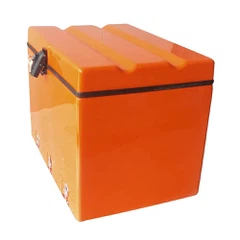
A fiberglass delivery box is a storage container made from fiberglass-reinforced plastic, also called FRP. It is often mounted on motorcycles, mopeds, or small delivery vehicles for food delivery, grocery delivery, and courier use.

Send Inquiry Now

Send Inquiry Now

Send Inquiry Now

Send Inquiry Now

Send Inquiry Now

Send Inquiry Now

Send Inquiry Now

Send Inquiry Now

Send Inquiry Now

Send Inquiry Now

Send Inquiry Now

Send Inquiry Now
The material provides the box with a firm structure while allowing for custom sizes, shapes, and surface finishes. Many designs also include insulation to help protect hot food, cold items, or other temperature-sensitive goods during transport.
What Is a Plastic Delivery Box?
A plastic delivery box is usually made from materials such as PP, PE, or ABS. It is used to carry food orders, groceries, parcels, and other daily delivery items. Some plastic boxes are mounted on motorcycles or small delivery vehicles. Others are used as lockable parcel boxes at homes or as stackable crates for couriers.
Plastic delivery boxes are often chosen because they are lightweight, easy to produce, and usually lower-cost. However, quality can vary. Wall thickness, plastic grade, lid design, insulation layer, and mounting structure all affect daily use.

Fiberglass vs Plastic Delivery Box
| Comparison Point | Fiberglass Delivery Box | Plastic Delivery Box |
|---|---|---|
| Best For | Branded motorcycle delivery, food delivery fleets, and custom OEM projects. | Short-distance delivery, parcel storage, and simple courier use. |
| Main Advantage | Stronger structure and better custom appearance. | Lower cost and lighter daily handling. |
| Daily Use | Suitable for frequent loading, outdoor use, and fixed motorcycle mounting. | Suitable for lighter goods, lower delivery frequency, and standard use. |
| Insulation Design | Easier to add thicker walls, inner lining, and sealing structures for better insulation performance. | Provides basic insulation options, but performance depends more on the box design. |
| Brand Appearance | Supports painted finishes, custom colors, logos, and smoother surface designs. | Usually has a simple molded appearance with fewer finish and customization options. |
| Cost Level | Higher initial investment, especially for custom sizes, designs, or surface finishes. | Usually more affordable, especially for standard ready-made models. |
| Main Limitation | Heavier and more expensive compared with most plastic boxes. | May offer lower structural strength and fewer customization options. |
| Choose It If | You need a durable, professional-looking delivery box for regular motorcycle delivery operations. | You need a lightweight, budget-friendly box for simple delivery tasks or storage use. |
Durability and Impact Resistance
Durability is important for a delivery box used daily. It needs to handle frequent loading and unloading, road vibrations, minor impacts, and repeated opening and closing.

Impact Resistance in Daily Delivery
A fiberglass delivery box usually has better rigidity than a basic plastic delivery box. This can help when the box is fixed on a motorcycle and carries regular food delivery orders.
Plastic boxes can still work well, but their impact resistance depends on plastic grade, wall thickness, and molded structure.
Long-Term Use and Structural Stability
For long-term use, the box should keep its shape around the lid, hinges, mounting points, and corners. Fiberglass is often better for custom boxes that need a stronger body.
Plastic may be enough for lighter use or lower delivery frequency.
Weight and Daily Handling
Weight affects how easy the delivery box is to install, remove, clean, and carry. Plastic delivery boxes are usually lighter, which can be helpful for short trips, small orders, or couriers who move the box often.
A fiberglass delivery box is often heavier because of its stronger body and added structure. This may not be a problem if the box stays fixed on a motorcycle or delivery vehicle.
A lighter box can reduce pressure on the rear rack and make handling easier in stop-and-go delivery. A heavier box may feel more stable when it is mounted well, but it can add load to the vehicle over time.
Insulation and Food Delivery Performance
For food delivery, insulation matters more than the outer material. Both fiberglass and plastic boxes can perform well with good design.
Heat Retention Depends on Box Structure
Heat retention depends on wall thickness, insulation foam, internal space, and how often the box is opened.
A fiberglass food delivery box is easier to build with a thicker insulated body and custom inner structure.
Plastic delivery boxes can also be insulated, but many standard models use simpler walls and basic lining.

Sealing and Inner Lining Matter
The lid, door gap, sealing strip, and inner lining affect food delivery performance. Poor sealing allows heat to escape faster, especially during long routes or cold weather.
A smooth inner lining also helps with cleaning after spills, sauces, and daily use.
Weather Resistance and Outdoor Use
A delivery box often stays outdoors for many hours. It may face rain, sunlight, dust, and temperature changes during daily routes.
Fiberglass delivery boxes usually handle outdoor use well when the surface coating is properly finished. Plastic delivery boxes can also resist water, but long sun exposure may cause fading, brittleness, or surface aging in lower-grade materials.
If the box is used on a motorcycle every day, weather resistance should not be ignored.
Customization Options for OEM Delivery Box Projects
For OEM delivery box projects, customization should focus on real use, not only appearance. A custom fiberglass delivery box is often easier to adjust than a standard plastic model.

Size, Shape, and Mounting Design
You can adjust the box size, capacity, door opening, base structure, and mounting points. These details affect how the box fits motorcycles, mopeds, or delivery vehicles.
Color, Logo, and Surface Finish
Fiberglass boxes can support painted colors, logo placement, matte finish, or glossy finish. This is useful when you need a consistent look for a delivery fleet.
Inner Lining and Hardware Options
The inner lining, hinges, locks, handles, sealing strips, and metal fittings should match daily use and cleaning needs.
What Buyers Should Prepare
You should prepare box size, loading needs, mounting method, logo file, color request, insulation needs, and order quantity before starting the project.
Cost Difference Between Fiberglass and Plastic Delivery Boxes
Plastic delivery boxes usually have a lower unit cost because many models use standard molds and fixed sizes. The production process is faster, and the surface often needs less finishing work. For large orders of simple delivery boxes, this can keep the price easier to control.
Fiberglass delivery boxes usually cost more because the process is different. Custom size, thicker structure, painted surface, logo position, insulation layer, inner lining, locks, hinges, and mounting parts can all add cost.
Mold cost is another factor. A standard plastic delivery box may not need a new mold, while a custom fiberglass delivery box often needs more setup work before production. The final price also depends on order quantity, box size, surface finish, and hardware quality.
Which Delivery Box Is Better for Your Business?
There is no single best delivery box for every business. The better choice depends on how often you deliver, what you carry, and how the box is used on the road.
Choose Fiberglass If You Need a Custom Structure and Branding

Choose a fiberglass delivery box if you need a stronger body, custom size, fixed motorcycle mounting, painted finish, or clear brand display. It is more suitable for food delivery fleets, restaurant delivery, and OEM delivery box projects that need a specific look or structure.
Fiberglass also makes sense when the box will be used outdoors every day and needs more design flexibility.
Choose Plastic If You Need Lower Cost and Simple Use

Choose a plastic delivery box if your main needs are lower cost, lighter handling, and standard size. It works better for short-distance delivery, parcel storage, grocery delivery, or simple courier use.
For basic daily tasks, plastic can be enough.
Conclusion
A delivery box is not just an outer container. Its real value comes from how well the structure, insulation, lid, lining, hardware, and mounting parts work together during daily delivery.
For food delivery and motorcycle delivery, small design details can affect cleaning, loading, temperature control, and long-term use. That is why the box should be reviewed as a complete product, not only as fiberglass or plastic.
Carbon World works on custom fiberglass delivery box projects, including box structure, surface finish, logo position, inner lining, and mounting details. For a new project, clear drawings or basic size requirements can help move the design forward.
FAQ
Q: Are fiberglass delivery boxes easy to clean?
A: Yes, if the inner surface is smooth and the corners are not too deep. For food delivery, it is better to choose a box with a washable inner lining and a simple corner design.
Q: Can a delivery box be used for both hot and cold items?
A: Yes, but not at the same time unless the box has separate compartments. Hot food and cold drinks should be separated to reduce temperature loss and food quality issues.
Q: Can a delivery box be installed on different motorcycle models?
A: Yes, but the mounting base must match the rear rack or frame structure. For custom projects, it is better to confirm the rack size, hole position, and load range before production.
Q: Can the delivery box be used for rainy-day delivery?
A: Yes, but the lid gap, sealing strip, hinges, and lock area should be designed carefully. These areas are usually where water enters first.
Q: Does the delivery box need reflective stickers?
A: Reflective stickers can improve visibility at night or in low-light delivery conditions. They are often added to the rear or side areas of motorcycle delivery boxes.
Q: Is a top-opening or side-opening delivery box better?
A: It depends on how the courier loads and removes orders. A top-opening box is simple and space-saving. A side-opening or rear-opening box may be easier when the box is large or mounted high.
Q: Can the delivery box be customized for the brand color?
A: Yes. Fiberglass delivery boxes can be painted in custom colors and matched with logos or decals. This is useful for restaurant chains, delivery fleets, and branded food delivery services.