

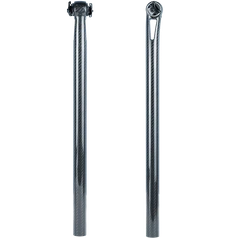
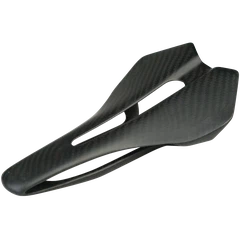




When you choose a bike saddle, you may look at the shape, width, padding, or total weight first. But the saddle rails also deserve attention. They sit under the saddle, and they affect how the saddle feels as part of your bike setup.
Carbon saddle rails and titanium saddle rails are both common on higher-end bike saddles. They are not made for the same kind of rider, though. One may suit a lightweight build, while the other may feel more practical for regular use.
That is why this comparison matters before you choose your next saddle.
Key Takeaways
Carbon saddle rails and titanium saddle rails are both used on performance bike saddles, but they are not chosen for the same reason. When you compare them, do not look at rail material alone.
A good choice depends on how the saddle matches your bike, how you ride, and what kind of setup you want to build. Weight matters, but so do fit, comfort, adjustment needs, and long-term use. For many riders, the better saddle rail is not the most expensive one. It is the one that works well with the whole bike.
What Are Carbon Saddle Rails?
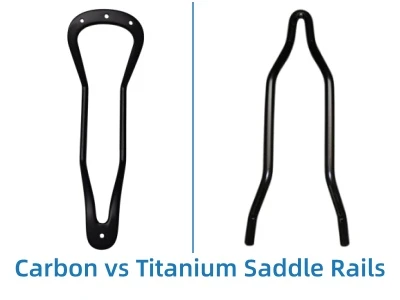
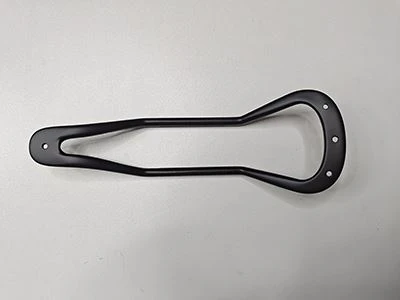
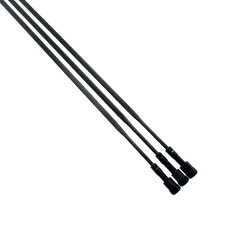
A carbon fiber saddle rail refers to a pair of support rails located beneath the saddle shell. These rails sit between the saddle shell and the seatpost clamp, helping secure the saddle during riding.
Most chromoly and titanium saddle rails have a round profile and usually fit standard 7×7 mm seatpost clamps. In comparison, carbon fiber saddle rails are usually oval-shaped, such as 7×9 mm. This material helps reduce weight while maintaining structural strength, and the oval shape is designed to provide better vertical support and reduce unnecessary flex.

Carbon Saddle Rails
Send Inquiry Now
What Are Titanium Saddle Rails?
Titanium saddle rails are the two metal rails under a bike saddle. They connect the saddle to the seatpost clamp and help support your riding position.
They are made from titanium alloy, a material often used when you want lower weight than steel without moving to carbon. You may see titanium rails on road, gravel, and endurance saddles. Some riders choose them because they can offer a calmer ride feel without relying only on thick padding.

Carbon vs Titanium Saddle Rails: Main Differences
| Point | Carbon Saddle Rails | Titanium Saddle Rails |
|---|---|---|
| Material | Carbon fiber composite | Titanium alloy |
| Common Saddle Type | Lightweight road, gravel, and performance saddles | Road, gravel, endurance, and daily performance saddles |
| Weight Focus | More weight-focused | Light, but often more balanced for daily use |
| Rail Shape | Often oval | Often round |
| Clamp Match | May need a carbon rail-compatible clamp | Often works with many standard clamps |
| Adjustment Feel | Needs more careful positioning | Usually easier to adjust |
| Ride Character | Firm and direct in many saddle designs | Often a little calmer under regular riding |
| Buyer Priority | Lower weight and a performance-focused build | Fit tolerance and everyday use |
Weight, Fit, and Ride Feel
Before comparing comfort and handling, it is important to first look at the weight differences between the two materials.
Weight Difference
If you care about saddle weight, carbon saddle rails usually have the advantage. They are often used when you want to reduce weight from small bike parts. Titanium saddle rails are also light, but they are not always made for the lowest possible weight.

Fit and Adjustment Feel
You may feel the difference when setting up the saddle. Carbon rails often need more careful positioning because the rail shape and clamp contact must match well. Titanium rails usually feel easier to adjust, especially if you change saddle position more often.
Ride Feel Is Not Only About Rails
Rail material can affect ride feel, but it is only one part. Saddle shell shape, padding, seatpost design, tire pressure, and your bike fit all matter. So you should not judge comfort by carbon or titanium rails alone.
Clamp Compatibility Matters
A saddle rail must fit the seatpost clamp correctly. If the clamp does not match the rail shape, the saddle may not sit flat, even if the saddle itself is well made.
Carbon Rails Need the Right Clamp
Carbon saddle rails often need a clamp that supports their rail shape. Before you use this type of saddle, check your seatpost clamp design. The clamp should hold the rails evenly, not press on one narrow edge.
Titanium Rails Often Fit Standard Clamps
Titanium saddle rails often work with many standard seatpost clamps. This can make them easier to match with common road, gravel, and endurance bike setups. Still, you should check the rail size before buying, because not every saddle or seatpost uses the same standard.
Durability and Daily Use
Both carbon and titanium saddle rails work well for everyday riding. The real difference is not about strength alone, but how each material behaves under daily use, repeated adjustments, impacts, and less careful handling.

Carbon Rails Need Careful Handling
Carbon rails are built to be light and stiff, but they don't like rough treatment. It's best to avoid dropping the saddle, clamping it with tools, or letting it knock against hard objects during transport.
After a crash, a hard hit, or any unusual movement of the saddle, take a moment to inspect the rails before riding again. Pay attention to deep scratches, cracks, crushed areas, or any change in alignment. Light surface marks are often harmless, but anything that feels loose or looks uneven should be checked more carefully.
Carbon rails also don't tolerate long-term pressure in the wrong spot very well. That's why it helps to store the bike properly, make adjustments carefully, and give the saddle a quick check from time to time.
Titanium Rails Are More Tolerant
Titanium rails are generally more forgiving in day-to-day use. They handle frequent saddle adjustments, small vibrations, and regular riding without requiring as much caution as carbon.
That said, they are not indestructible. It's still worth checking them after a fall, if the saddle starts to sit crooked, or if you notice any new noise from the saddle area. Signs like bending, loosened joints, deep scratches, or uneven positioning shouldn't be ignored.
For riders who often fine-tune saddle position or switch the same saddle between bikes, titanium rails usually feel more relaxed to live with. They still benefit from basic care, but they are less sensitive to everyday handling mistakes.
Which Saddle Rail Is Better for You?
There is no single better choice for every rider. The right saddle rail depends on what you expect from the saddle and how you use your bike.
Choose Carbon Saddle Rails If

Choose carbon saddle rails if you care about reducing saddle weight and want a cleaner performance build. They make more sense on a lightweight road bike, gravel bike, or race-focused setup where every small part matters.
They also suit you better if your seatpost already works with carbon rails and you do not adjust your saddle very often. For careful riders who want a light setup, carbon saddle rails can be a good match.
Choose Titanium Saddle Rails If

Choose titanium saddle rails if you want a saddle that feels easier to use every day. They are a practical choice for long rides, mixed road conditions, and riders who change saddle position more often.
Titanium rails may also suit you if you want a balance between low weight, comfort, and easier setup. For many riders, that balance matters more than saving a few extra grams.
What to Check Before Buying
Before you buy a saddle with carbon or titanium rails, check the details that affect fit and daily use. A good saddle choice is not only about material.
You should confirm:
Rail material
Rail size and shape
Seatpost clamp compatibility
Saddle width and profile
Rider weight limit
Suggested torque value
Riding use, such as road, gravel, or endurance
Padding level and saddle shell design
Budget
Warranty or product support
If you are buying for a bike brand or OEM project, also check logo needs, finish options, packaging, sample availability, and order quantity. These details can affect production more than the rail material itself.
Conclusion
Carbon saddle rails and titanium saddle rails both have their place. Carbon rails are often chosen for lighter bike builds, while titanium rails are often easier to live with for regular riding and adjustment.
For you, the right choice should come from the full bike setup, not the rail material alone. Check how the saddle fits your seatpost, how you ride, and what balance you want between weight, comfort, and daily use.
For carbon fiber saddle rails and related carbon bike components, you can view Carbon World's carbon fiber options.
FAQ
Q: Do saddle rails affect saddle height?
A: Yes, they can. Different rail shapes and saddle designs may change how high the saddle sits on your seatpost, even if the saddle height setting looks the same.
Q: Are carbon or titanium rails better for bikepacking?
A: Titanium rails are often easier to live with for bikepacking because the bike may carry more load and face rough handling. But you should still check the saddle's weight limit and use case.
Q: Are titanium saddle rails worth the extra cost over steel rails?
A: They can be worth it if you want lower weight and a more refined ride than many steel rail saddles. For basic riding, steel rails may still be enough.
Q: Can saddle rails be purchased as a separate component?
A: Yes, in some OEM or replacement projects, saddle rails can be discussed as a separate component. You should provide the rail material, size, shape, drawing, and matching saddle structure before production.
Q: Do carbon and titanium saddle rails use the same shape?
A: Not always. Carbon saddle rails are often made with a different profile from many titanium rails. You should confirm the rail shape before matching it with a saddle shell or clamp.
Q: Are saddle rail drawings needed before production?
A: For custom saddle rails, drawings are strongly helpful. They show the bend shape, rail length, size, contact points, and tolerance requirements.