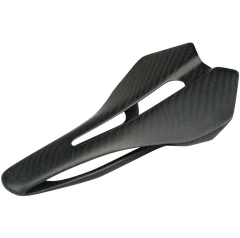



When you choose a carbon fiber saddle, you may first notice the shape, weight, or surface finish. But the saddle rail also deserves attention. It is the part that connects the saddle to your seatpost and helps support your riding position.
A carbon fiber saddle rail is small, but it affects fit, installation, and long-term use. If the rail shape, clamp, or tightening method is wrong, even a good saddle can feel unsafe or poorly fitted. It is useful to know what this part does before buying or installing a carbon bike saddle.
Key Takeaways
Before picking a carbon fiber saddle, don't just focus on shape. Rail material, thickness, clamp design, and installation method are critical factors that often matter more than expected. Carbon rails are significantly lighter than metal, but they require a correctly matched seatpost clamp and careful torque control during tightening.
What Is a Carbon Fiber Saddle Rail?
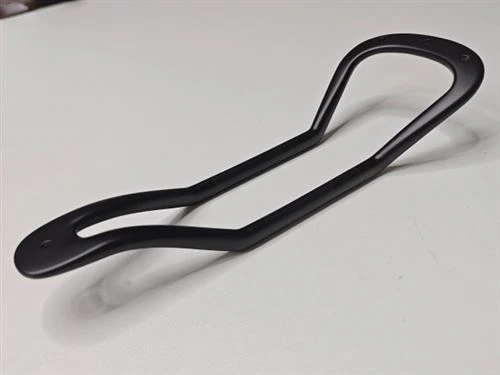
A carbon fiber saddle rail refers to a pair of support rails located beneath the saddle shell. These rails sit between the saddle shell and the seatpost clamp, helping secure the saddle during riding.
Most chromoly and titanium saddle rails have a round profile and usually fit standard 7×7 mm seatpost clamps. In comparison, carbon fiber saddle rails are usually oval-shaped, such as 7×9 mm. This material helps reduce weight while maintaining structural strength, and the oval shape is designed to provide better vertical support and reduce unnecessary flex.

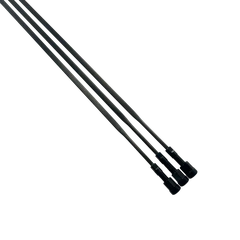
Carbon Saddle Rails
Send Inquiry Now
What Does the Saddle Rail Do?
The saddle rail is the part that lets your saddle connect to the seatpost. Without it, the saddle cannot be fixed in the right position on the bike. It also helps you adjust how the saddle sits. You can move the saddle slightly forward or backward along the rails, and you can adjust the saddle angle through the seatpost clamp. These small changes affect how your hips, legs, and upper body feel while riding.
The saddle rail also carries load from the saddle shell to the seatpost. That is why the rail must sit correctly in the clamp and stay secure during use.
Why 7×9 mm Carbon Saddle Rails Matter
The rail size matters because it affects how your saddle fits into the seatpost clamp. Many metal saddle rails are round and close to 7×7 mm, while many carbon saddle rails use a taller 7×9 mm shape.
Oval Rail Shape
A 7×9 mm carbon saddle rail is usually oval, not round. The taller shape gives the rail a different contact area inside the clamp, so it should not be treated like a standard round rail.

Seatpost Clamp Compatibility
Before using this type of saddle, you need to check whether your seatpost clamp supports 7×9 mm carbon rails. If the clamp is made only for round rails, the saddle may not sit correctly.
Carbon Fiber vs Titanium Saddle Rails
| Point | Carbon Fiber Saddle Rails | Titanium Saddle Rails |
|---|---|---|
| Material | Carbon fiber composite | Titanium alloy |
| Common Shape | Usually oval, often 7×9 mm | Usually round, often 7×7 mm |
| Weight | Lighter in many saddle designs | Light, but usually heavier than carbon rails |
| Clamp Fit | Needs a compatible clamp for oval rails | Fits many standard seatpost clamps |
| Ride Feel | Firm support with some vibration control from the saddle structure | Slightly more flexible and forgiving |
| Installation | Needs careful clamping and correct torque | Usually easier to install and adjust |
| Common Use | Lightweight road, gravel, and performance saddles |
Road, gravel, endurance, and high-end daily saddles |
Carbon fiber saddle rails are often chosen when weight and a clean performance build matter more. Titanium rails are still a practical choice if you want easier clamp compatibility and a little more tolerance during adjustment.
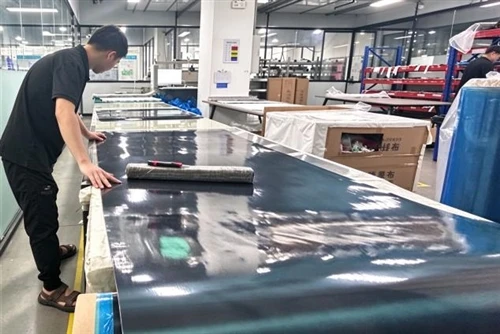
Painting and Putty Process for Carbon Saddle Rails
Painting a carbon saddle rail is not only about adding color. Before painting, the surface often needs small corrections so the final finish looks clean.

What Putty Means in Painting
Putty is a thin filling material used during surface preparation. In carbon saddle rail painting, it may be applied to small pinholes, tiny uneven areas, or light molding marks on the surface. After it dries, the area is sanded smooth before primer or paint is added.
Why Putty Is Used Before Painting
You use putty to make the surface more even. This helps the primer, paint, and clear coat sit more smoothly on the rail or saddle surface. It is mainly a finishing step, especially for products that need a clean painted look.
What Putty Does Not Do
Putty does not make the carbon fiber saddle rail stronger. It is not used to repair cracks, broken rails, or structural damage. If a carbon rail is damaged, it should not be treated as a simple painting problem.
Benefits of Carbon Fiber Saddle Rails
Carbon fiber saddle rails are used when you want a lighter saddle structure without changing the basic role of the rail. The benefit is practical, not just visual.
Lower Saddle Weight
Carbon fiber rails can help reduce the total weight of the saddle. This matters more on road bikes, gravel bikes, and lightweight builds where several small parts add up.

Better Vertical Support
The shape and material of carbon fiber rails help support the saddle under riding load. This can reduce unwanted flex and make the saddle feel more controlled during normal riding.
Clean Performance Build
If you are building a carbon fiber bike, carbon rails can match the rest of the setup well. They are often used with carbon saddle shells, carbon seatposts, and other lightweight bike components.
Stable Support When Properly Installed
Carbon rails need the correct clamp and even pressure. When installed properly, they can stay secure and support the saddle well during regular road or gravel riding.
Installation Notes for 7×9 mm Carbon Saddle Rails
Installing 7×9 mm carbon saddle rails needs more care than installing standard round metal rails. The goal is to keep the rail secure without creating pressure damage.
Use a Compatible Seatpost Clamp
Use a seatpost clamp made for oval carbon rails. The clamp should hold the rail evenly, not press into one small point. Before tightening, make sure the rails sit flat in the clamp and stay within the marked clamping area.
Avoid Over-Tightening
Do not tighten the bolts by feel only. Use the torque value recommended by the saddle or seatpost supplier. Too much force can leave pressure marks or damage the carbon rail. After the first ride, check whether the saddle has moved or the clamp area shows marks.
What to Check Before Buying a Carbon Rail Saddle
Before you buy carbon saddle rails, check whether it fits your bike and riding use. Small details can affect installation and comfort.
You should confirm:
Rail size, such as 7×9 mm
Rail material
Seatpost clamp compatibility
Saddle width and shape
Rider weight limit
Suggested torque value
Surface finish
Road, gravel, or other riding use
If you are buying for a bike build or OEM project, also check logo, color, packaging, and order quantity requirements before production.
Conclusion
A carbon fiber saddle rail is a small part, but it affects how your saddle fits, supports, and holds position on the bike.
Before choosing one, you should check the rail size, seatpost clamp fit, saddle shape, torque requirement, and surface finish. For 7×9 mm carbon saddle rails, correct matching and careful installation are especially important.
If you need a carbon fiber saddle with carbon rails, custom surface finish, or OEM saddle support, you can view Carbon World's carbon fiber saddle options.
FAQ
Q: What does 7×9 mm mean on a carbon saddle rail?
A: It refers to the rail size. The rail is usually taller than a standard round 7×7 mm metal rail, so the seatpost clamp must support this shape.
Q: Can a carbon fiber saddle rail fit any bike saddle clamp?
A: No. You need to check the rail size and clamp shape. A clamp made only for round metal rails may not fit oval carbon rails correctly.
Q: What should buyers confirm before ordering carbon fiber saddles?
A: You should confirm rail size, saddle width, clamp compatibility, rider weight limit, surface finish, logo needs, and order quantity before production.
Q: Will carbon fiber saddle rails make the saddle feel harder?
A: Not always. The ride feel also depends on the saddle shell, padding, tire pressure, bike frame, and your riding position.
Q: When should you replace a carbon rail saddle?
A: Replace it if you find cracks, crushed rail areas, loose bonding, or movement that cannot be fixed by normal adjustment.
Q: Can you travel with a carbon rail saddle?
A: Yes, but avoid placing heavy bags or tools directly on the saddle rails. Hard side pressure can damage the rail area.
Q: Can carbon saddle rails make noise while riding?
A: They can if the clamp is dirty, dry, or not seated evenly. A small creak does not always mean the rail is damaged, but it should be checked.