Introduction
Carbon fiber bicycle parts promise lighter weight, superior performance, and a smoother riding experience, but not all carbon fiber upgrades deliver the same value. Many riders invest in carbon fiber components expecting immediate results, only to find the improvements are not as significant as anticipated. In this guide, we'll detail the carbon fiber bicycle parts that truly deliver noticeable improvements, helping you make smarter upgrade choices, avoid unnecessary expenses, and build a bicycle that truly meets your riding goals.
Why Riders Choose Carbon Bike Parts
Cyclists choose carbon fiber bicycle components because they offer superior performance in the most critical aspects without adding unnecessary weight. Carbon fiber is extremely strong yet very lightweight, allowing for faster acceleration and easier climbing. The material provides sufficient rigidity where power transfer is needed and greater flexibility where comfort is required. Another important reason is the riding experience. Carbon fiber helps absorb road vibrations, reducing fatigue in the hands and body during long rides. Furthermore, carbon fiber components often have a more integrated and aerodynamic design.
Carbon Wheels
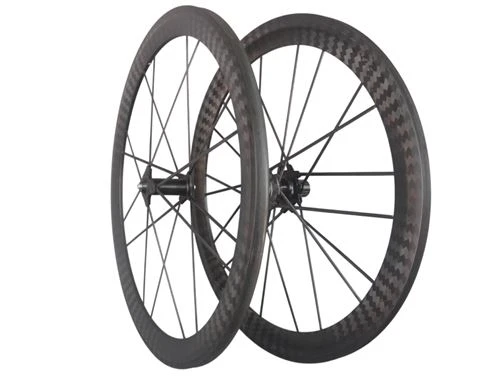
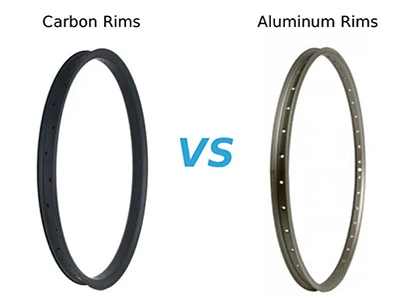
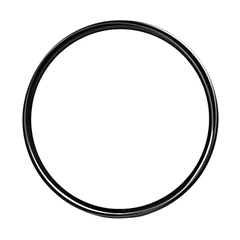
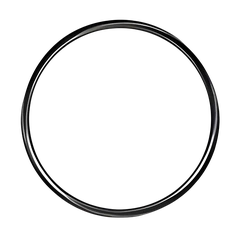
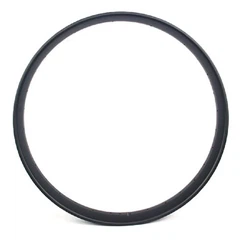
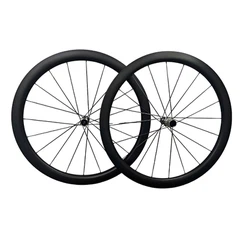
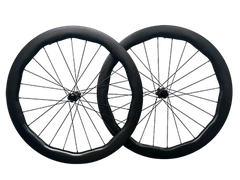
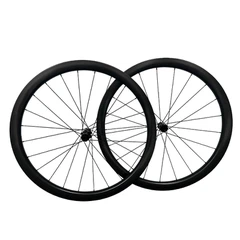
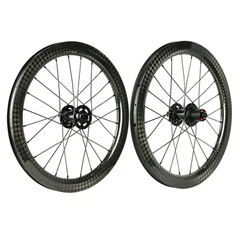
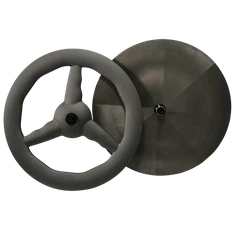
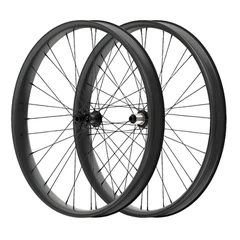
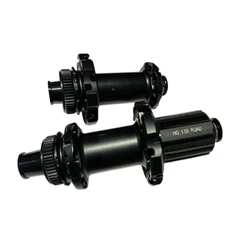
Carbon fiber wheels are often one of the upgrades where riders can feel the difference most easily, delivering clear improvements in acceleration, climbing, and overall responsiveness. Because wheels are rotating components, reducing rotational mass at the rim allows the bike to spin up faster and maintain speed with less effort, offering greater efficiency than traditional aluminum wheelsets. At the same time, carbon fiber wheels make it easier to achieve more aerodynamic rim shapes, improving airflow at higher speeds and making them especially suitable for road and endurance riding. Modern carbon wheel designs can precisely balance stiffness and comfort, resulting in more direct power transfer and a cleaner ride feel without becoming harsh. It should be noted, however, that the braking performance of standard carbon wheelsets is typically not as strong as that of aluminum wheelsets, so riders using these components should be more cautious with speed control and prioritize safe riding.

Carbon Frames
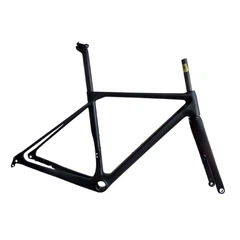
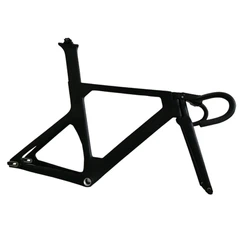
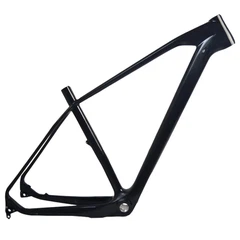
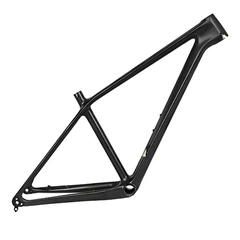
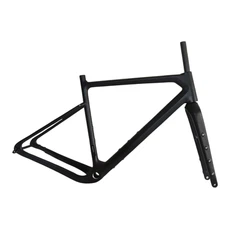
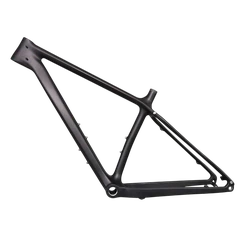
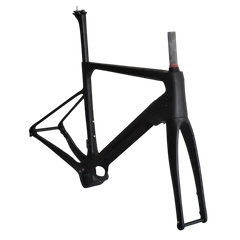
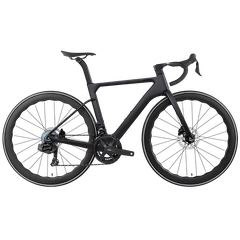
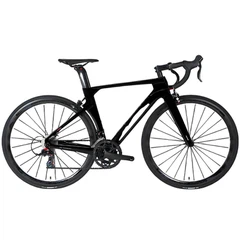
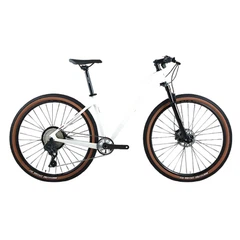
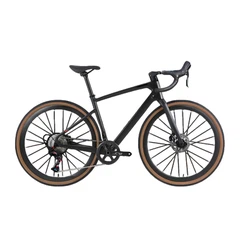
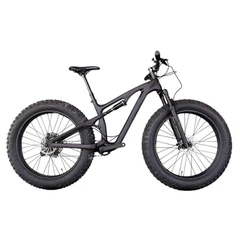
Carbon frames are the core of high-performance bicycles, defining how a bike feels, responds, and performs on both road and off-road terrain. Compared with aluminum or steel, carbon fiber allows engineers to precisely tune stiffness and compliance in different areas of the frame, achieving a balance between efficiency and comfort that metal materials struggle to match. At the same time, carbon frames deliver impressive strength with low weight, helping riders climb more efficiently and maintain speed with less effort. Beyond pure performance, carbon fiber frames also offer excellent vibration damping, reducing fatigue during long rides.

Carbon Forks
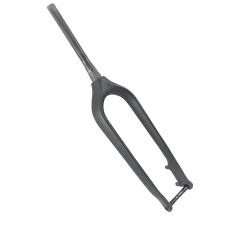
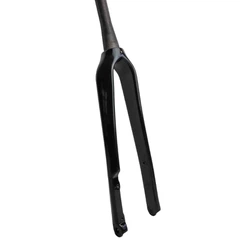
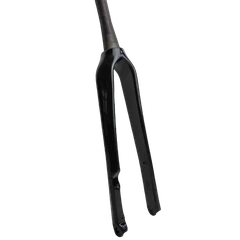
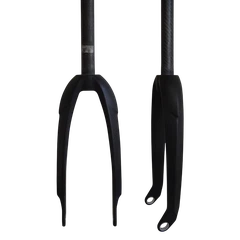
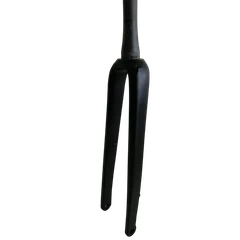
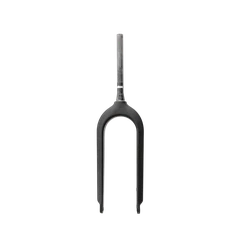
Carbon forks are often an underrated upgrade, yet they play a crucial role in a bike's ride feel and handling performance. By reducing weight at the front end, a carbon fork improves steering precision and makes the bike feel more responsive during climbing and cornering. Compared with aluminum or steel forks, carbon fiber forks are also more effective at filtering road vibrations, which can significantly reduce hand and shoulder fatigue on long rides. In addition, carbon fiber offers fatigue resistance that many metals cannot match, and common fatigue tests show that carbon bike forks can withstand hundreds of thousands of load cycles.

Carbon Handlebars
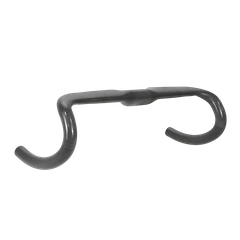
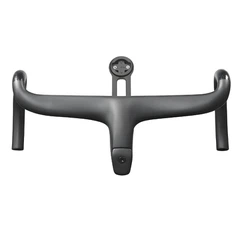
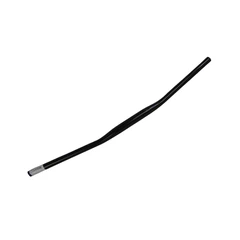
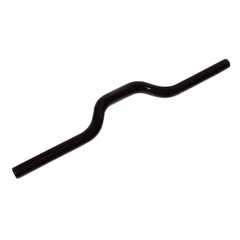
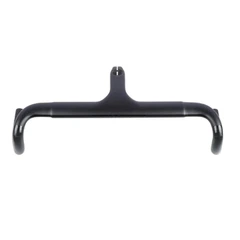
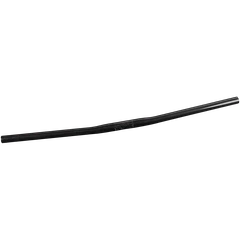
Carbon handlebars are highly regarded for their ability to improve front-wheel handling and overall riding comfort. Compared to aluminum handlebars, carbon fiber allows for more precise stiffness tuning, providing riders with a solid and reliable feel during sprints or descents while minimizing unwanted vibrations. Although the weight reduction may not be significant, the improvement in ride quality is substantial, especially for riders who prioritize endurance and performance.

Carbon Seatposts
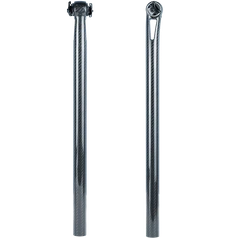
For cyclists who prioritize comfort over ultimate speed, a carbon fiber seatpost is a wise upgrade choice. Carbon fiber seatposts can flex in a controlled manner, helping to absorb road vibrations and reduce fatigue during long rides, allowing riders to stay relaxed and maintain an efficient riding posture for extended periods. While they won't provide a significant performance boost, their ability to improve ride quality and comfort makes them an ideal upgrade for cycling enthusiasts who spend long hours in the saddle.
How to Prioritize Carbon Bike Part Upgrades
The best way to upgrade carbon fiber bicycle parts is to follow a clear sequence and set specific goals. Start with carbon fiber wheelsets, as they significantly improve performance by reducing rotational weight and improving acceleration, climbing, and overall riding efficiency. Next, depending on your goals, consider upgrading the carbon fiber fork or frame. The fork can improve comfort and steering precision, while a frame upgrade will completely transform the riding experience. After that, you can focus on cockpit components such as handlebars and seatposts to reduce vibration and fatigue during long rides. Smaller carbon fiber parts should be considered last, as the improvements they offer are relatively less significant.

Conclusion
When choosing carbon fiber bicycle upgrade components, you'll get the most value by making informed decisions rather than impulsive ones. The key is understanding where carbon fiber components truly make a difference and matching those advantages to your riding style and goals. When chosen wisely, carbon fiber bicycle components are more than just lighter alternatives; they are performance-oriented upgrades that can enhance your overall riding experience.
FAQ
Q: Which carbon fiber bicycle component should I upgrade first?
A: For most riders, carbon fiber wheelsets offer the biggest performance boost. Reducing rotational weight improves acceleration, climbing, and overall riding experience better than almost any other single upgrade.
Q: Is a carbon fiber frame worth the investment?
A: Yes, if you're looking for long-term performance and ride quality. Carbon fiber frames can be precisely tuned for stiffness and comfort, making them ideal for endurance riding, racing, and high-performance bike builds. However, they typically don't provide the same immediate impact as wheelsets.
Q: Do carbon fiber forks make a noticeable difference?
A: Carbon fiber forks can significantly improve front-end comfort and handling. They absorb road vibrations better than alloy forks and offer more precise steering, especially on rough or gravel surfaces.
Q: Are carbon fiber handlebars and seatposts primarily for comfort?
A: Mostly, yes. Carbon fiber handlebars and seatposts reduce vibration and riding fatigue rather than increasing speed. They are excellent upgrades for long-distance and endurance riders.
Q: Are small carbon fiber components like saddles or bottle cages worth buying?
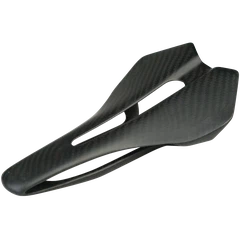
A: These components offer some weight savings and aesthetic improvements, but the performance gains are limited. It's best to consider these after upgrading major components like wheelsets, frames, or forks.
Q: Is carbon fiber always better than aluminum alloy for all bicycle components?
A: Not always. Carbon fiber excels in weight reduction, vibration damping, and stiffness tuning. Aluminum alloy remains a good option for durability, cost-effectiveness, and components that require frequent impact resistance or adjustments.