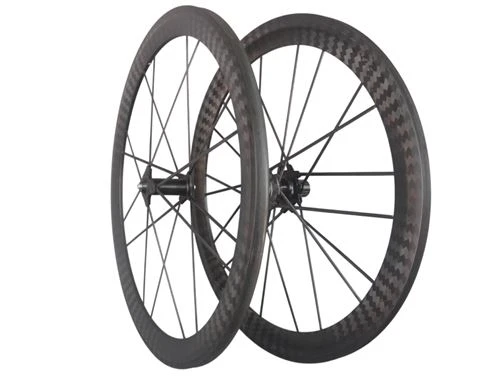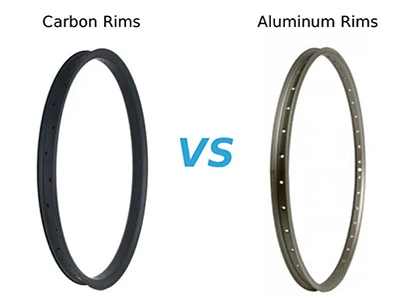
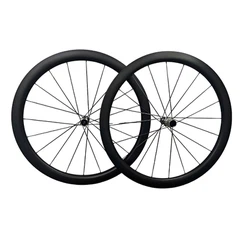
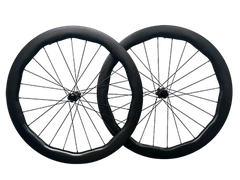
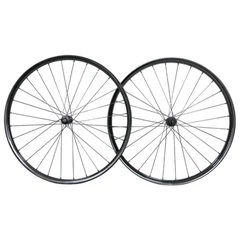
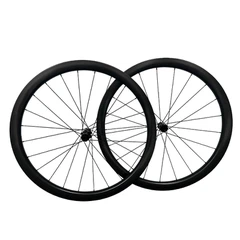
Choosing the right carbon wheel depth isn't just a small upgrade, it can completely transform how your bike accelerates, climbs, handles crosswinds, and maintains speed on the open road! Riders often debate between 38mm and 50mm because both depths offer powerful benefits, yet they excel in different riding conditions. Whether you're a climber who loves steep mountain routes or a speed-focused rider dominating flat terrain, understanding these differences can help you make a confident, performance-driven decision. In this guide, we'll break down the real-world performance of both wheel depths using aerodynamic principles, weight data, and rider scenarios.
Quick Answer
If you often ride on climbs, windy routes, or mixed terrain, 38mm carbon road wheels are recommended. They are lighter, easier to control, and more responsive during acceleration.
If you mainly ride on flat roads, join fast group rides, or participate in races, 50mm carbon road wheels are the better choice. Their improved aerodynamic performance helps you maintain high cruising speeds more efficiently.
In short, 38mm wheels perform better in handling and climbing, while 50mm wheels offer stronger advantages in speed and aerodynamics.

What Wheel Depth Means in Carbon Road Wheels
Although the difference is only a few millimeters, it directly affects aerodynamics, weight, handling, and the overall riding experience. Different rim depths represent different performance focuses, so understanding their structure and function is a crucial step in choosing carbon fiber wheelsets.
Aerodynamic Principles: The deeper the rim, the larger the leading edge area in contact with the air, allowing for more effective airflow cutting and smoother flow along the rim surface, thus reducing drag. Deep-rim carbon wheels offer a particularly noticeable advantage at speeds above 30 km/h, helping riders maintain cruising speeds more efficiently.
How Deep Rims Reduce Wind Resistance: Rims with depths of 50mm or more typically feature a streamlined shape, which reduces turbulence and allows more airflow to conform to the rim surface. This not only improves straight-line speed but also helps maintain better kinetic energy during sprints and flat rides. For riders who enjoy high-speed cruising, triathlons, or racing, deep rims significantly improve overall efficiency.
How Shallow Rims Improve Stability: Rim depths of 38mm or less are lighter and less affected by crosswinds. When riding in mountainous areas, on long slopes, or in windy regions, shallow-rimmed wheels offer more agile handling, make it easier to maintain vehicle balance, and provide more natural steering. For lighter or more skilled riders, shallow-rimmed wheels often provide a more reassuring riding experience.

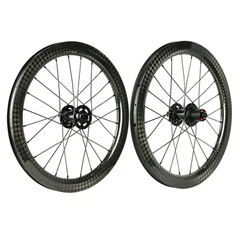
Carbon Road Bike Wheels
Send Inquiry Now

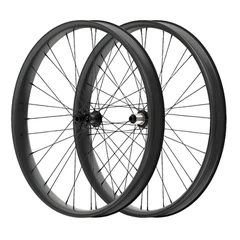
Carbon MTB Wheelset
Send Inquiry Now

Carbon Gravel Wheels
Send Inquiry Now

Carbon BMX Race Wheels
Send Inquiry Now
Performance Comparison: 38mm vs 50mm Wheels
In carbon fiber road wheelsets, 38mm and 50mm rim depths exhibit distinctly different riding characteristics, each better suited to different routes and riding styles. Therefore, understanding their performance in real-world conditions is the most important step before choosing a wheelset.
The advantages of 38mm wheels lean more towards lightweight design and handling.
On mountain roads or routes with frequent undulations and climbs, the shallower rim depth provides a more agile acceleration response, making pace changes easier. On technical descents or windy sections, 38mm wheels offer superior stability and control, making them ideal for endurance riding, long-distance commuting, and areas with consistently high winds.
50mm wheels, on the other hand, have an advantage in speed performance due to their superior aerodynamics.
Although slightly heavier, 50mm wheels maintain pace more easily on flat roads, high-speed cruising, or gentle inclines, and recover to target speed more quickly after exiting corners. Therefore, it is more suitable for scenarios requiring long-term high-speed cruising, such as flat-road riding, racing, group riding, or triathlons.
In mixed terrain, the choice between the two depends on which characteristic you value more: If you frequently encounter mountain roads or windy environments, 38mm will provide a more relaxed and agile riding experience; if you prioritize speed and enjoy pushing your limits on flat roads, 50mm will offer a more significant performance boost.
Benefits of 38mm Carbon Wheels
Lightweight for Fast Acceleration and Climbing
The biggest advantage of 38mm carbon wheels is their lightweight design and resulting agile response. The shallow rim has lower rotational mass, allowing each pedal stroke to be converted into forward momentum more quickly during starts, sprints, or climbs, resulting in a light and nimble feel, making them particularly suitable for routes requiring frequent gear changes and varied rhythms.
Superior Handling in Technical Descents
On continuous corners, steep inclines, or complex descents, 38mm wheelsets offer a more natural and controllable feel. They are less affected by crosswinds, providing greater front-end stability and reducing the risk of being blown off course, resulting in more precise steering and greater rider confidence in tight corners.
Better Stability in Strong Crosswinds
The shallow rim design offers significant advantages in crosswind conditions. On coastal routes, viaduct sections, or windy valleys, the front end is more stable and easier to maintain a riding trajectory. This stability is especially important for lighter riders, making the ride more relaxed and effortless.
Ideal for mountain riding and everyday cycling
Whether for long climbs, mountain trails, or daily commutes, 38mm wheels offer a balance of efficiency and comfort. Their weight makes climbing easier, while their natural handling is perfect for everyday riding, making them a highly practical wheelset.
Perfect choice for low-power or lighter riders
For lighter riders or those with lower power output, the lightweight construction of 38mm wheels significantly improves acceleration efficiency, making it easier to maintain speed. The user experience is particularly outstanding on mountain trails, climbs, or routes requiring frequent changes in pace.
Benefits of 50mm Carbon Wheels
Outstanding Aerodynamic Performance on Flat Terrain
The greatest advantage of 50mm carbon wheels is their aerodynamic efficiency on flat roads. The deeper rim profile allows airflow to move more smoothly along the rim surface, reducing turbulence and lowering drag.

Ideal for Racing, Time Trials, and High-Speed Riding
The characteristics of a 50mm rim perfectly match the demands of competitive cycling. In criterium races, time trials, or fast-paced rides, the aerodynamic benefits help riders conserve energy before sprinting and maintain speed during intense efforts.
Well-suited for Powerful Riders
Heavier cyclists or riders with strong power output can make full use of the deeper rim design. With greater pedaling force, the wheelset reaches and sustains optimal speeds more efficiently.
An Excellent Choice for Rolling Terrain
On rolling hills and undulating courses, 50mm wheels continue to deliver solid aerodynamic benefits. Although slightly heavier than shallower wheels, they compensate with superior speed retention.
38mm vs 50mm Carbon Road Wheels Comparison Table
| Comparison Item | 38mm Carbon Road Wheels | 50mm Carbon Road Wheels |
| Best For | Climbing, endurance, windy routes | Flat roads, racing, fast group rides |
| Main Advantage | Lightweight handling and better control | Better aerodynamics and speed retention |
| Main Trade-off | Less aerodynamic at high speed | Slightly heavier and more wind-sensitive |
| Climbing Performance | Better for climbing and repeated acceleration | Suitable, but not as light as 38mm |
| Aerodynamic Performance | Moderate aero benefit | Stronger aero benefit at higher speeds |
| Crosswind Stability | More stable in windy conditions | More affected by crosswinds |
| Typical Rider | Beginners, climbers, lighter riders | Racers, powerful riders, flat-road riders |
| Recommendation | Choose if you value control, climbing, and comfort | Choose if you value speed, aerodynamics, and racing performance |
Conclusion
Choosing between 38mm and 50mm carbon fiber road wheelsets depends on your riding style, local road conditions, and performance priorities. Both depths have their own distinct advantages, but they are suitable for different scenarios and offer vastly different experiences. No single wheelset is suitable for every rider, and we cannot provide a one-size-fits-all answer. Most importantly, you need to clarify why you want to upgrade your wheelset: Is it to improve climbing efficiency? For speed on flat roads? Or to enhance handling and stability?
FAQ
Q: Are 38mm or 50mm carbon wheels better for climbing?
A: 38mm wheels are better for climbing because they are lighter and accelerate faster on steep gradients.
Q: Are 50mm carbon wheels faster than 38mm?
A: Yes. 50mm wheels are more aerodynamic and maintain higher speeds on flat or rolling terrain. At speeds above 30–35 km/h, the aero advantage becomes noticeable.
Q: Are 50mm wheels harder to control in the wind?
A: 50mm wheels are slightly more sensitive to crosswinds because of the deeper rim profile.
Q: Which wheel depth is best for all-around riding?
A: 38mm → balanced, stable, lightweight
50mm → faster, more aerodynamic
Choose based on your terrain and riding goals.
Q: Do 50mm wheels make a big difference in speed?
A: On flat terrain, yes. At higher speeds, the aero benefits of a 50mm rim can save 5–12 watts depending on wind conditions and riding position.
Q: Are 38mm or 50mm wheels better for beginners?
A: 38mm wheels are more beginner-friendly due to easier handling and less wind sensitivity.
Q: Is the weight difference between 38mm and 50mm noticeable?
A: Typically, the weight difference is 40–120 grams, depending on the wheel manufacturer.
Q: Which wheel depth is better for racing?
A: Most racers prefer 50mm because of their superior aerodynamic efficiency and better momentum retention. For climbing races, however, 38mm is still the top choice.
Q: Do 50mm wheels affect comfort?
A: Not significantly. Comfort is influenced more by tire pressure and tire width than by rim depth. Both 38mm and 50mm work well with modern 25–32mm tubeless tires.
Q: Should heavier riders choose 38mm or 50mm?
A: Heavier and more powerful riders often benefit from 50mm wheels because they can generate enough power to take advantage of the aero profile. 38mm still works well if climbing or crosswind stability is the priority.
Q: Are 38mm wheels better in the rain?
A: Yes. Shallower rims (38mm) handle better in unstable weather conditions, including rain and gusty winds.
Q: Can I use 38mm wheels for racing?
A: Absolutely. Many pro riders use 35–40mm wheels for mountain stages or technical races with sharp climbs and fast descents.